Index Option Trading Strategies: Simplified for beginners







Key takeaways
- Index options derive their value from an underlying stock market index such as the Nifty 50 or Sensex. Traders can use calls and puts to take directional views or build defined-risk strategies.
- Beginners should understand the relationship between the index price, strike price, premium, expiry and time decay before choosing an option strategy.
- Simple strategies such as long calls, long puts, bull call spreads and bear put spreads can help traders structure trades according to their market view and risk tolerance.
Index options can look complicated at first. There are calls, puts, strike prices, premiums, expiry dates and several combinations of buying and selling options. But the basic idea is easier to understand once these pieces are separated.
An index option is a derivative contract based on an underlying market index. Instead of buying the index directly, a trader can use an option to take a position based on where the index may move.
For example, suppose a trader expects the Nifty 50 to rise over the next few days. Buying a call option can provide a way to participate in that expected upward move. If the trader expects the index to decline, a put option may be considered.
The challenge is that being right about the direction is not always enough. The option's strike price, premium paid, time remaining until expiry and changes in implied volatility can all affect the trade.
Understanding the basics before choosing a strategy
Before looking at individual strategies, it helps to understand four terms.
- Call option: A call option's value increases when the underlying index moves higher, although the actual premium also depends on factors such as time and implied volatility.
- Put option: A put generally gains value when the underlying index moves lower.
- Strike price: This is the price level specified in the option contract. For example, if an option has a strike of 25,000, that strike is used to determine the option's intrinsic value at expiry.
- Premium: The premium is the price paid by the option buyer or received by the option seller. For a buyer, this is the amount at risk in a simple long-option trade, excluding transaction costs.
An option has a defined expiry, and its value can decline as that expiry approaches if other factors do not compensate for the loss of time value. This effect is commonly called time decay.
Long call strategy
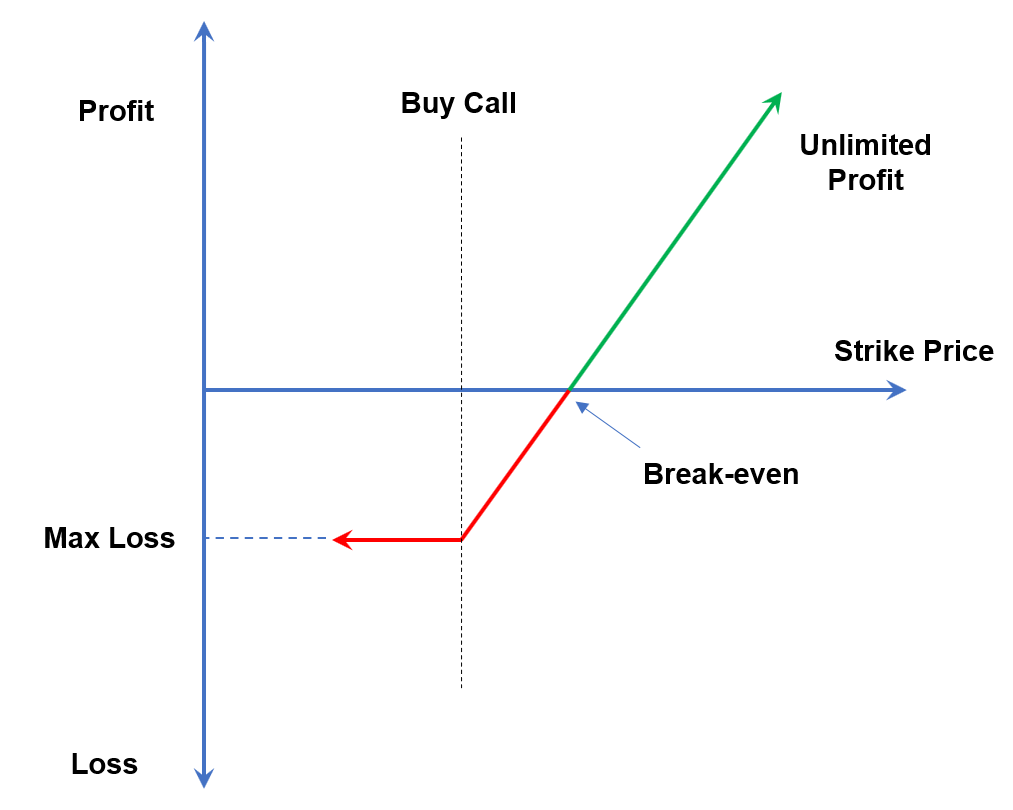
A long call is an options trading strategy which involves buying a call option when the trader expects the index to move higher.
Suppose the Nifty 50 is trading around 25,000 and a trader expects a meaningful upward move before expiry. The trader buys a call option with an appropriate strike. If the index rises sufficiently, the call premium may increase.
The maximum loss for the option buyer is generally limited to the premium paid, plus applicable costs. However, the trade still requires the index to move enough, and quickly enough, for the position to become profitable after accounting for the premium.
Long put strategy
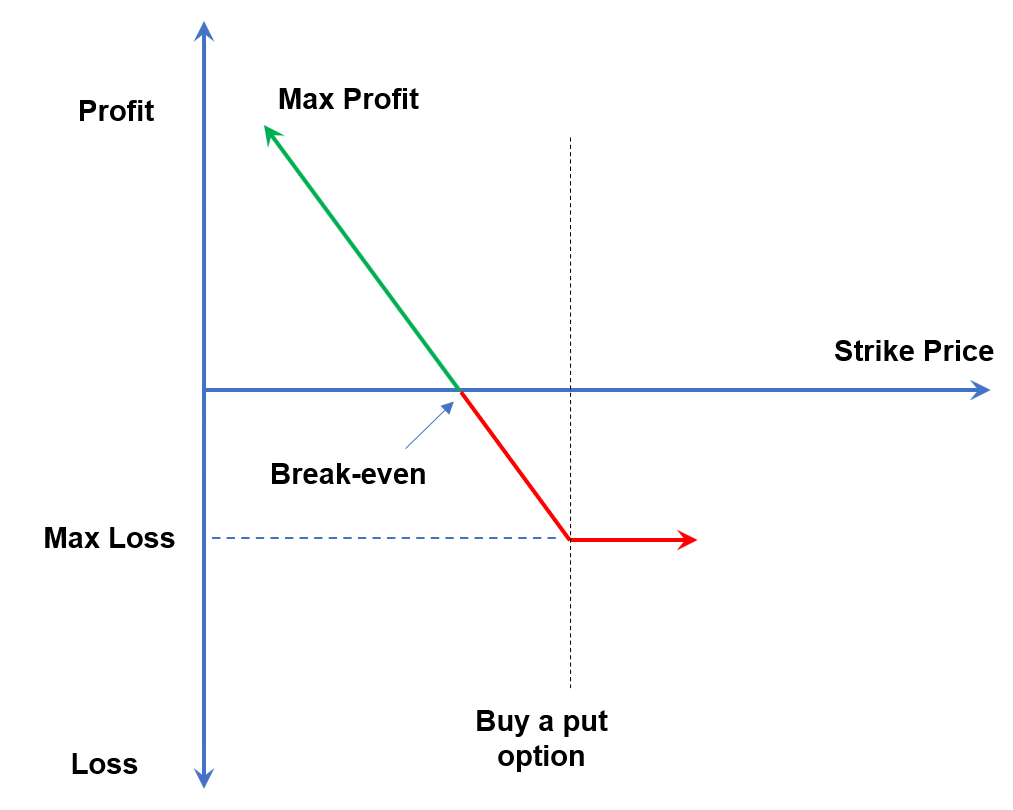
The opposite directional trade is a long put. The trader buys a put option when anticipating a fall in the index.
For example, if the Nifty 50 is trading at around 25,000 and a trader is expecting a big fall, they could look at buying a put with a suitable strike and expiry. The value of the put may increase if the index declines.
The maximum loss for the buyer is generally restricted to the premium paid. This makes a long put easier to define from a risk perspective than an uncovered short option.
Bull call spread
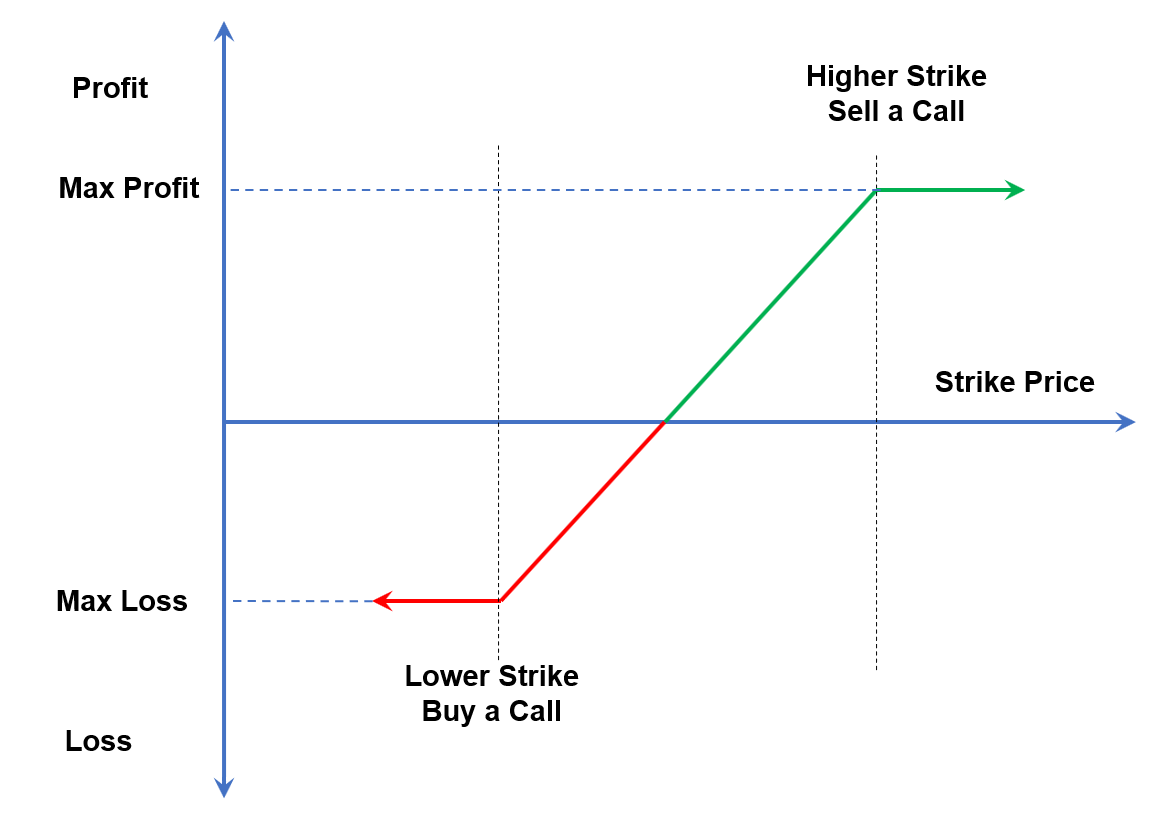
A bull call spread combines a bought call with a sold call at a higher strike price, using the same expiry.
This strategy can be useful when a trader expects the index to rise but does not necessarily expect an unlimited rally.
For example, a trader could buy a lower-strike call and sell a higher-strike call. The premium received from the sold call reduces the initial cost of the position. In return, the potential profit is capped above the higher strike.
Bear put spread
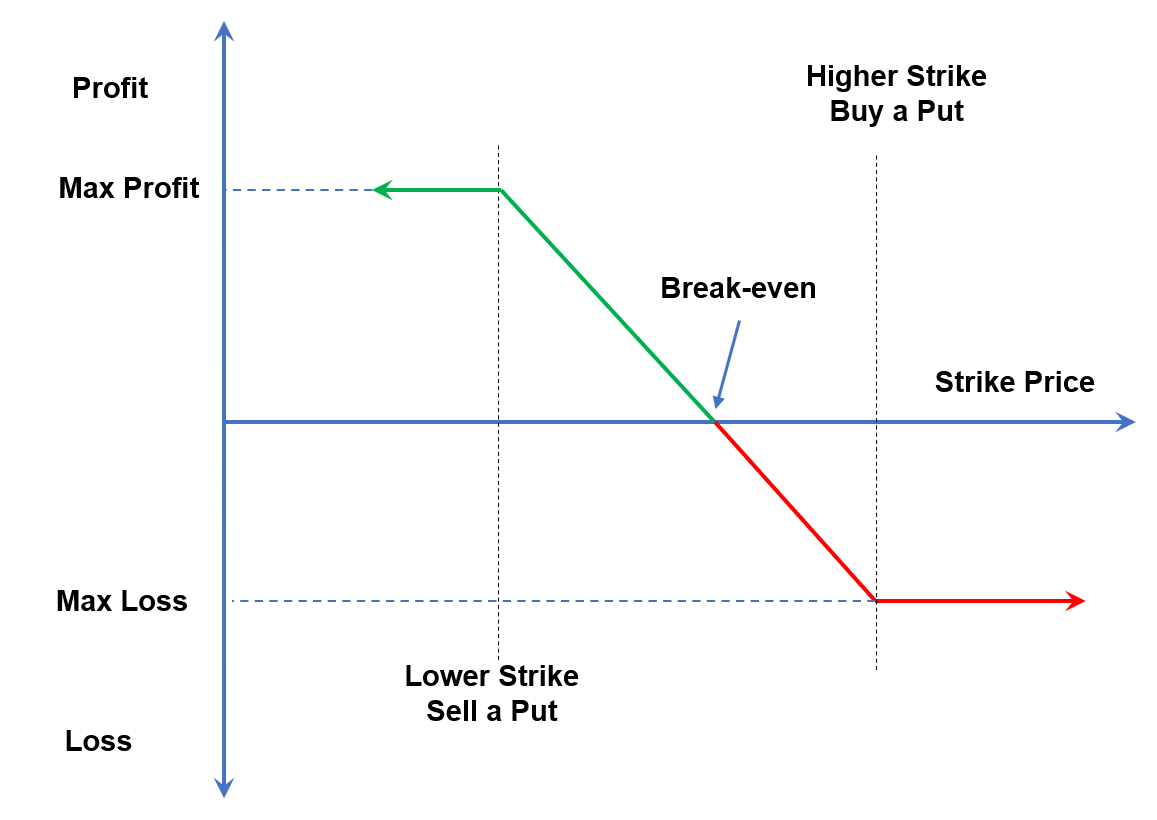
A bear put spread strategy is used when you have a moderately bearish view. It involves selling another put option at a lower strike and buying a put option at a higher strike with the same expiry.
When the market declines, the purchased put option value increases, and the sold put option limits this profit beyond their lower strike. The premium received from the sold put also reduces the initial cost.
For example, if you are expecting the market to fall from its current level but not a major fall, then you can use the bear put spread to limit the risk and profit.
Long Straddle
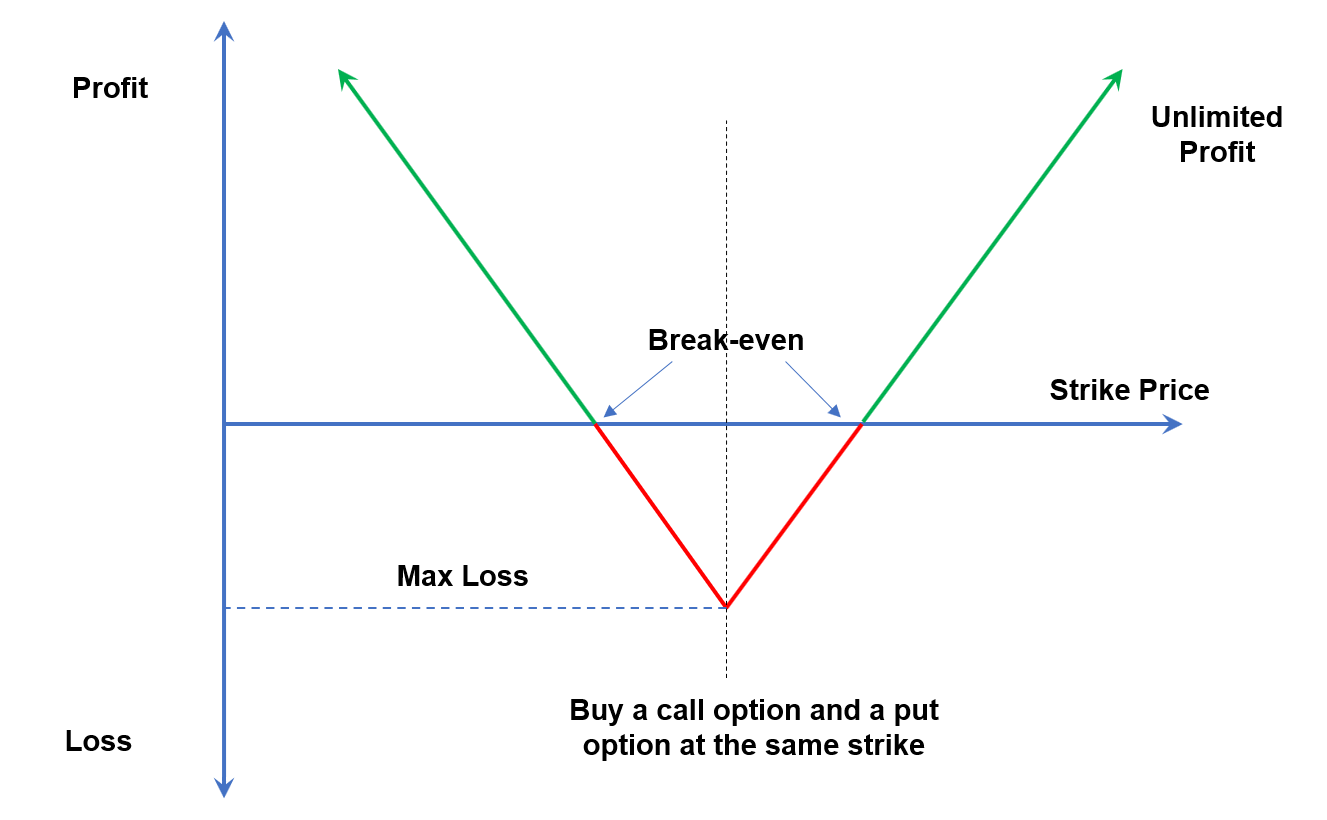
In a long straddle strategy, traders buy a call and a put option with the same strike price and expiry. If the index makes a sufficiently large move in either direction, one option can gain substantial value.
For example, if a trader expects significant movement around an important market event but does not have a clear bullish or bearish view, a straddle may be considered.
However, the index needs to move enough to compensate for the premiums paid for both options.
Comparing common index option strategies
The key aspects of the above common options trading strategies are given in the following table:
Important factors to check before entering an index option trade
Options trading can be highly rewarding but also highly risky. Before trading options, you must learn the following factors and their impact on the options premium.
Time to expiry
An option with a shorter time to expiry generally has less time value than an otherwise comparable option with more time to expiry. Time decay becomes more and more important to option buyers as option expiry approaches.
Strike selection
Choosing a strike only because its premium appears cheap can be misleading. The relationship between the strike and the current index level affects how the option behaves.
Implied volatility
Implied volatility indicates the market’s anticipated price movement and affects the option prices. When the implied volatility changes, even though the index was not affected too much, the premium becomes affected.
Liquidity
Traders should also consider whether the selected option has sufficient trading activity and reasonable bid-ask spreads.
Final words
Index option trading becomes easier to understand when strategies are linked to specific market expectations. A long call expresses a bullish view, while a long put expresses a bearish one. Bull call and bear put spreads add another layer by defining both risk and potential reward, while a long straddle is designed for situations where a large move is expected but the direction is uncertain.
Newbies can invest in simple, defined risk structures, get an understanding of the effect of time decay and volatility, and assess possible scenarios before entering. This base will make later more advanced index option strategies much easier to understand.
FAQs
What is index option trading?
Index option trading involves buying or selling options whose underlying asset is a stock market index. Traders can use calls and puts to take bullish, bearish or volatility-based positions.
What is the difference between a call and a put?
A call generally benefits from an increase in the underlying index, while a put generally benefits from a decrease. Their actual premiums are also influenced by factors such as time to expiry and implied volatility.
Is option selling suitable for beginners?
Depending on how it's structured, option selling can carry substantially more risk than buying options. Before trading, it is important to understand the basics and factors affecting it.
Why does time decay matter in index options?
Options have a limited lifespan. As expiry approaches, the time value of an option generally declines, which can work against option buyers when the underlying index does not make the expected move.
What should I check before choosing an index option?
Consider your market view, strike price, expiry, premium, implied volatility, liquidity, maximum potential loss and position size.