Warren Buffett's advice to investors in 2026






Key takeaways:
- Warren Buffett's core investment philosophy remains relevant in 2026's volatile markets, emphasising long-term discipline over short-term prediction amid AI fears, geopolitical uncertainty, and rate anxiety.
- His eight key principles include contrarian investing, staying within one's circle of competence, thinking long term, maintaining cash as optionality, avoiding heavy debt, and learning from past mistakes without emotional baggage.
- Buffett's $373 billion cash pile reflects deliberate inaction during expensive markets, treating cash as the ability to act when opportunities arise rather than dead weight.
- His timeless advice centres on understanding what you own, holding quality, keeping debt low, and avoiding panic during corrections or overpayment during booms.
Warren Buffett stepped down as Berkshire Hathaway's CEO at the end of 2025. Yet Warren Buffett's advice continues to shape how serious investors think about markets. In a volatile 2026, with AI fears, geopolitical uncertainty, and rate anxiety rattling portfolios, his principles carry more weight than ever. His core message has stayed consistent across six decades. Long-term discipline, not short-term prediction, is what separates good investors from lucky ones.
Let's examine what his guidance means for today's market environment.
Why Warren Buffett's advice still holds in 2026
Investor temperament is being put to the test these days in 2026 markets. The lessons Buffett teaches investors are not about predicting the market, but teaching them habits that last a lifetime.
His system isn't about predicting the future of the markets this month or next month. It is about having your composure remain steadfast in the face of uncertainty, volatility, and fear. These are his principles for both investors who purchase and sell stocks and investors who buy and sell index funds.
8 key pieces of Warren Buffett's investment advice for 2026
These principles are straight out of his shareholder letters and public statements and from decades of documented investment decisions.
Be fearful when others are greedy, and vice versa
It's likely one of the most-quoted sayings from Warren Buffett's investment manual. Obviously, it's easy to say, yet difficult to do, as it requires forethought and consistency to execute. In times of euphoric markets, pricing often overvalues the fundamentals.
As a business person plays the panic game, chances are that the quality of the business will fall prey to irrational discounts. In a statement, Buffett said he told investors that Berkshire would only put its $373 billion pile of cash into action if there were a "big decline." The term mild correction refers to skips in complex expeditions that do not count. That's a distinction that is much more important than most retail investors realise.
Invest only in companies that you know and understand
Buffett has stated clearly: "Risk comes from not knowing what you are doing." That involves understanding how a company makes money, its competitive benefits, and what it is that could possibly go wrong.
He didn't have to learn all the areas or know all the trends. It took only a few investments to beat the market over the last 70 years. Most investors would probably agree that this is important to avoid investing in new sectors just because they are popular for the moment.
Think long term, not quarter to quarter
In Buffett's world, the changes in the short-term are noise. He has always proposed the buy-and-hold approach, stating that it is the right one. Markets are not always on an upward trending price path, and there are times when investors' trust in markets is put to the test through volatility in the short term.
Investors can help control their reactions to news or short-term price volatility by exercising patience. The quality of the underlying business is more important than the price for any specific quarter.
Do not make a long-term bet against America
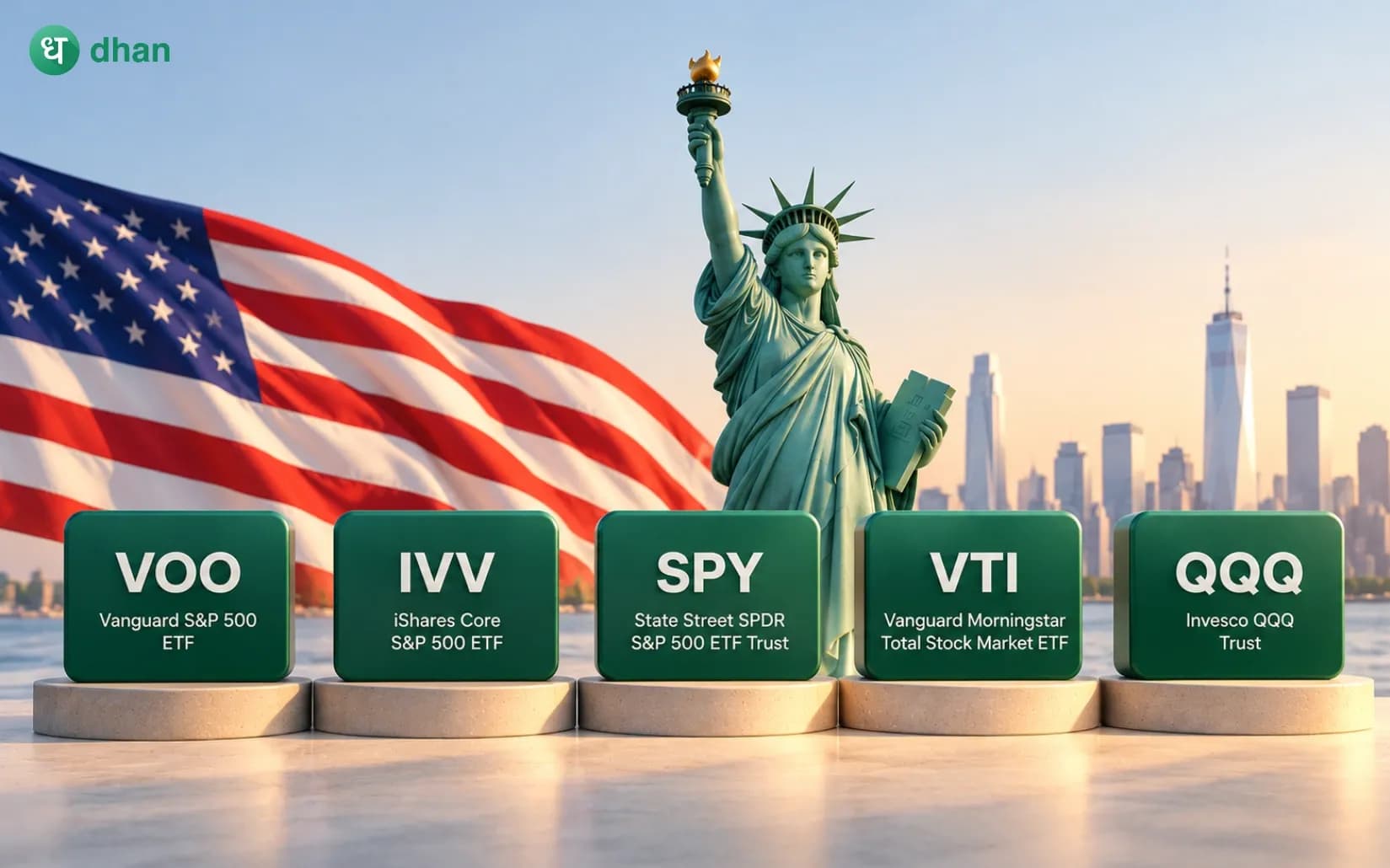
Buffett stated in his 2022 letter to Berkshire Hathaway shareholders that he has never seen a time to make a long-term wager against America. This opinion has remained unchanged. That said, the fundamentals of the US economy are firm in 2026 as market volatility passes. Eventually, Buffett calls on investors to limit trading of securities and to invest in a low-cost fund that tracks the S&P 500 index. That was a great suggestion that always has held up really well.
Cash is optionality, not laziness
Berkshire Hathaway is sitting on $373 billion in cash and Treasury bills. That is not an accident. It is a deliberate accumulation built over years of disciplined inaction during expensive markets. In Buffett's framework, cash is not dead weight.
It is the ability to act when markets break. Most retail investors hold too little cash during overvalued markets. Disciplined inaction during expensive periods is itself a form of active risk management.
Steer clear of heavy debts
Buffett has warned that too much debt can lead to financial instability. When the marketplace gets significantly depressed, leveraged investors are compelled to sell when the marketplace is at its bottom.
Berkshire has always been a company that was designed to withstand the deepest downturn without needing outside money. This means that individual investors can avoid borrowing money for their portfolios and can limit their personal debt.
Beware of fiscal folly and currency erosion
Buffett specifically warned of "fiscal folly," which he said can destroy the value of paper money. "Paper money can see its value evaporate if fiscal folly prevails," Buffett wrote. This is part of why Berkshire holds significant equity positions over cash.
Solid businesses tend to hold up better than cash because when expenses go up, companies can raise prices while retaining demand. For long-term investors, thinking in inflation-adjusted returns matters more than nominal figures.
See what went wrong and learn from it, and then move on!
Finally, at the end of his most recent letter, Buffett speaks words of personal wisdom. "You can't beat yourself up about your bad decisions of the past, learn something from them, but move on." All investors make bad investments.
Holding losing positions out of stubbornness or avoiding good ones due to past disappointment both erode returns. His approach is analytical detachment. Assess what went wrong, extract the lesson, and apply it forward without emotional baggage.
Warren Buffett's investment advice is timeless, not dated
The core of Warren Buffett's investment advice has not changed with retirement. Understand what you own. Hold quality for the long term. Keep debt low. Maintain cash for a real opportunity. Do not panic during corrections and do not overpay during booms.
These principles are not complex. They are simply hard to follow consistently when markets are loud. In 2026, a year defined by uncertainty, investors who apply this kind of disciplined thinking are the ones most likely to build lasting wealth.