Crude Oil FnO Expiry 2026





If a trader is trading crude oil futures and options (F&O) contracts, then the expiry dates of these contracts play a crucial role in creating an efficient trading strategy. The contracts are based on the value of the underlying asset, i.e., crude oil, and changes in crude oil prices directly impact the value of these derivatives.
Here, we will provide an overview of the FnO expiry schedule for crude oil contracts on the Multi-Commodity Exchange (MCX) in India for 2026, along with the key factors that influence crude oil prices.
Understanding F&O expiry in crude oil
The expiry date is the last date by which the trading contract is valid in the F&O segment. After that date, the contract ceases to exist, and the positions are settled. These expiry dates have a significant impact on position rollovers, settlement outcomes, and volatility spikes.
The crude oil futures and options contracts traded on the MCX are cash-settled, and the traders have the freedom to settle the positions or roll over the positions to the next month. Expiry dates play a crucial role in the rollover and the settlement of the positions in the crude oil segment.
MCX crude oil futures expiry dates for 2026
MCX crude oil futures contracts are one of the most traded and highly volatile commodity segments in the Indian market. The exchange offers traders the option to trade either the standard contract, which is for 100 barrels, or the mini contract, which is for 10 barrels.
Here is the detailed list of the expiry dates of the MCX crude oil futures (100 Barrels) traded in the calendar year 2026:
MCX crude oil options expiry dates for 2026
For options contracts, traders need to be aware of the expiry month, as in-the-money (ITM) options devolve into futures contracts. Below are the expiry months for MCX crude oil options with crude oil (100 barrels) futures as underlying in 2026:
Factors influencing crude oil prices
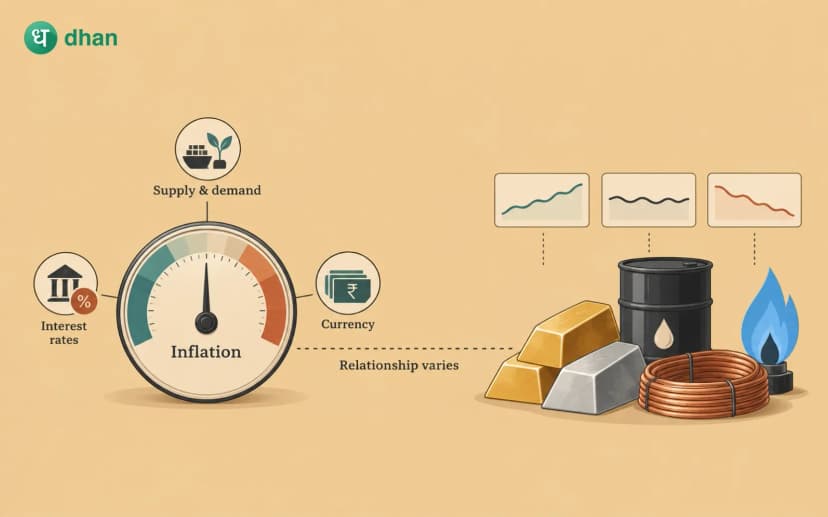
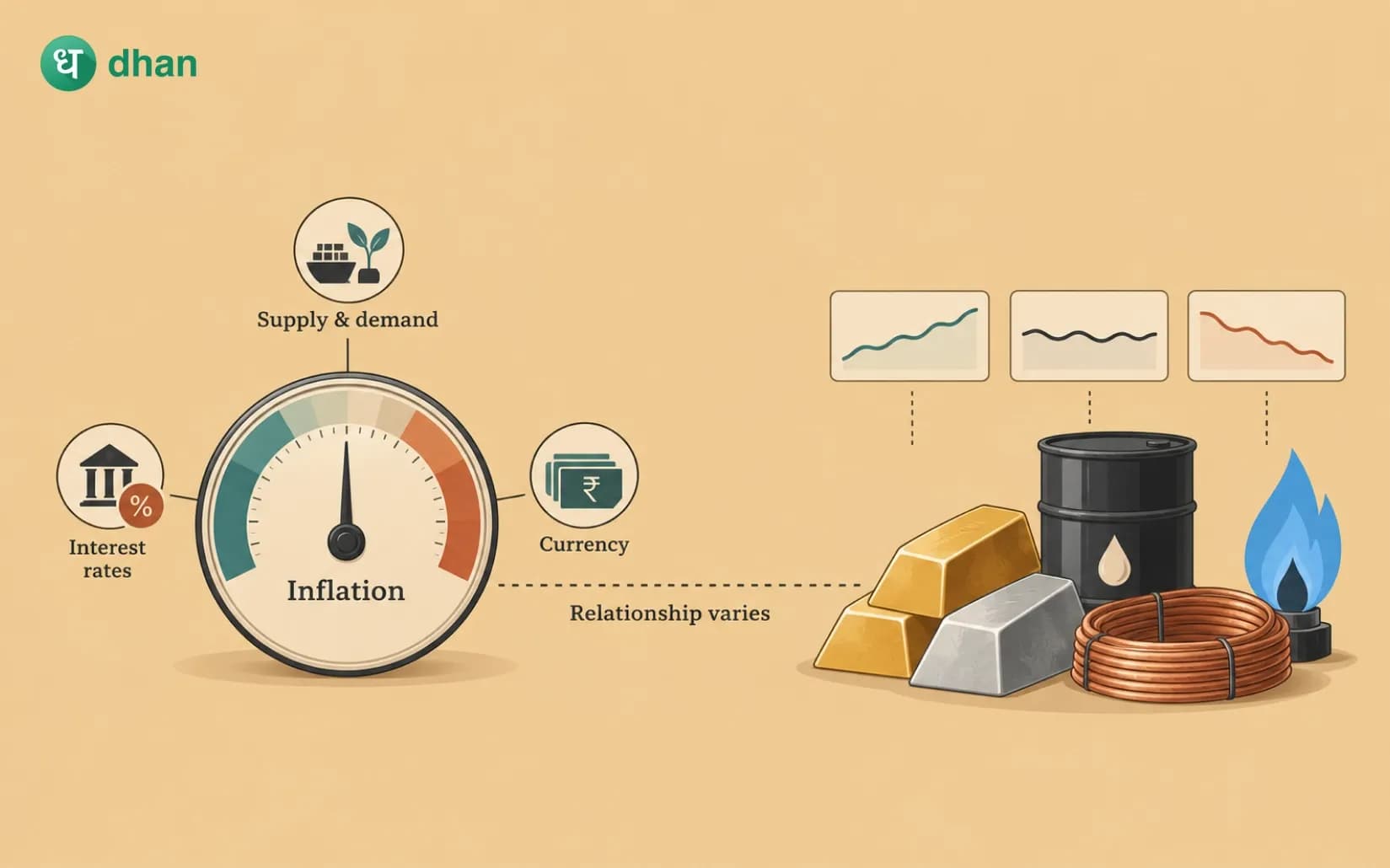
Crude oil prices are highly volatile and are influenced by a variety of global and domestic factors that traders should keep a close eye on. Some of those factors are:
- Global demand and supply: When global demand exceeds supply, crude oil prices tend to rise and vice versa. India's demand for oil is expected to grow substantially through 2035, making India a key player in global oil demand growth.
- Currency rates: For countries that are heavily dependent upon crude oil imports, such as India, the value of the local currency against the US Dollar plays an important role. A weaker Indian Rupee makes crude oil imports more costly, which results in an increase in the domestic prices.
- Geopolitical and economic events: Wars, trade restrictions, tariffs, environmental regulations, inflation rates, GDP growth, and manufacturing activity can all have a significant impact on crude oil prices.
- Crude oil inventory data: Weekly or monthly inventory data, especially from the US Energy Information Administration (EIA), provides important insights into demand-supply dynamics. Higher inventories indicate lower demand than supply, which usually drives down prices and vice versa.
- OPEC+ decisions: The decisions taken by OPEC and its allies regarding production levels have a significant impact on the global oil supply and, consequently, prices.
- Seasonal and weather factors: Seasonal demand patterns, such as the higher demand for gasoline or demand for heating oil in colder months, as well as extreme weather events, can disrupt supply and lead to price spikes.
The bottom line
Crude oil trading on the Multi-Commodity Exchange (MCX) in India offers appealing opportunities and challenges for Indian traders driven by the global supply-demand dynamics and geopolitical factors. The MCX crude oil contracts are cash-settled contracts, allowing traders to profit from crude oil price movements without physical delivery. These expiry dates directly impact price movements, liquidity, and rollover activities.
Given the inherent volatility of crude oil prices, robust risk management, knowledge of the expiry date of crude oil F&O contracts, and a clear trading strategy are key to success in crude oil trading.