Dividend vs Growth Stocks






Are you someone who prefers safe and steady investments, or do you prefer high growth? Either way, you’ll find all about differences between Dividend and Growth Stocks. Dividend strategies distribute cash from profits, while growth strategies retain cash to fund expansion, allowing compounding to work its magic and build wealth over time.
The right pick strikes a balance between steady income and the patience required for market swings. Read on to learn more!
What Are Dividend Stocks?
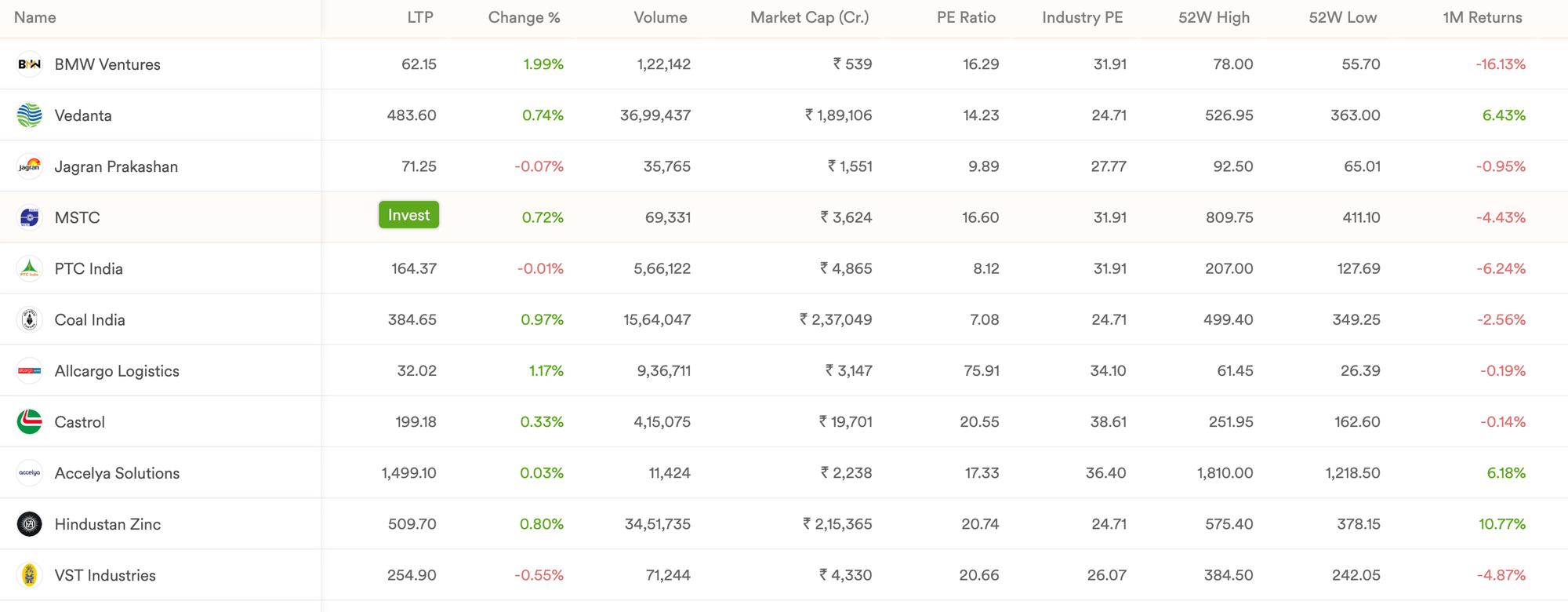
Dividends are rewards paid out of a company’s profits to its shareholders. When you own shares of the company, you become a part-owner of the company, and dividends are a way for the company to share its earnings with you as a return on your investment. But not every company pays them, and issuing dividends is never compulsory. The company’s board of directors decides whether, when, and how much dividend will be paid, considering factors such as profits, cash reserves, and future growth needs.
Most dividends are paid in cash and directly credited to your bank account, though sometimes you may receive shares (called bonus shares) or, rarely, even company assets. In India, dividends can be paid out at different times; an interim dividend is paid during the year before the final accounts, while a final dividend is paid after the annual general meeting. There are also special dividends, declared in exceptional years with surplus profits.
Your eligibility to receive a dividend depends on when you own the shares. If you buy a stock before the ex-dividend date, your name will be on the company’s record on the record date, and you’ll get the dividend. If you buy after the ex-dividend date, you’ll miss out, and the dividend goes to the previous shareholder.
Dividends aren’t just cash in hand. Many investors, particularly those seeking a steady income, select dividend stocks based on their strong dividend histories. Income from dividends can be important for financial goals like regular spending, but remember: dividends decrease the stock’s price by nearly the dividend amount on the payout date, and they are taxable as per your income slab.
It’s also important to understand that companies sometimes skip or reduce dividends to retain cash for focusing on business expansion or when they're facing tough times. So, while dividends can be a sign of a company’s financial health, they’re never fully guaranteed.
The best way to start earning dividends is to either hold equity in companies with most dividend paying stocks or invest in Mutual funds or ETF’s, you can also visit our complete guide on the easiest ways to earn dividends.
What Are Growth Stocks?
Growth stocks reinvest profits back into the business, rather than distributing them as dividends. When you pick growth stocks, you’re choosing to let the company use the profits to fuel expansion, develop new products, or enter new markets. Over time, these moves aim to increase the value of the business, which can be reflected in an increasing share price. find the list of fastest growth stocks in 2025.
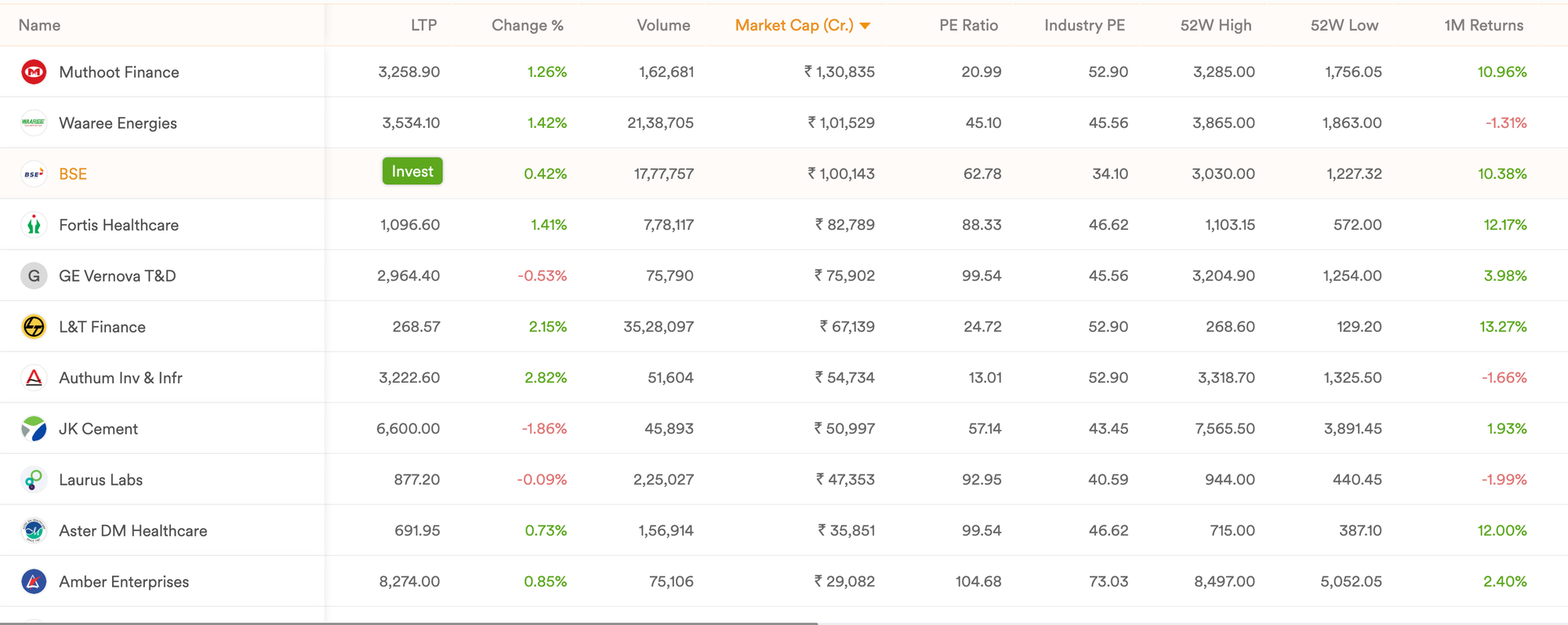
This is common among businesses in fast-growing sectors or those still in expansion mode. These companies believe that investing in themselves will create more value for shareholders in the long run, even if it means no immediate cash in hand.
For you as an investor, choosing the growth stocks typically means forgoing regular income now in exchange for greater wealth later. Growth investments work best when you’re patient and can ride out short-term market fluctuations, allowing the power of compounding and business expansion to work quietly in the background.
In mutual funds, the ‘growth’ options mean all returns, dividends, interest, or capital gains stay invested within the fund and add to the Net Asset Value (NAV). You don’t get periodic cash payouts. Instead, your profits are reflected in an increasing NAV, and you typically benefit from compounding, where your gains generate more gains over time. You’ll only realise profits (and pay taxes) when you actually sell your holdings.
Dividend vs Growth Stocks: Key Differences
So, what’s the difference between dividend and growth investing? Here’s a simple comparison table breaking down the core differences between dividend and growth investing approaches :
Choose between Dividend and Growth Stocks
Understanding the Basics
Dividend strategies can help fund periodic income needs without the need to sell shares, which many investors find comforting in volatile markets. Companies with defined payout policies offer visibility through scheduled interim and final dividends, as well as occasional dividends, when surplus cash accumulates. If you need immediate cash, growth can be more efficient because reinvested earnings compound quietly in the background.
Consider Risks
When discussing risk, equities are inherently volatile, and prices can fluctuate significantly over several months. This is a normal aspect of market behaviour and must be factored into planning. Dividend payers can feel steadier if cash flows are resilient; however, dividends are never guaranteed and can be cut during tough economic cycles. Growth options often move in line with sentiment and earnings expectations, requiring a longer-term holding period mindset.
Cash flow Need
You must also consider cash-flow needs: if regular inflows are essential for you, dividends help; if not, growth compounds more cleanly. Keep in mind that growth demands patience in the face of volatility, while dividend income can aid discipline during drawdowns.
In a nutshell
Dividend strategies suit income-first investors and can make market swings easier to manage, while growth strategies suit patience-first investors who aim to maximise compounding. Align the choice with your cash needs, tax bracket, and temperament, then stick with it long enough for the plan to take effect. Happy investing!
Ready to invest? Open an online Demat account with Dhan, find the right investment option for yourself, and start investing within a few minutes!