Nifty Option Trading strategies explained






One of the smartest ways to benefit from the market movements without ownership of the index is trading in Nifty options. It lets you profit in bullish, bearish, or even sideways markets if you know how to apply the right strategies.
From simple spreads to advanced setups, each has its own objective and level of risk. Understanding when and how to use them can make a big difference in your results.
In this article, we will explain Nifty option trading strategies in detail in an easy-to-understand manner.
Why use Option Strategies?
Nifty option strategies are used to manage risk and shape your profit potential based on how you expect the Nifty to move. Rather than taking a one-sided trade, these strategies let you plan for different outcomes, such as rising, falling, or sideways markets.
They help you protect your capital in case the market moves against you. For example, combining a call and put position will limit your losses while still leaving you with the possibility of earning if your view is right. Traders also use them to generate a steady income when the market is stable by collecting premiums on certain positions.
Each of them serves a specific purpose. Some of them will minimise risk, while others work on capturing small but consistent profits.
The basic aim is to remain flexible, decrease emotional trading, and base decisions on defined rules and not guesswork.
Common Nifty Option Trading Strategies
When you trade Nifty options, the goal is not just to predict market direction but to choose the right strategy for your view and risk level. Let’s understand some popular nifty option trading strategies used by traders.
1. Bull Call Spread
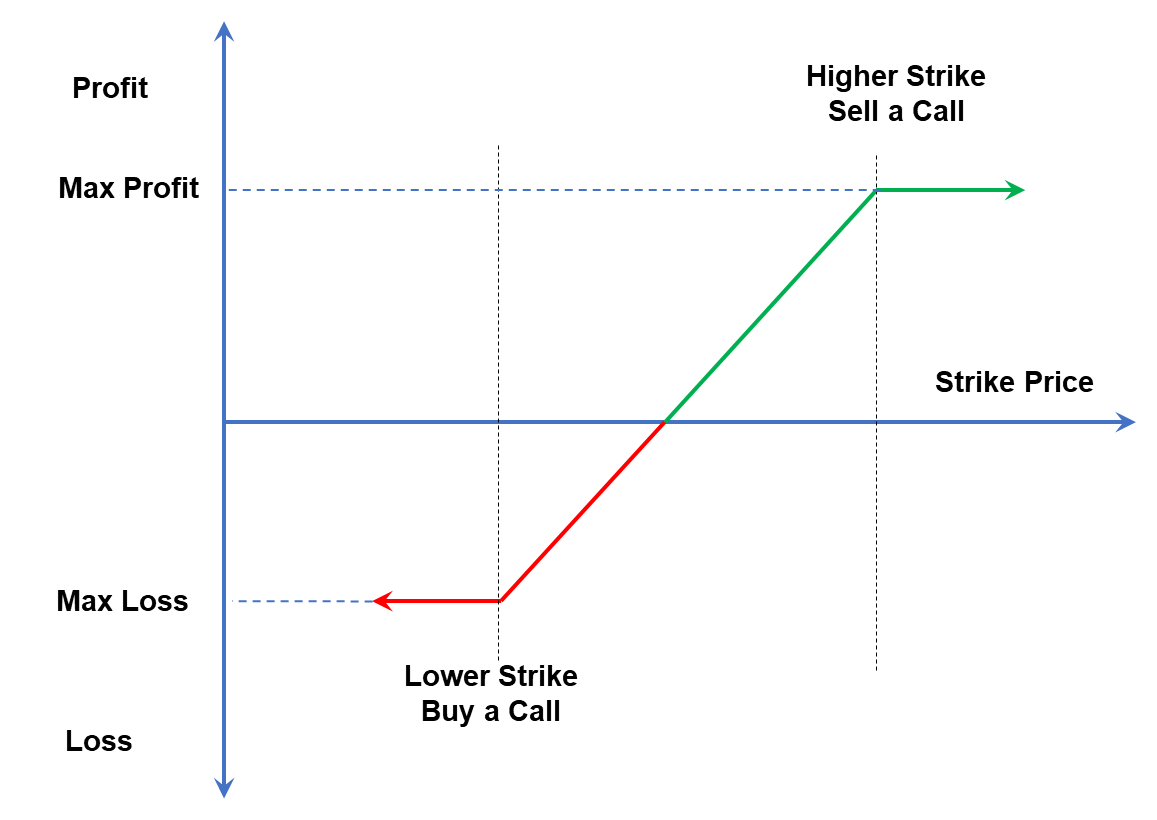
A bull call spread is a simple strategy used when you expect Nifty to rise moderately. You buy one call option at a lower strike price and sell another call at a higher strike price with the same expiry.
The bought call gives you the right to profit if Nifty climbs, while the sold call helps reduce your total cost.
For example, if Nifty is at 22,000, you can buy a 22,000 call and sell a 22,200 call. If Nifty closes near 22,200 by expiry, you earn a limited but steady profit.
This approach works best when the market is slightly bullish, not when you expect a big rally.
2. Bull Put Spread
If you believe Nifty will stay above a certain level until expiry, the bull put spread is a smart choice.
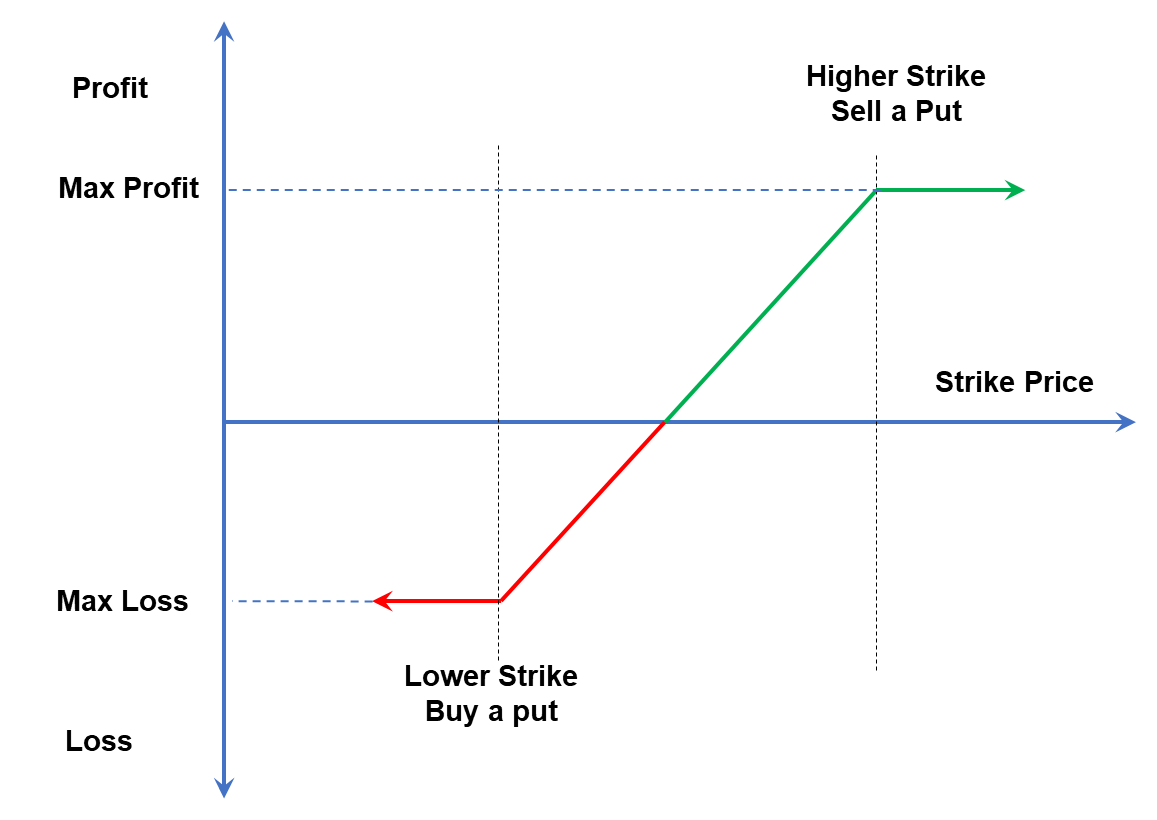
In this strategy, you sell a put option at a higher strike price and buy another put at a lower strike to limit potential loss.
For example, if Nifty is at 22,000, you could sell a 21,800 put and buy a 21,600 put. If Nifty stays above 21,800, both options expire worthless, and you keep the premium received.
This helps you earn a steady income with controlled risk in a mildly bullish market.
3. Bear Call Spread
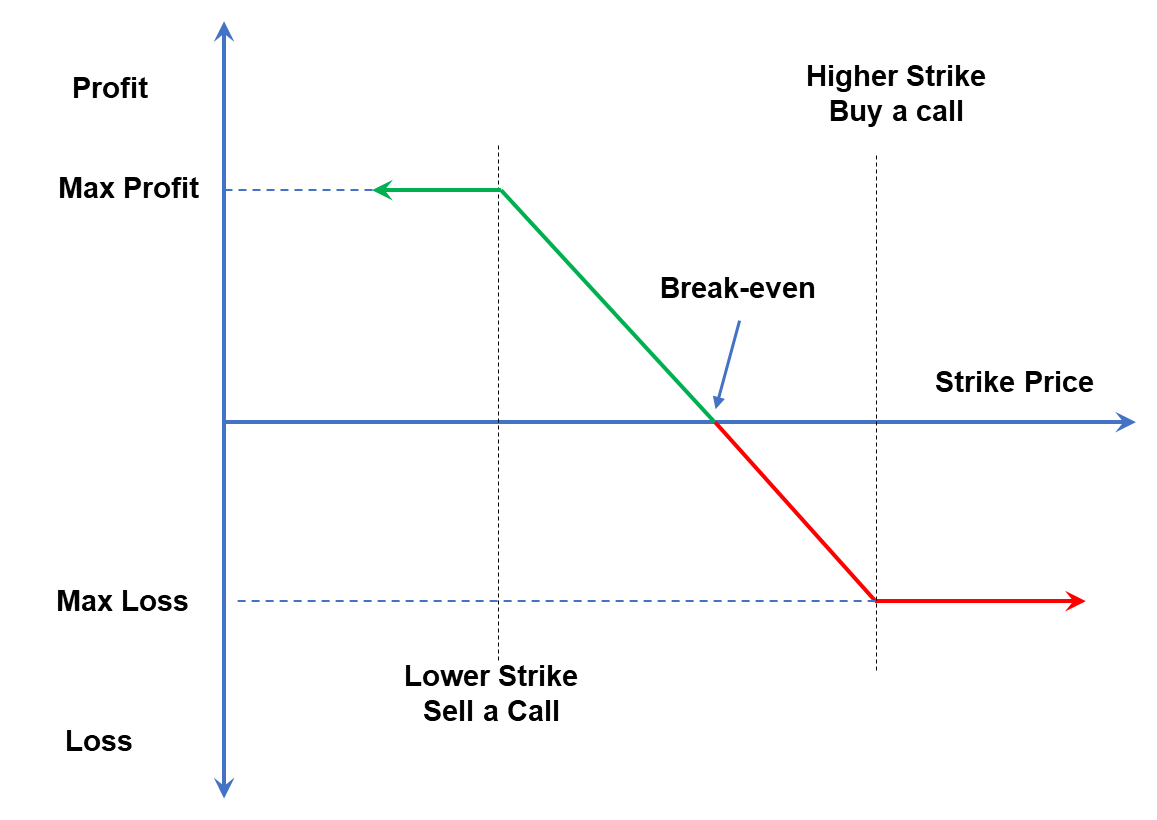
A Bear Call Spread is used when you believe Nifty will either stay flat or fall slightly. In this strategy, you sell one call option at a lower strike price and buy another call at a higher strike price with the same expiry.
The premium received from the sold call is higher than the one you pay, so you earn a net credit upfront. For example, if Nifty is at 23,000, you might sell a 23,200 call and buy a 23,400 call. You make a profit if Nifty stays below 23,200, since both calls will expire worthless, letting you keep the net premium.
If Nifty rises above 23,400, your loss is limited because of the higher strike call you bought.
This strategy works best when you expect limited upside movement in the index.
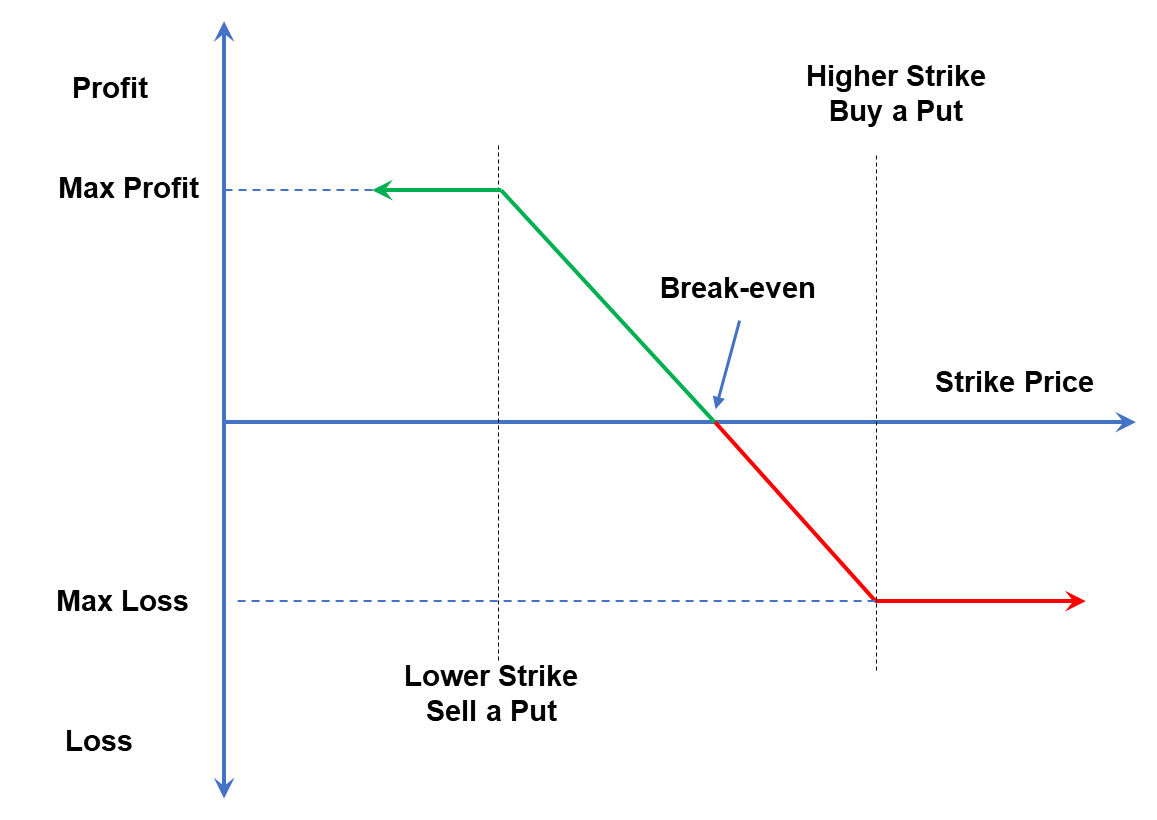
4. Bear Put Spread
This strategy works when you expect the Nifty to fall slightly but want to limit your risk.
In a bear put spread, you buy one put option at a higher strike price and sell another put at a lower strike for the same expiry.
The bought put gives you the right to sell at a higher price, while the sold put helps reduce the total premium paid. For example, if Nifty is at 22,000, you could buy a 22,000 put and sell a 21,800 put.
If Nifty drops below 21,800, you earn a fixed profit, and your loss is capped to the difference between the premiums paid and received. This makes it a safer way to trade in a mildly bearish market.
5. Long Straddle
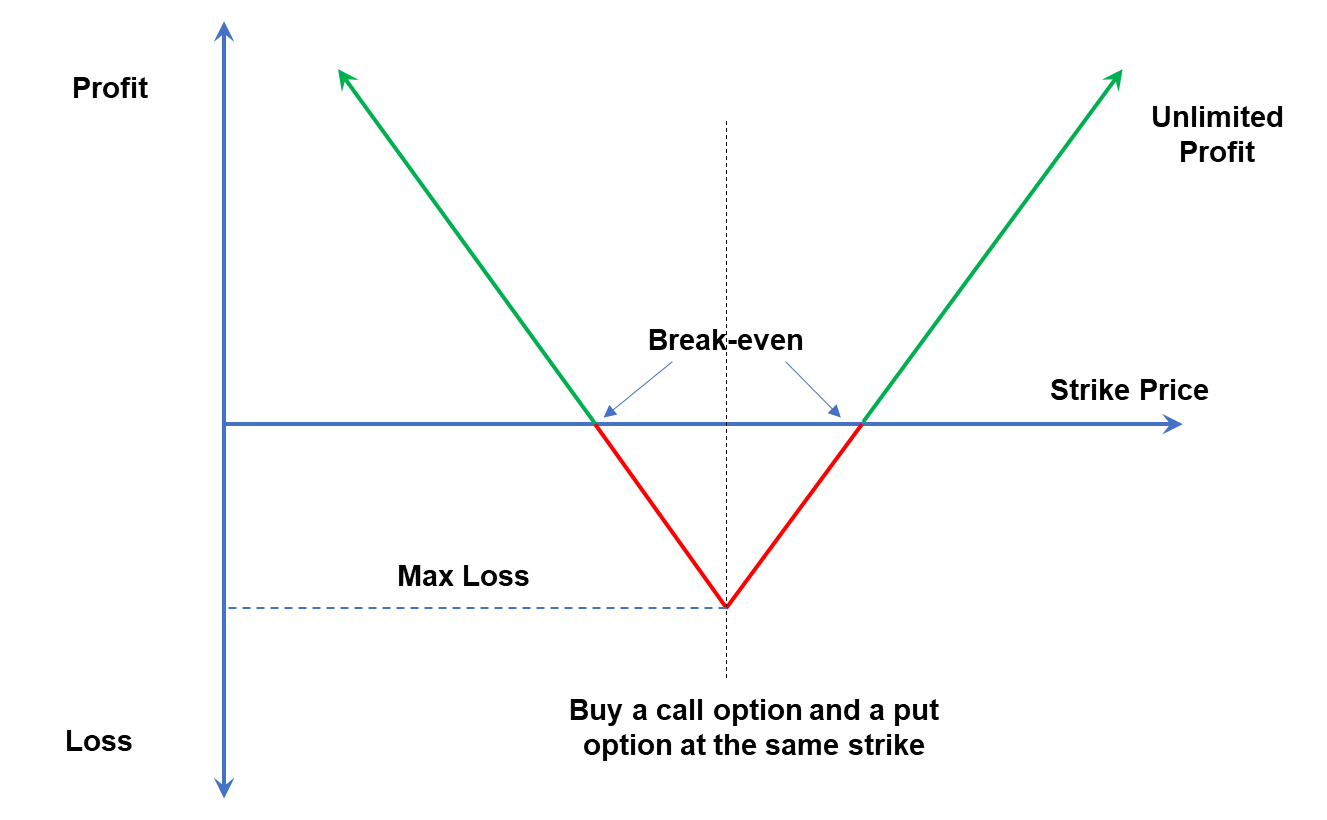
If you believe the Nifty will make a big move but are unsure of the direction, then the long straddle can be a smart choice.
This strategy involves the buying of a call option and a put option at the same strike price and expiry date. You have the opportunity to profit if the index moves sharply either up or down.
For instance, in case Nifty is at 22,000 and you start buying both call and put options at the strike of 22,000, you can gain when the index jumps up to 22,500 or drops to 21,500.
The key here is that the movement must be large enough to cover the total premium paid for both options.
6. Long Strangle
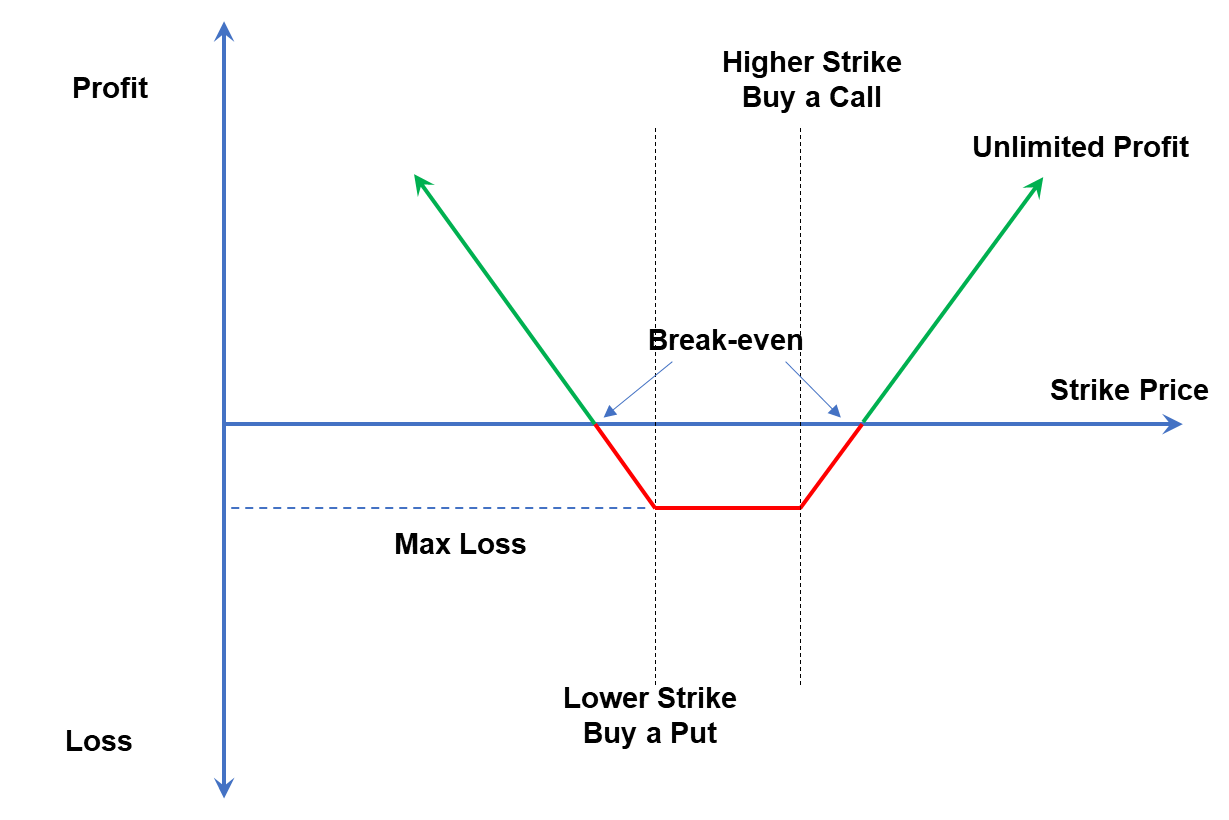
A long strangle is similar to a straddle: you are anticipating a big move in Nifty, but you are uncertain about the direction.
In this strategy, you buy one out-of-the-money call and one out-of-the-money put of the same expiry.
It is cheaper than a straddle since both options are out of the money.
For instance, if Nifty is at 22,000, you could buy a 22,300 call and a 21,700 put. In case of sharp movement of the Nifty above 22,300 or below 21,700, one option gains sufficiently to cover the loss on the other, resulting in profit.
7. Iron Condor
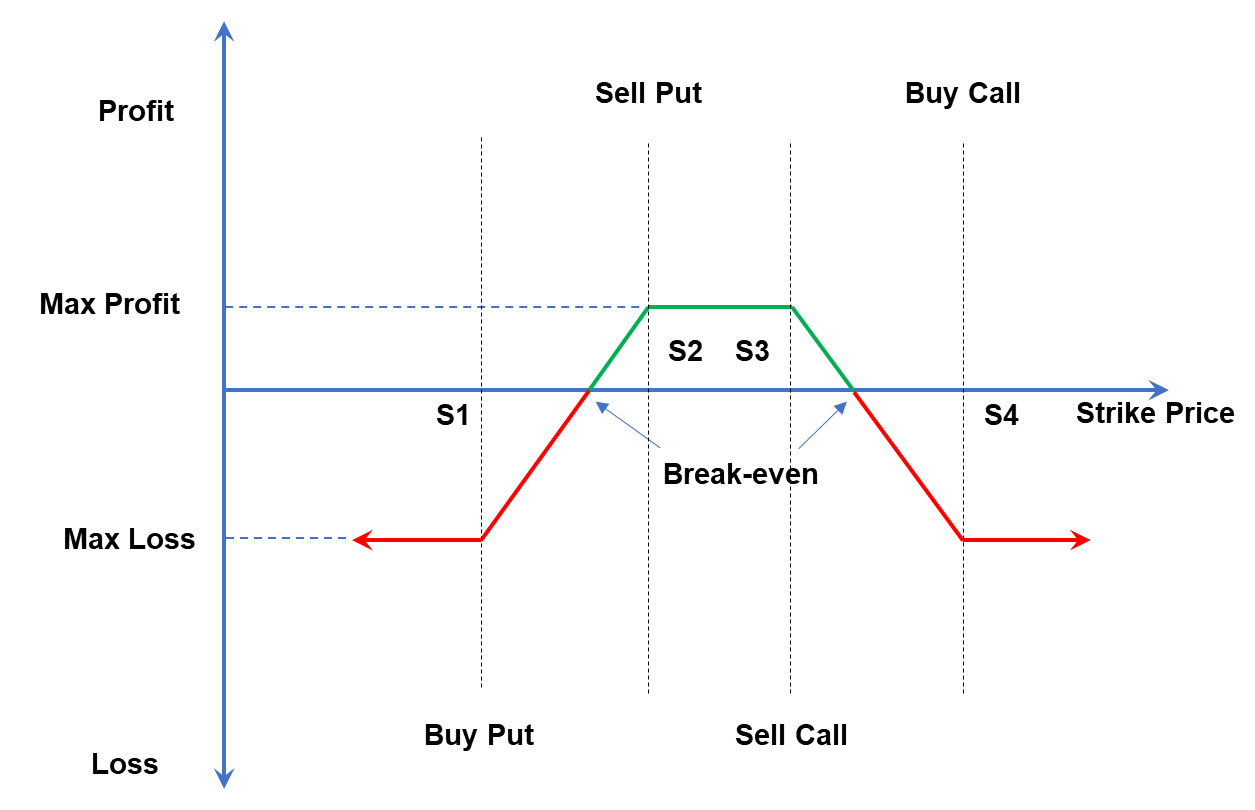
This is for range-bound markets. The iron condor strategy lets you earn from time decay when Nifty moves within a limited range.
You sell one out-of-the-money call and one out-of-the-money put, then buy another call and put further away to protect against sharp moves.
For example, if Nifty is at 22,000, you might sell a 22,200 call and a 21,800 put, while buying a 22,400 call and a 21,600 put.
If Nifty stays between 21,800 and 22,200 till expiry, you keep most of the premium as profit.
Why is Dhan relevant for Nifty option traders?
When you trade strategies on the NIFTY 50 index options, you need a platform that supports advanced tools, fast execution and clear data so you can act on the scenario you have analysed.
That is where Dhan comes in.
Its design is purpose-built for option and derivatives traders in India and gives you the kind of flexibility and clarity that lets you focus on strategy rather than platform hassles.
Here are some key features that make Dhan very relevant for Nifty option traders:
- Advanced option chain module showing open interest, Greeks, and volume in real time.
- Custom Strategy Builder, through this, you can design, visualise (payoff graphs), and execute complex multi-leg strategies such as straddles, strangles, or iron condors.
- Integration with charts, including TradingView charts, and the ability to trade directly from charts allow you to seamlessly align your view of the market and act on it.
- Instant margin/pledge benefit for options allows you to better manage your capital while trading futures and options on indices.
- The execution of one-tap ideas based on market outlook, bullish, bearish, or neutral, helps in taking timely trades aligned with your strategy.
In short, if you are serious about applying the strategies we discussed for Nifty options, then choosing Dhan gives you a technical edge and smoother execution.
Final thoughts
To succeed with options trading on Nifty, you need more than a single strategy. Understand risk, refine timing, and match your trades with market behaviour. Stay disciplined, learn from each move, and over time, you will build confidence to apply the right setup with clarity and control.
FAQs
1. What is meant by time decay (theta) for Nifty options strategies?
Time decay refers to the loss in an option’s value as it nears expiry. In most of the Nifty strategies, you have to take into consideration theta so that even if the index moves in your favour, you don’t lose ground simply because time is running out.
2. Under what circumstances would a spread strategy outperform buying a single option on the Nifty?
A spread strategy limits both profit and risk. You might choose it when you expect a moderate move in the index, not a big swing. Spreads can cost less and give clearer break-even boundaries than simple option buys.
3. How crucial is implied volatility for Nifty option trade planning?
Implied volatility is important. High volatility equates to expensive option premiums, in which selling might become more attractive. If it is low, buying may offer better value. Ignoring implied volatility can cause unexpected losses.
4. Can Nifty options strategies be used for intraday trades, rather than holding till expiry?
Yes, you can, but it comes with risks. Intraday Nifty options will have quick moves and fast time decay. You will need exit rules, good liquidity, and stop losses as the trade window is much smaller.
5. What common mistakes do traders make when starting Nifty options strategies?
A common mistake made by many traders is the lack of risk management and overleveraging. They select a strategy without a full understanding, assume big profits, and most importantly, they do not set a maximum loss. A trade often fails without a clear stop-loss or defined risk.