Day Order






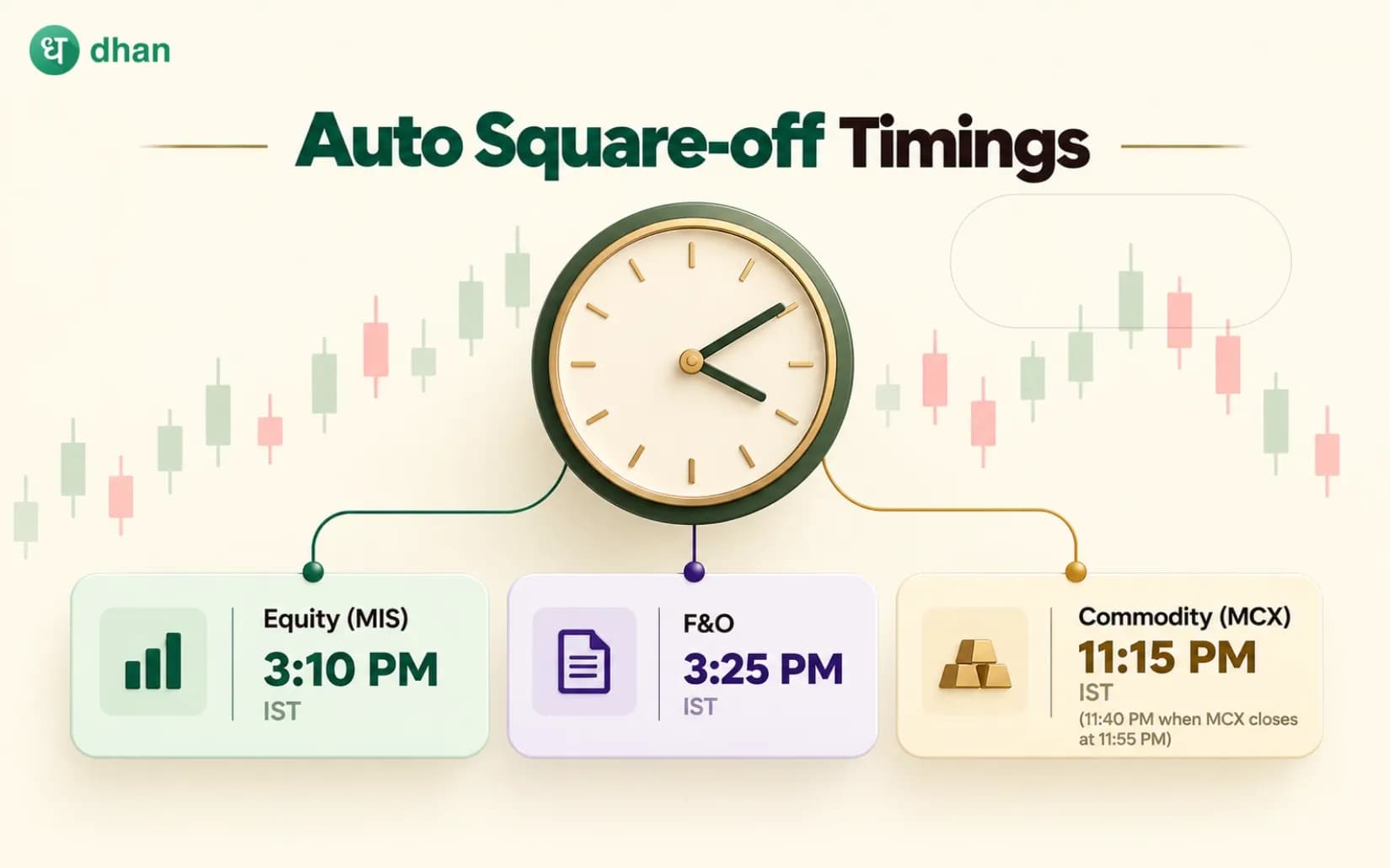
Imagine placing a trade in the morning based on a specific price level, only to realise later that the opportunity has passed. Do you think that the order should stay active for the next day? Or should it automatically close?
This type of order allows traders to place an instruction that remains valid only for the current trading session. This feature helps you manage risk and avoid unintended executions.
In this blog, we have explained what a day order is and how it works. Read on to understand when you must use this type of order.
What is a Day Order?
A day order is a type of trade instruction that remains valid only on the current trading day. So, if your order is not executed by the time the market closes, it gets cancelled automatically at the exchange.
A day order, therefore, does not get carried forward to the next trading session. You may place a buy order or a sell order under this system. In any case, the validity is limited only to a single day.
Usually, day orders are used across stocks, commodities, and derivatives. This type of order helps you avoid unintended trades the next day due to changes in price.
How does a Day Order Work?
As an investor, it’s important to know how a day order works. This will help you use this feature accurately during your trading sessions.
Day orders can be placed only during market hours. You may use this type of order to buy at a particular price or sell assets on a target level.
When you place the order, it is sent to the exchange and waits in the system. When the market reaches the specified price, the order gets executed. However, if the price is not reached, the order remains pending throughout the day.
Any day orders that remain unexecuted at the end of the trading session get cancelled automatically. No manual intervention is required in the process.
This mechanism proves valuable when markets are volatile and prices move unpredictably. So, you must make sure that your trade gets executed at the desired timeframe, not on the next day, even if the market reaches the same price.
Key Features of a Day Order
Traders must have a comprehensive knowledge of the features of a day order to make the most of this feature.
Valid only for one trading session
A day order remains active only during the trading hours of a single day. The order automatically gets cancelled once the market closes, in case it remains unexecuted.
No carry forward to the next day
A day order does not get carried forward to the next day. This removes the risk of execution on the next day when the market conditions might be completely different.
Suitable for intraday and short-term trades
Day orders are suitable for intraday or short-term trading opportunities. They are based on immediate movements in price, which make it crucial to be executed on the same day.
Works with different order types
You can combine a day order with other types of orders like market orders, limit orders, and stop-loss orders. The main difference lies in the validity period, and the method of execution is not important in this case.
Day Order vs. Other Types of Orders
To help you gain clarity on how day orders work in practical scenarios, we have compared it with other types of orders.
Day order vs Market order
A market order is executed at the current market price immediately after you place it. In this case, the priority lies in speed and not price control.
On the contrary, a day order defines the duration for which the order remains active. You can even place a market order as a day order. This means the system will attempt to execute it immediately, but it will not remain active beyond that specific day.
Day order vs Limit order
In a limit order, you need to specify the exact price at which you want to buy or sell. A day order, on the other hand, determines how long that limit order will remain valid. So, the validity of a limit order with the duration of a day will expire if the market does not reach the specified price within the same day.
Day order vs GTT order
The duration of a GTT order is longer, which can be weeks or even months. They get triggered only when the market reaches a specific trigger price.
A day order, in contrast, expires at the end of the trading day. A GTT is suitable for long-term trading strategies. Day orders are ideal to capitalise on immediate opportunities.
Advantages of Using a Day Order
Now, check out how traders can benefit from placing day orders.
Better control over trades
When you trade, a day order helps you gain complete control over the time till your orders remain valid. So, you do not have to worry about old orders getting executed unexpectedly in the future.
Reduces overnight risk
One of the biggest risks in trading comes from overnight events like global news, earnings announcements, or geopolitical developments. With a day order, you can eliminate these risks. The unexecuted orders get cancelled before the next trading session begins.
Ideal for active traders
Day orders prove beneficial to traders who manage short-term positions. They can make quick decisions and do not need to manage orders beyond the specific day.
Limitations of a Day Order
While day orders are useful, they do have a few limitations.
Missing opportunities
Sometimes, the price of the share or stock does not reach the desired level within the day. In these situations, the order gets cancelled. Even if the price reaches the same level the next day, the order will no longer be active.
Requires active monitoring
Day orders are highly sensitive to time. As a trader, you must monitor the market regularly. In case market conditions change, you may have to modify the order or re-enter the market.
Not suitable for long-term investors
Long-term investors usually hold their positions for weeks or months. Day orders aren’t suitable for them, as they may prefer GTTs or other types of orders that remain active for longer durations.
When should you use a day order?
Here are three situations where you may use a day order.
- During intraday trading, you need to enter and exit your positions within the same day. In these scenarios, day validity is the most natural choice.
- If you trade to capture short-term price movements, a day order ensures that the trade gets executed only within the intended timeframe.
- Prices tend to change rapidly when markets are highly volatile. A day order would help you avoid carrying forward outdated trade ideas into the next day.
Common Mistakes to Avoid While Using Day Orders
Here are a few mistakes you must avoid when you place day orders.
Setting unrealistic prices
Don’t set a day order at a level too far from the current market price. This reduces the chances of execution.
Ignoring market trends
It’s important to study the broader market trend or direction when you place a day order. Considering the momentum, decide the price at which you want the trade to execute.
Not reviewing orders before the market closes
Before the market closes, review your pending orders. Based on the price level, you can decide whether to re-enter the trade the next day or adjust your strategy.
Conclusion
Most traders consider day orders a simple feature on their trading accounts. However, it plays a crucial role in helping you manage your trades efficiently. A day order makes sure that your orders remain relevant to the current market view and prevents unintended executions in the future.
Traders benefit from the protection from overnight risks while they access the market. Now that you understand how day orders work, you can approach the market with greater confidence.
FAQs
What is the validity of a day order?
A day order remains valid only for the current trading day, considering when it is placed. If it is not executed by the time the market closes, it is automatically cancelled.
Does a day order expire automatically?
Yes, when a day order remains unexecuted, it automatically gets cancelled at the exchange at the end of the trading session.
Can a day order be modified during the day?
Yes, you can modify a day order any time before it gets executed. You can even cancel it if you wish.
Is a day order suitable for beginners?
Yes, beginners can use day orders as the simple feature helps them prevent unintended trades, particularly when markets are volatile.
What happens if my day order is not executed?
If the day order does not execute during the day, it automatically gets cancelled. The order would not carry forward to the next trading session.