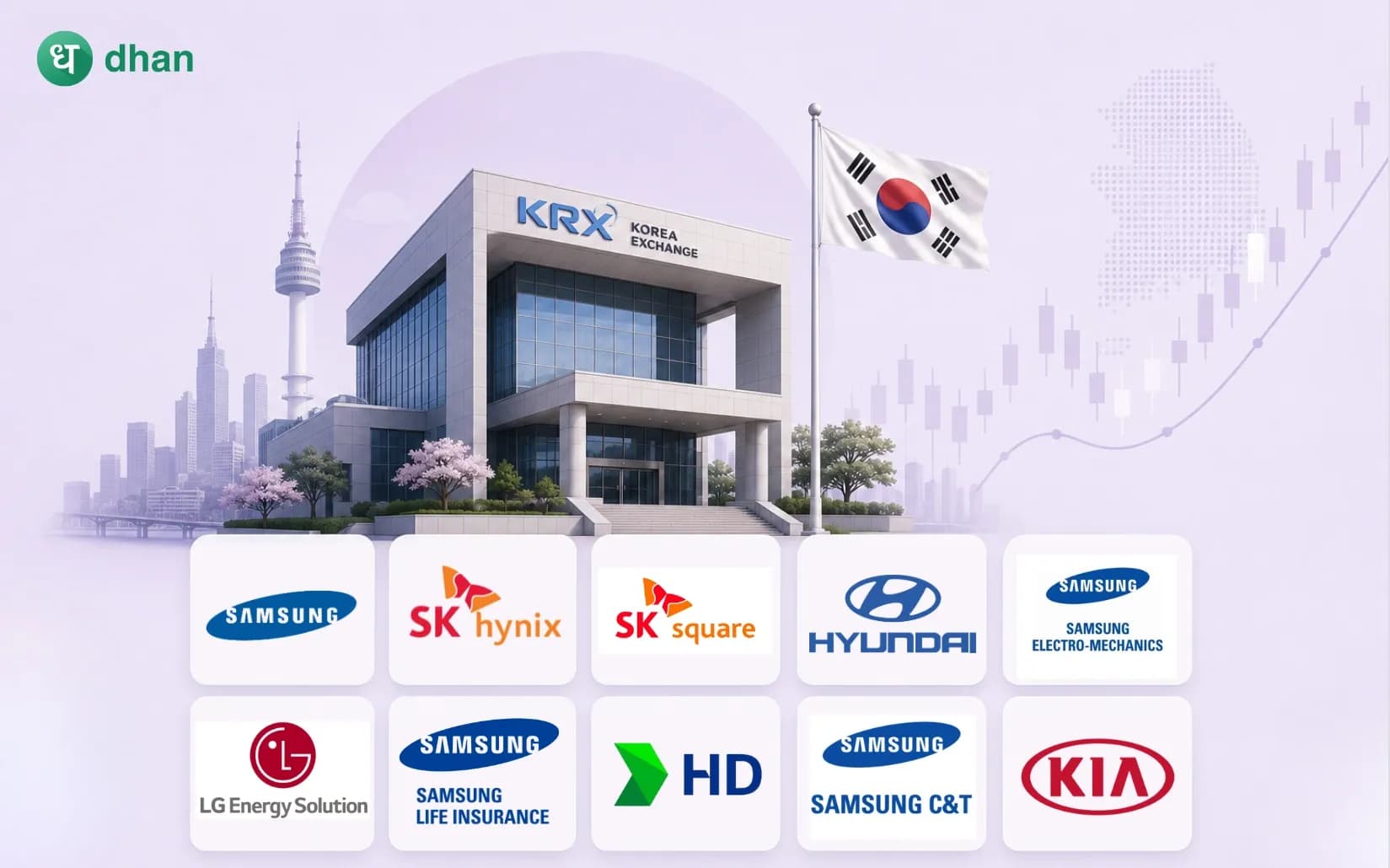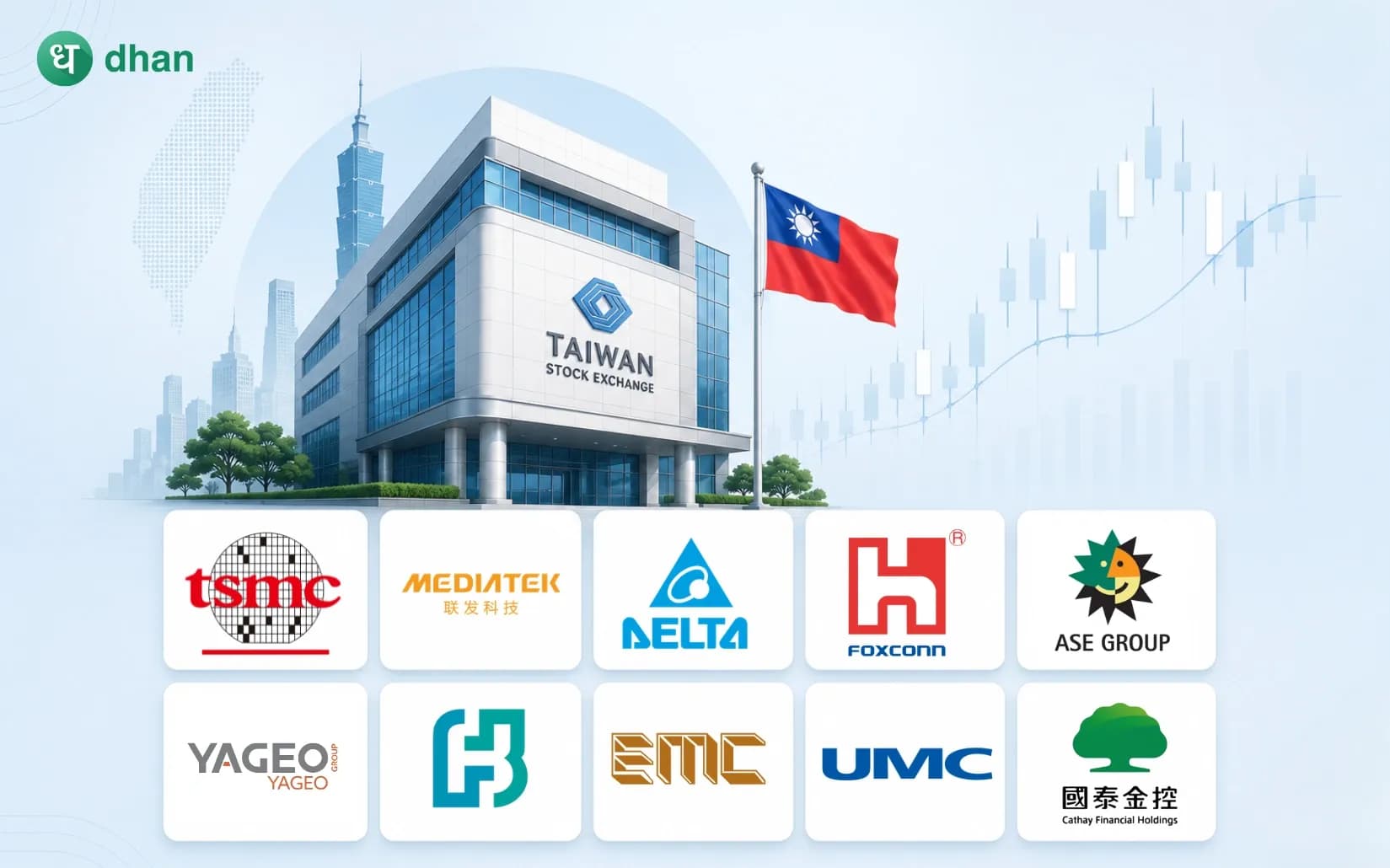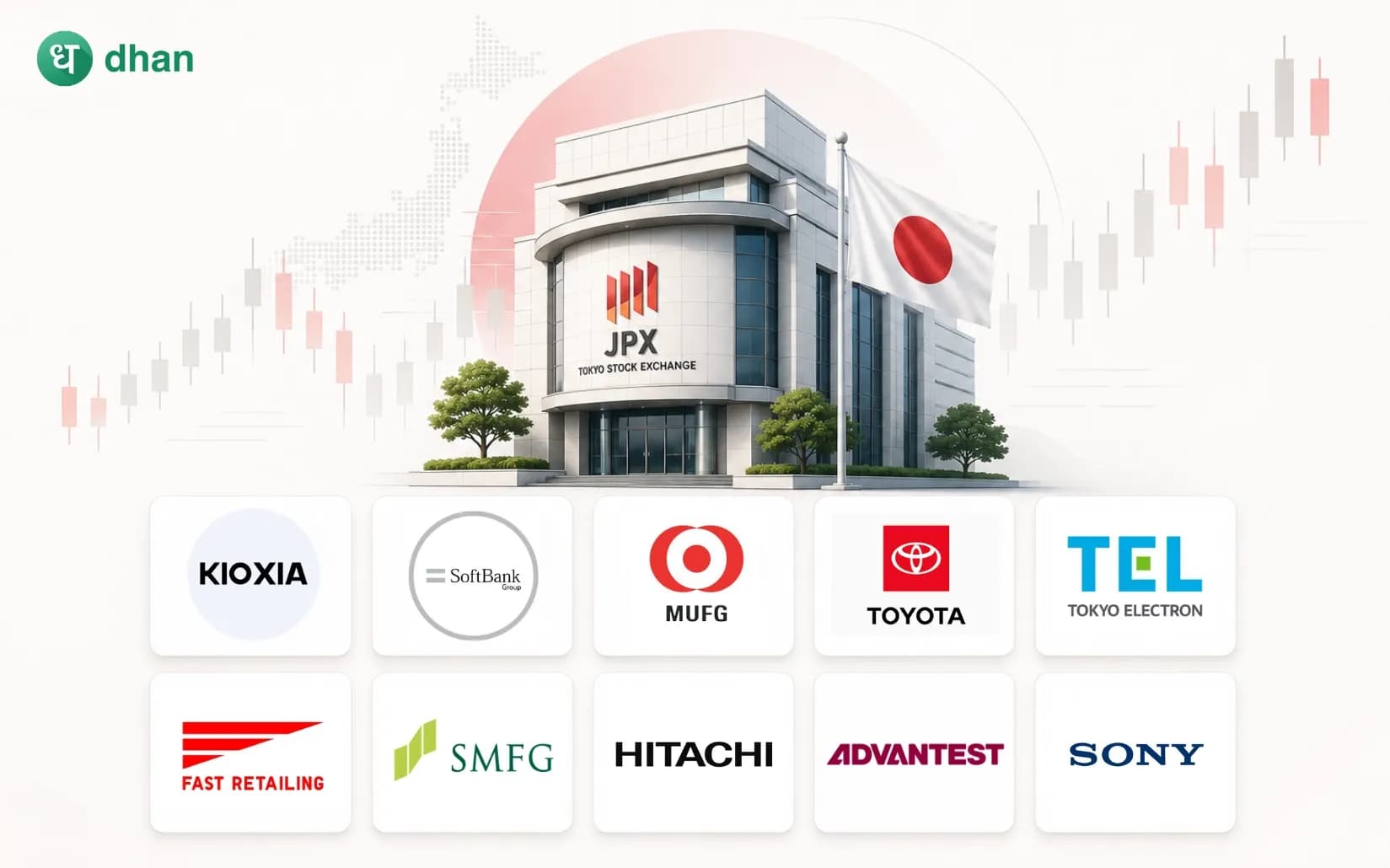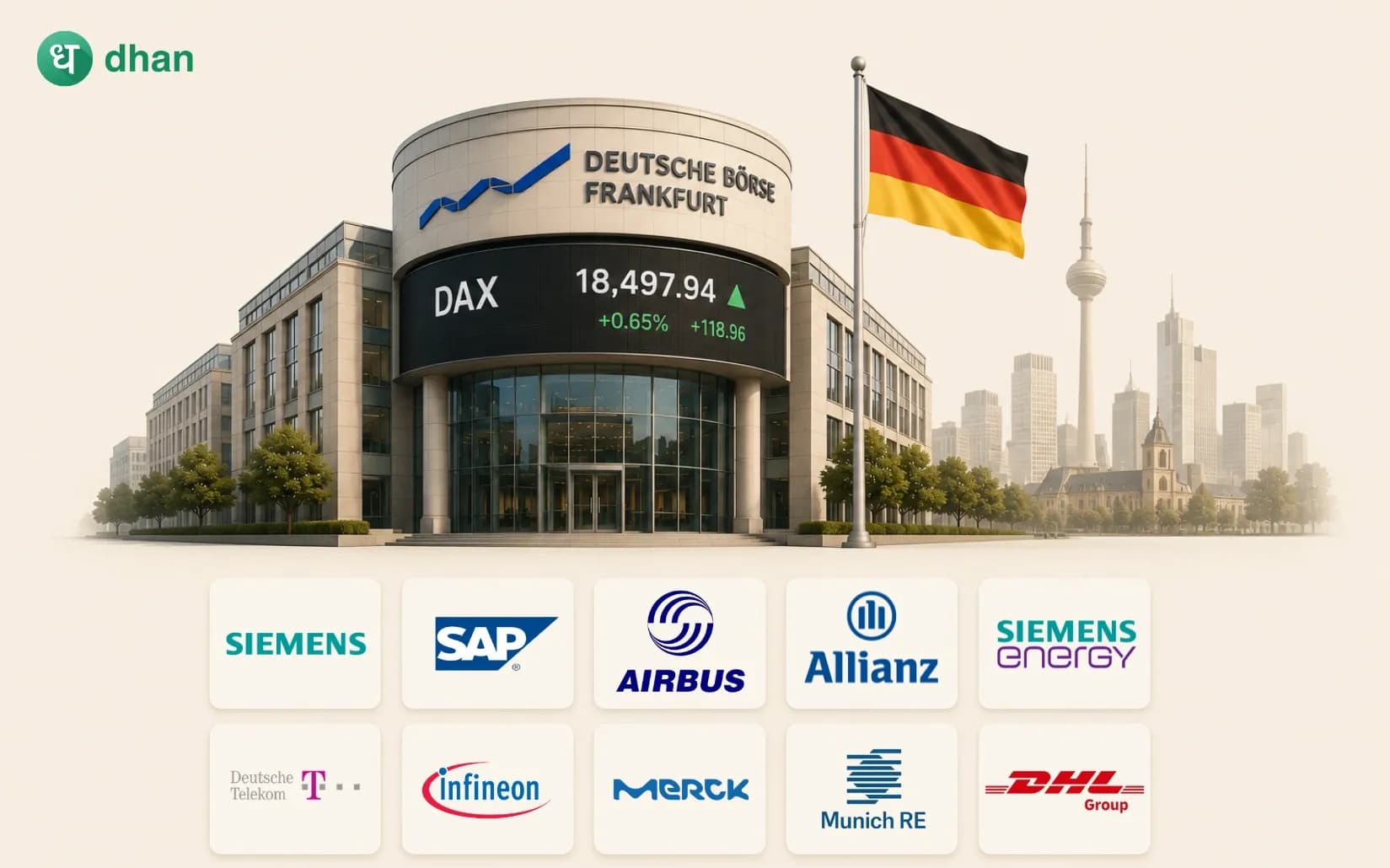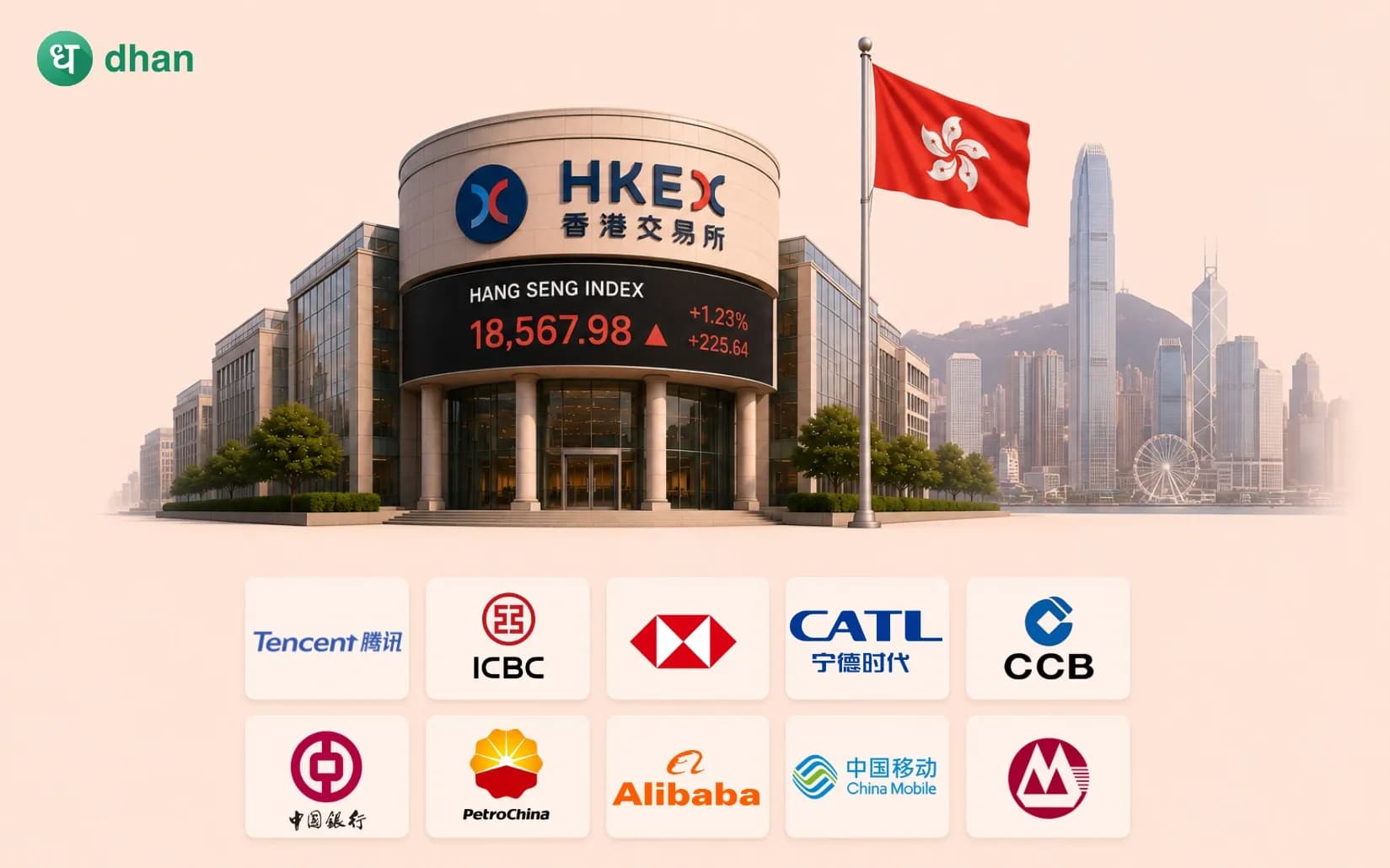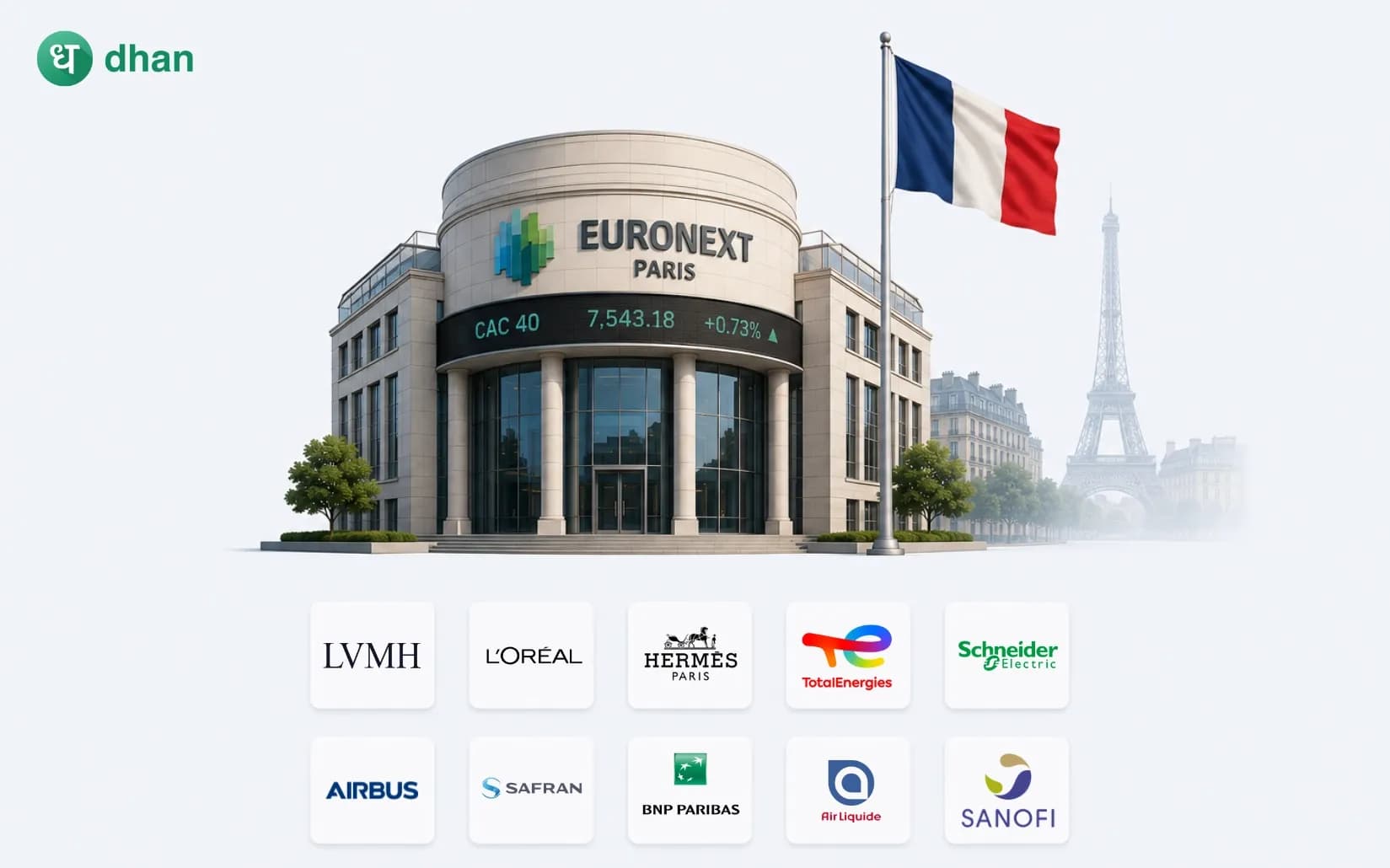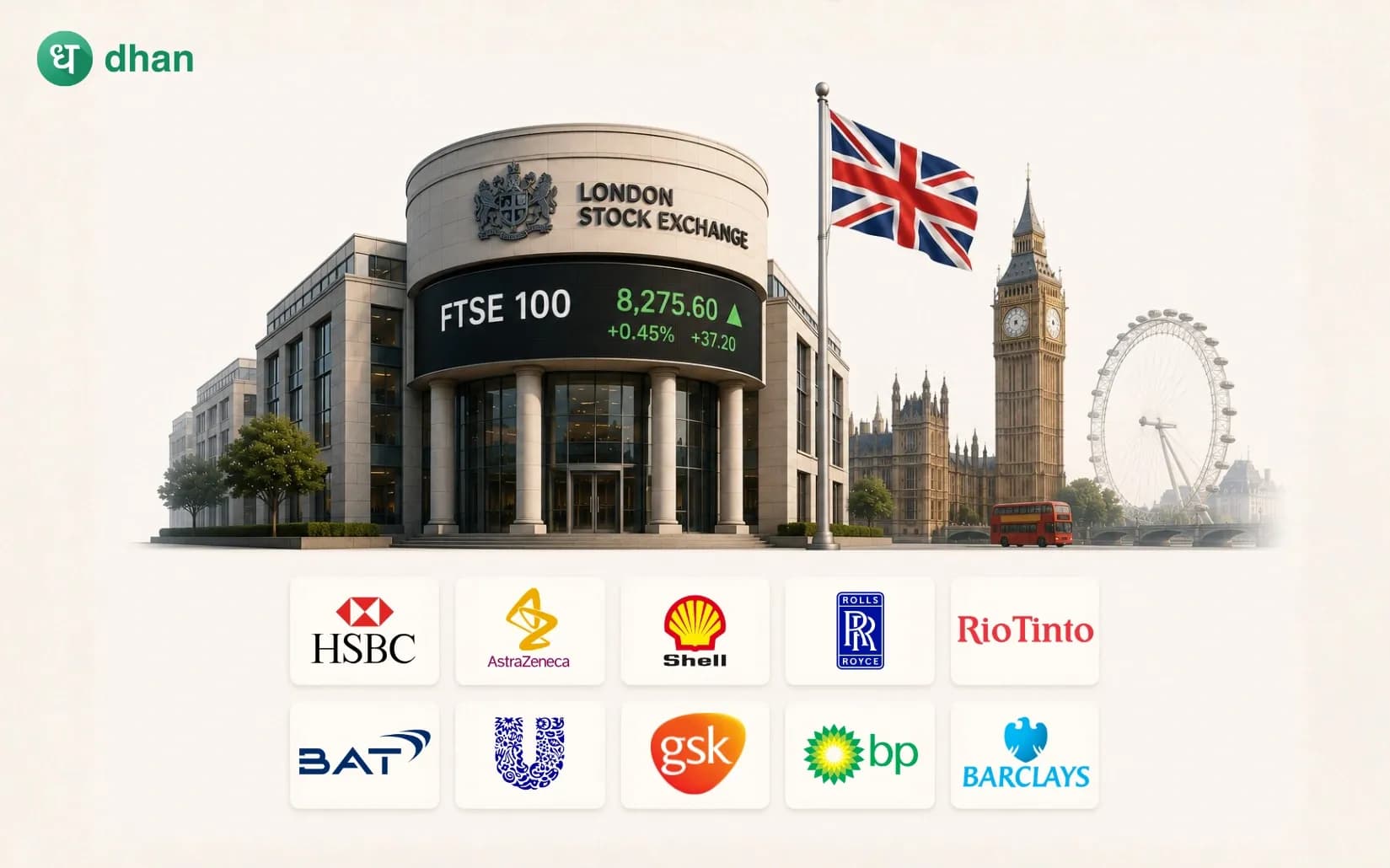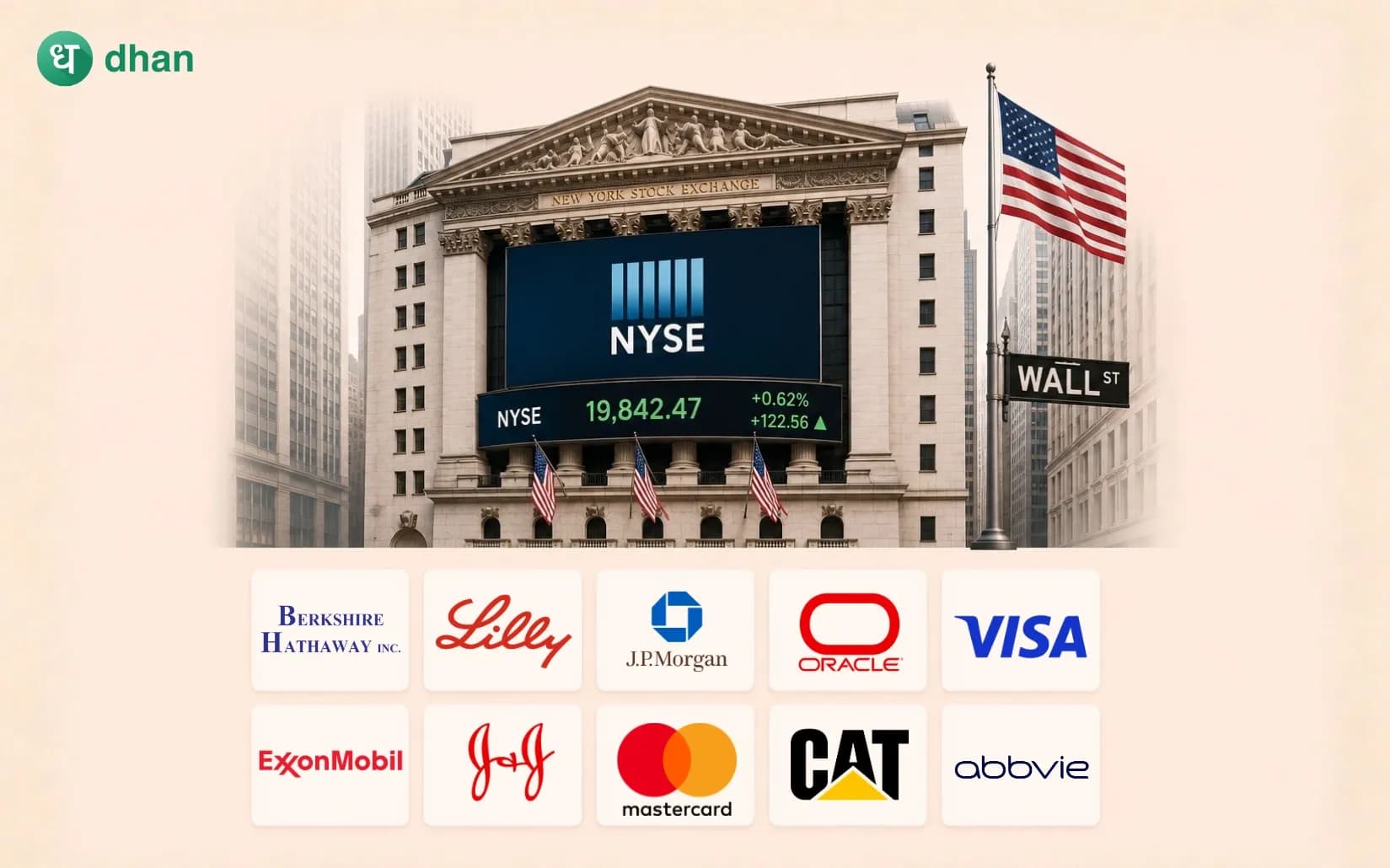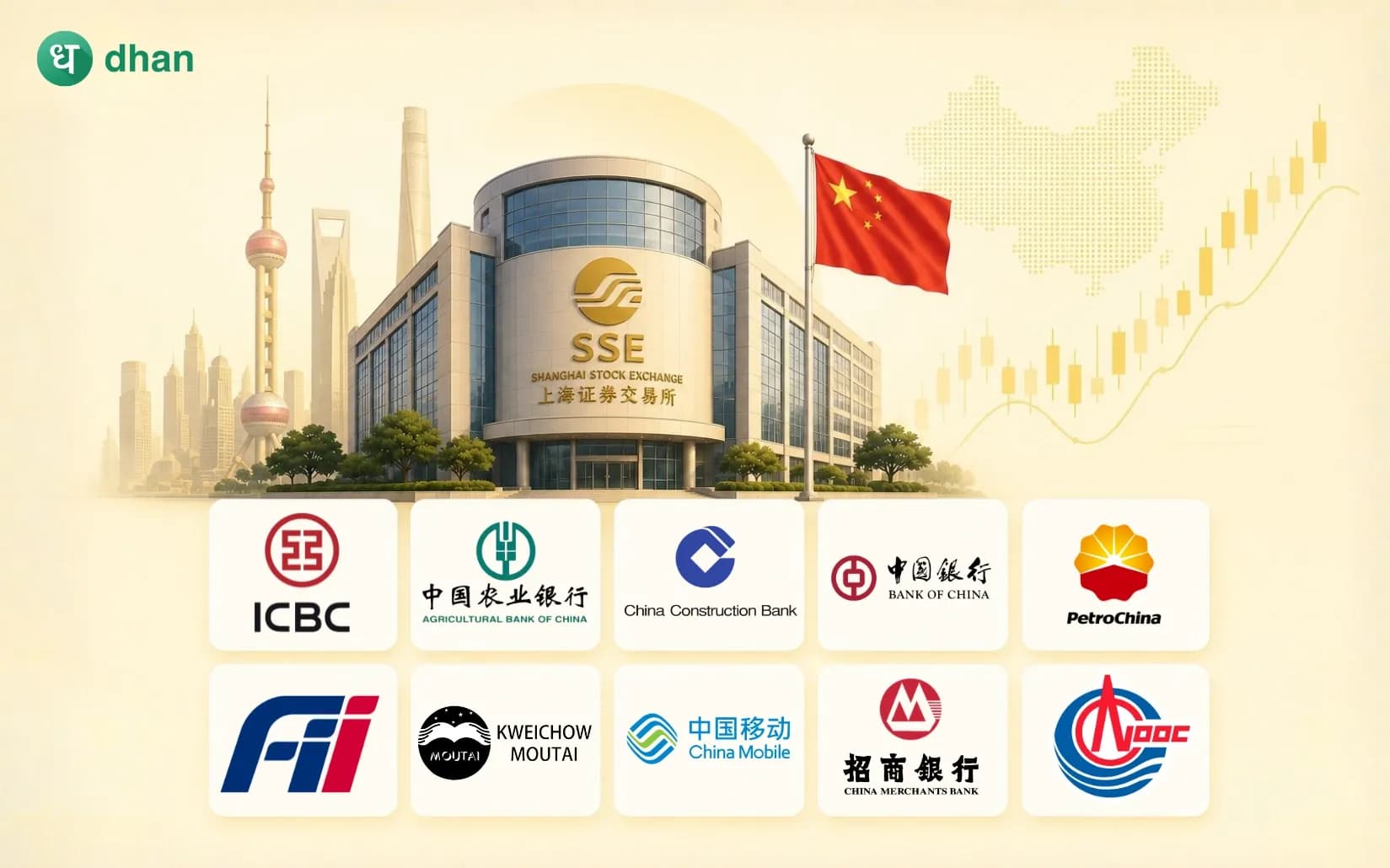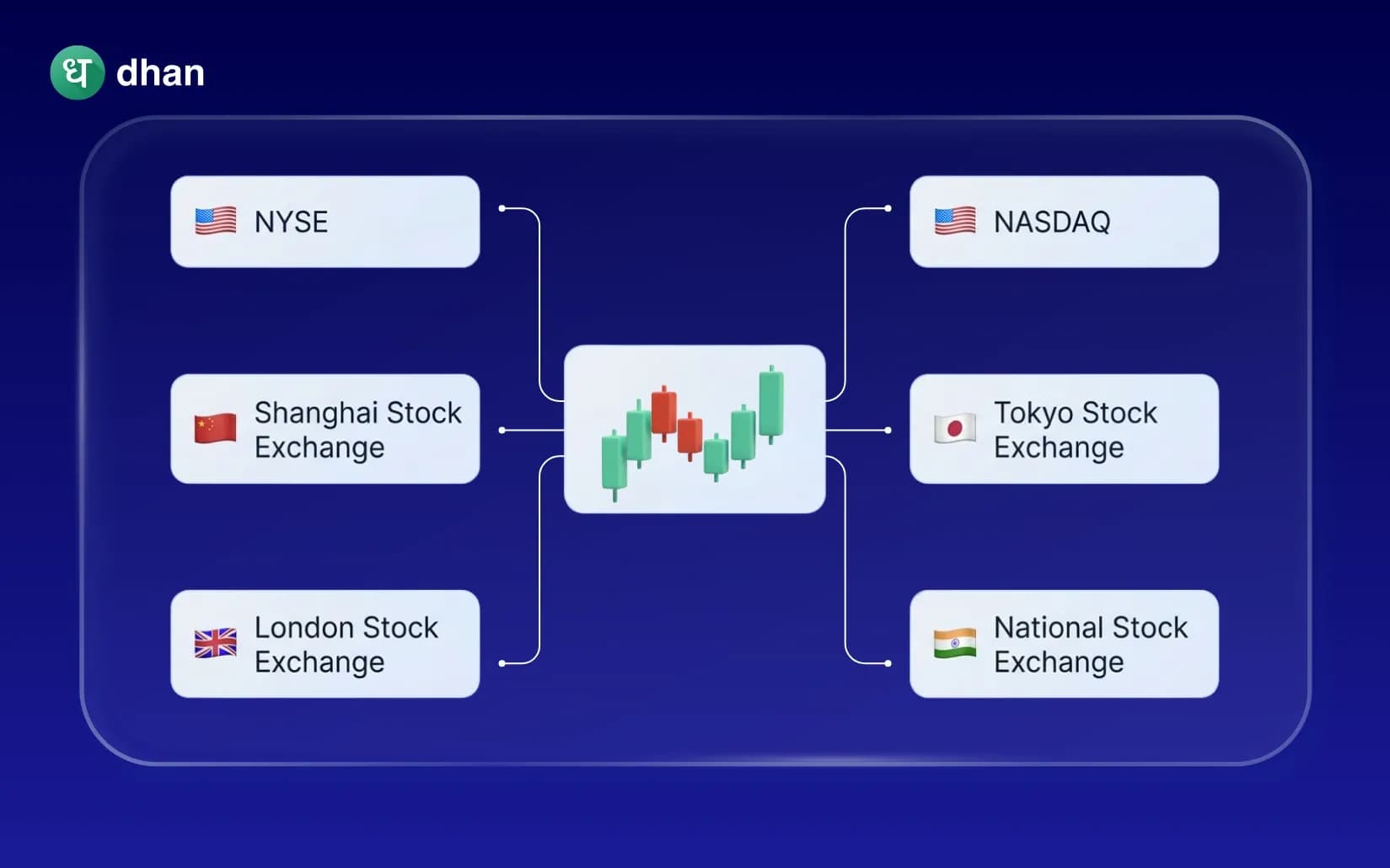

10 Largest Stock Exchanges in the World by Market Cap (as of June 2026)
The United States maintains its dominance through the NYSE and Nasdaq, but Asia has gained strength, with China, Japan, Hong Kong, and India being major players in international equity markets.
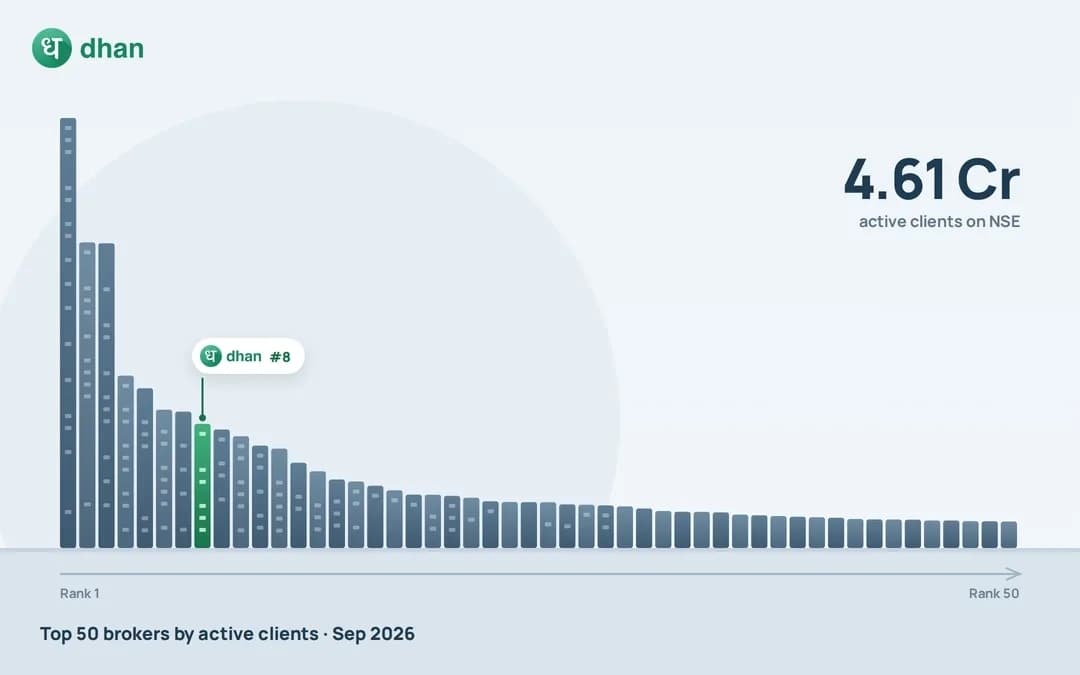
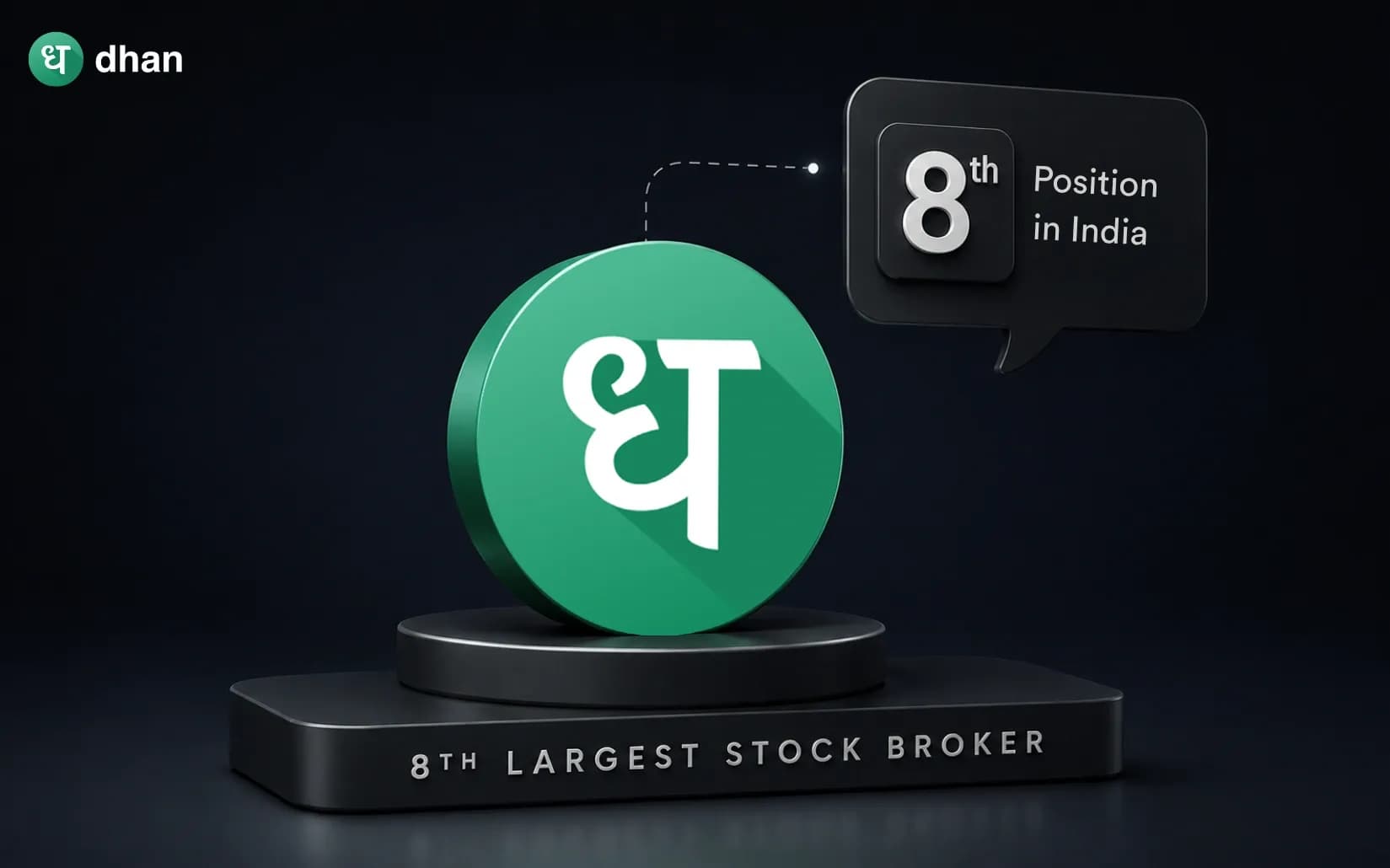
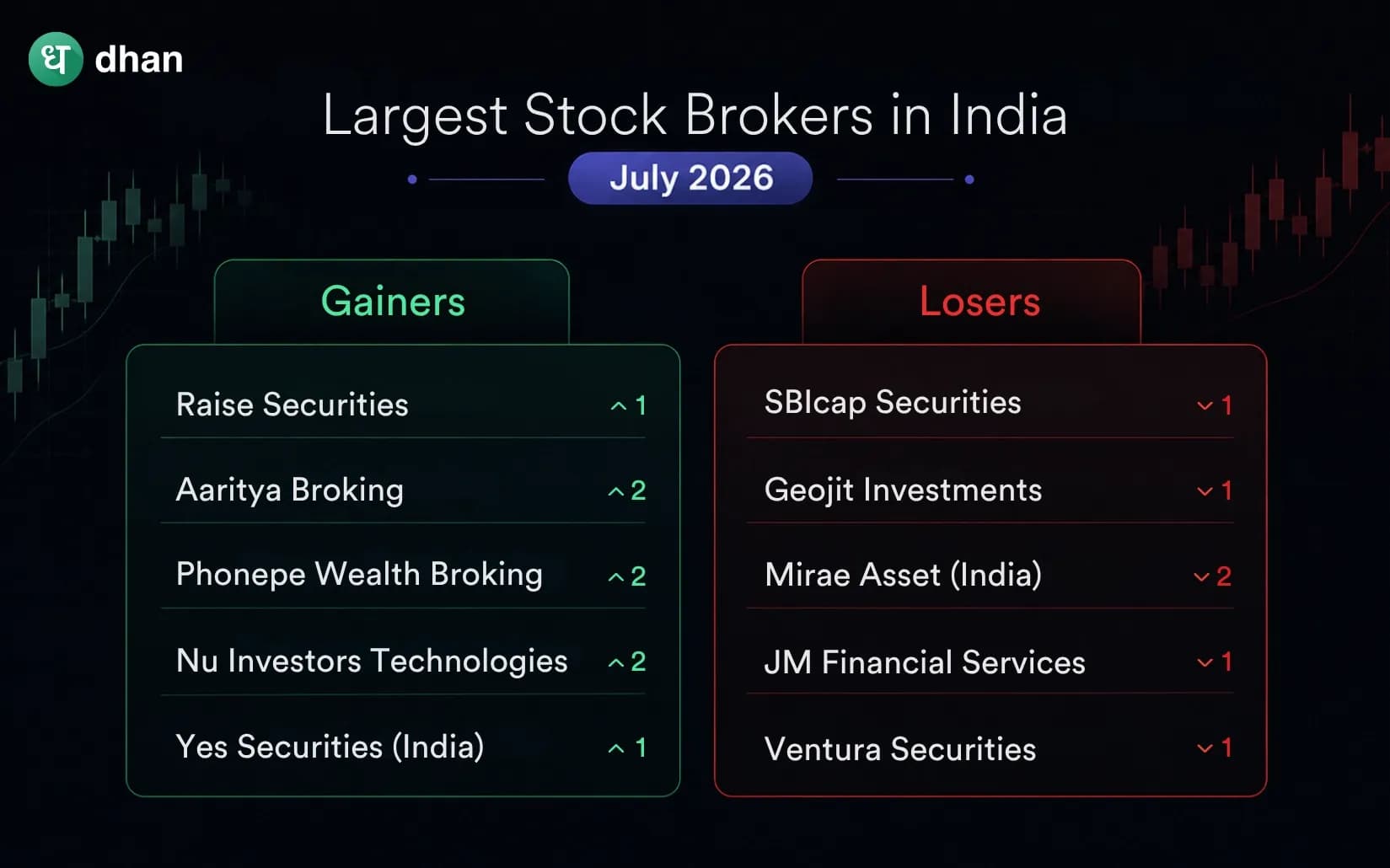
Top 50 Largest Stock Brokers in India (as of May 2026)
The Indian stock broking market continues to remain highly competitive. As of May 30, 2026, the top 50 stock brokers in India together accounted for 4,33,50,961 active clients.
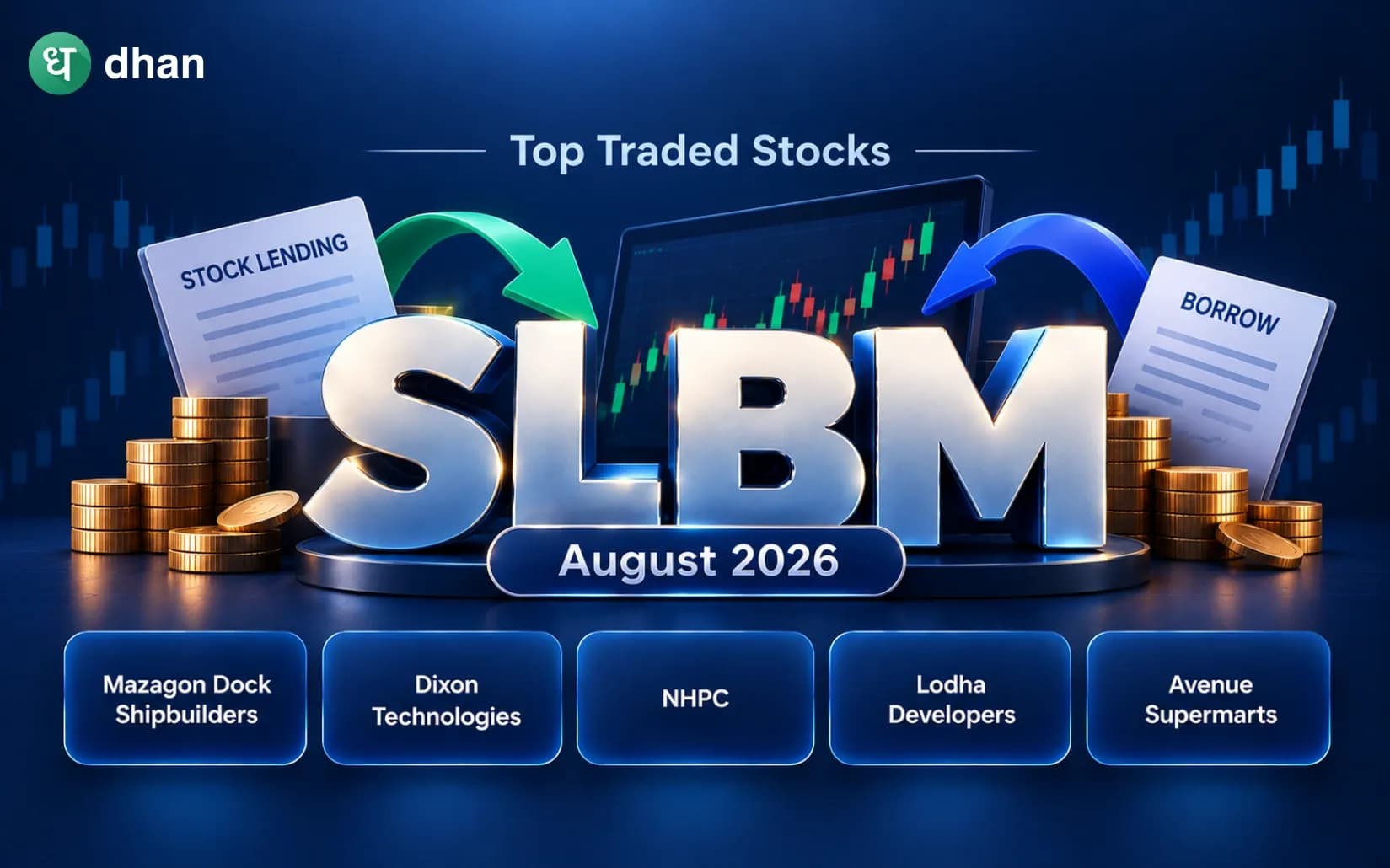
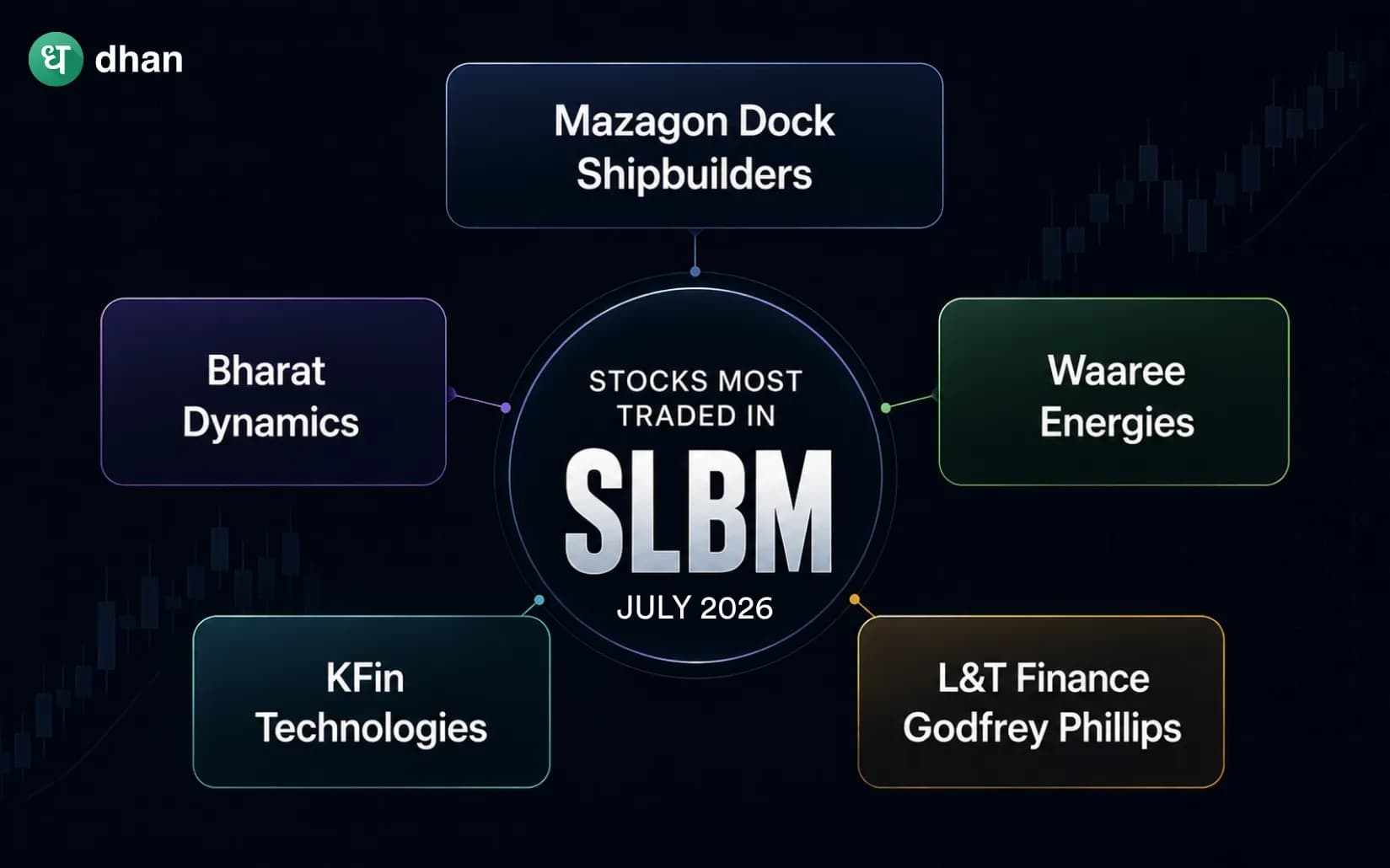
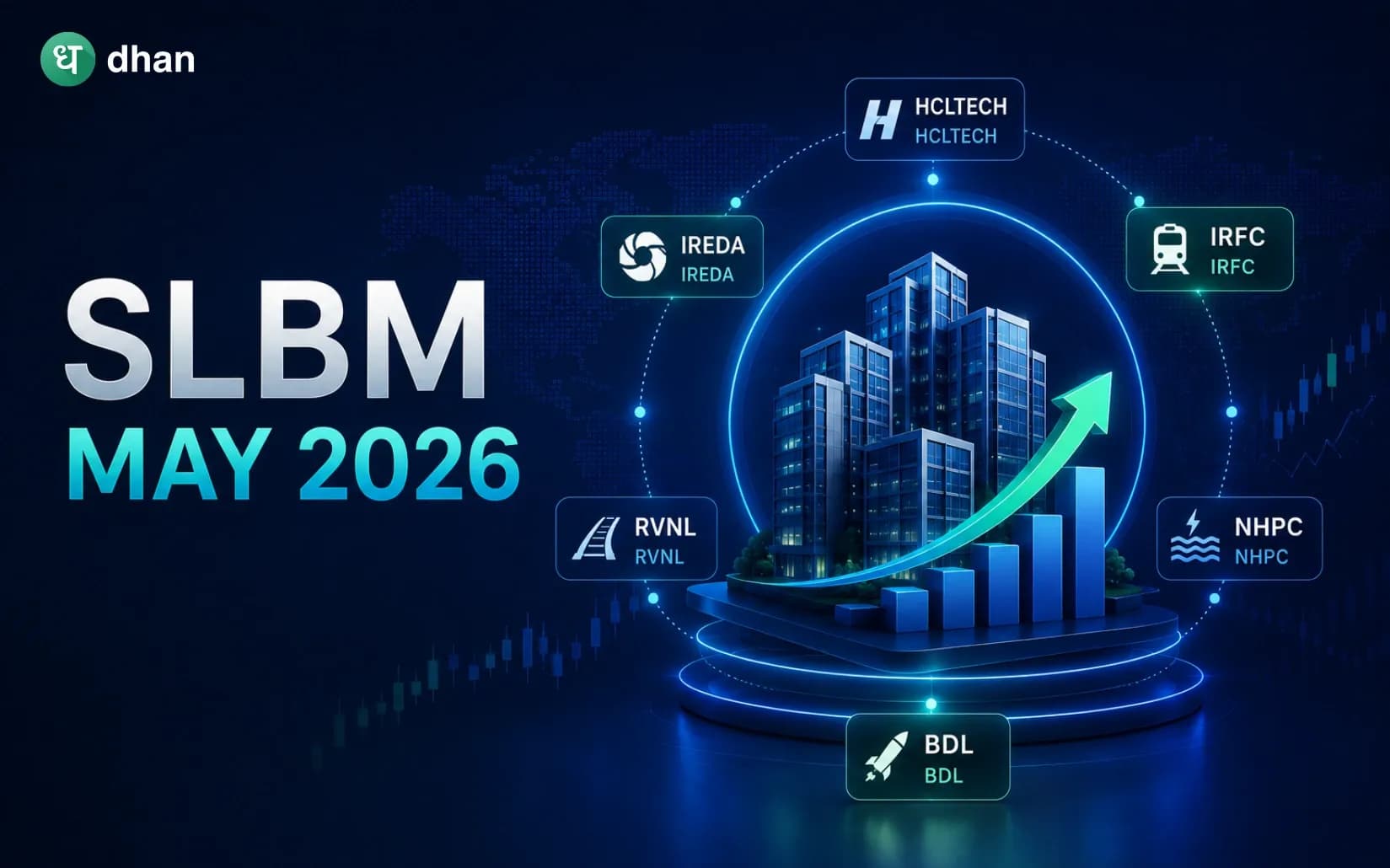
SLBM market insights: May 2026 rental trends, top stocks & yield opportunities
The Securities Lending and Borrowing Mechanism (SLBM) is an exciting avenue for rental income for long-term investors from their idle holdings and for short-term positioning for borrowers to benefit from market fluctuations.
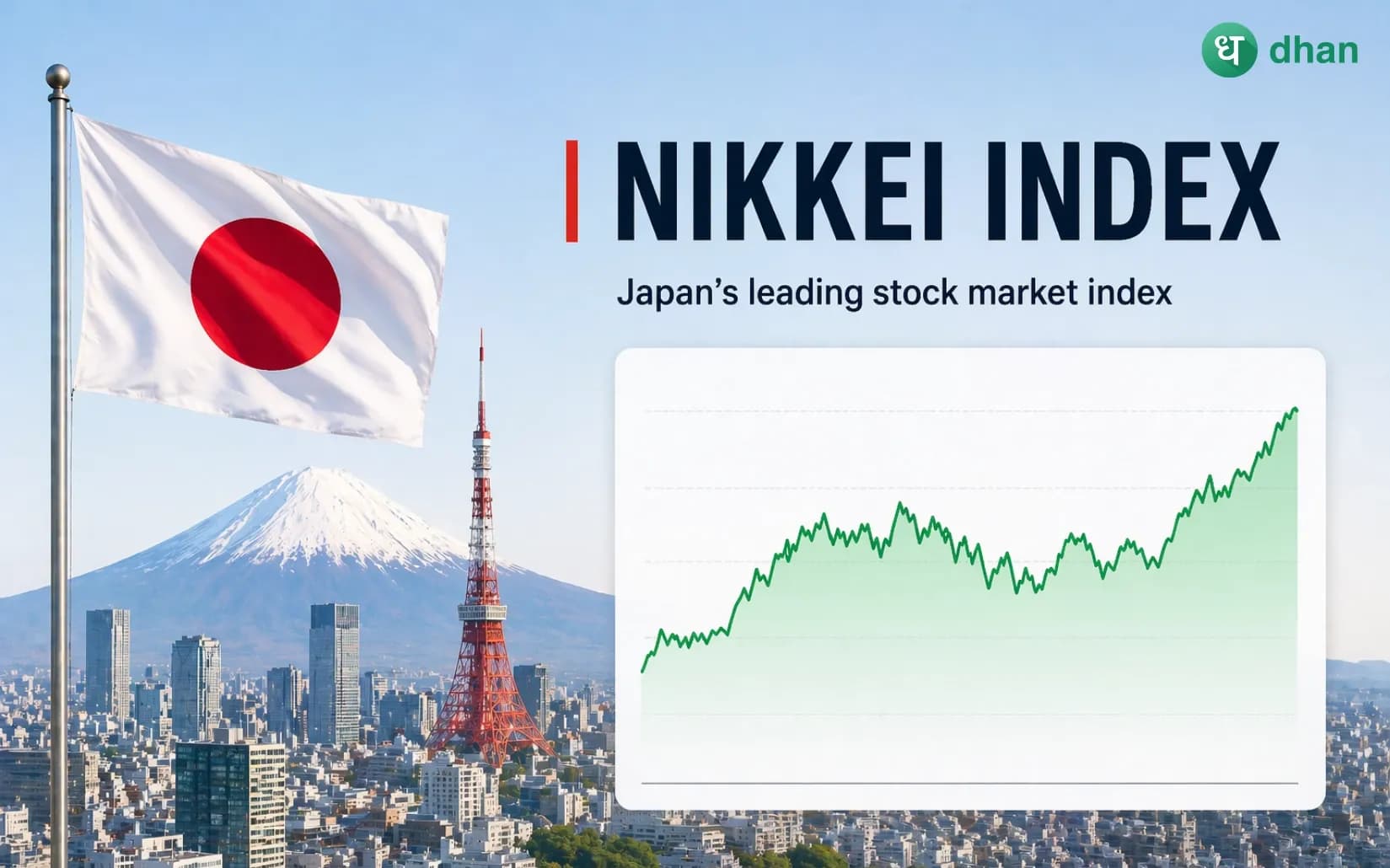
When Asian markets move overnight, the Nikkei 225 is usually the first signal traders check. Here's what it tracks, how it works, and why it matters beyond Japan's borders.
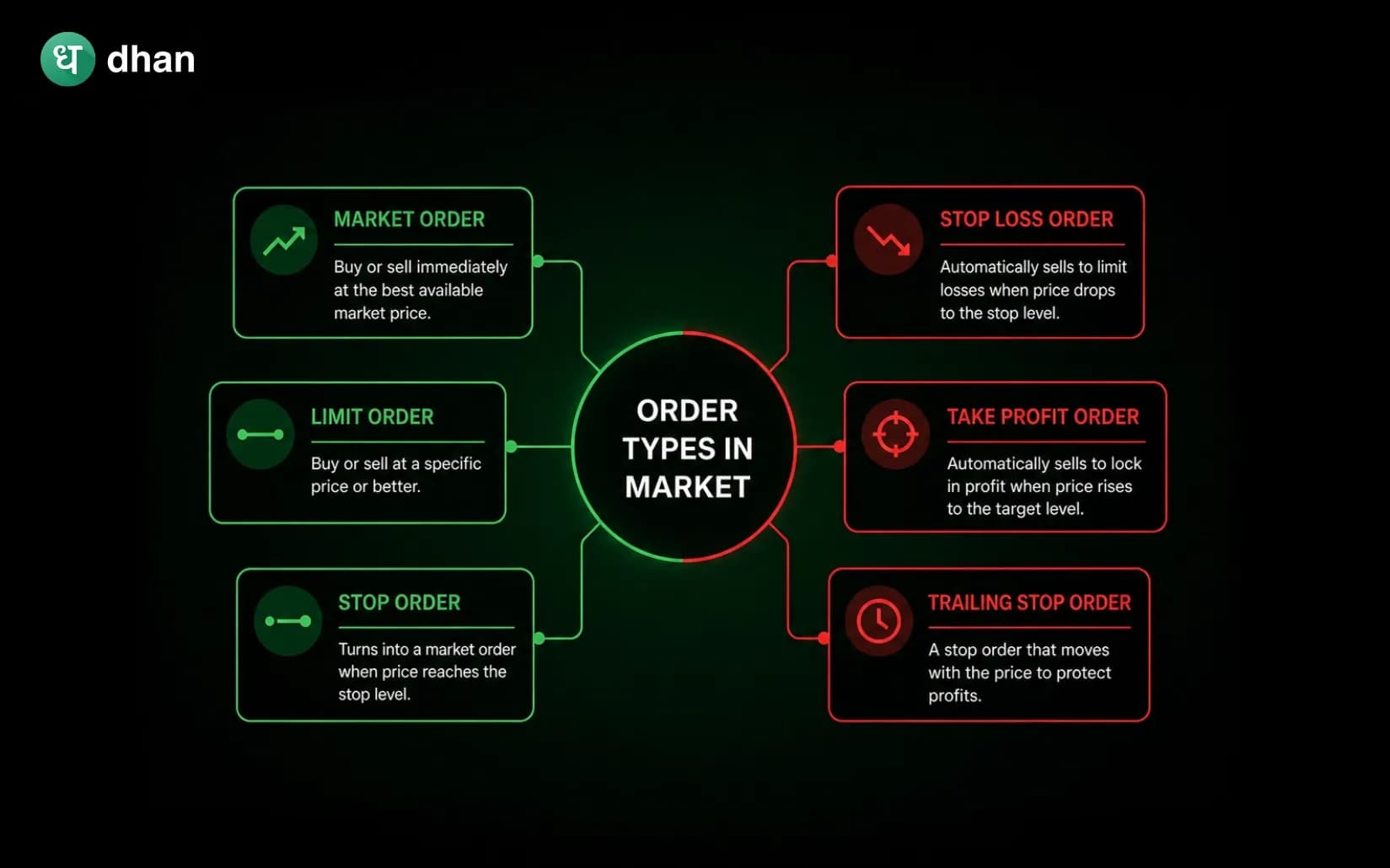
Two traders buy the same stock at the same time and get different prices. The difference is the order type. Here's how each one works and when to use it.
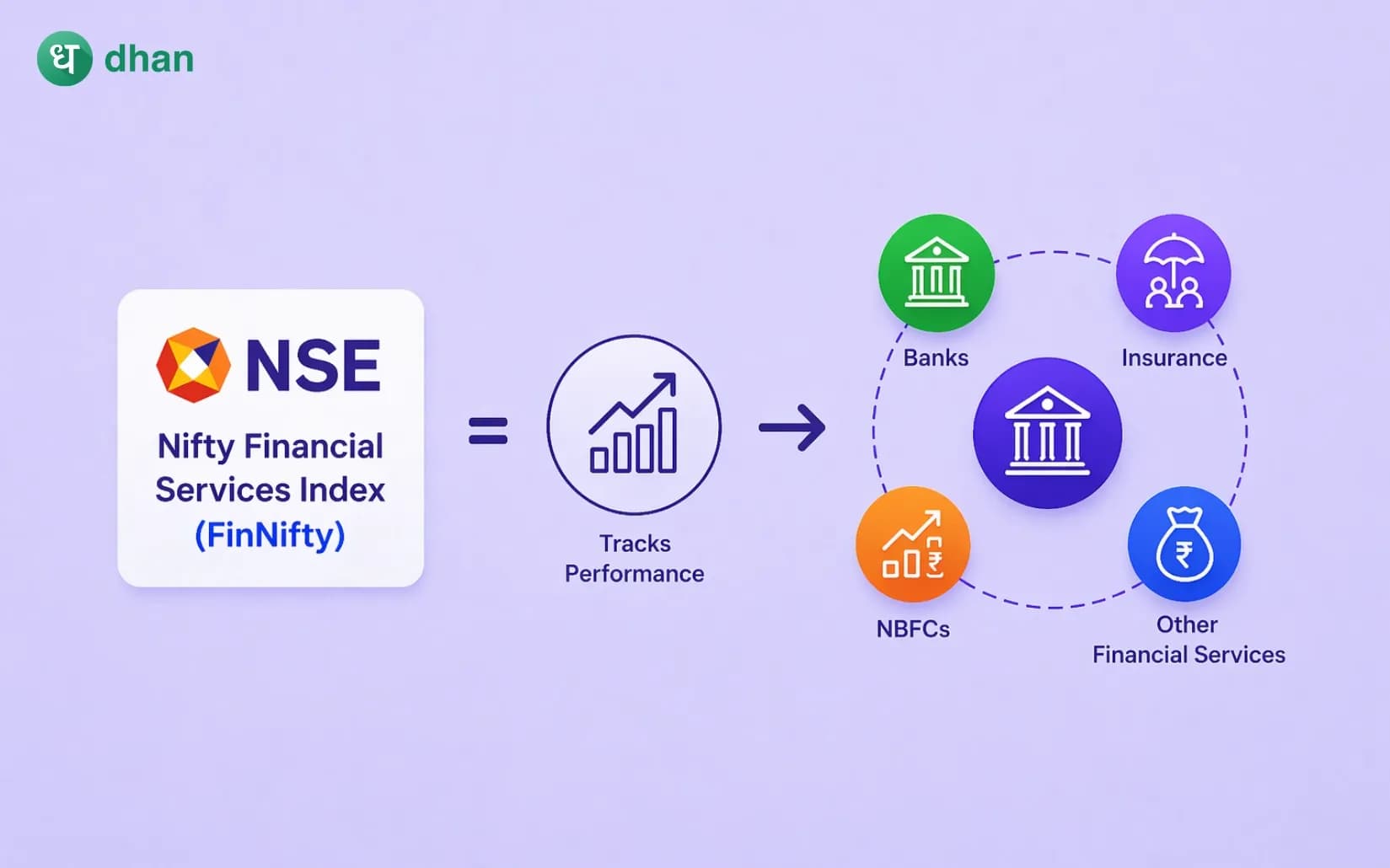
Bank Nifty tracks banks. Finnifty tracks the entire financial services sector banks, NBFCs, insurance, and more. Here's what it is and why traders watch it closely.
Closing Bell 25th May: Nifty 50 up by 1.32% and Sensex by 1.42%
Nifty 50 and Sensex closed in the green on 25th May, buoyed by US-India trade deal optimism, easing crude oil prices, and a firmer rupee. Here's a full market wrap with top gainers, losers, and sectoral moves.
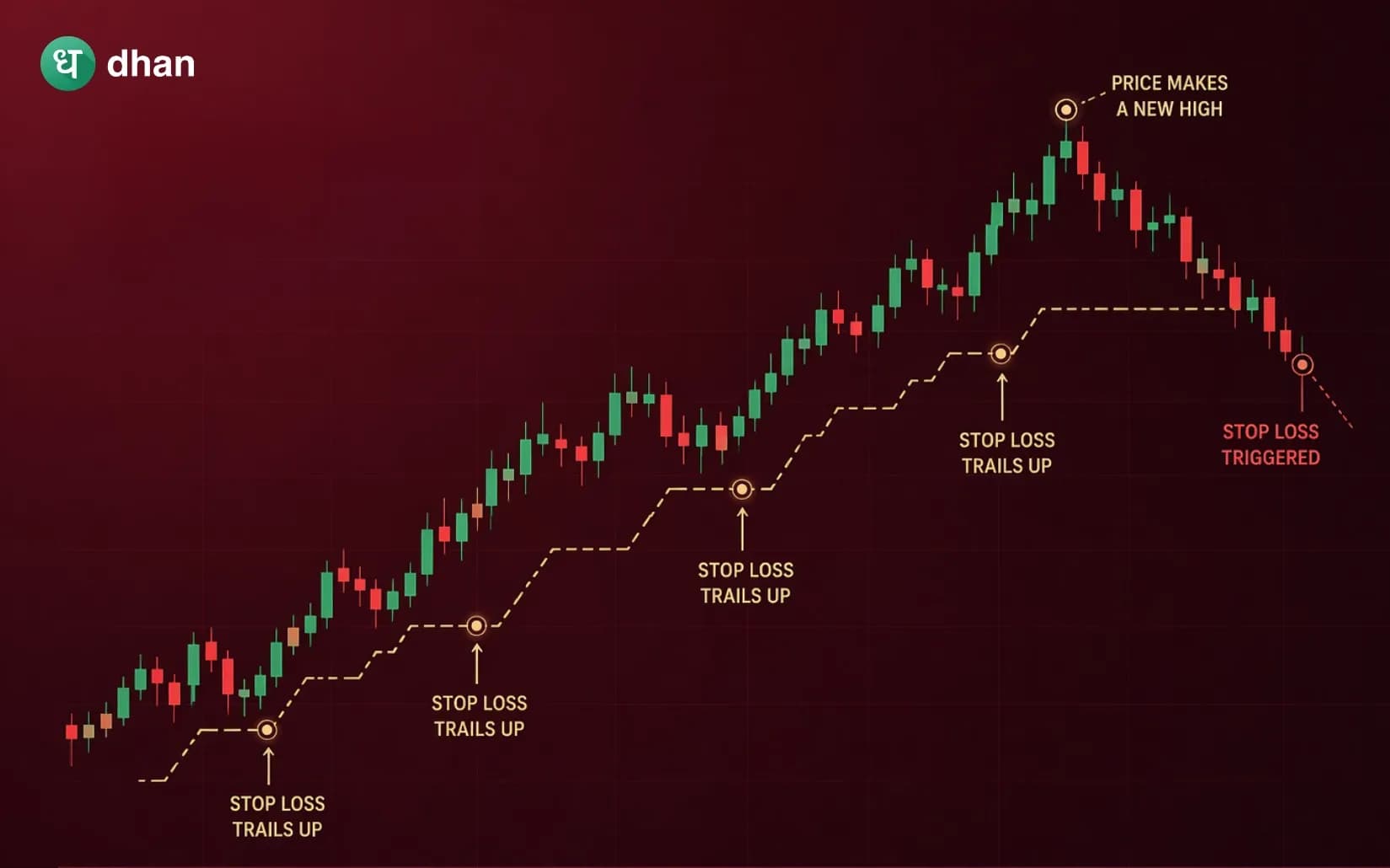
A fixed stop loss protects you from losses. A trailing stop loss protects your profits too automatically moving up as prices rise so you never give back what you've earned.
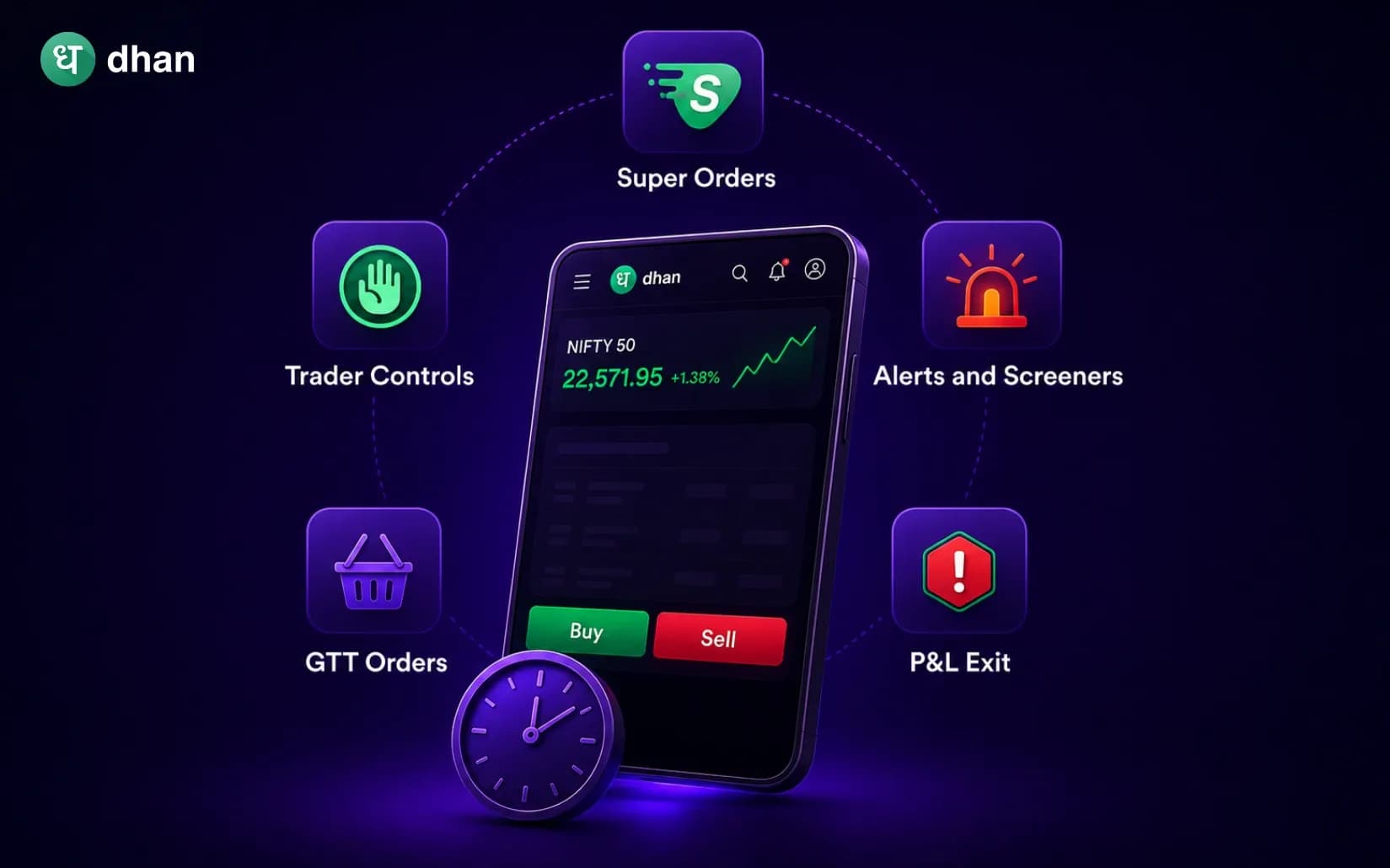
Top 5 features on Dhan built for part-time trading
You don't need to watch the market all day to trade it well. These 5 Dhan features are built specifically for traders who have a job, a business, or a life outside the screen.
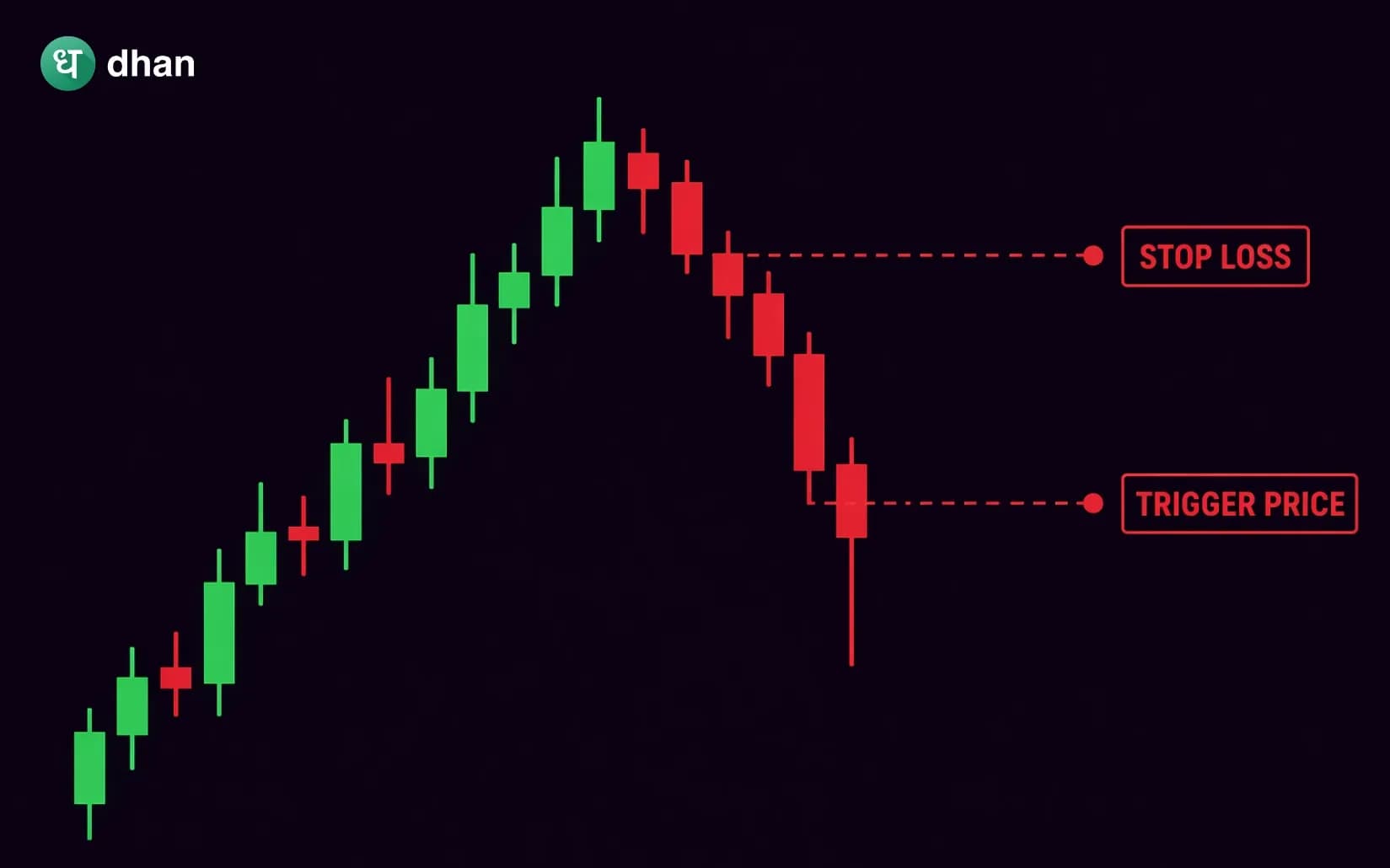
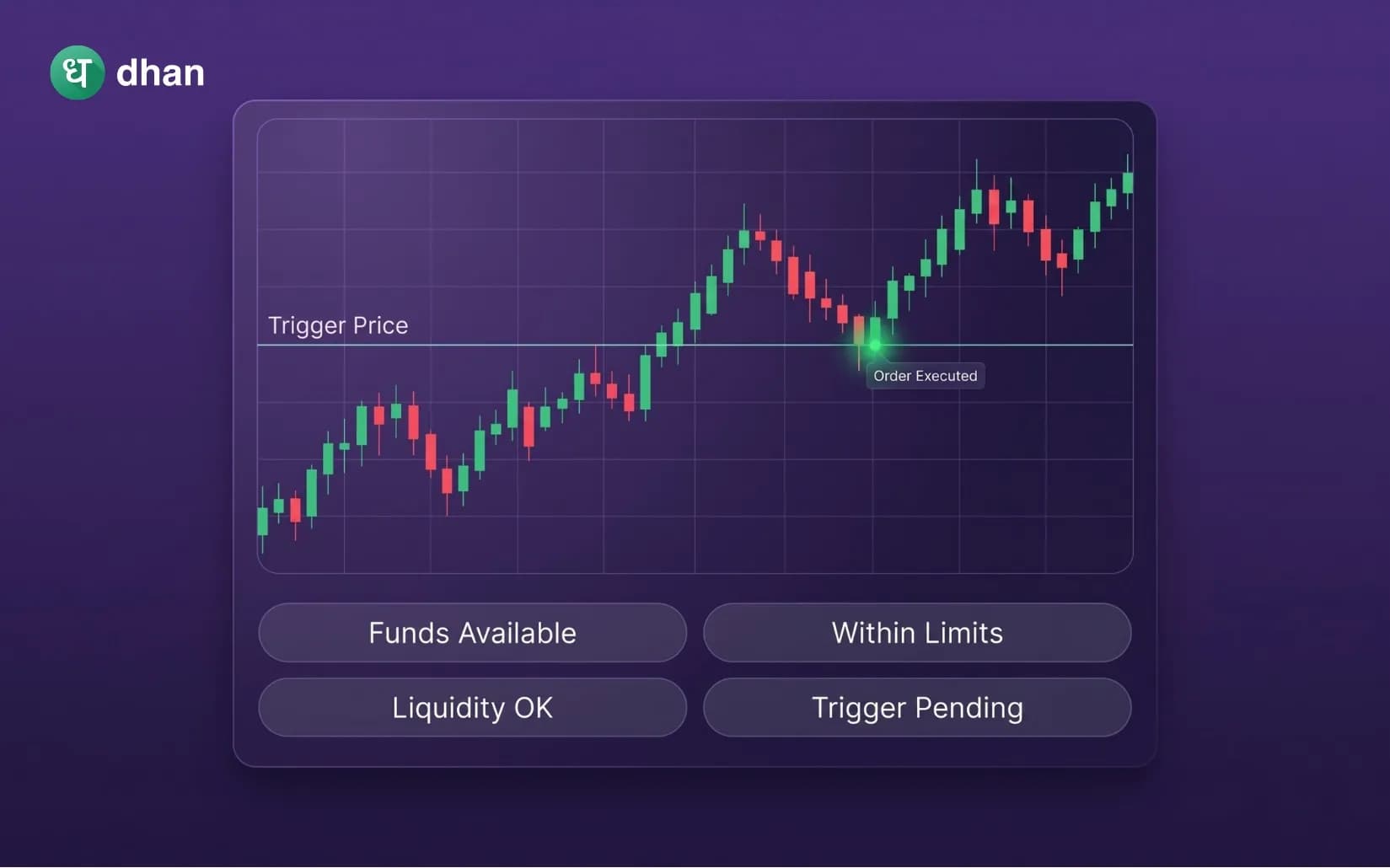
A stop loss without the right trigger price is just false protection. Here's how trigger prices actually work and how to place them so they do their job when it matters most.
How Dhan ensures reliability with its powerful product & tech capabilities
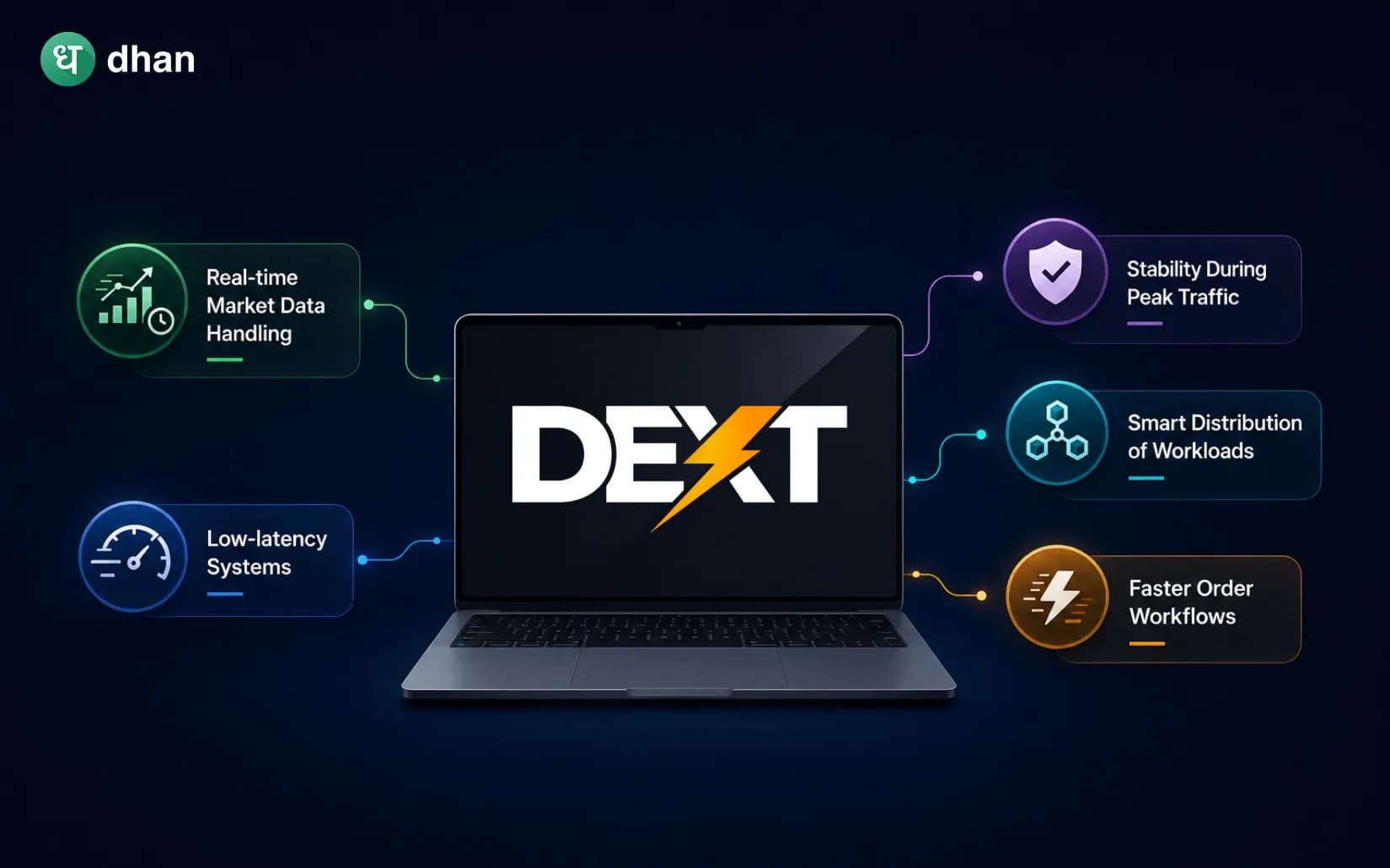
Most platforms work fine when markets are calm. The real test is expiry day, RBI policy, or a sudden 5% move. Here's how Dhan's infrastructure is built for exactly those moments.
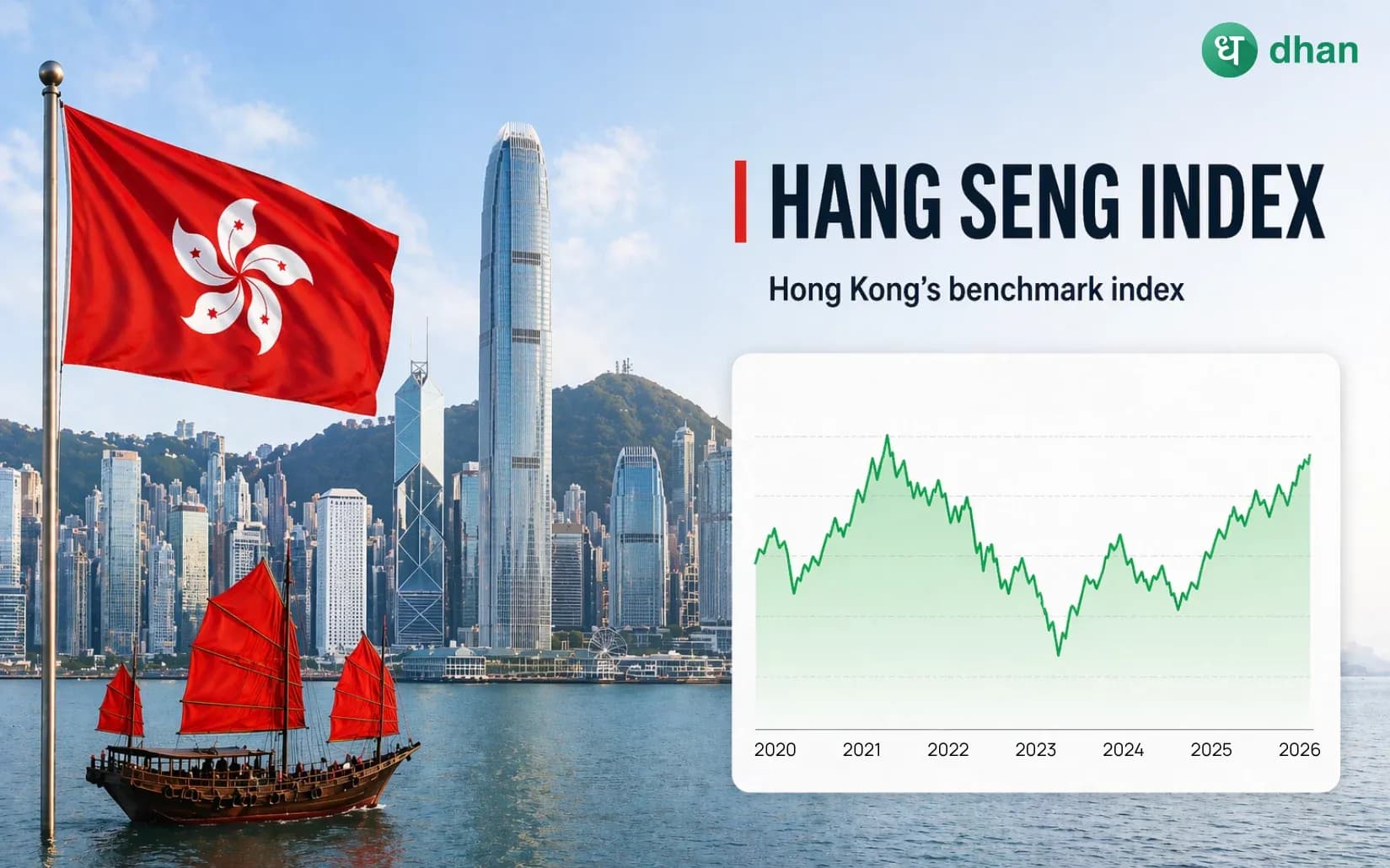
The Hang Seng Index isn't just Hong Kong's benchmark it's one of the most important windows into China's economy and Asian market sentiment. Here's what Indian investors need to know.
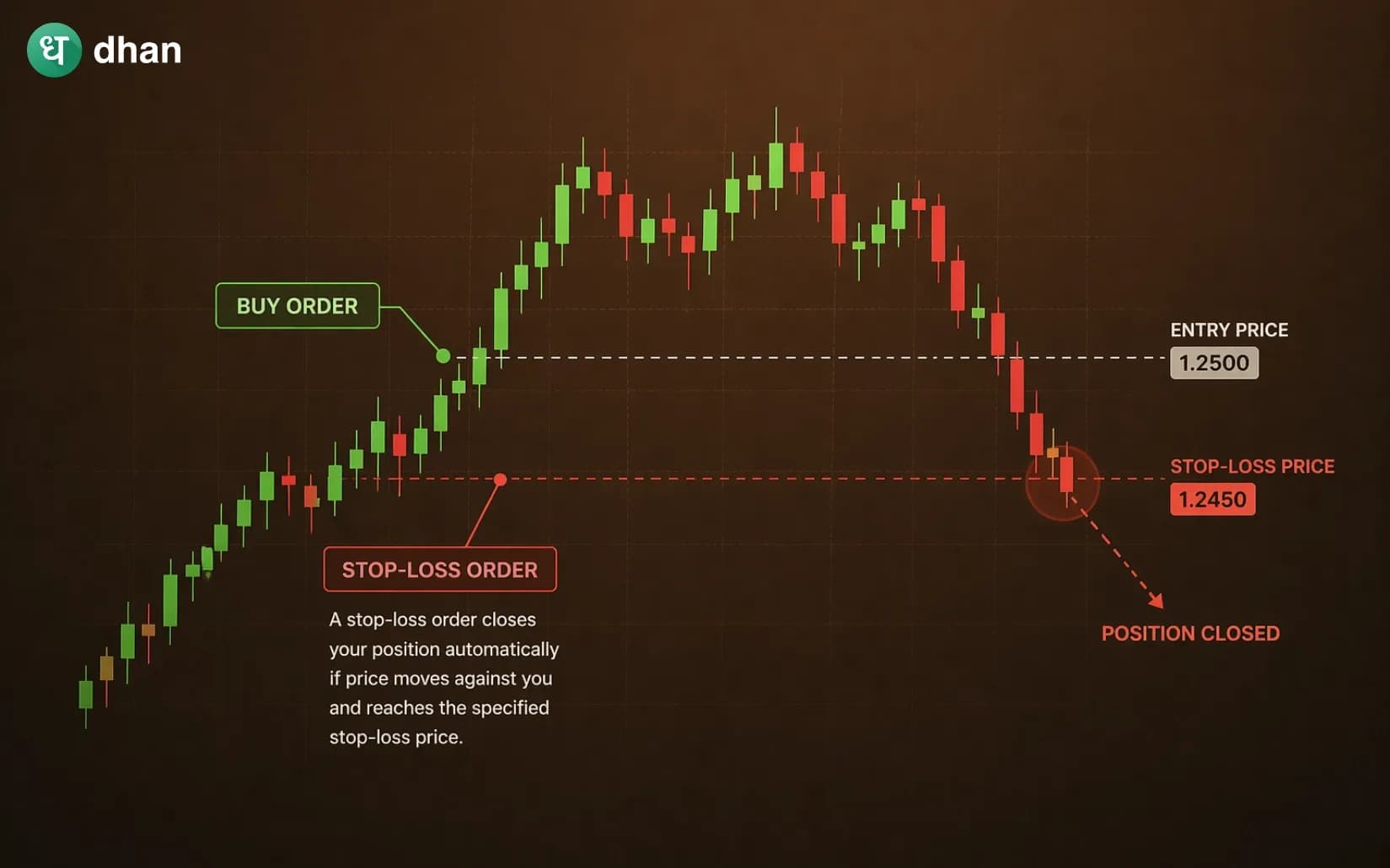
Most traders focus on finding the perfect entry. Experienced traders know the exit matters more. Here's everything you need to know about stop-loss orders.

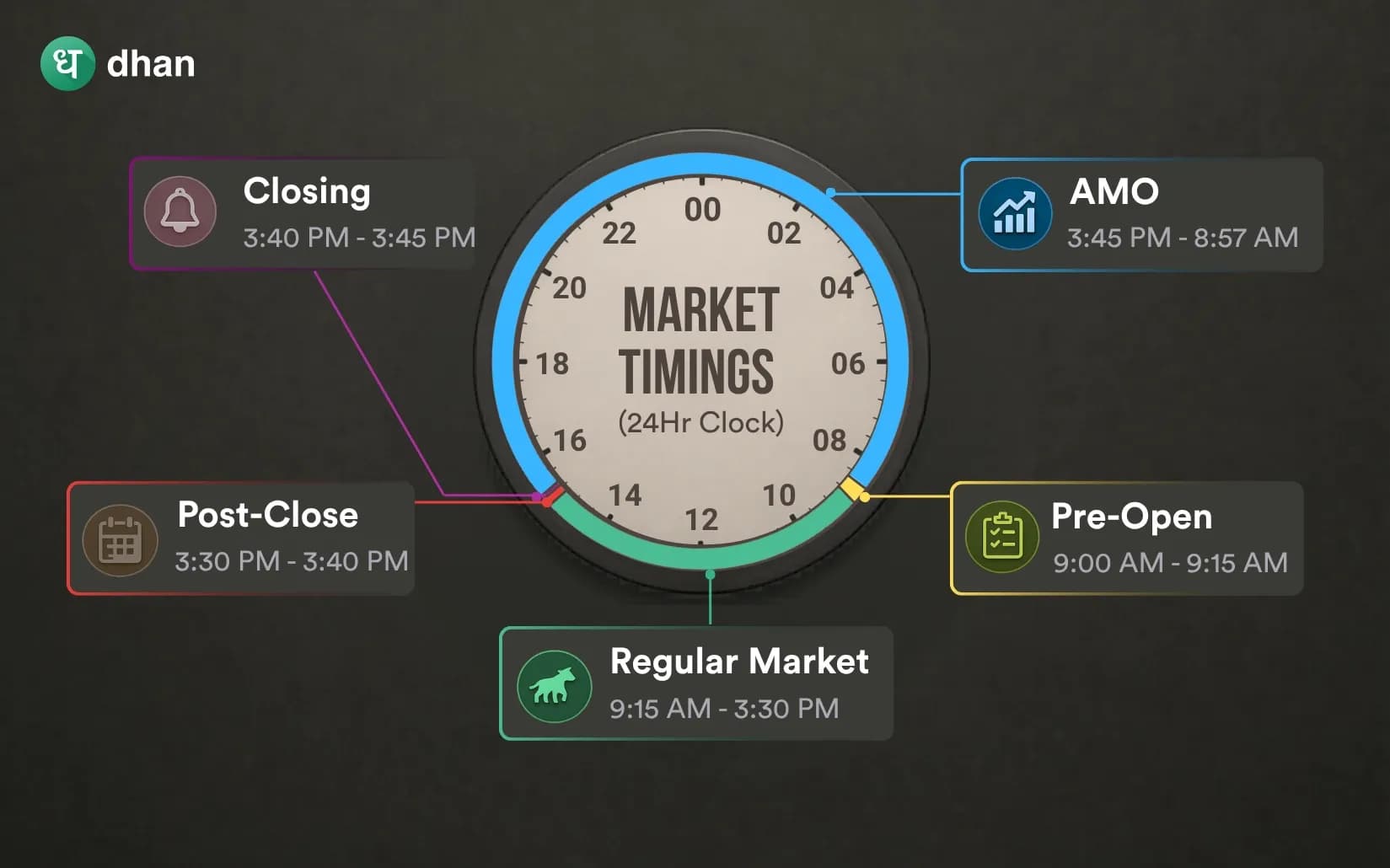
Understand what an after market order is, how it works once markets reopen, why traders use it, its different types, benefits, risks, and key things to know before placing one.
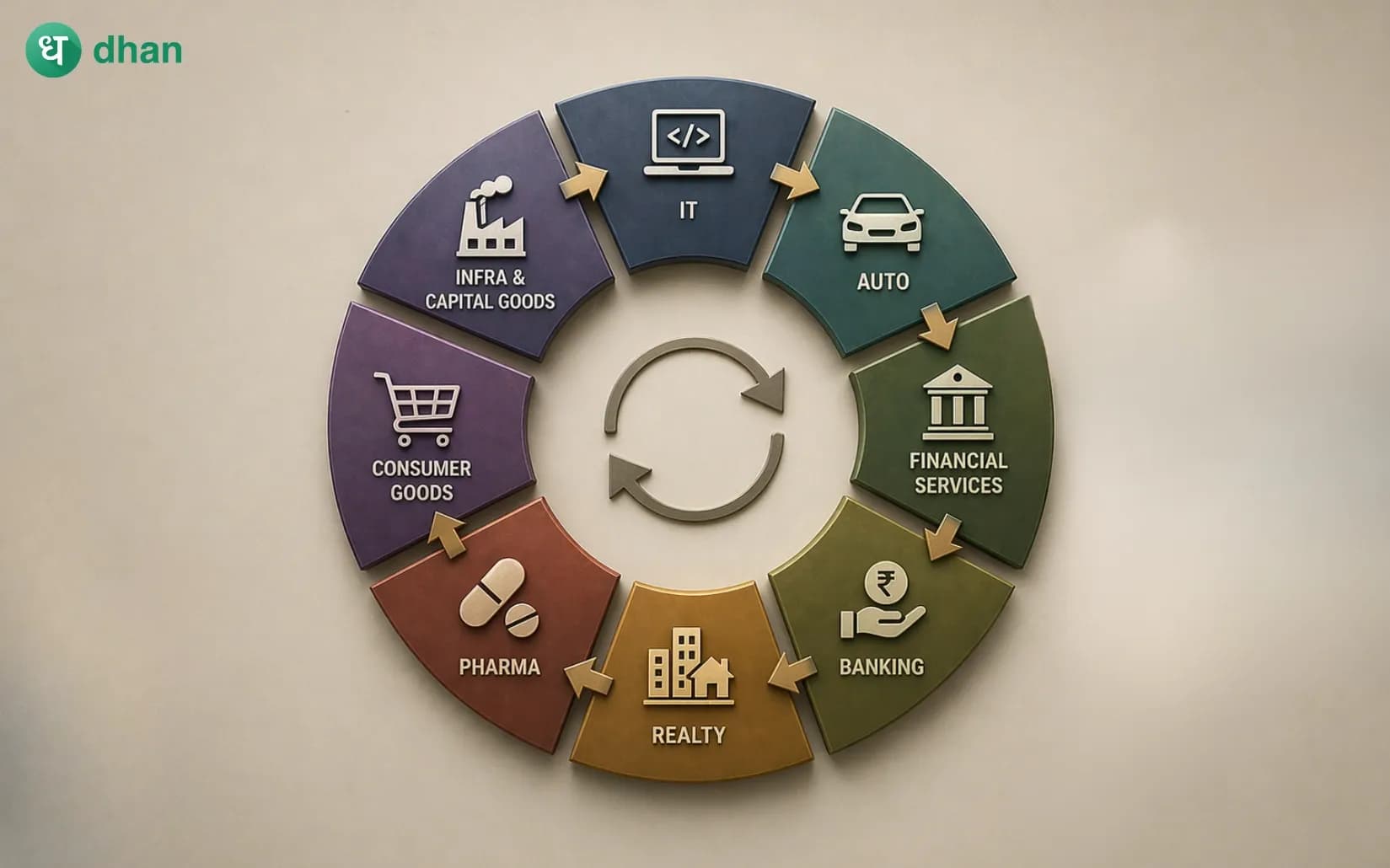
A sector rotation strategy is how smart investors stay ahead of the market by moving capital between sectors based on where the economy is headed, not where it's been.
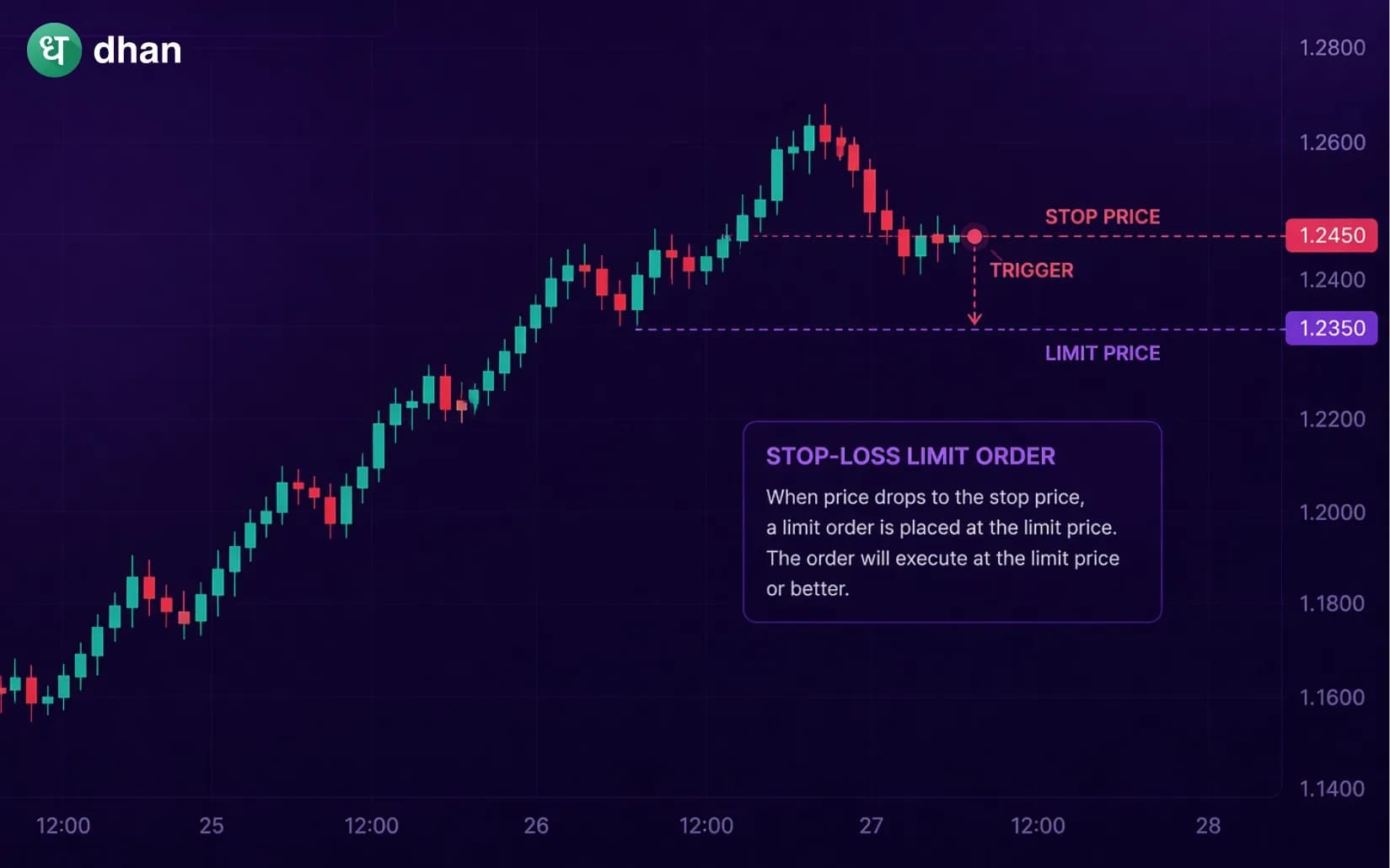
Understand what is a stop-loss limit order, how it actually works, why it can fail, when should you use it and practical tips to consider before using it.
How Dhan Enables Faster Settlement for Active Traders
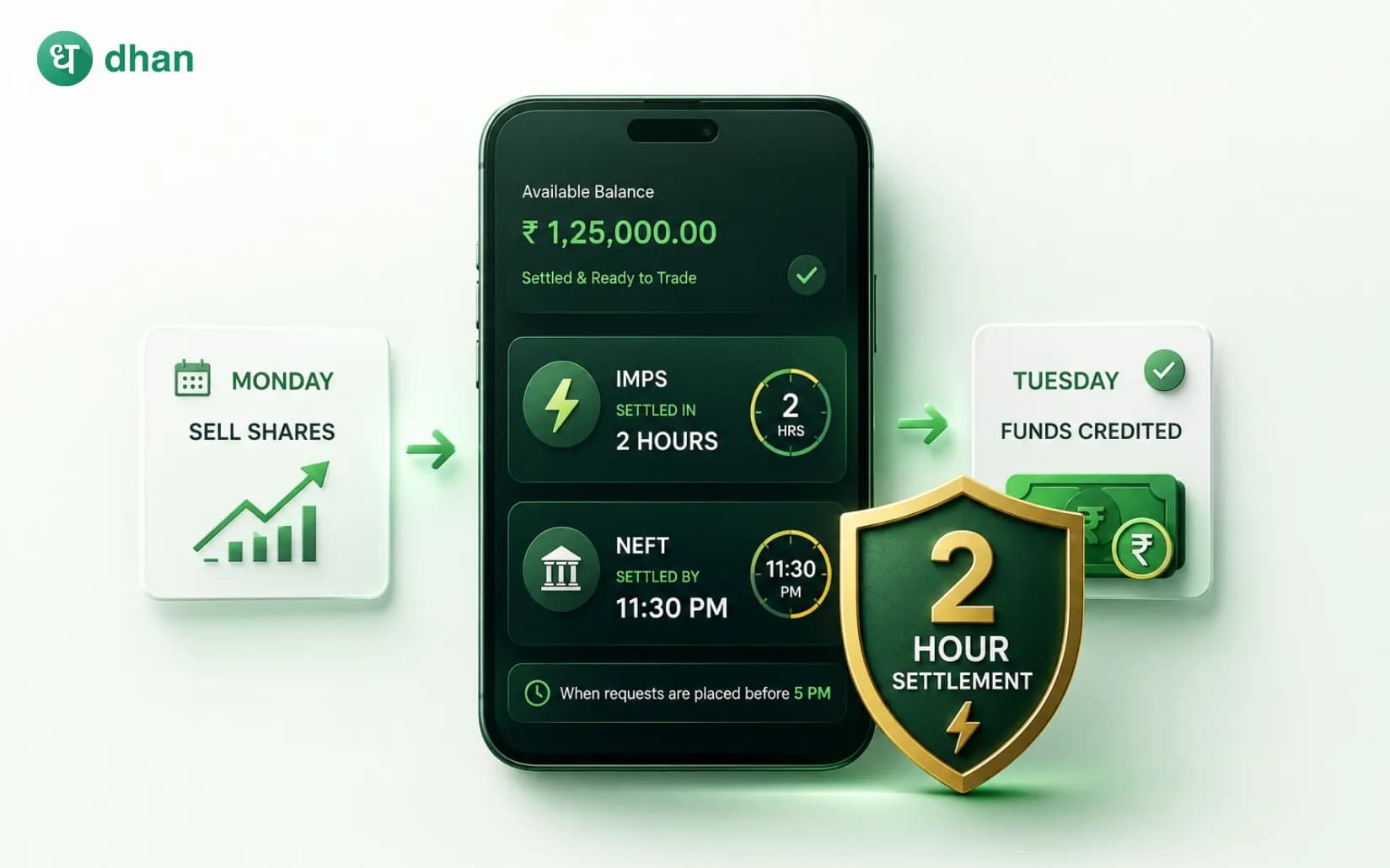
India's stock market has undergone one of its most significant structural upgrades with the shift to a T+1 settlement cycle in recent years, and platforms like Dhan are at the forefront of making sure every trader and investor benefits from it seamlessly.
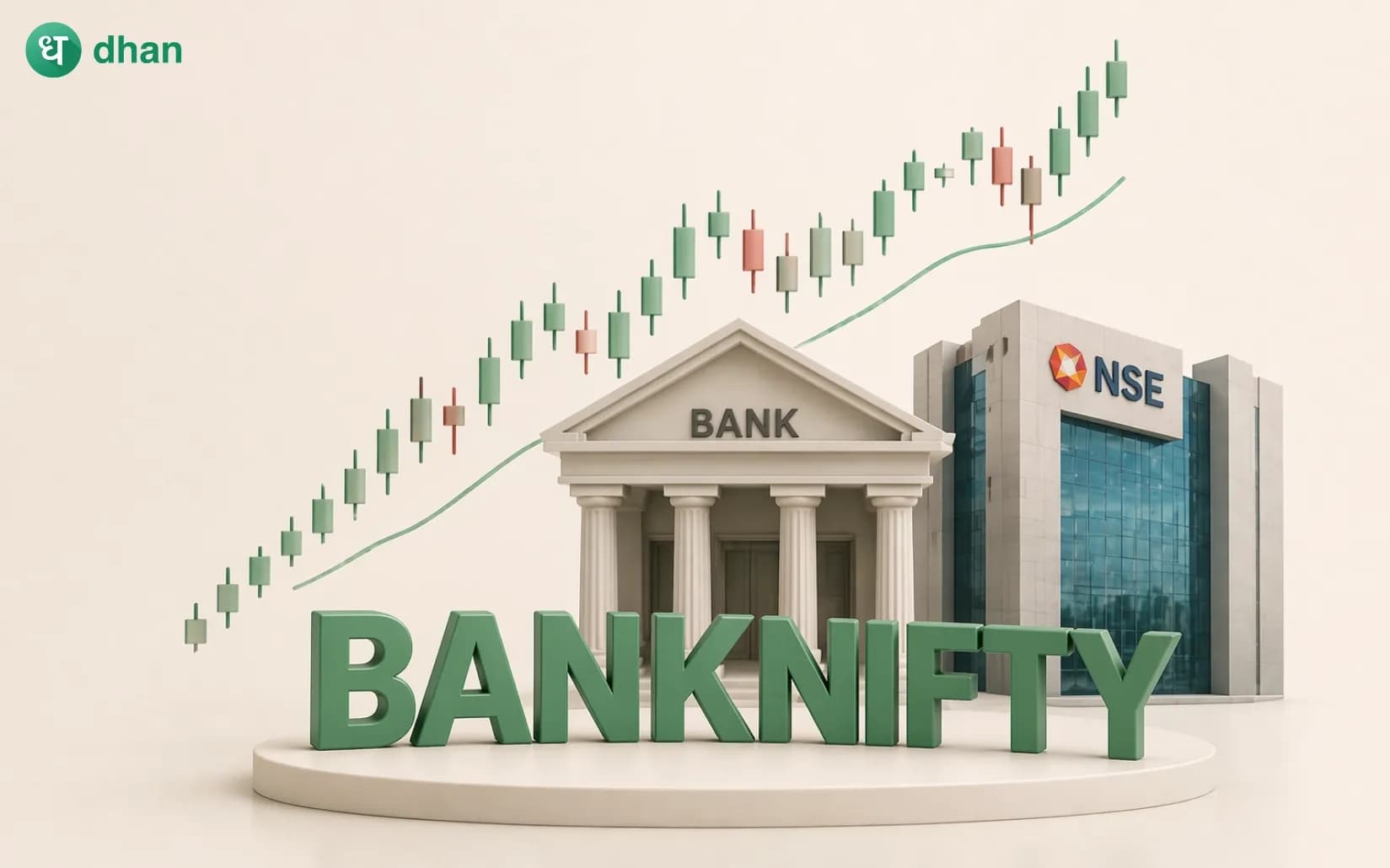
Traders watch Bank Nifty more closely than any other index in India. Here's what it tracks, why it moves so fast, and what you need to know before trading it.

When markets move fast, timing is extremely crucial. Prices keep changing, so you cannot afford to wait long for the order to execute. That’s why traders must understand the concept of IOC in the share market.
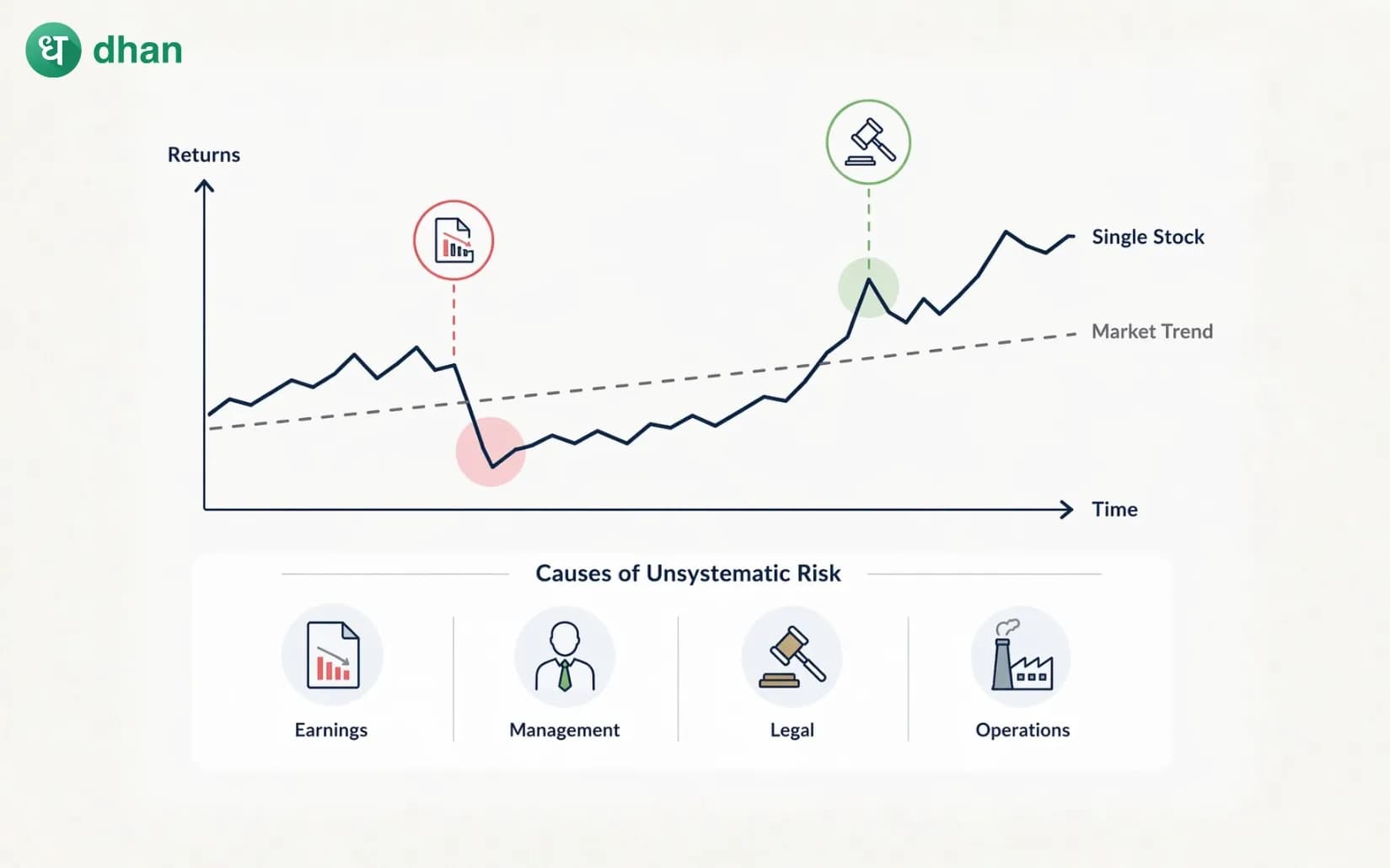
You might have noticed this before while investing. Two companies in the same industry operate under similar market conditions. Yet, one stock shows steady performance, while the other struggles.
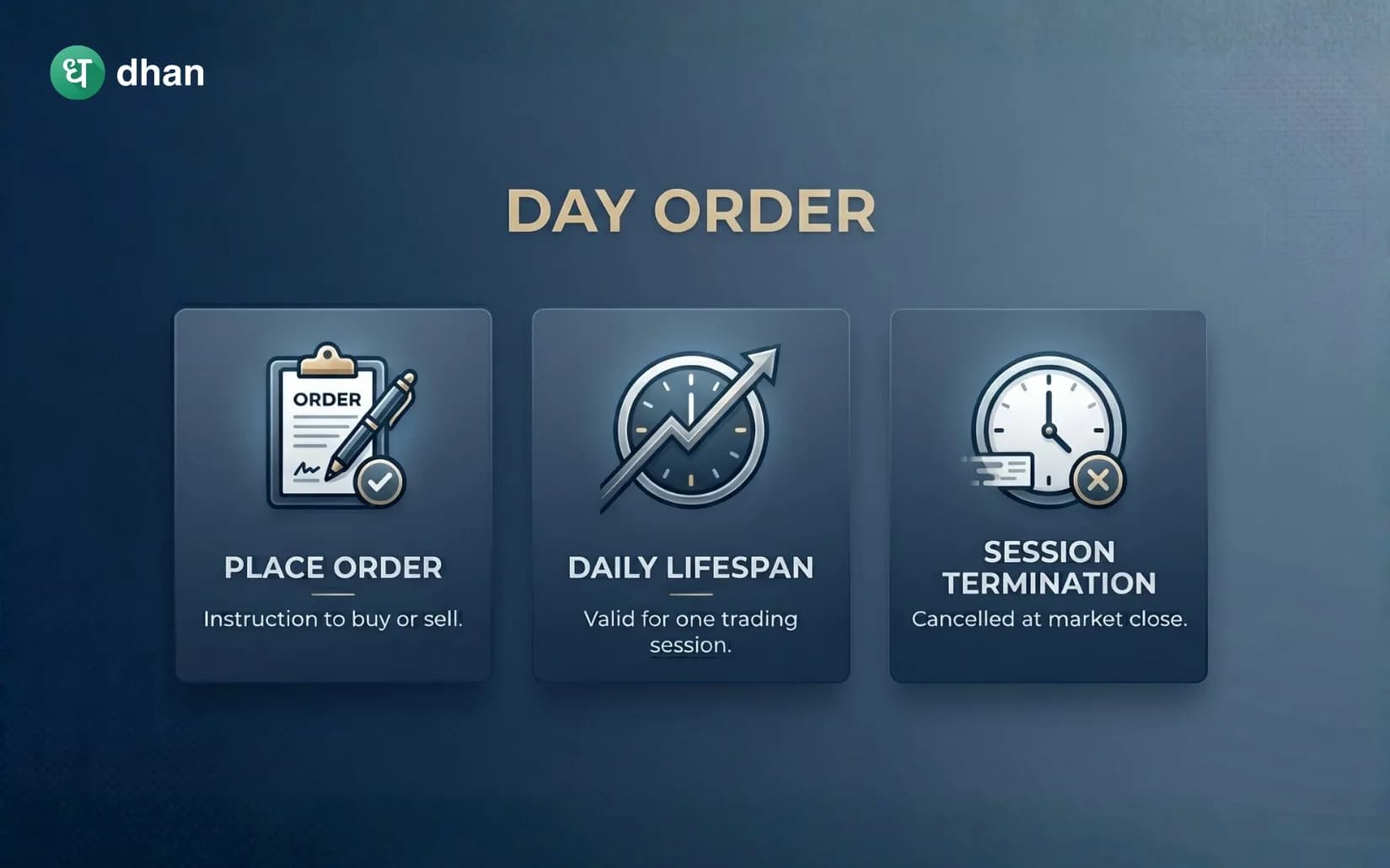
As a trader, this is where you must understand different types of orders. When you’re trading, timing is as crucial as price. The idea of a trade shouldn’t remain valid indefinitely, particularly when markets are moving fast. That’s the concept behind a day order.
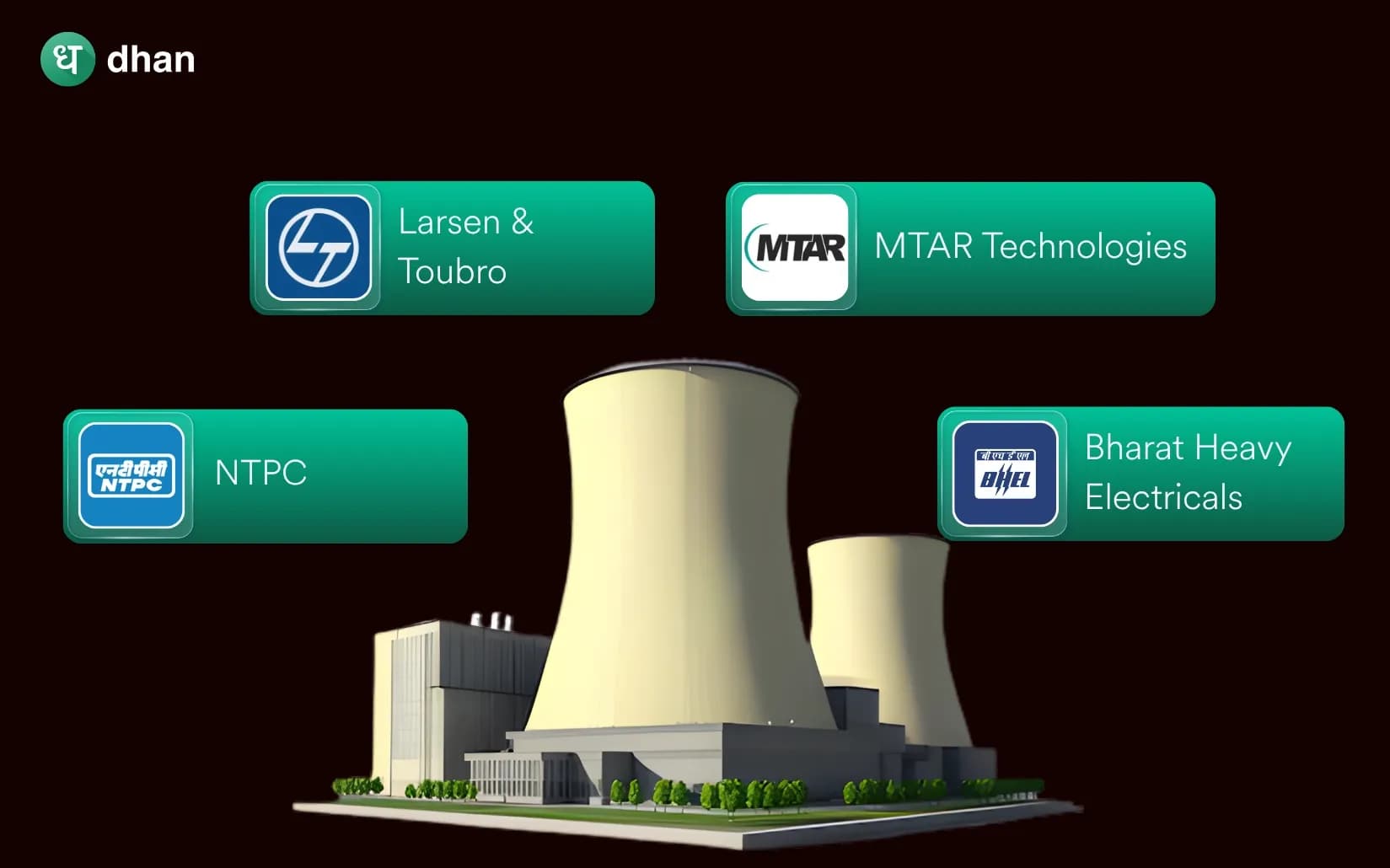
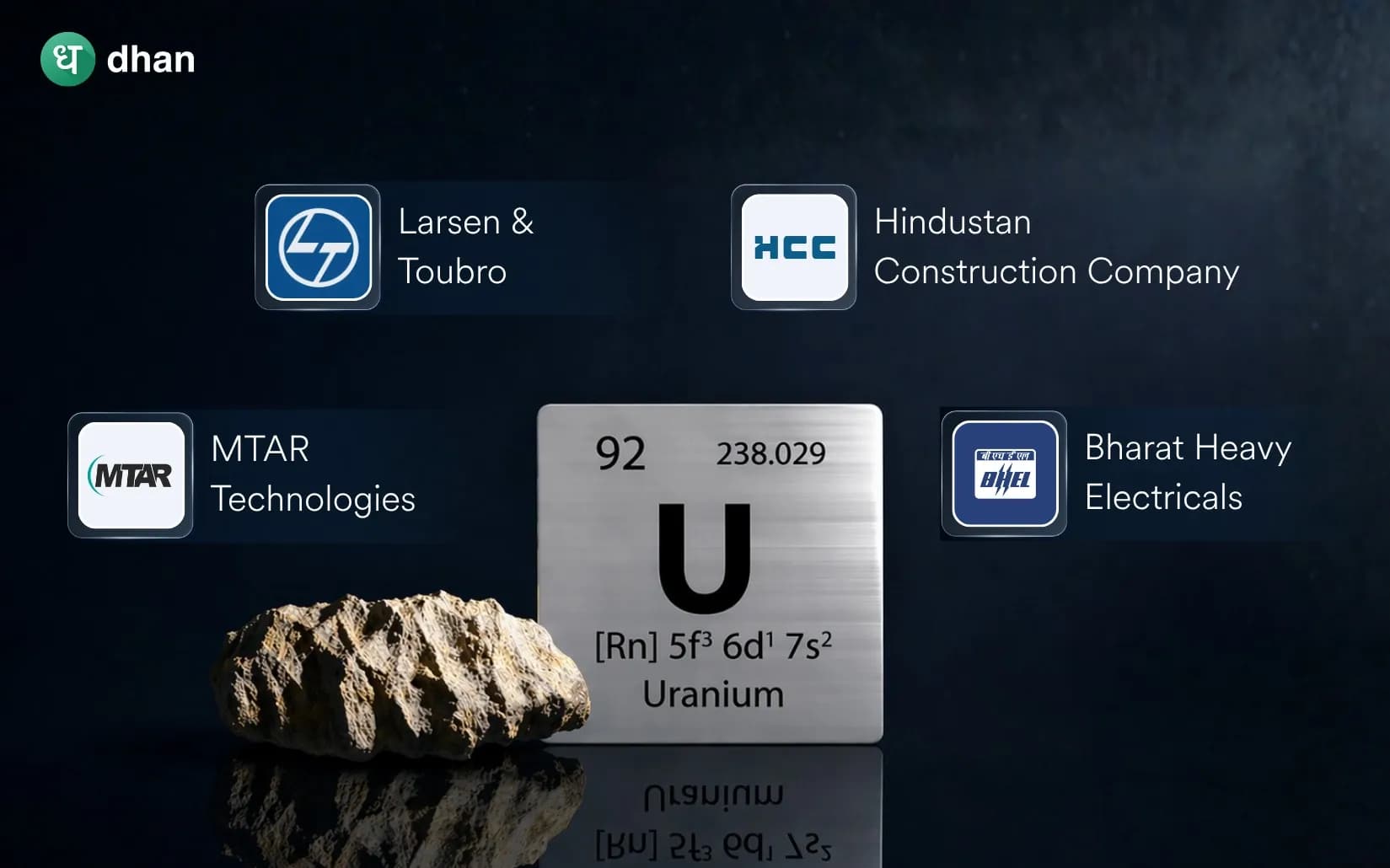
The nuclear power industry in India is in an aggressive growth phase. With the 500 MWe Prototype Fast Breeder Reactor (PFBR) at Kalpakkam achieving criticality on 6 April 2026.
The nuclear-energy ambitions of India are being established upon a base of uranium-based fuels, as the nation is looking forward to its thorium-dominated third-stage program.
If you have been investing in the stock market, have you ever wondered what stock exchanges are? Internationally, the financial system of each country is largely dependent on its stock exchanges. Companies across the world raise capital on these exchanges.
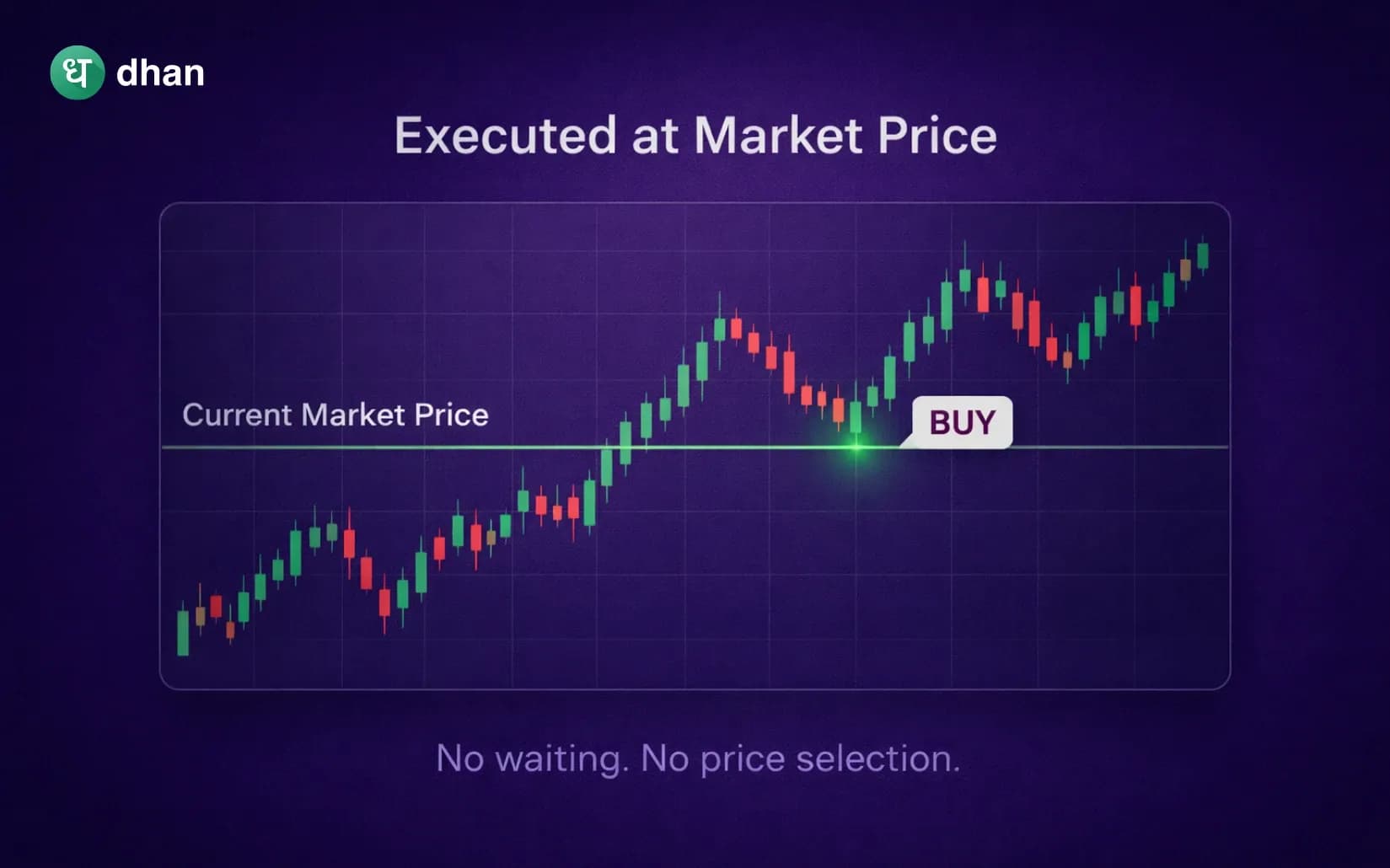
A market order can help you enter or exit a trade instantly as it works on prices in the current market conditions.There are moments in the market when timing matters more than anything else. Suppose you find a stock moving quickly, or a trend building fast.
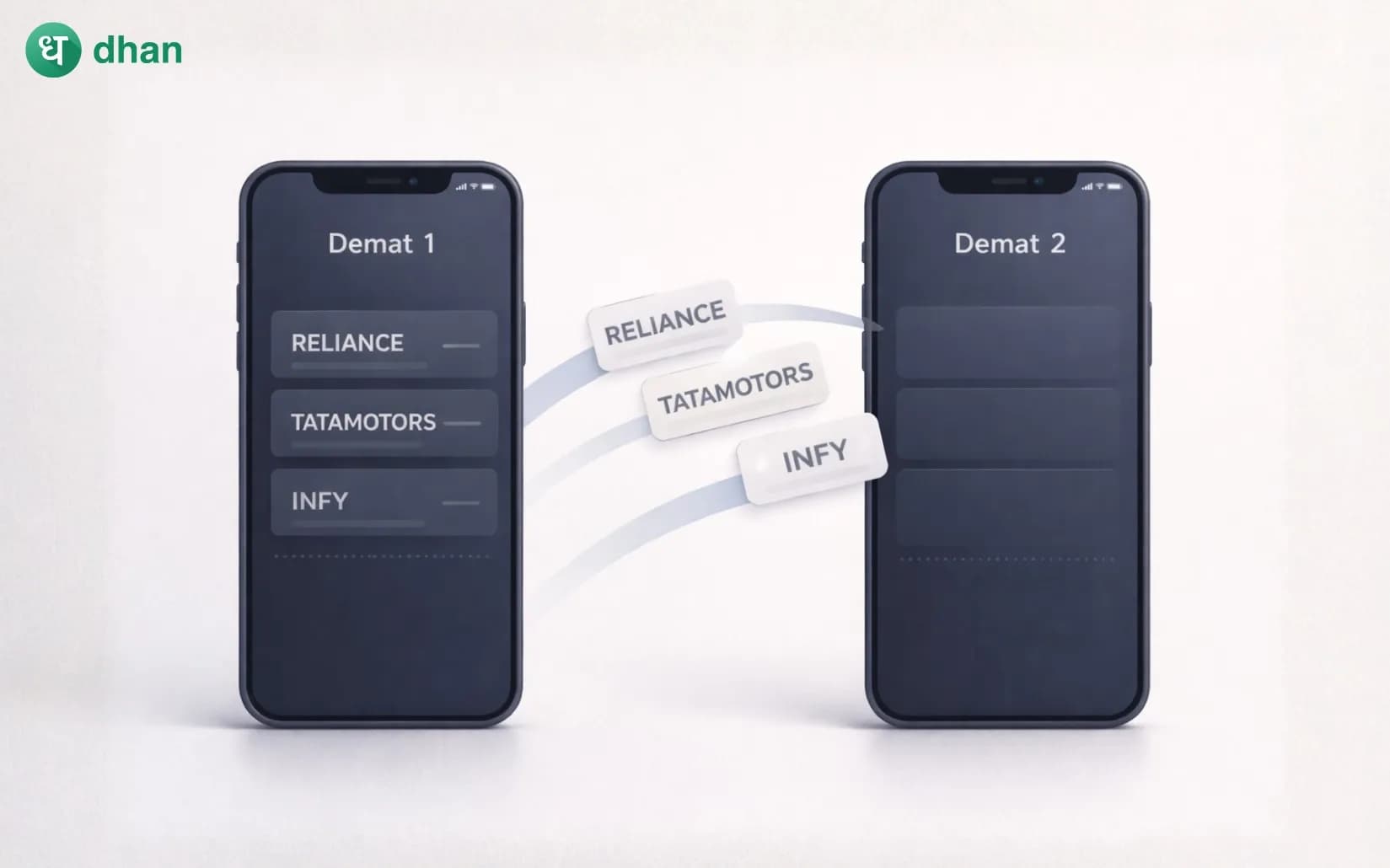
How to Transfer Shares from one Demat Account to Another
It’s easy to transfer your stocks from one demat account to another. However, the process requires attention, as a small mistake on your end can delay the process or even lead to rejection.
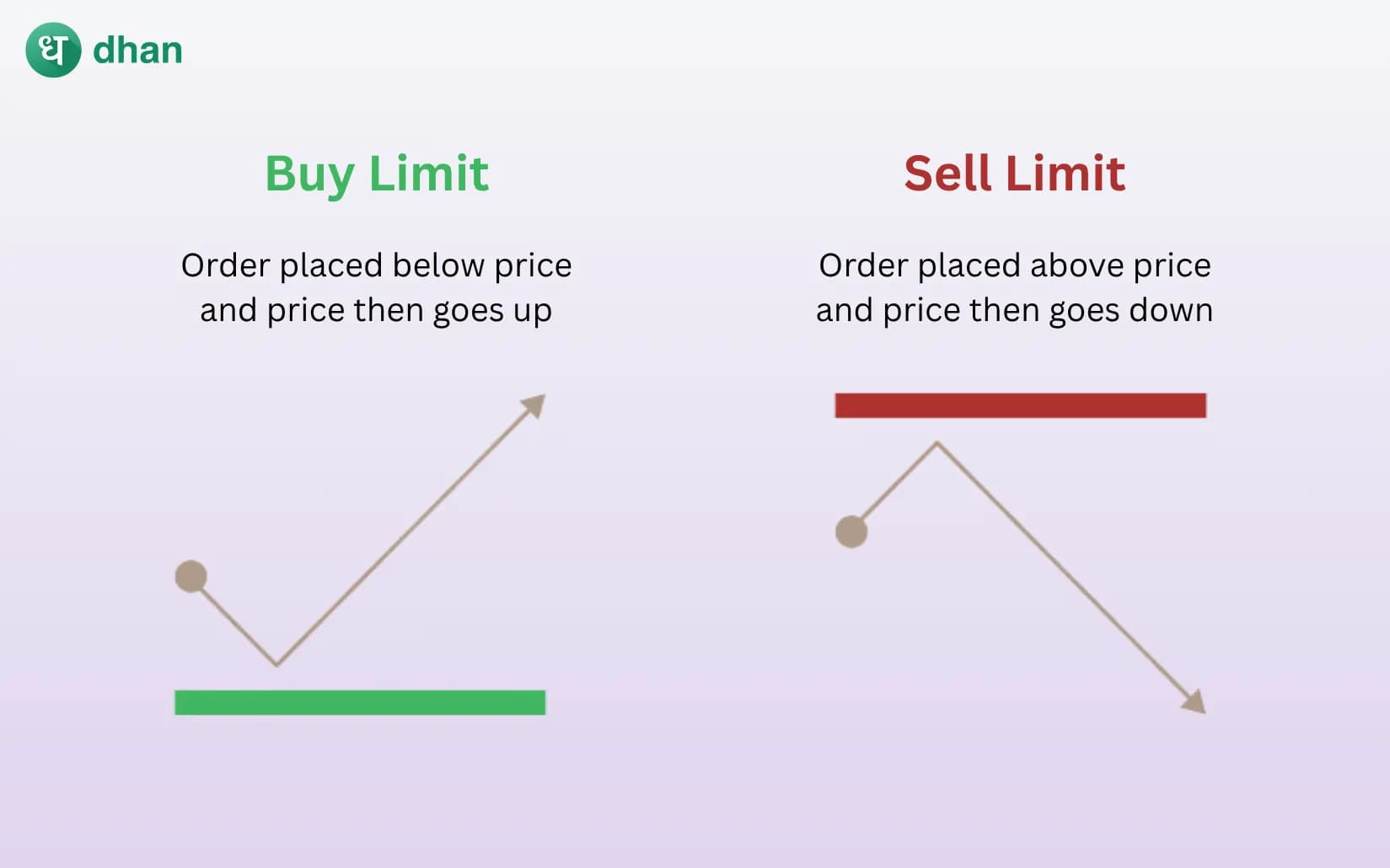
A limit order allows you to enter the price at which you want to buy or sell the security before executing the order. Instead of accepting whatever price the market offers, you decide your preferred price and wait for the market to reach it.
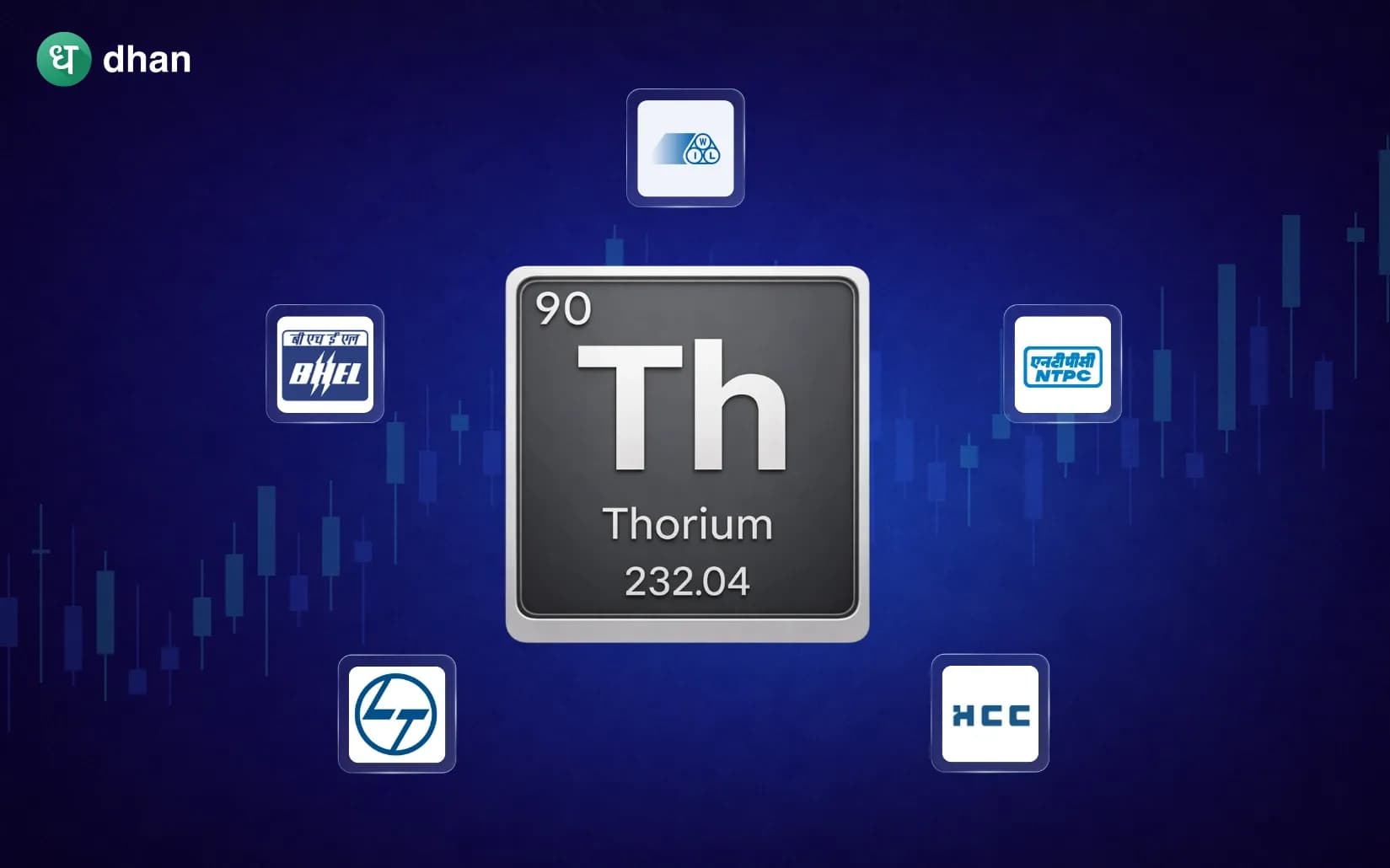
The nuclear energy sector in India is experiencing a significant change, owing to India's ambition to utilise the thorium reserves in generating energy in the coming years and meeting the increasing energy requirements of the rising population in India.
Want to invest in global giants like Apple and Amazon? Discover what the Nasdaq Index is, how it works, and how Indian investors can tap into global growth trends.
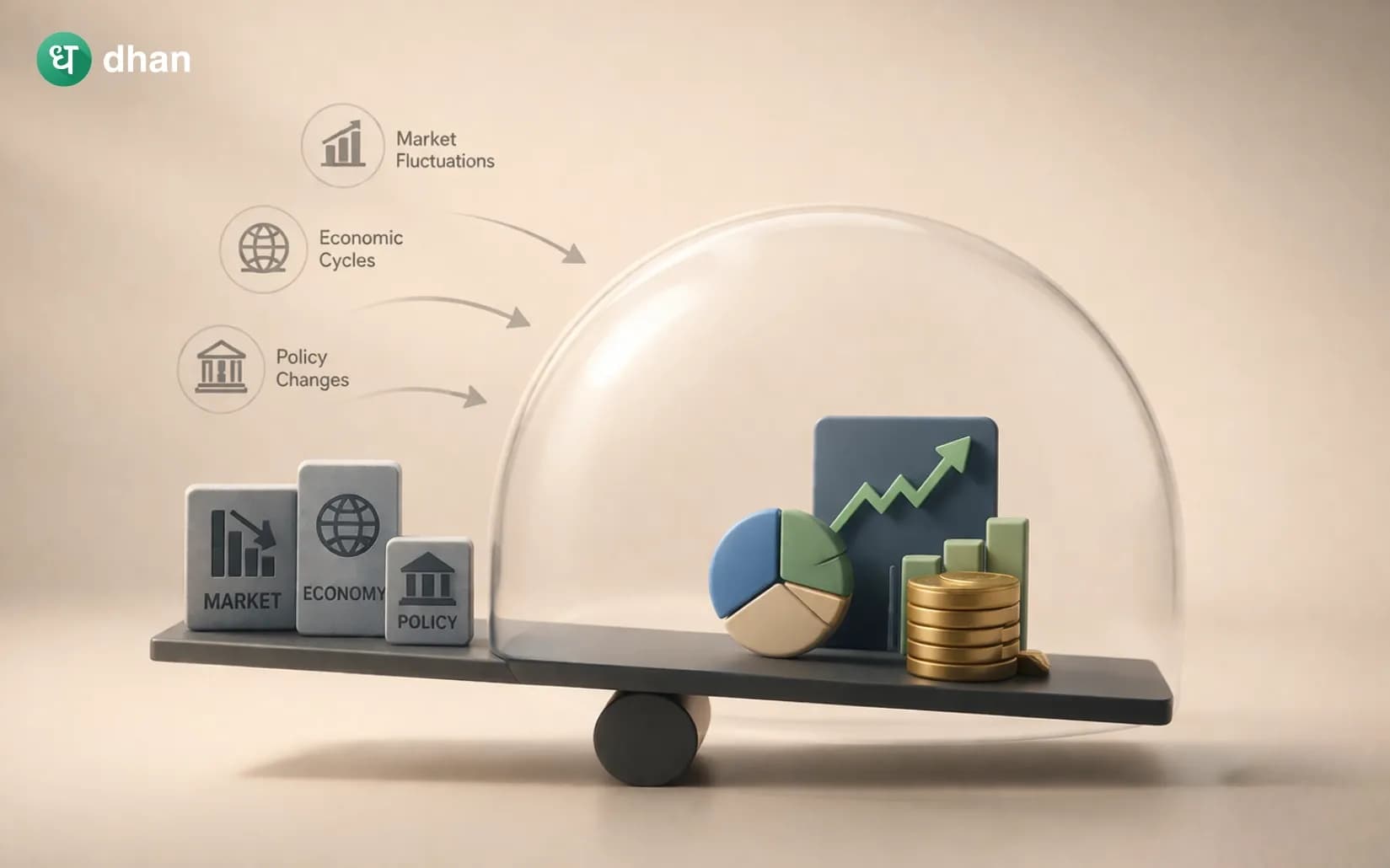
Systematic risk refers to the risk that affects the entire financial market or a large segment of it. It is also known as market risk or non-diversifiable risk because it cannot be eliminated through diversification.
Both the NSE and the BSE are stock exchanges where investors/ traders can trade securities with the help of a broker. In India, there are multiple stock exchanges, but the BSE and the NSE are the leading and most reputable.
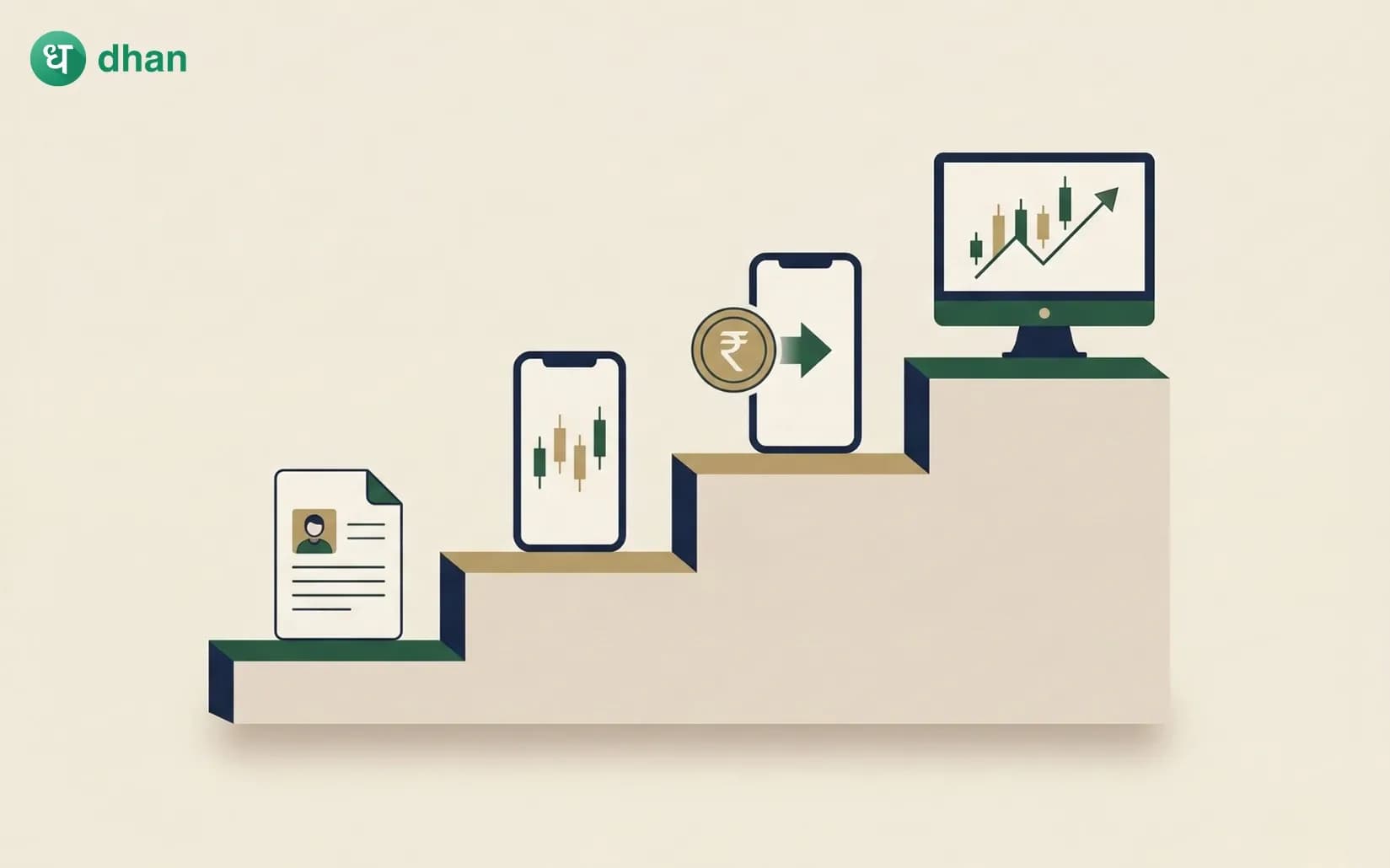
Want to start trading in India but don’t know where to begin? Learn the exact steps from opening a Demat account to placing your first trade plus beginner mistakes to avoid and smart strategies to grow your money safely.
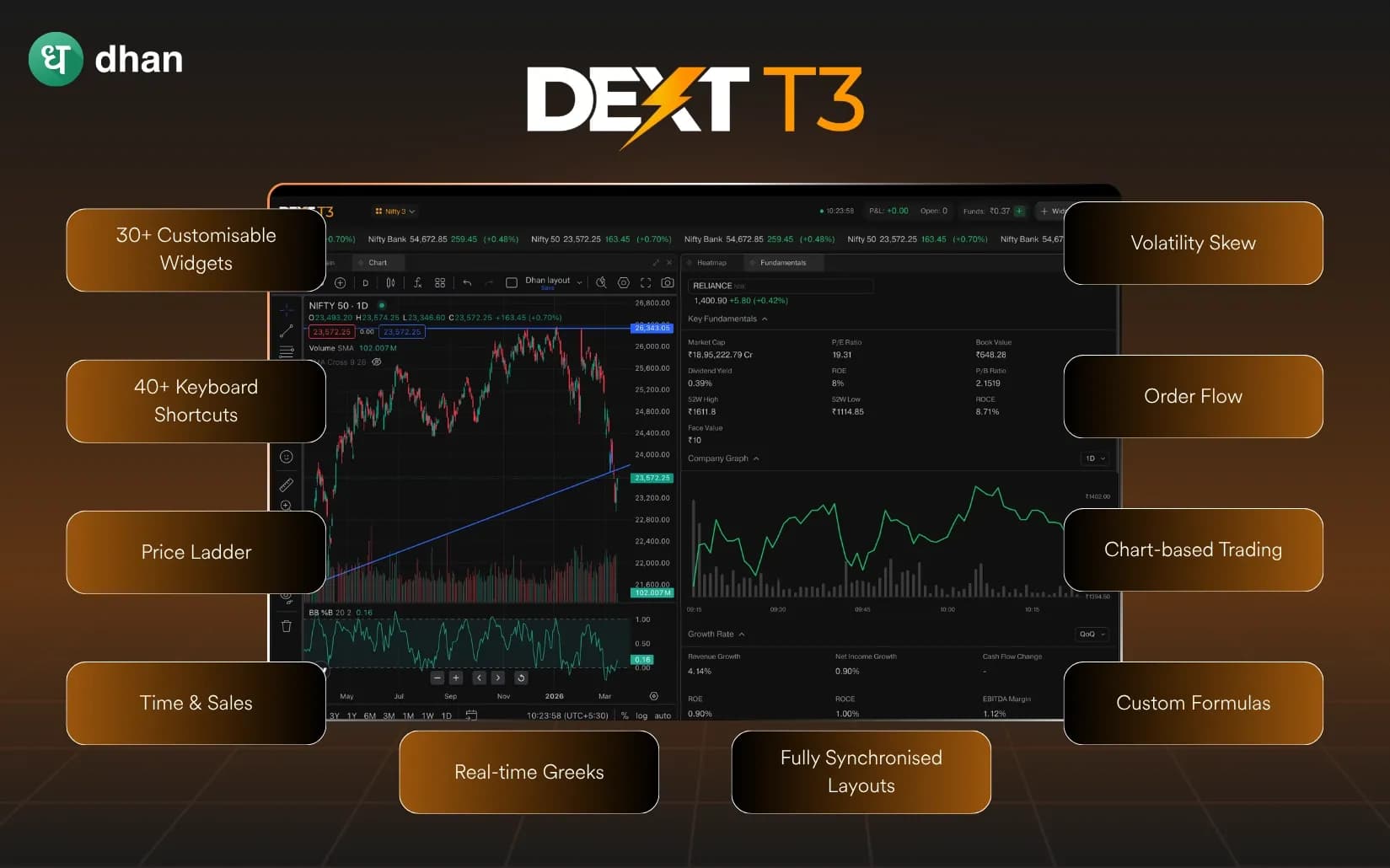
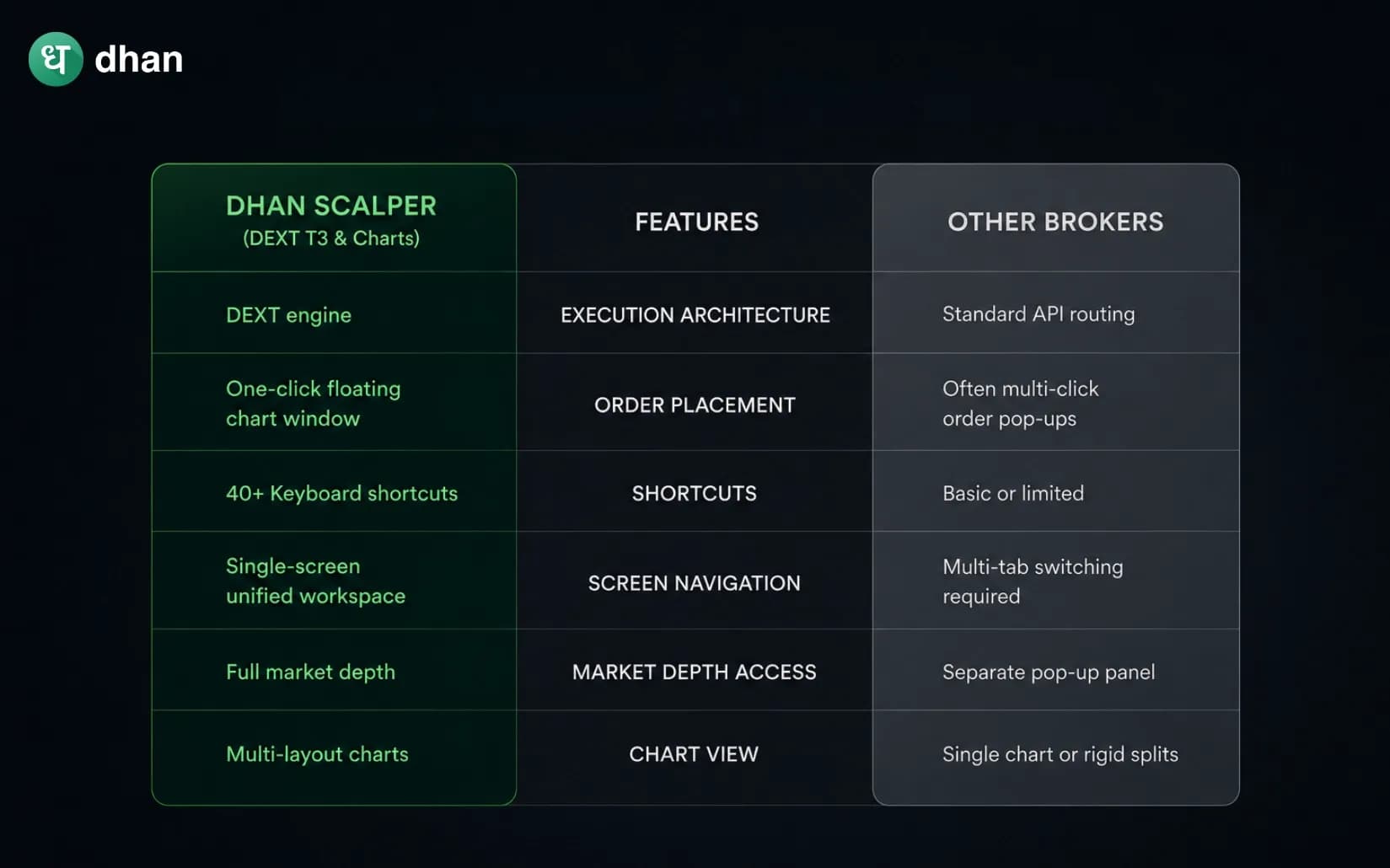
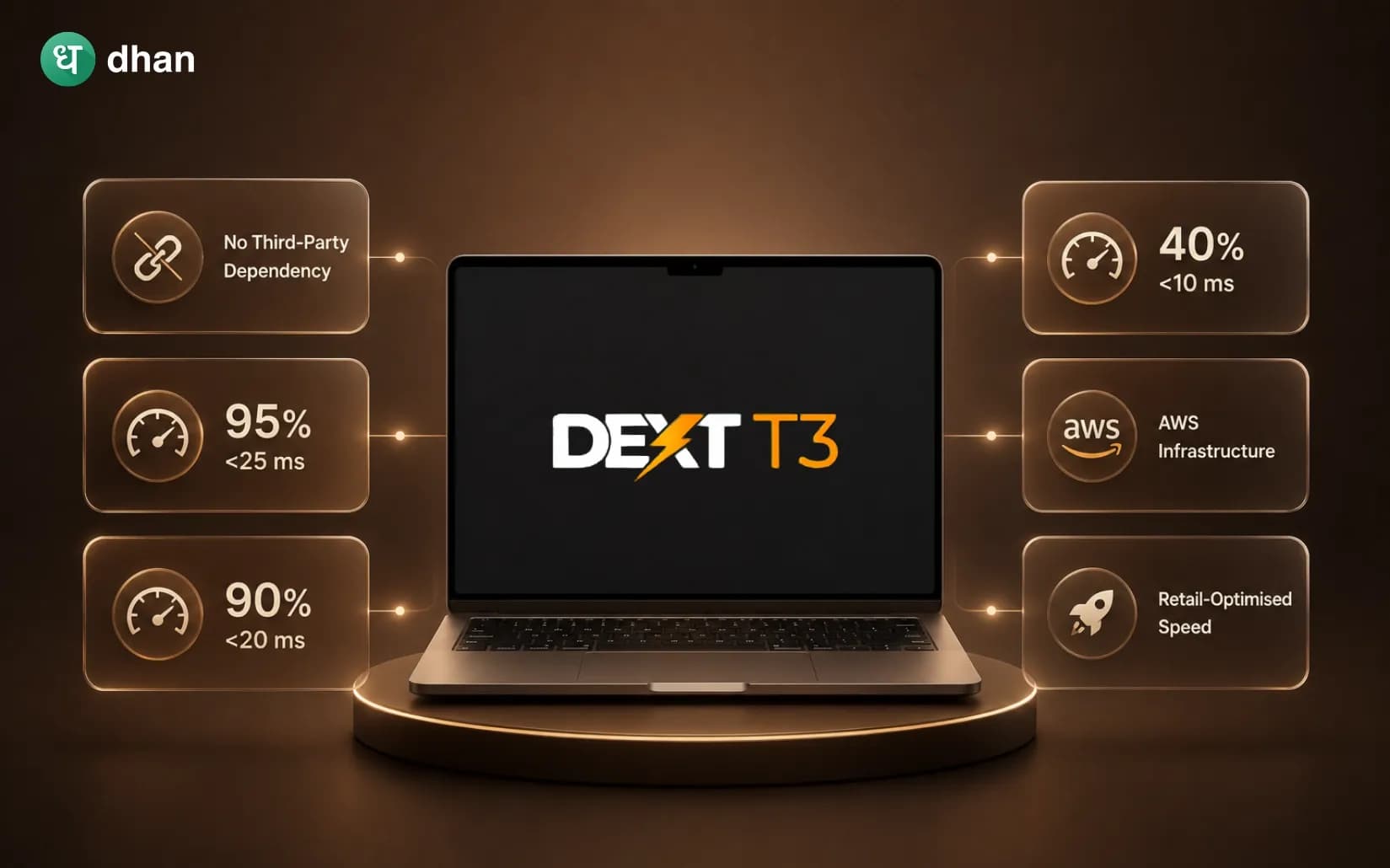
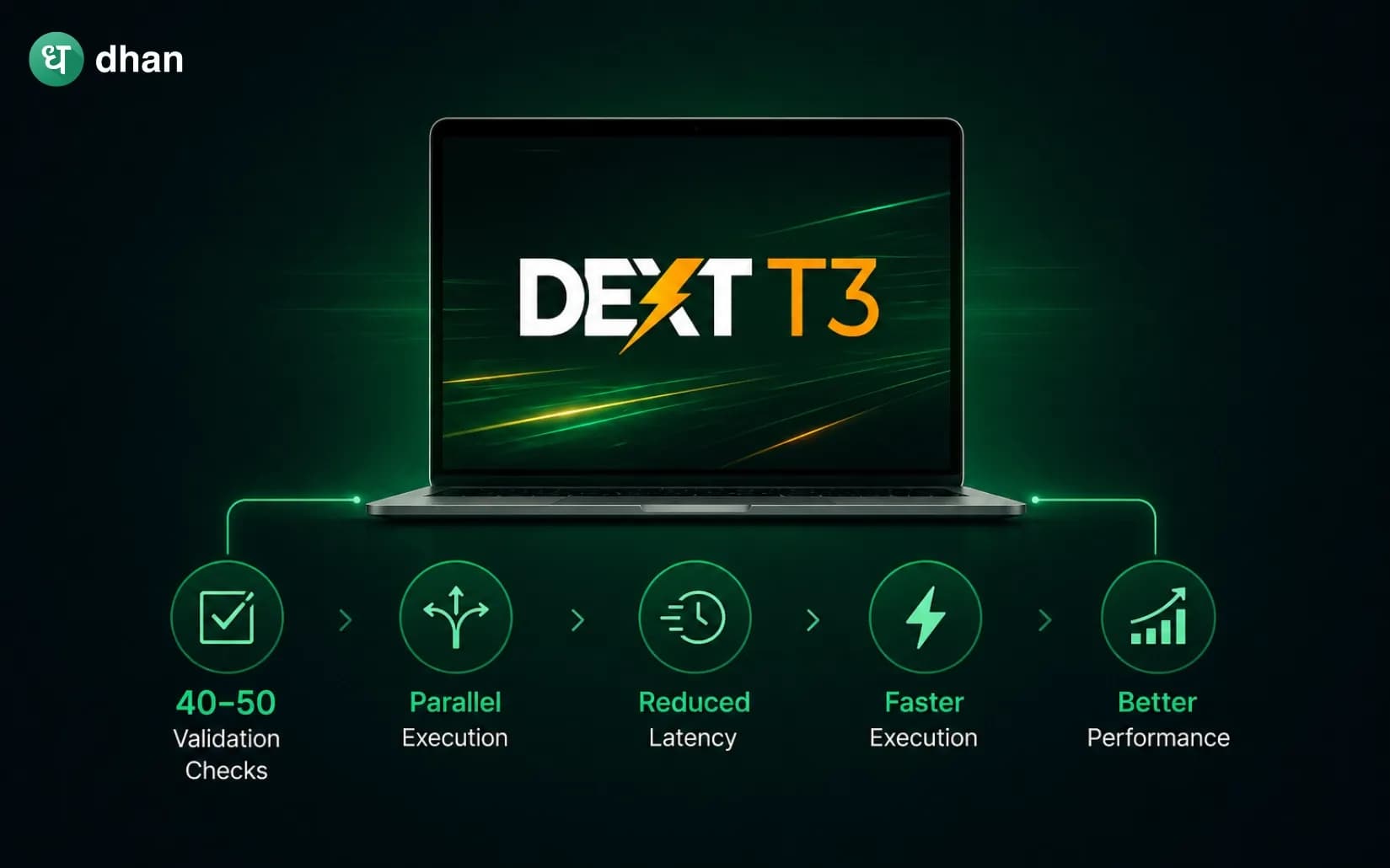
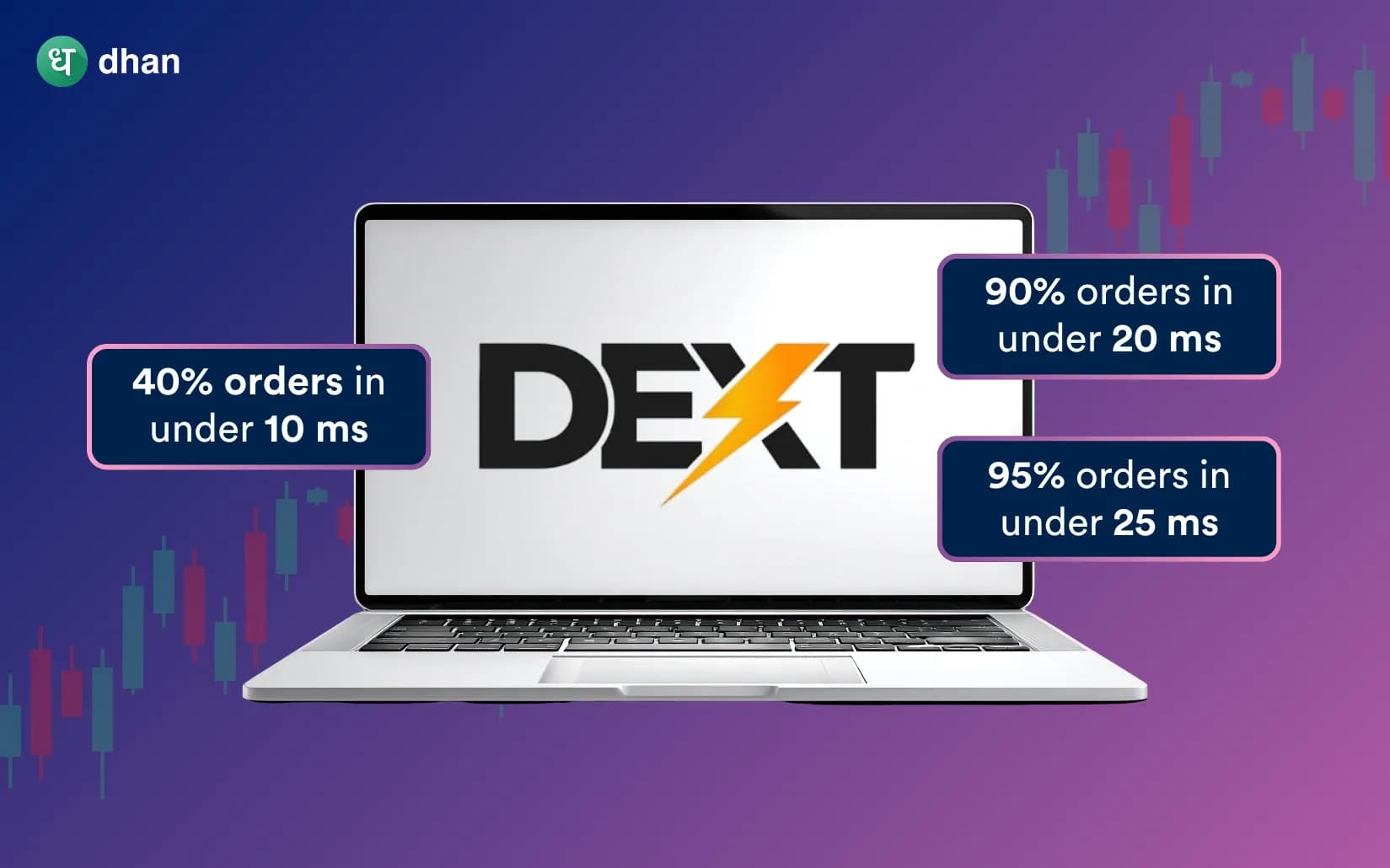
Discover how DEXT, Dhan’s in-house trading system, enables ultra-fast order execution with parallel processing, helping traders reduce latency and slippage.
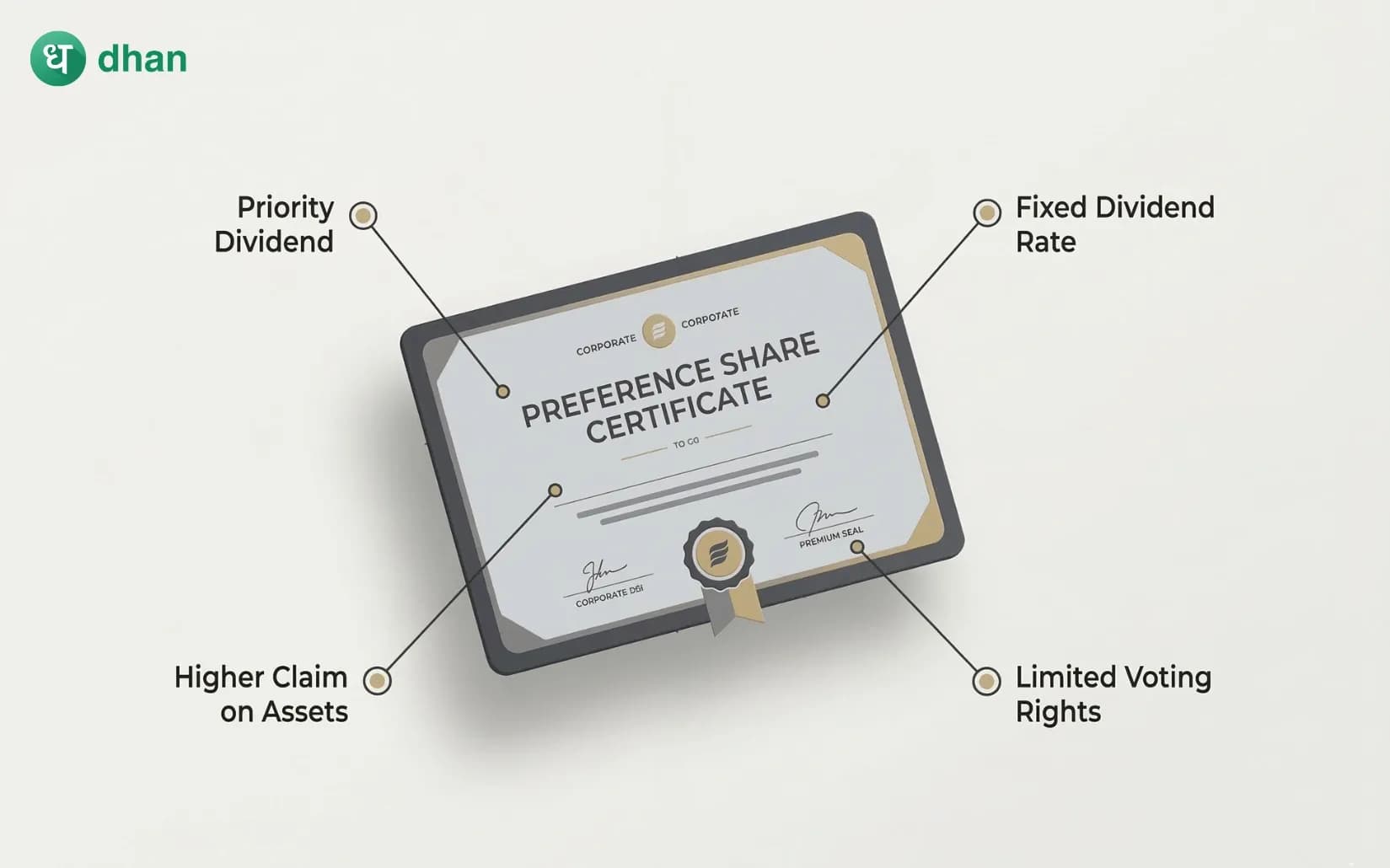
Preference shares are designed for investors who want predictable returns with a lower risk than equity shareholders. These characteristics, like a fixed rate of dividends and priority over profit sharing, appeal to conservative investors who prefer stable income over high growth.
When you think of building wealth through investments in the stock market, you plan to put your money in equity shares or mutual funds. Shares of companies, in particular, are one of the most common instruments for investments.
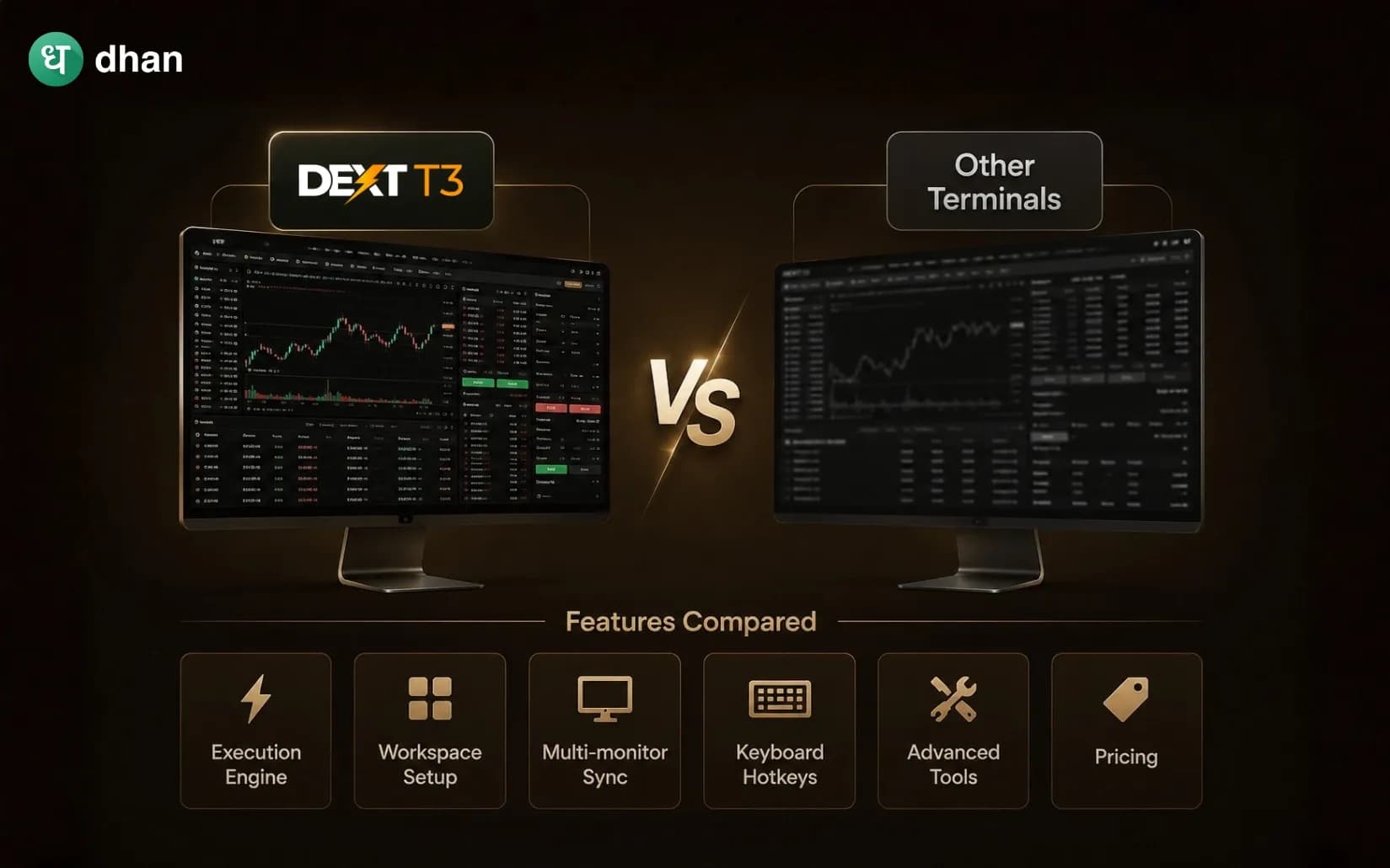
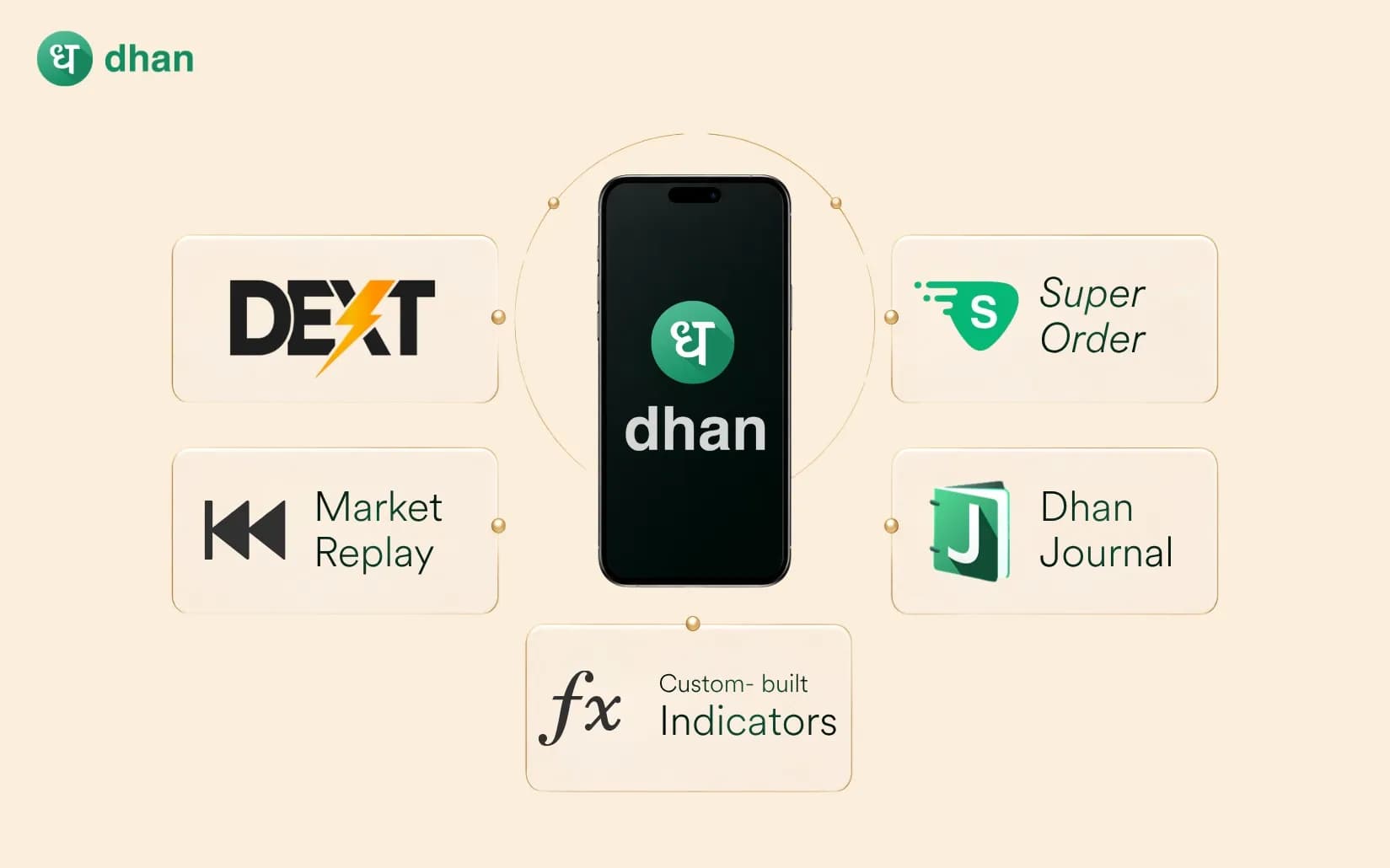
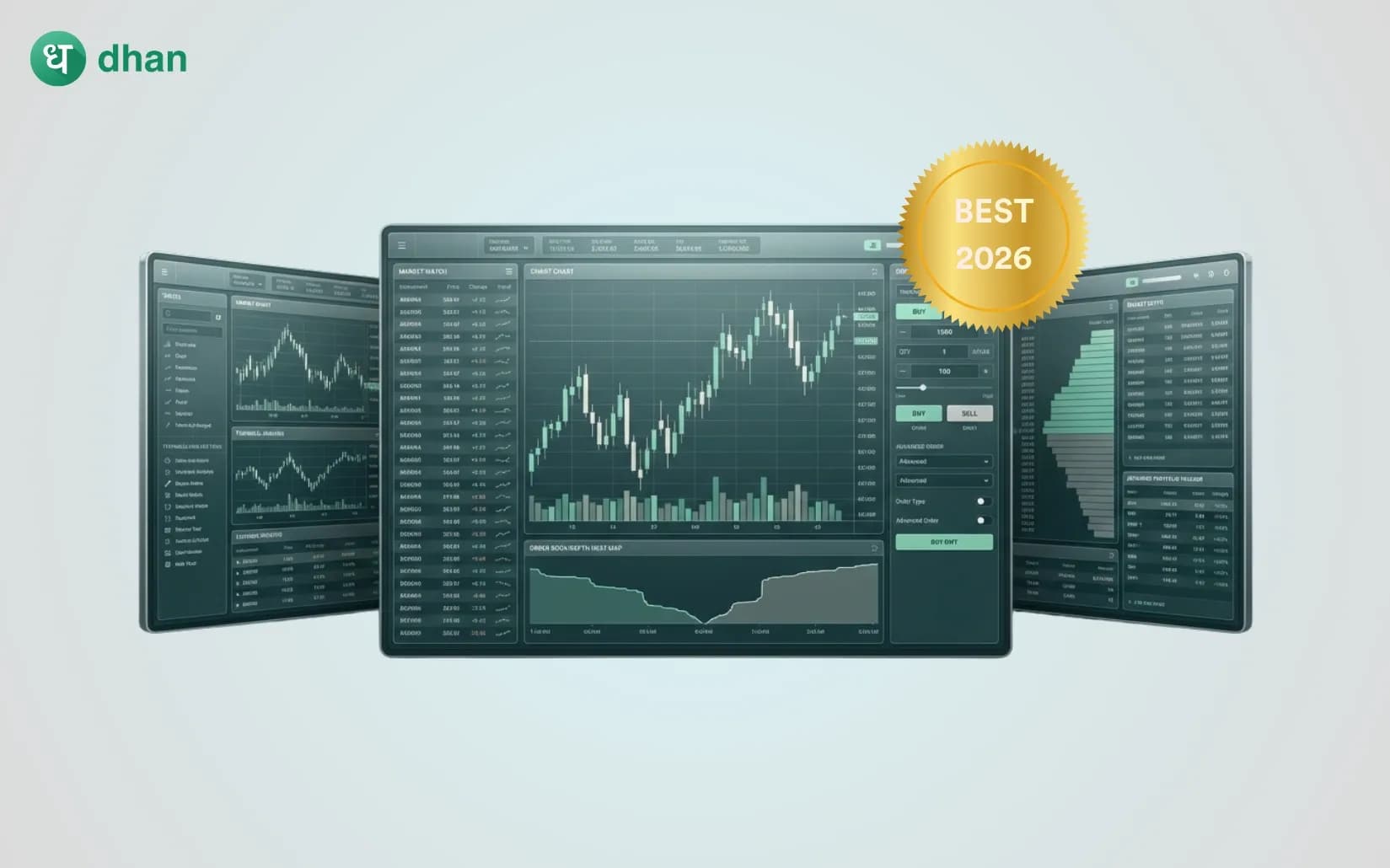
At the heart of a successful trading journey is the trading terminal. It is a software that determines how quickly traders can execute a trade, the depth of their market analysis and ultimately, their profitability.
What is SEBI? How it shapes the market & protects the investors
SEBI was established on April 12, 1988, and granted statutory powers on January 30, 1992, through the SEBI Act, 1992. Today, SEBI is the apex regulator of the entire ecosystem of the securities and commodity markets in India.
Behind the clean interface and the intuitive charts of Dhan, there exists a technology that most traders would never see but always feel: DEXT, the Dhan Exchange Trading System.
How different are trading terminals and web trading platforms?
While they both are used for the same purpose, which is facilitating trades, they provide different trading experiences tailored to different trading styles and needs.
The Indian stock market has experienced an evolutionary journey in the last 150 years. From the handful of traders under the shade of a Banyan tree in Mumbai, the Indian stock market has grown to one of the most advanced stock markets in the world.
A trading terminal provides various features and benefits that improve market participants' efficiency in trading, analytical depth, and overall market performance.
If you are looking to upgrade from a casual market participant to a serious player in the market, using a basic mobile app while commuting is no longer adequate. Thus, your trading software needs to keep up with that speed.
Whether you're an expert professional or you're just a beginner getting into the investing game, having a strong understanding of what a trading terminal is and how to best utilise it is indispensable when it comes to navigating the complexities of modern financial landscapes.
Trading plays a major role in the stock market and attracts people looking to grow their money over time. From beginners placing their first trade to experienced participants managing complex strategies, trading comes in many forms.
Type of Demat Account you choose can vary according to your citizenship, Trading capacity, Needs, and your age. This blog will solve all your doubts regarding what are the types of demat accounts and whoch one os suitable for you?
If you hold a demat account or are planning to open a demat account, here are some demat account charges, like opening charges, maintenance charges, transaction charges, and safety charges that you must be aware of.
The National Stock Exchange of India, or NSE, is a renowned leading stock exchange launched in 1992. Since its launch, NSE has been the largest financial marketplace in India by trading volume.
Explore the regulatory framework, reasons for holding multiple demat account, associated challenges, processes of consolidation, and some best practices that would help investors make an informed decision.
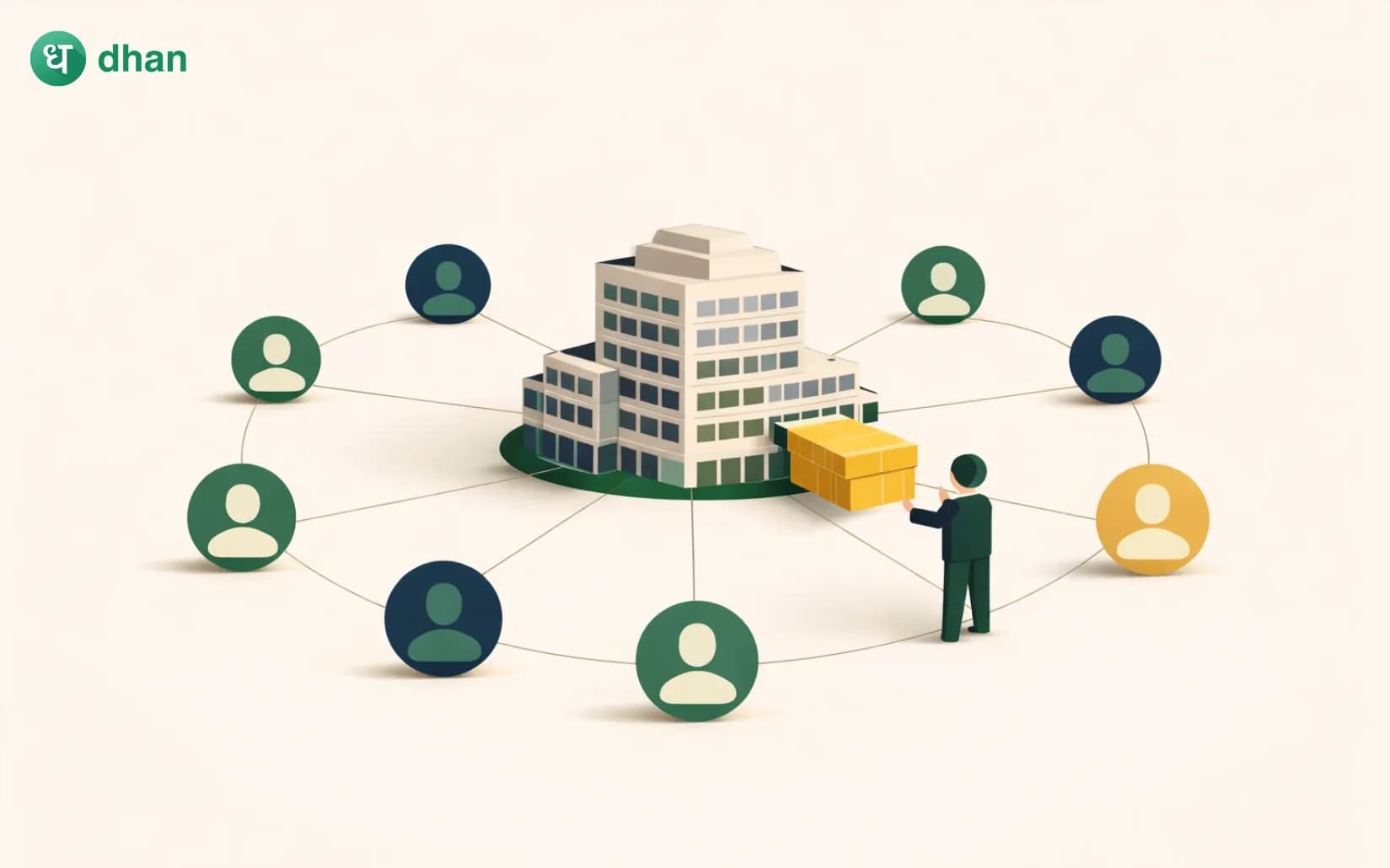
Learn who stock market participants are, their roles in primary and secondary markets, and how investors can read participant activity to make informed decisions.
SOA is a document that records your mutual fund investments directly from the fund house instead of a broker. In this blog we cover what is SOA and the difference between SOA and Demat account.
Explore demat accounts for minors, their eligibility requirements, guardian roles, documents required, and the stepwise process to open and manage minor accounts.
Explore the differences between Demat and Trading accounts, how they work together, and why investors need them both for seamless investing, depending upon their investment preferences.
Understand how an NSDL demat account stores and manages your securities, processes trades, and keeps investments safe through its regulated digital system.
Explore what a CDSL demat account is, how it works, how it differs from an NSDL demat account, and what investors should consider when choosing a CDSL or NSDL demat account.
Explore why demat conversion of physical certificates is important, the documents required, the step-by-step process of how to transfer physical shares to demat account, and the advantages of modernising your shareholding.
How to Transfer Shares Between Two Demat Accounts?
Still managing multiple demat accounts? Discover how to transfer shares instantly without selling, save fees, simplify tracking, & take full control of your portfolio.
Demat account is a digital account by using which you can buy, sell or hold shares, commodities and trade from the ease of your home without any paperwork.
Impact of Corporate Actions in SLBM on Borrowers and Lenders
Securities Lending and Borrowing Mechanism (SLBM) can be impacted from corporate actions, Borrower keep on recieving all the benefits and dividents after the stock, while the lender recives the proportionate shares after stock split.
Here are the documents needed to open a Demat account in india, Step by step guide on document verification for Demat Account opening by providing Idnentity proof, Address proof, Income proof, and Bank Account proof.
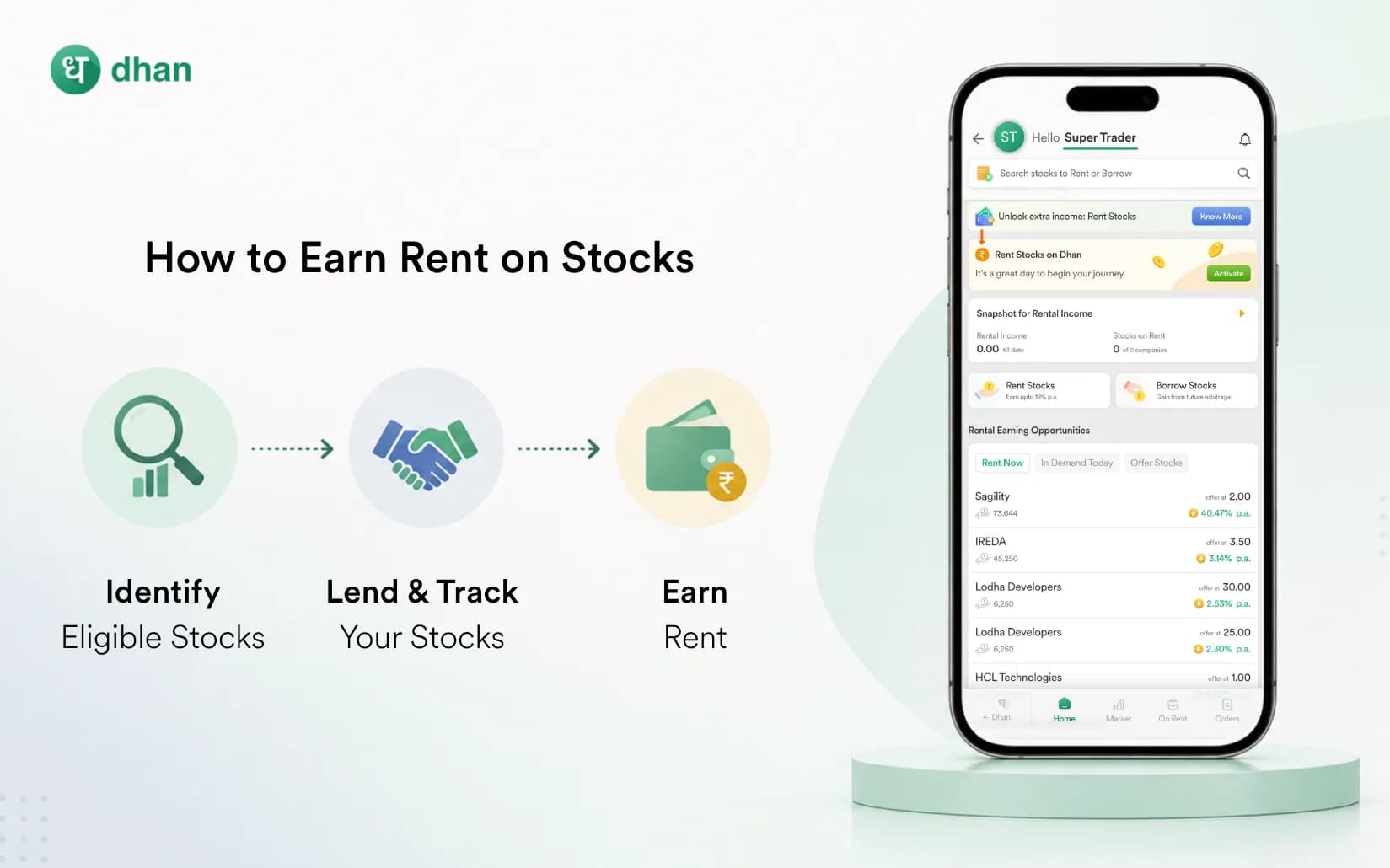
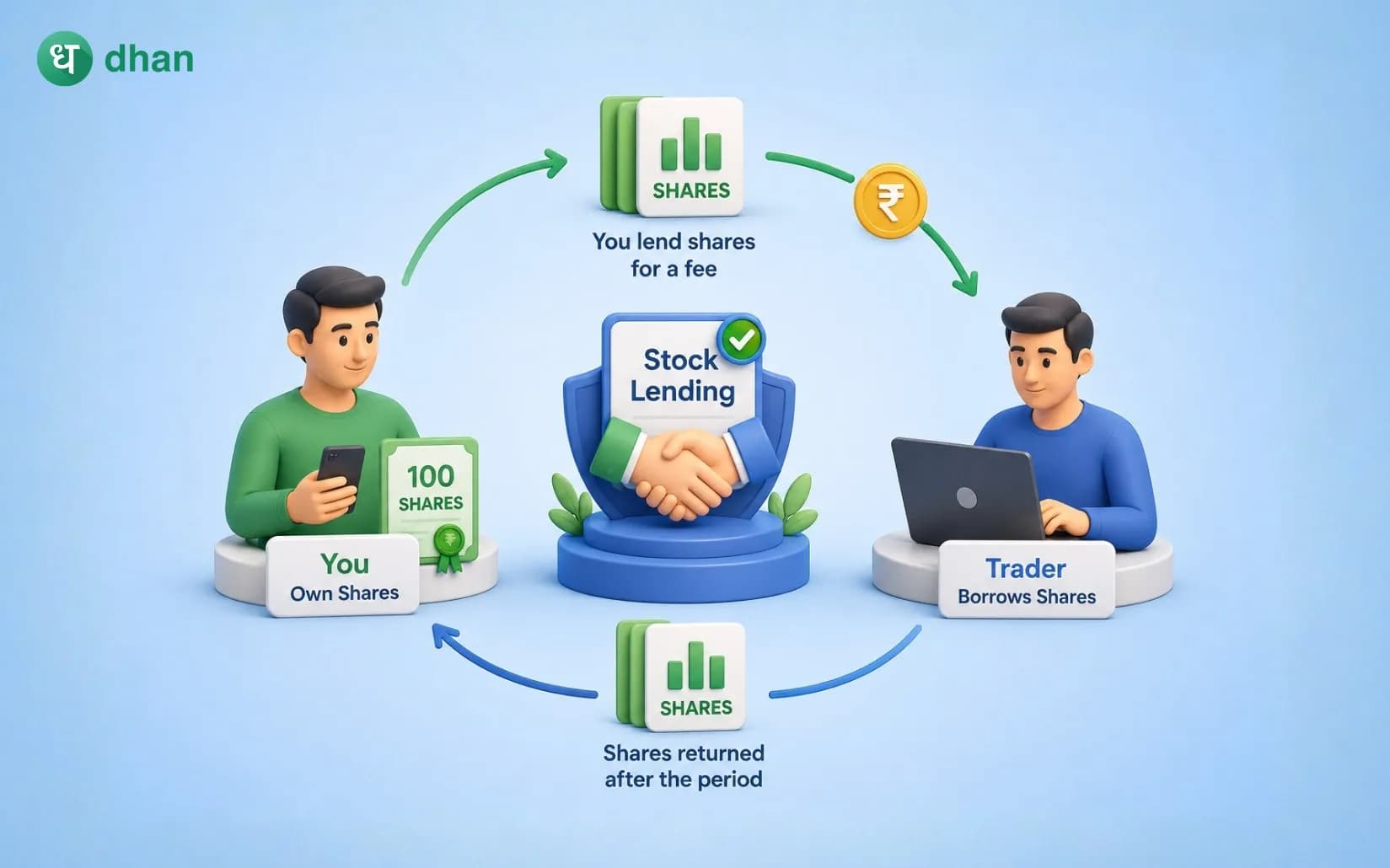
Ever thought your idle stocks could earn for you, without selling them? Discover how SLBM turns your portfolio into a passive income source, paying you rent for the shares you already own.
Demat Account opening process explained by using simple steps to begin your jouney in stocks, ETF's, Commodities & Mutual Funds. Also read about its limitations, charges and documents required.
This blog breaks down brokerage accounts in the simplest way, From fees to order types, here’s everything you actually need to know while opening your brokerage account.
Trading accounts are the gateway to the stock market, enabling investors to buy, sell, and manage securities online. With over 23 crore accounts active in India as of July 2025, understanding how they work, their costs, and order types is essential for beginners stepping into the markets.
A Demat account holds your investments securely in digital form. Understand its types, benefits, step-by-step guide to open account, documents required, fees and more.
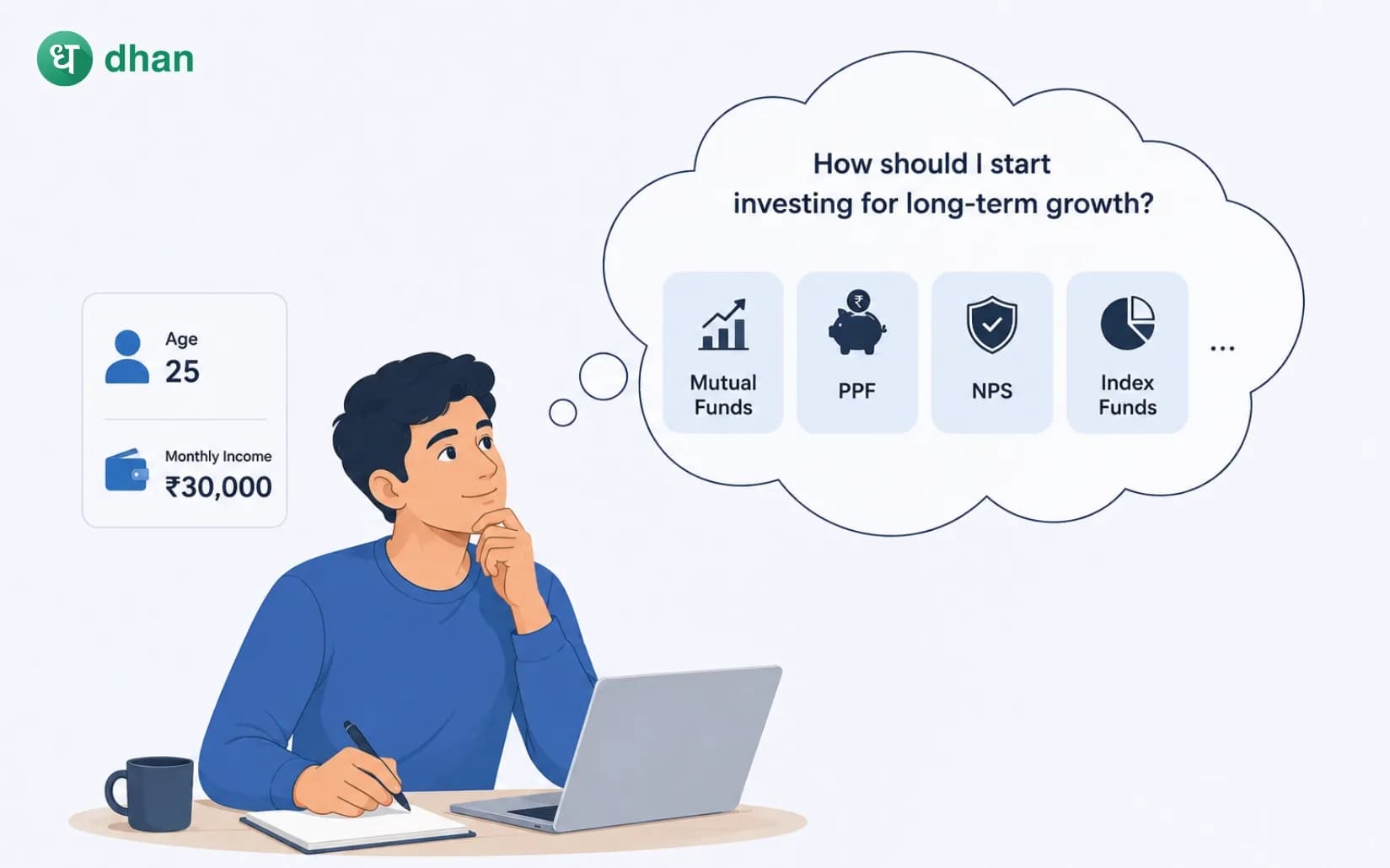
Discover 8 safe investment options to protect your money during market volatility. Learn how to keep your portfolio stable and secure in uncertain times.