What are momentum stocks?






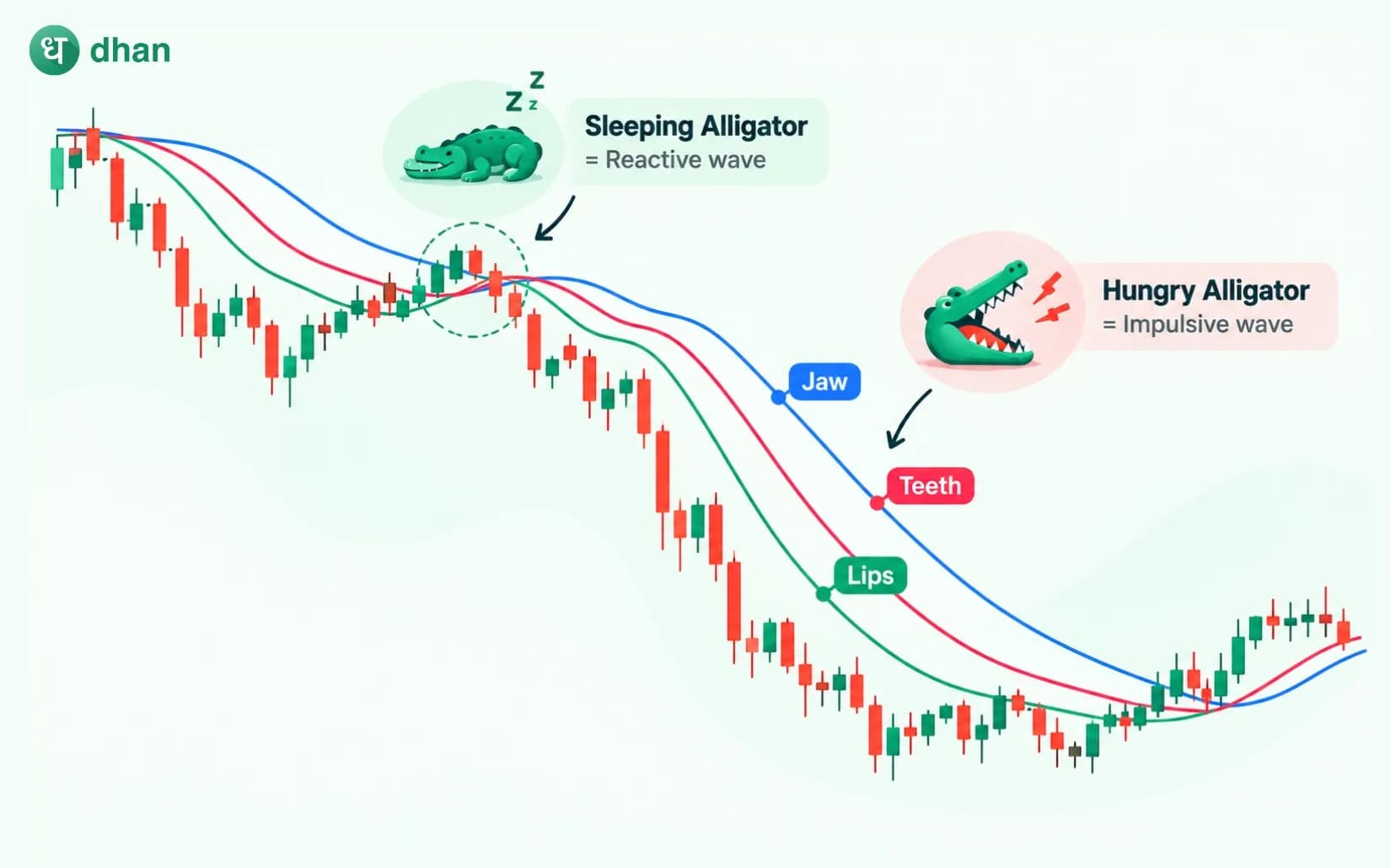
In the stock market, you might have come across a stock which is continuously going up. They grow day by day for weeks or even months. These moves generally develop over time. Many traders trade in these stocks, which are known as momentum stocks. As these stocks are in a clear trend, they reduce uncertainty.
For active traders, learning how to recognise momentum stocks and understand their behaviour becomes an important skill.
What are momentum stocks?
Stocks having strong and sustained price movement, which are likely to continue to trend in the same direction as buying or selling pressure remains higher, are known as momentum stocks. Imagine you are driving a car. When you start the car, you need to give more throttle in order to accelerate, but once the car has reached a certain speed, it travels at the same speed for a while. This is what the momentum is.
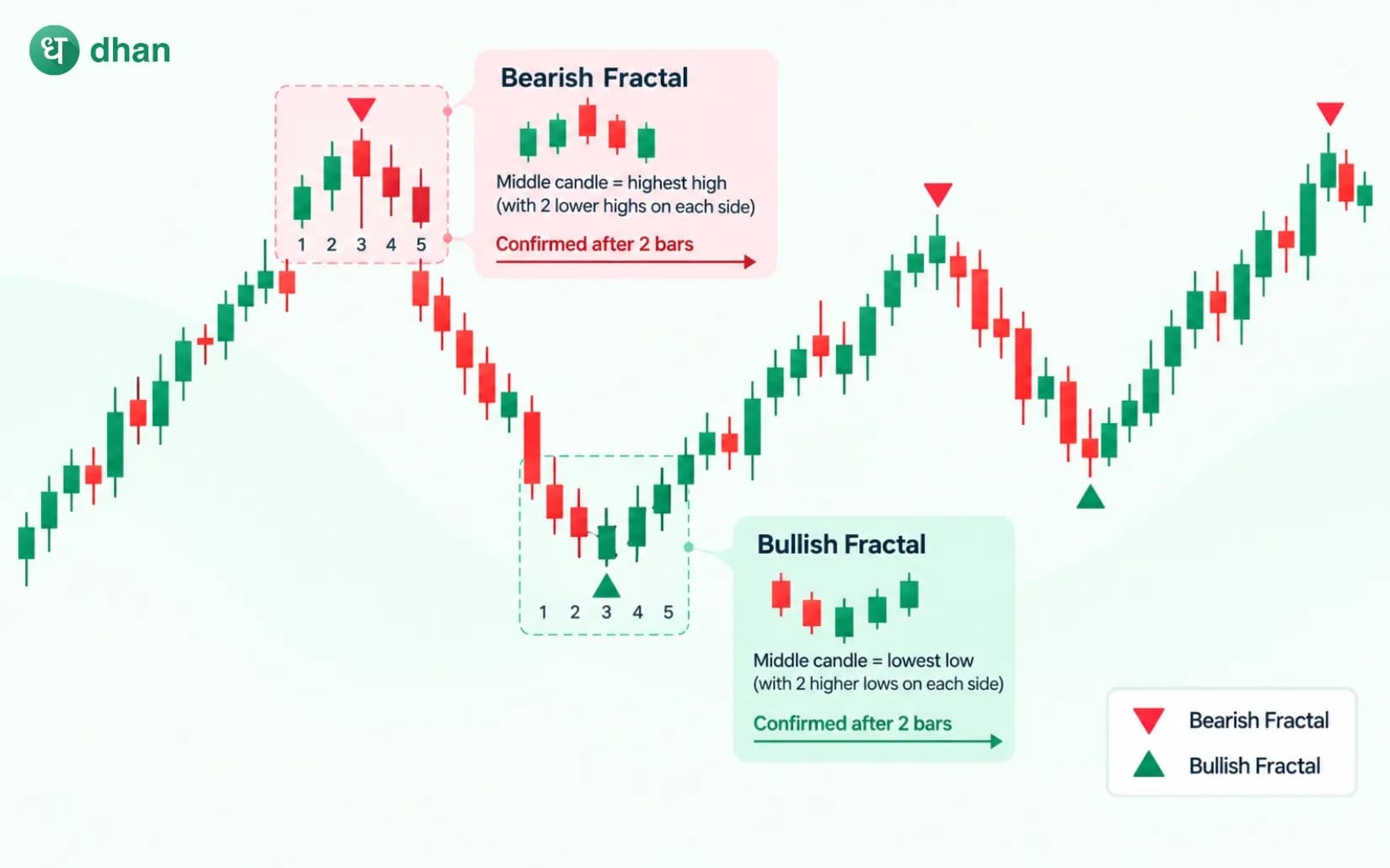
Momentum stocks can move upward or downward. But traders usually look for upward-moving stocks. They look for a stock which is continuously making higher highs and higher lows. Lower lows and lower highs are characteristics of a downward-moving momentum stock.
Why momentum stocks attract traders
Traders prefer stocks, which provide better clarity and reduce the guesswork. Momentum stocks usually show a clear direction, strong participation, and decisive price movement. Traders prefer these conditions.
When any stock is performing well, it attracts many players from the market. This increases the participation and pushes the price further. Once this cycle starts, it can continue for several days or even weeks.
Key characteristics of momentum stocks
Momentum stocks have a few common characteristics; these characteristics help traders distinguish between temporary spikes and a trend with momentum.
Price action strength
Momentum stocks have clear price strength. Traders can identify it through:
- Higher highs and higher lows
- Strong breakouts from consolidation ranges
- Minimal time spent in sideways movement
Also, these stocks recover quickly from small pullbacks.
Volume expansion
Volume plays a key role in supporting momentum. A true momentum stock shows a rising volume during breakouts and lower volumes during pullbacks. High volume confirms that the price move is supported by participation.
Relative Strength
Momentum stocks usually outperform the broader market. Even when the index moves sideways, these stocks continue trending.
Traders compare a stock’s performance with the index. If the stock is consistently stronger, it indicates the relative strength of the stock.
Trend confirmation
Momentum stocks usually trade above key moving averages and with a short-term average which supports the price. When price respects these trend levels repeatedly, it shows that momentum remains healthy.
How traders identify momentum stocks
Traders typically use these primary methods to identify momentum stocks.
Using technical indicators
Traders use indicators to confirm momentum, like they check key moving averages such as 20, 50, and 200 periods. Also, they check for RSI, which must be above 50, and trend channels & breakout levels. These help traders to filter the noise and see the clear picture of the stock price.
Dhan offers a wide range of indicators like moving averages, RSI, and trend channels directly on live charts. This makes it easier for any trader to trade across different timeframes.
Stock scanners and filters
Many traders use scanners to shortlist momentum stocks. Common filters include:
- Stocks making new 52-week highs
- Strong recent percentage gains
- High average daily volume
- Stocks breaking out of consolidation zones
The Dhan platform also gives the traders the opportunity to apply these filters and help them identify stocks which are worth looking at.
Market context
Stocks moving strongly while the overall market is supportive have a higher chance of sustaining momentum. Sector leadership also plays a role. Momentum usually clusters in specific sectors, where multiple stocks move together due to macro or industry-specific factors.
Risks and limitations of momentum stocks
There are certain risks and limitations in trading momentum stock, which are listed below:
- A sharp reversal can cause heavy losses. When buyers start decreasing, selling strength increases. This leads to a sudden fall in prices. Similarly, for the downward momentum stocks, when seller pressure reduces, a sharp upward movement can be seen.
- Sometimes, momentum stocks create a false breakout in weak market conditions. Which can also lead to losses.
- Momentum trading also carries emotional risks. Chasing extended moves or holding losing trades too long can lead to losses.
Conclusion
Forecasting the future is not the goal of momentum stock trading. It involves identifying strengths, controlling risk, and following the trend. Momentum trading can be an effective tactic if it is used with structure and discipline.
Before making a trade, traders must thoroughly comprehend and evaluate the stock. In momentum trading, patience, emotional control, and sound analysis are crucial.
FAQs
Are momentum stocks only for short-term traders?
Momentum stock is more popular with short-term and swing traders, but if the trend is strong, then long-term investors and investing firms can also enter, which will again boost the trend.
How long does momentum usually last in a stock?
It depends on how strong the trend is. But ideally, it should last more than a few days to attract bigger players. If bigger players enter, it can last for weeks or months.
Is high volume necessary for momentum trading?
Yes. High volume is a key confirmation for momentum. Strong price movement without volume support creates false breakouts and short-lived moves.
Are momentum stocks suitable for beginners?
Yes and no. With an in-depth analysis, proper risk management and controlled emotions, beginners can trade in momentum stocks. But without these skills, they can make huge losses.
Can momentum trading be combined with other strategies?
Yes. Usually, traders combine momentum trading with swing trading or trend-following strategies. This increases consistency.