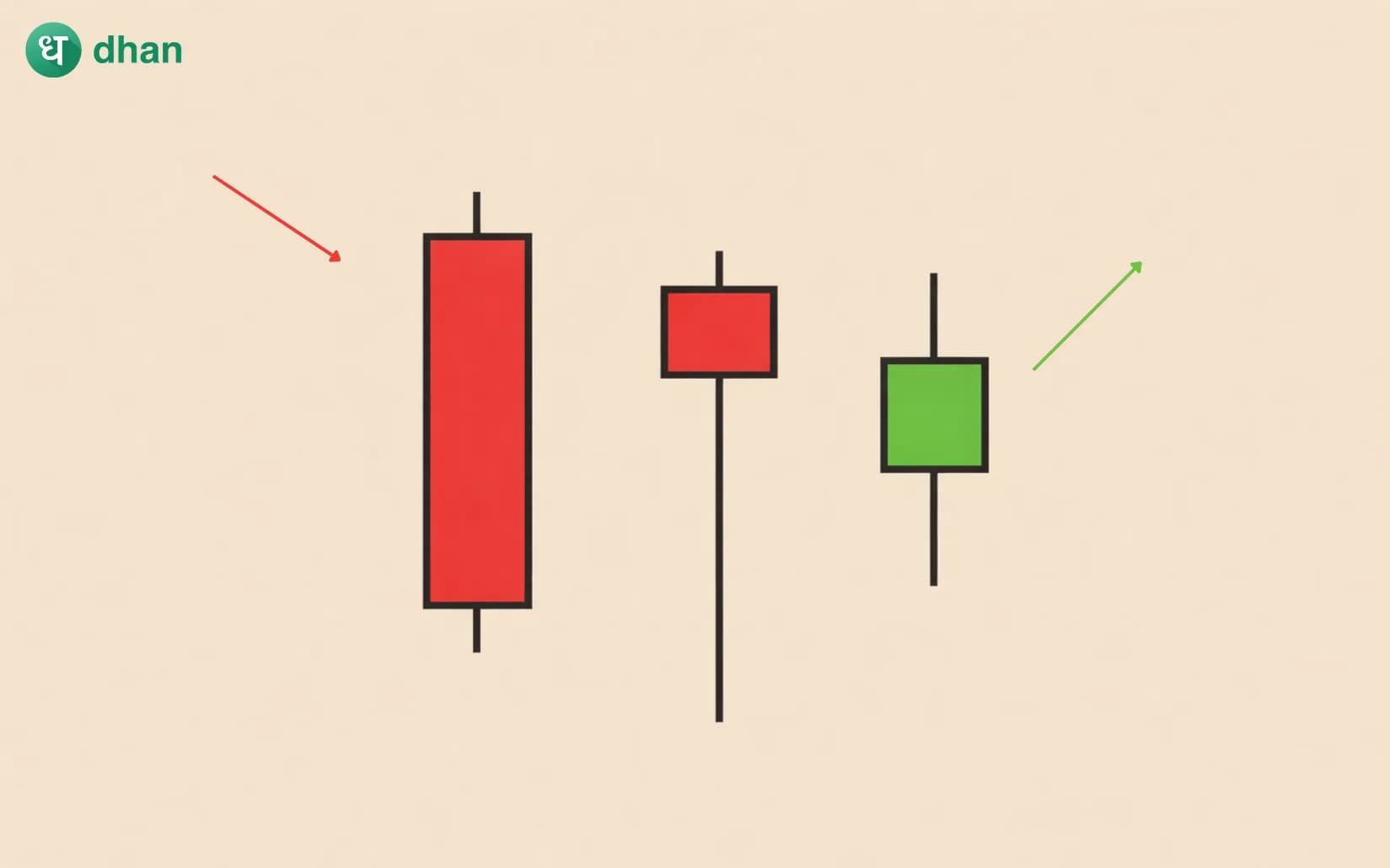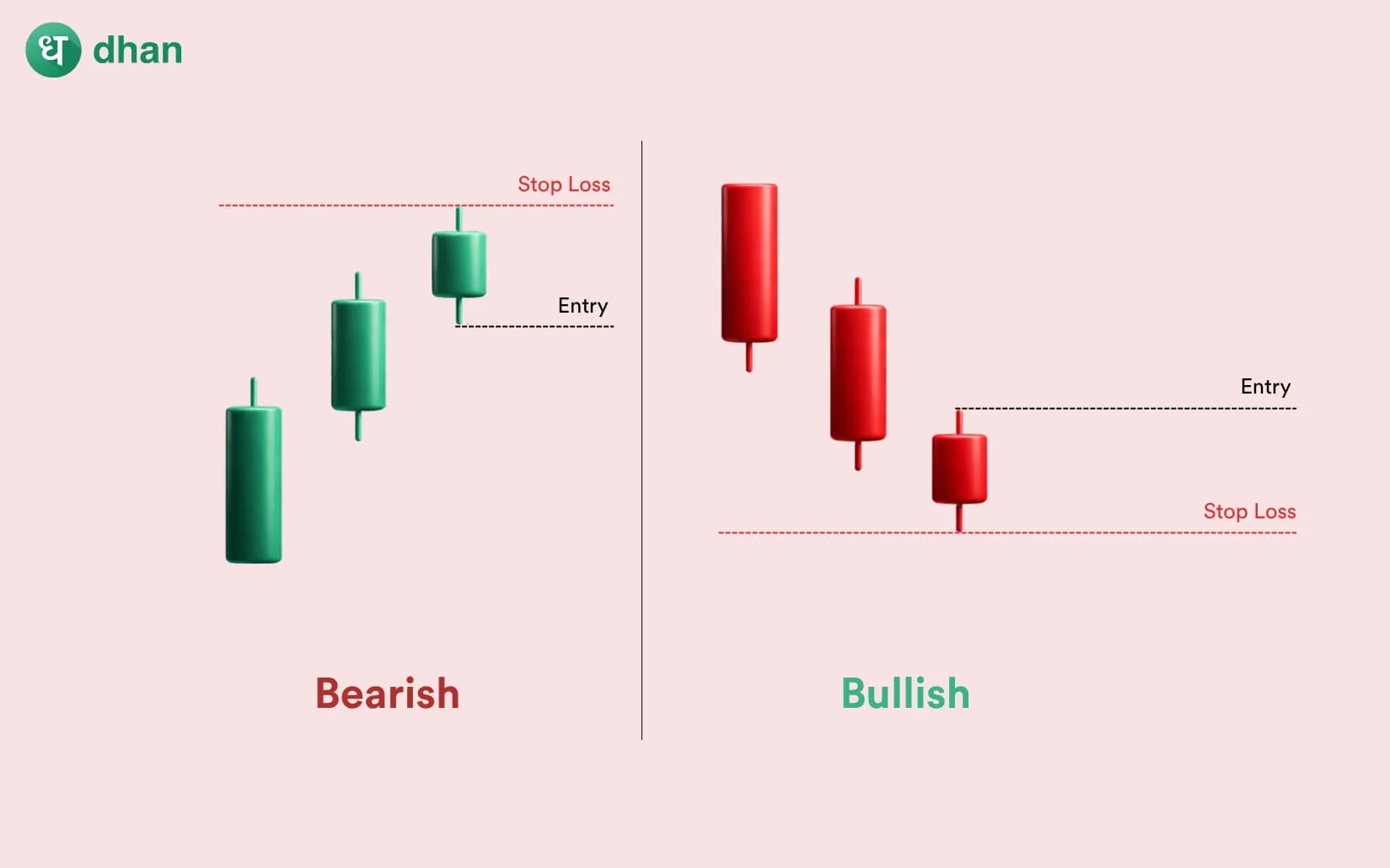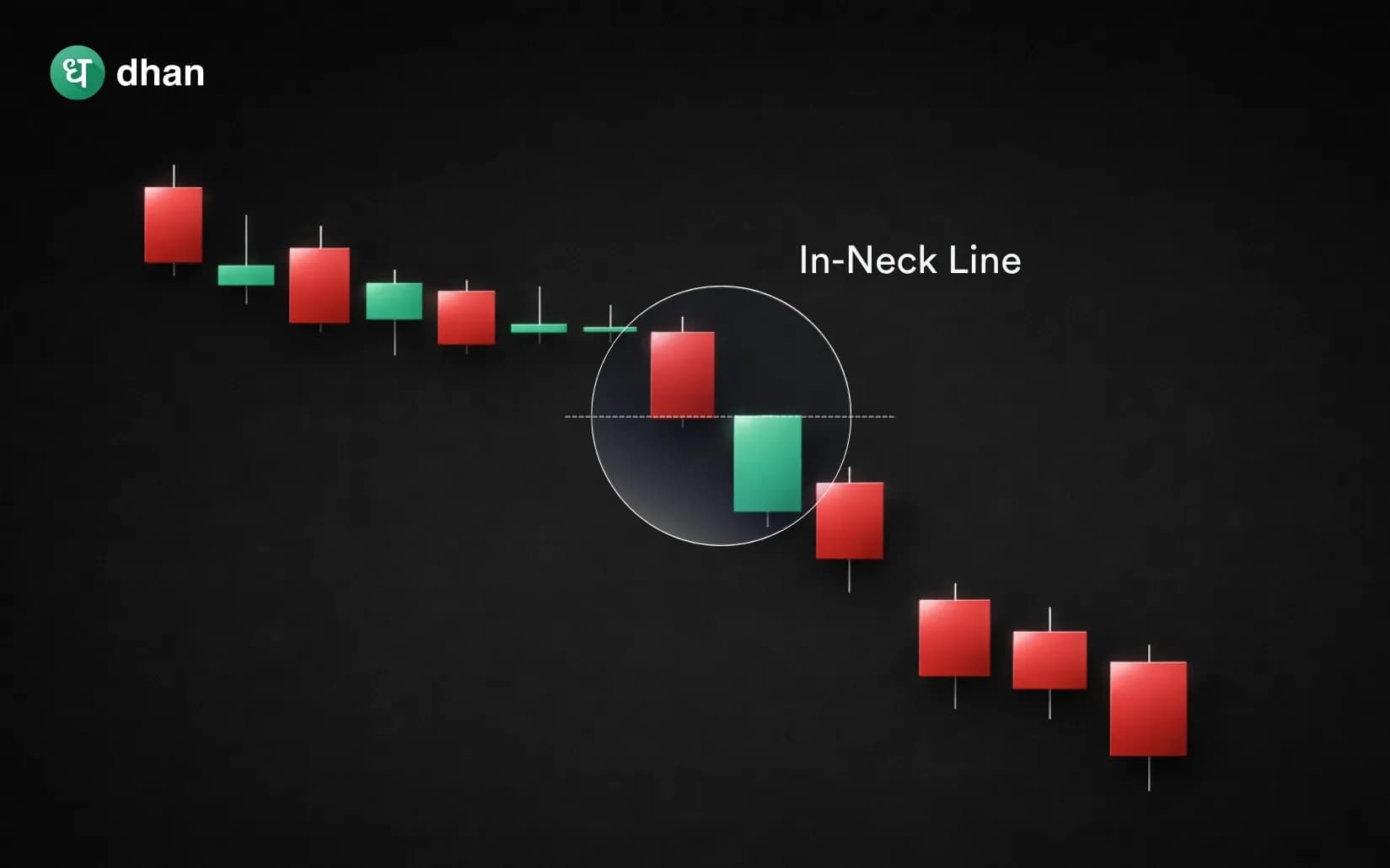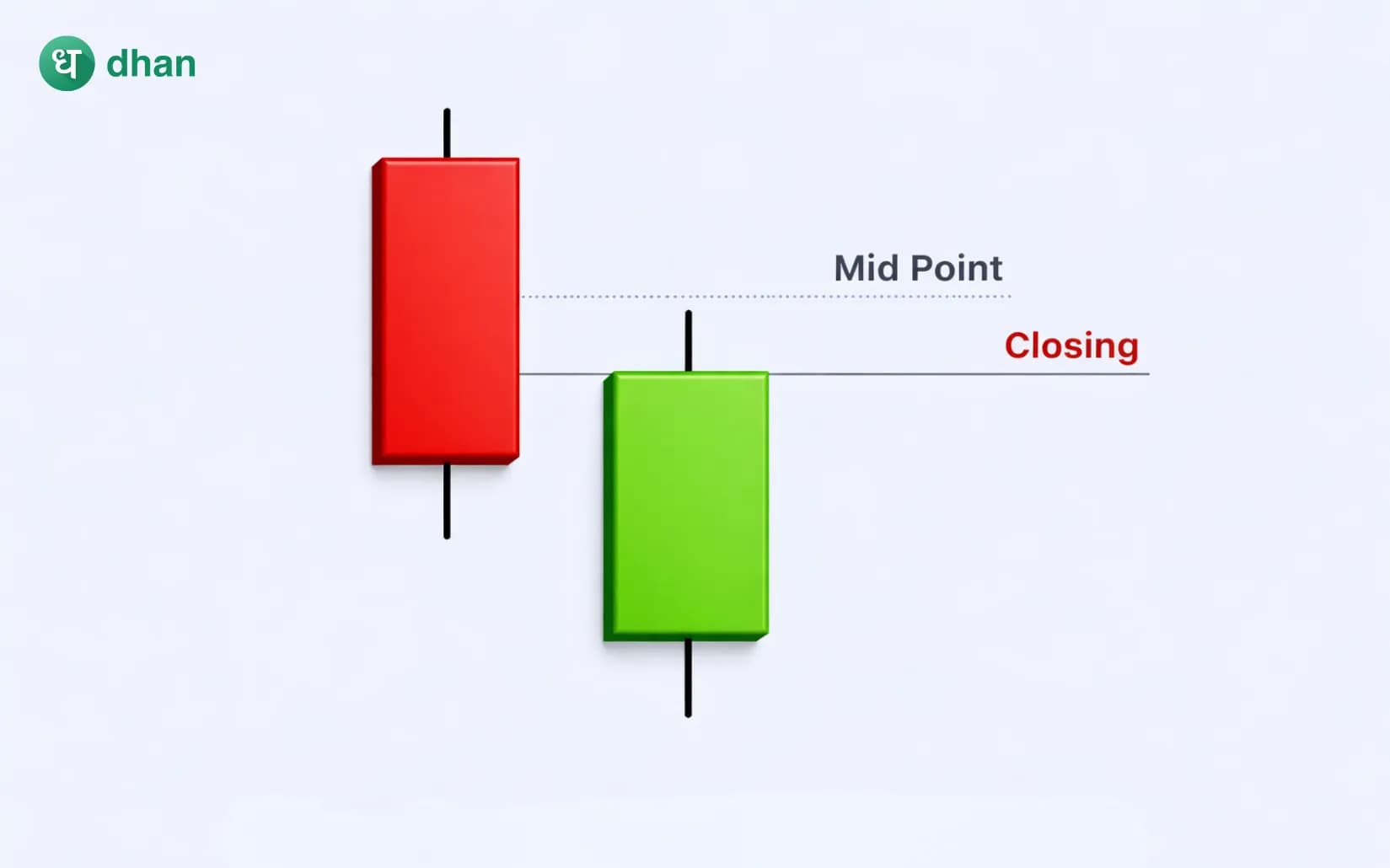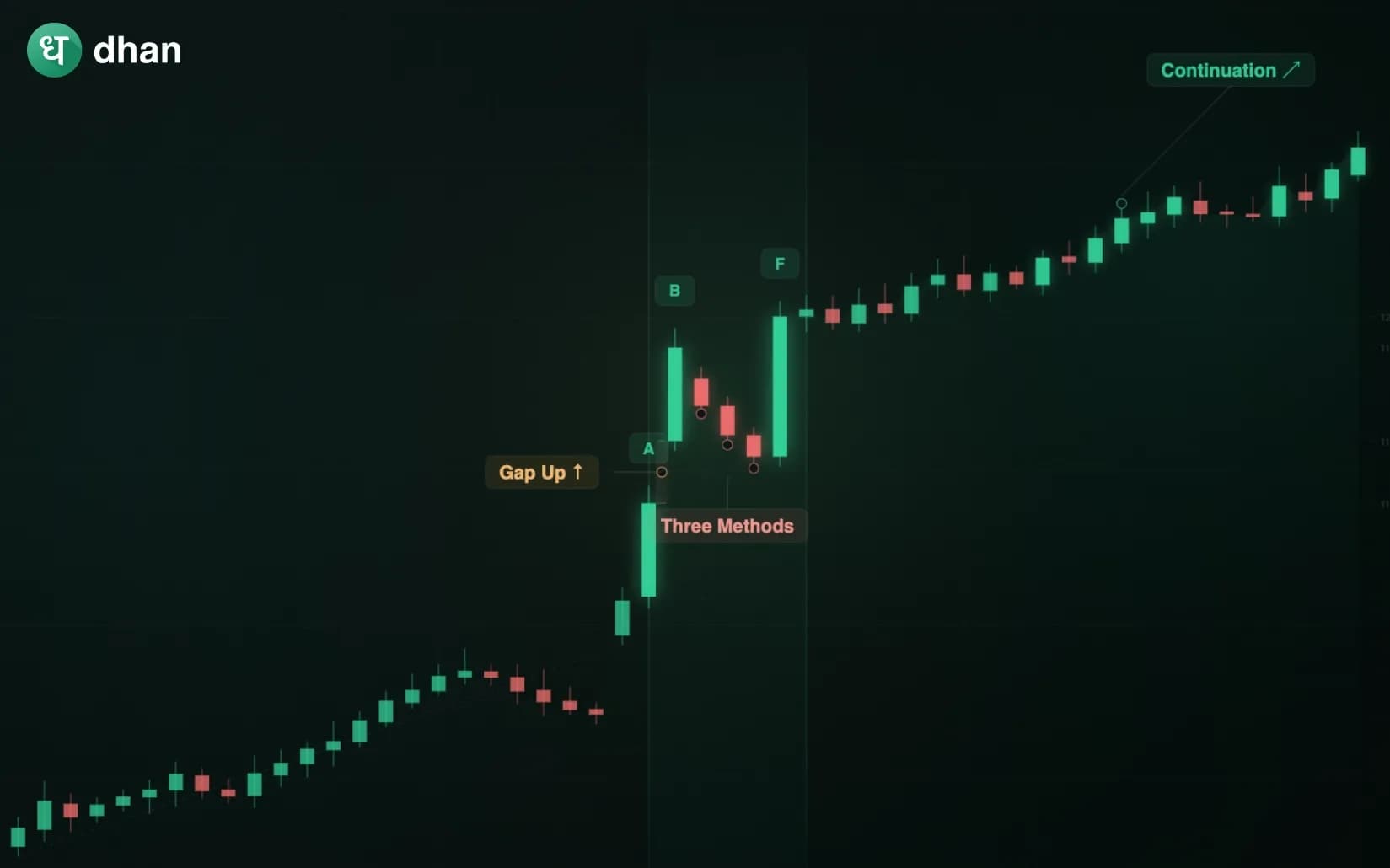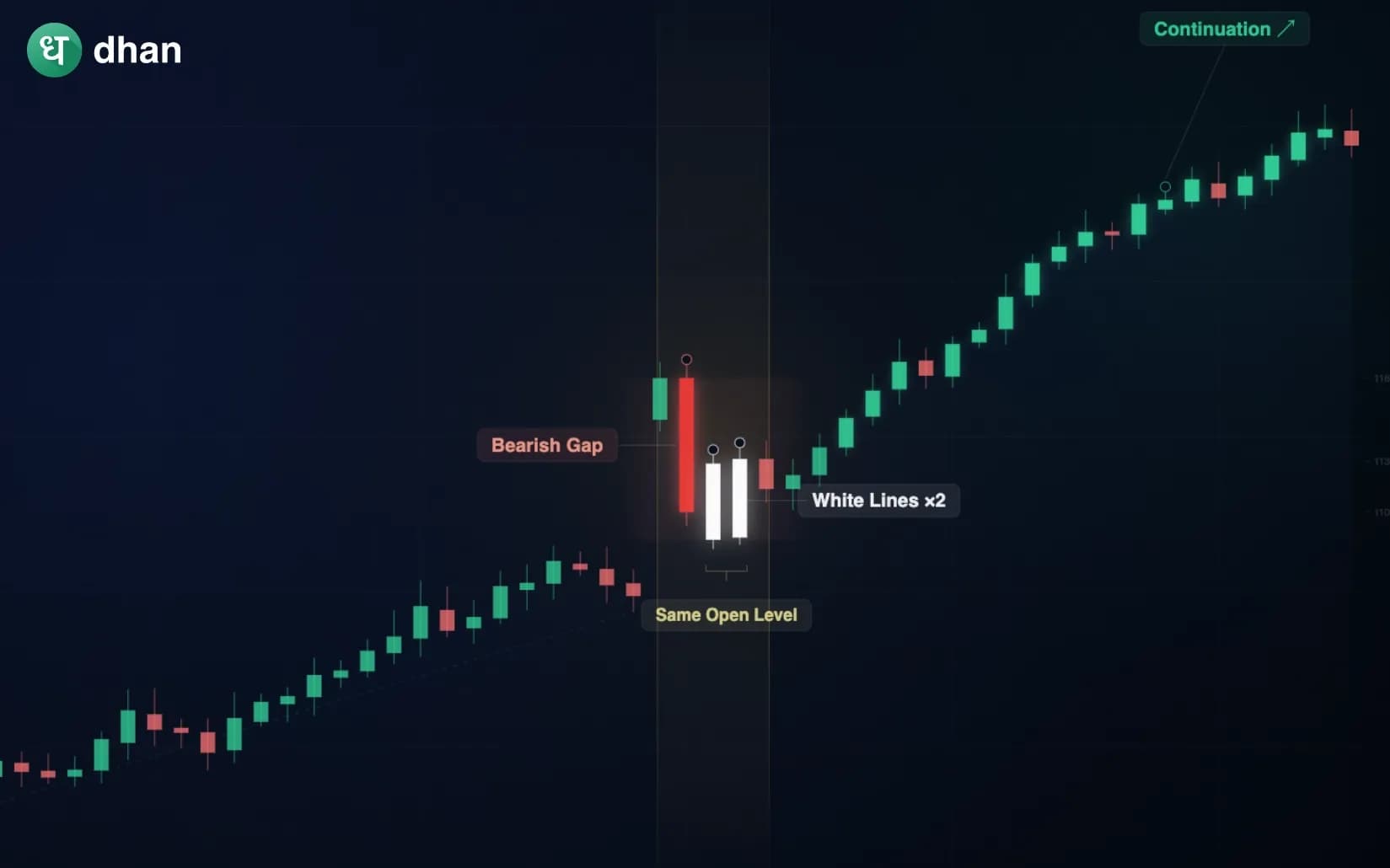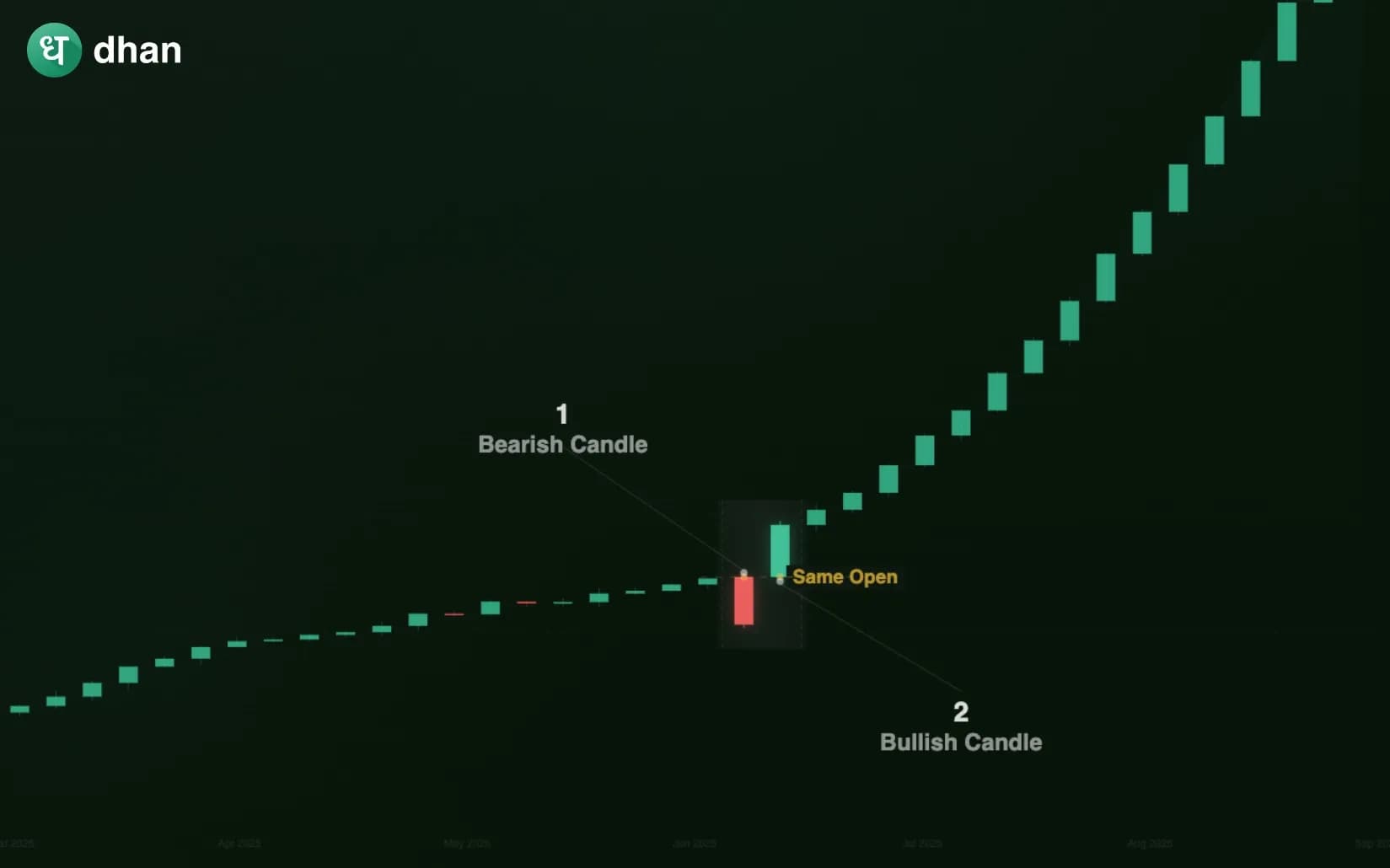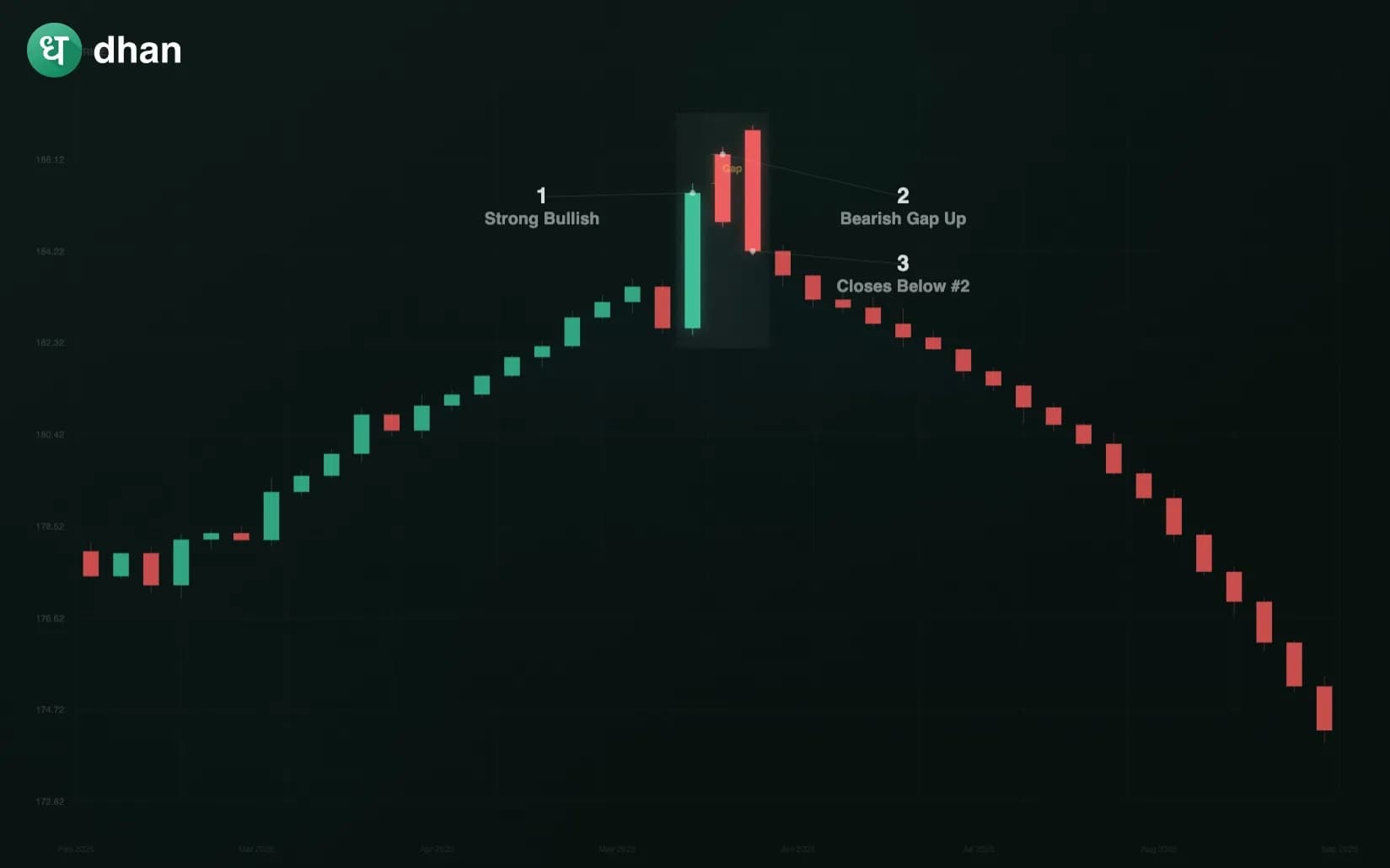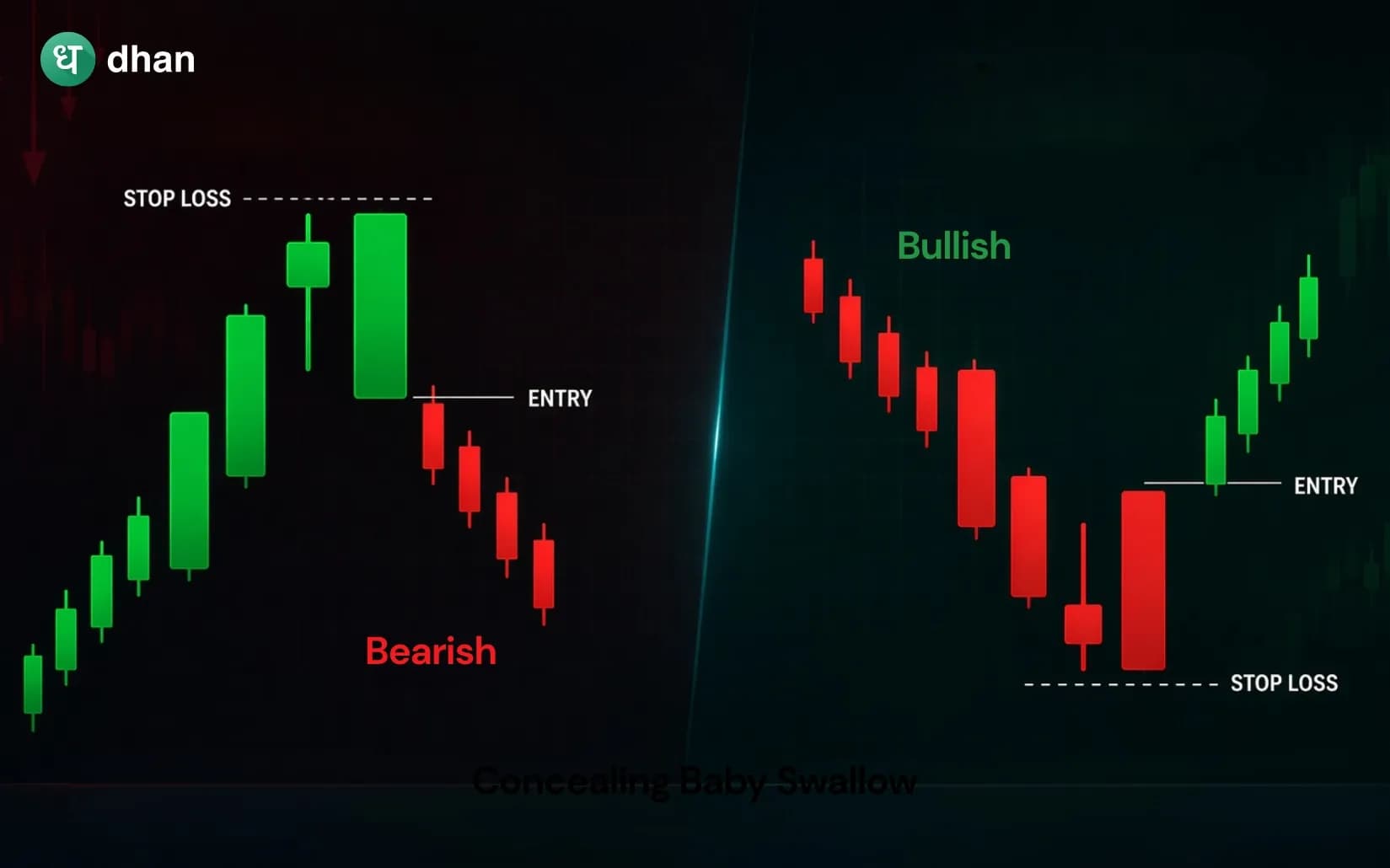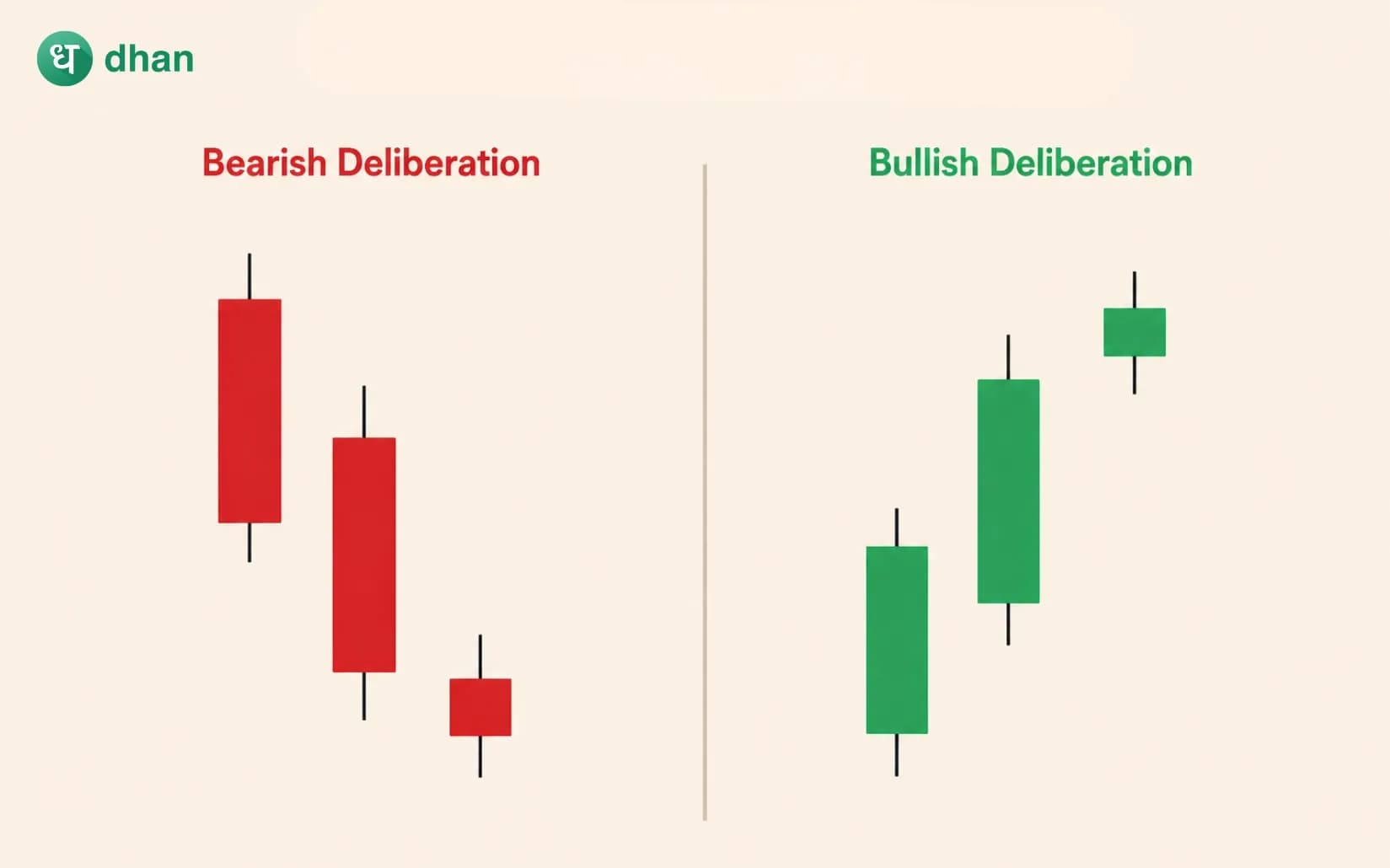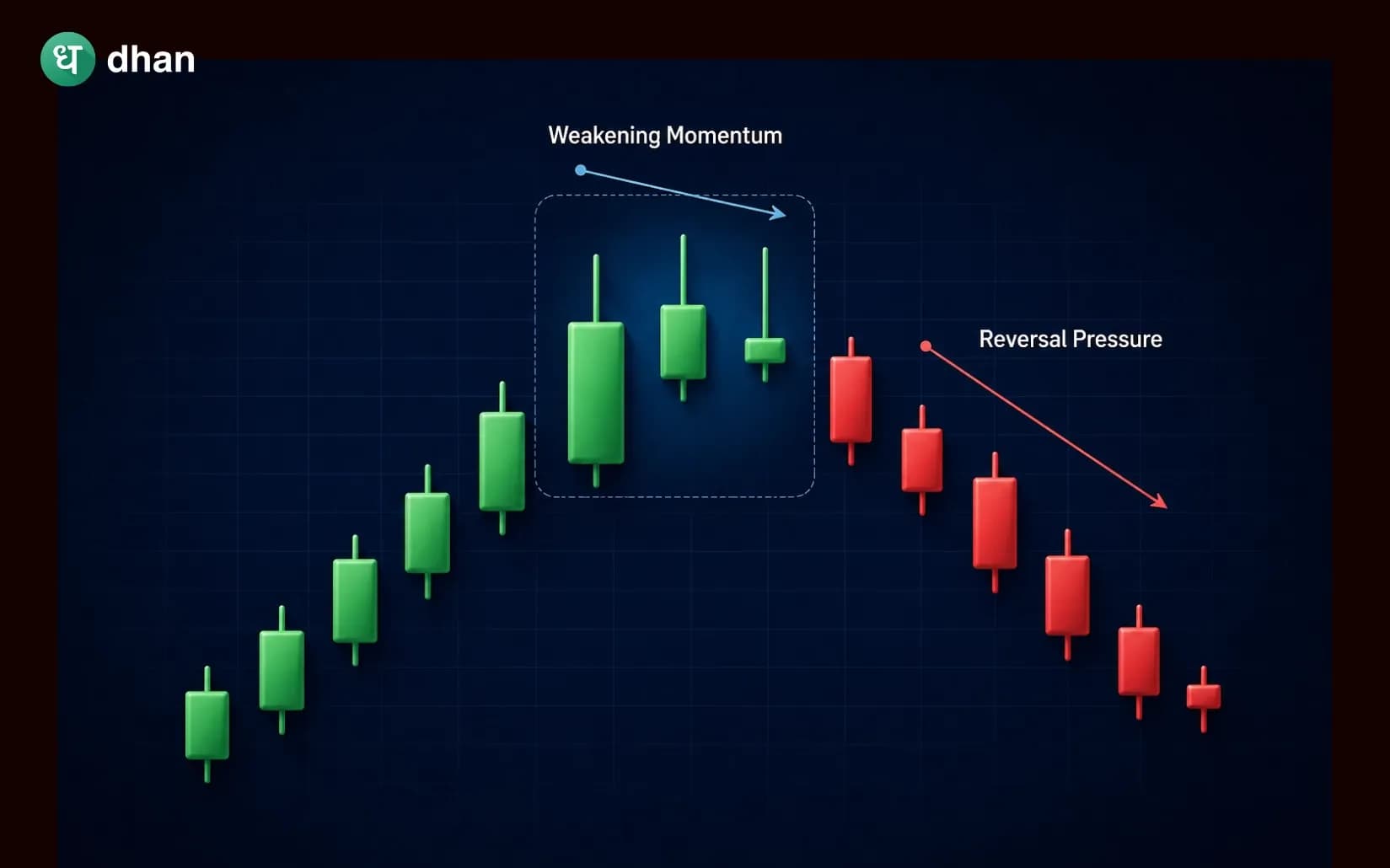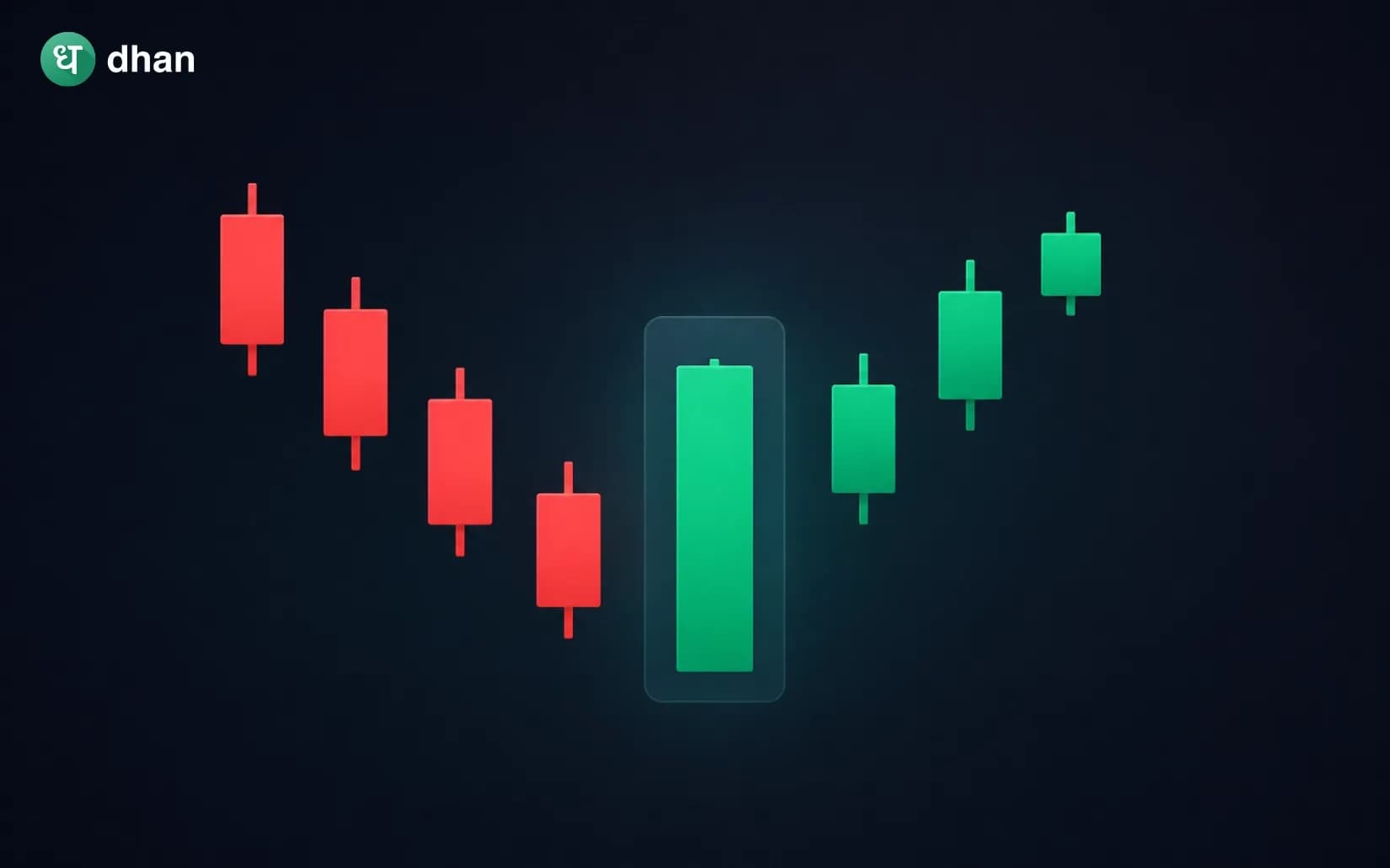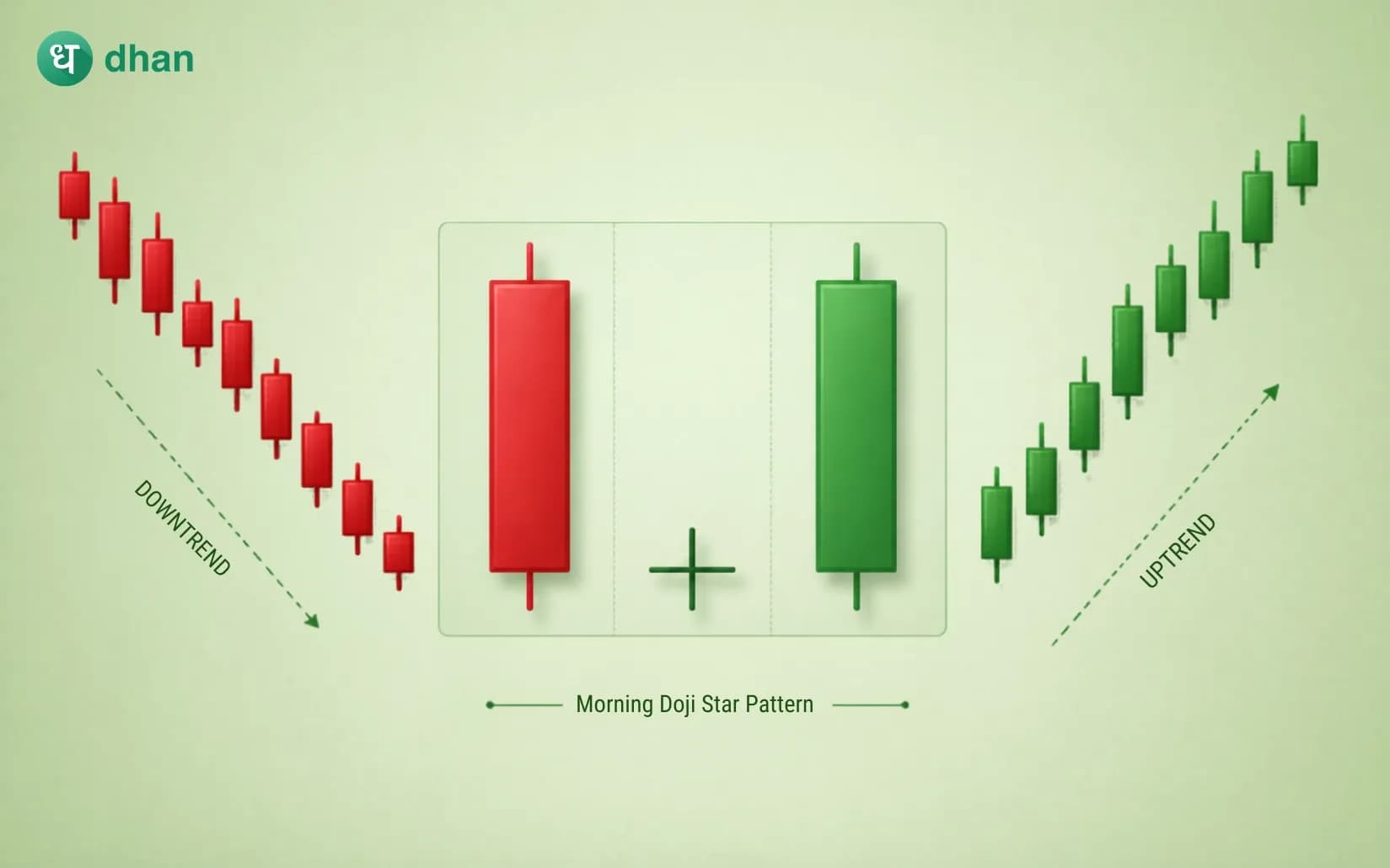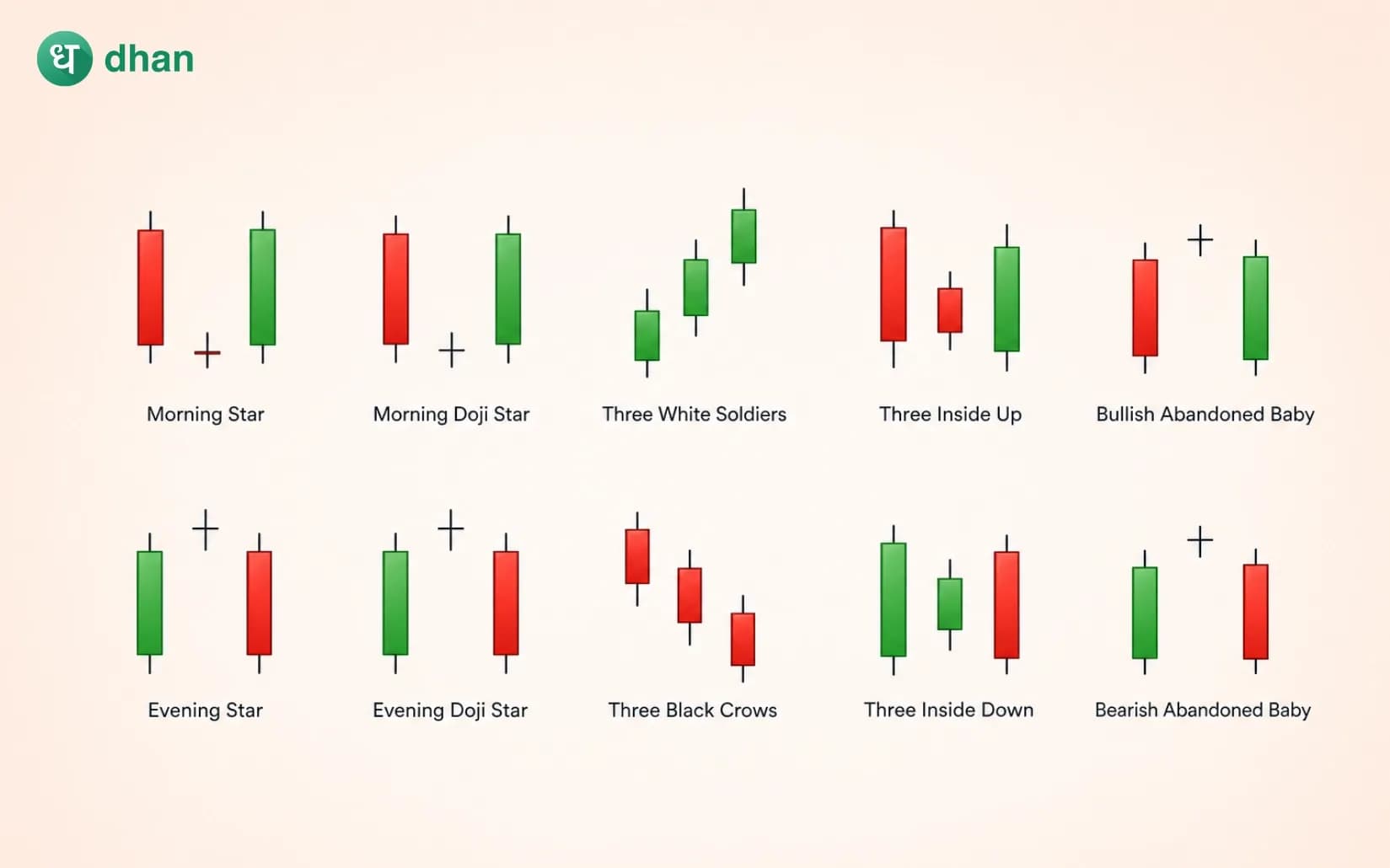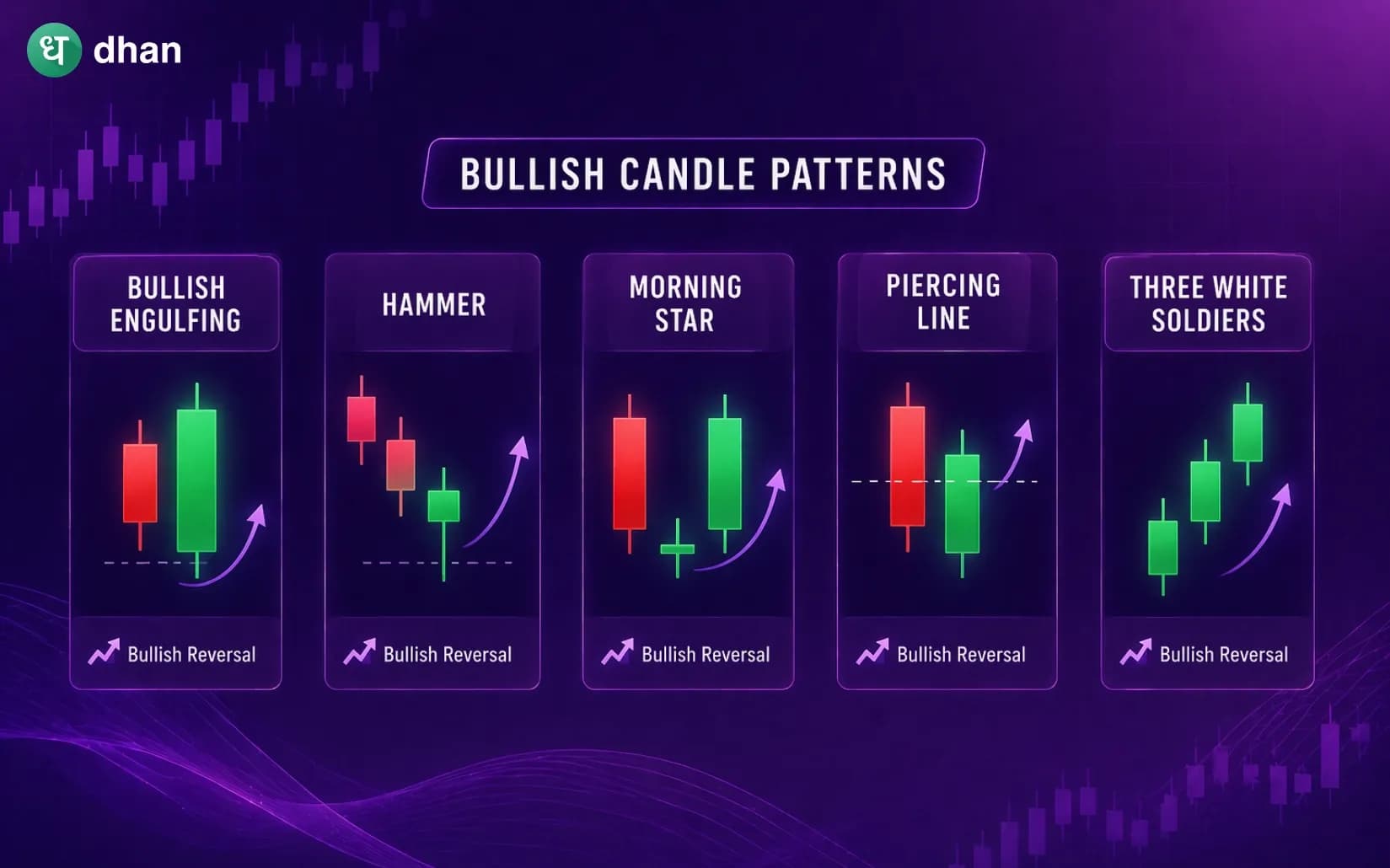

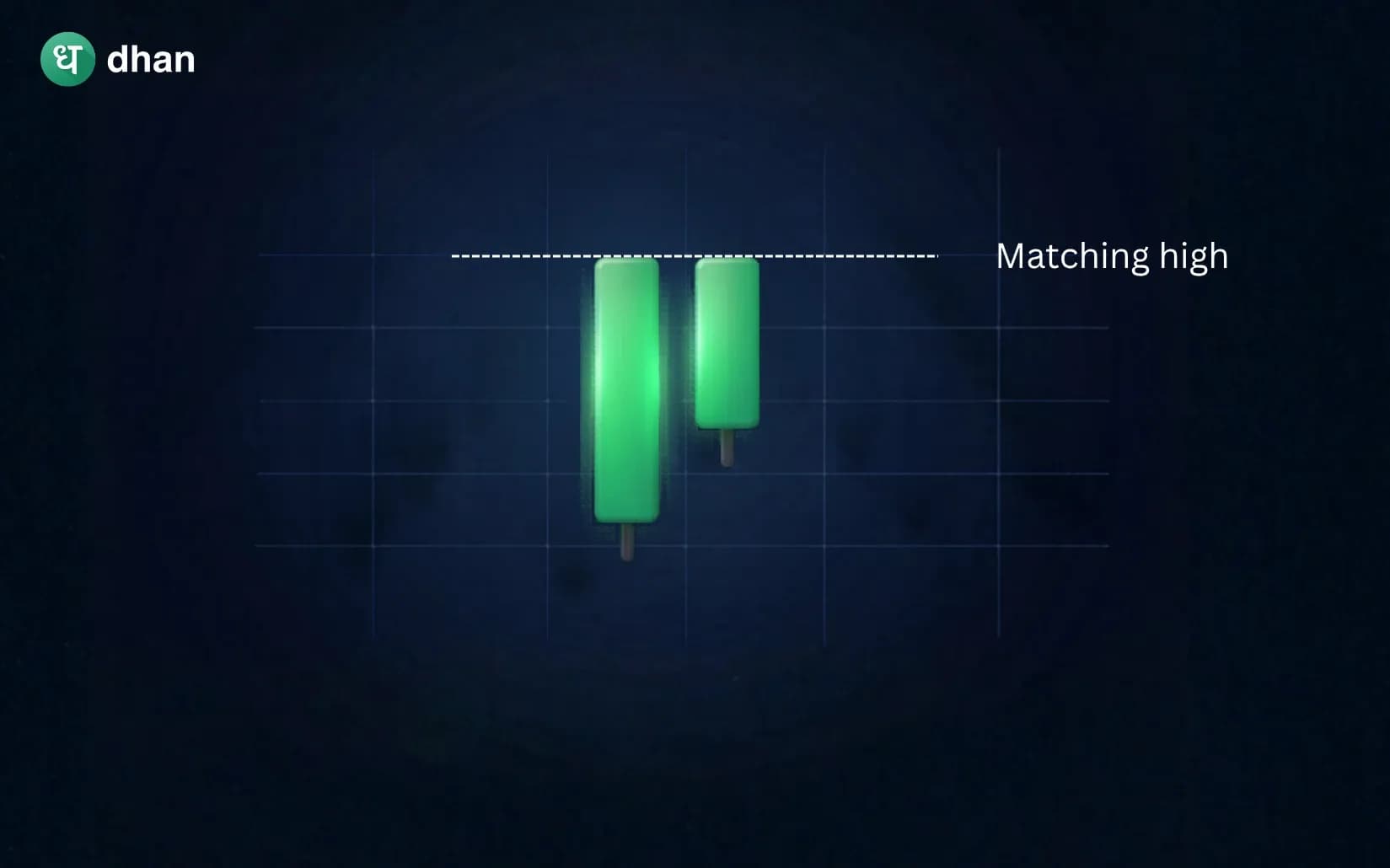
Three green candles in a row after a downtrend isn't luck, it's buyers taking back control. Here's how to read the Three White Soldiers pattern correctly.
How to Read Footprint Charts? Imbalances, Absorption, and Delta Explained
Once traders understand the basic concepts, footprint charts can provide deeper insight into market behavior. In this article, we will break down how footprint charts work and explain important concepts like imbalances, absorption, and delta.
Every candle on a price chart is telling you a story about who was in control buyers, sellers, or neither. Here's how to read what the market is actually saying.
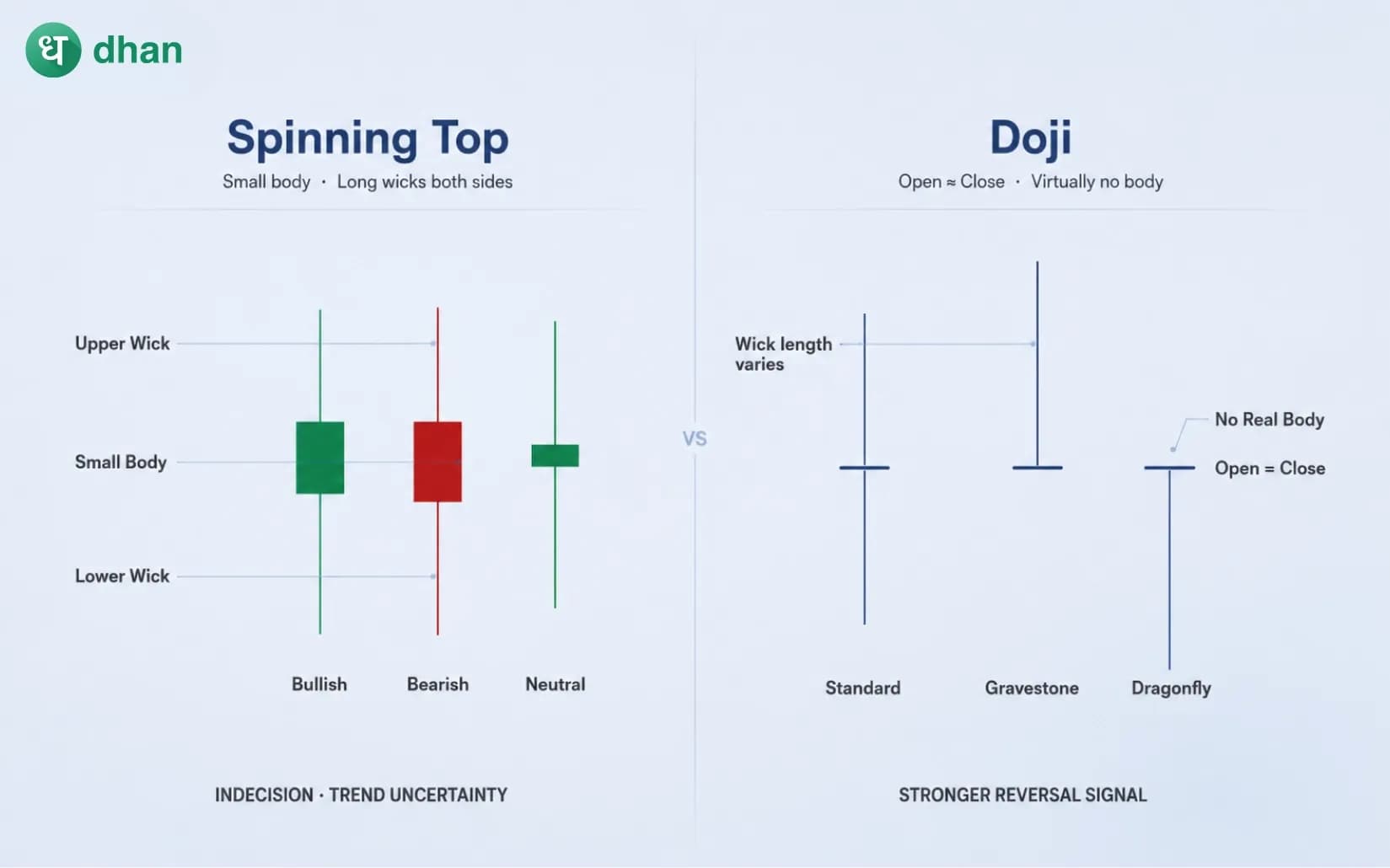
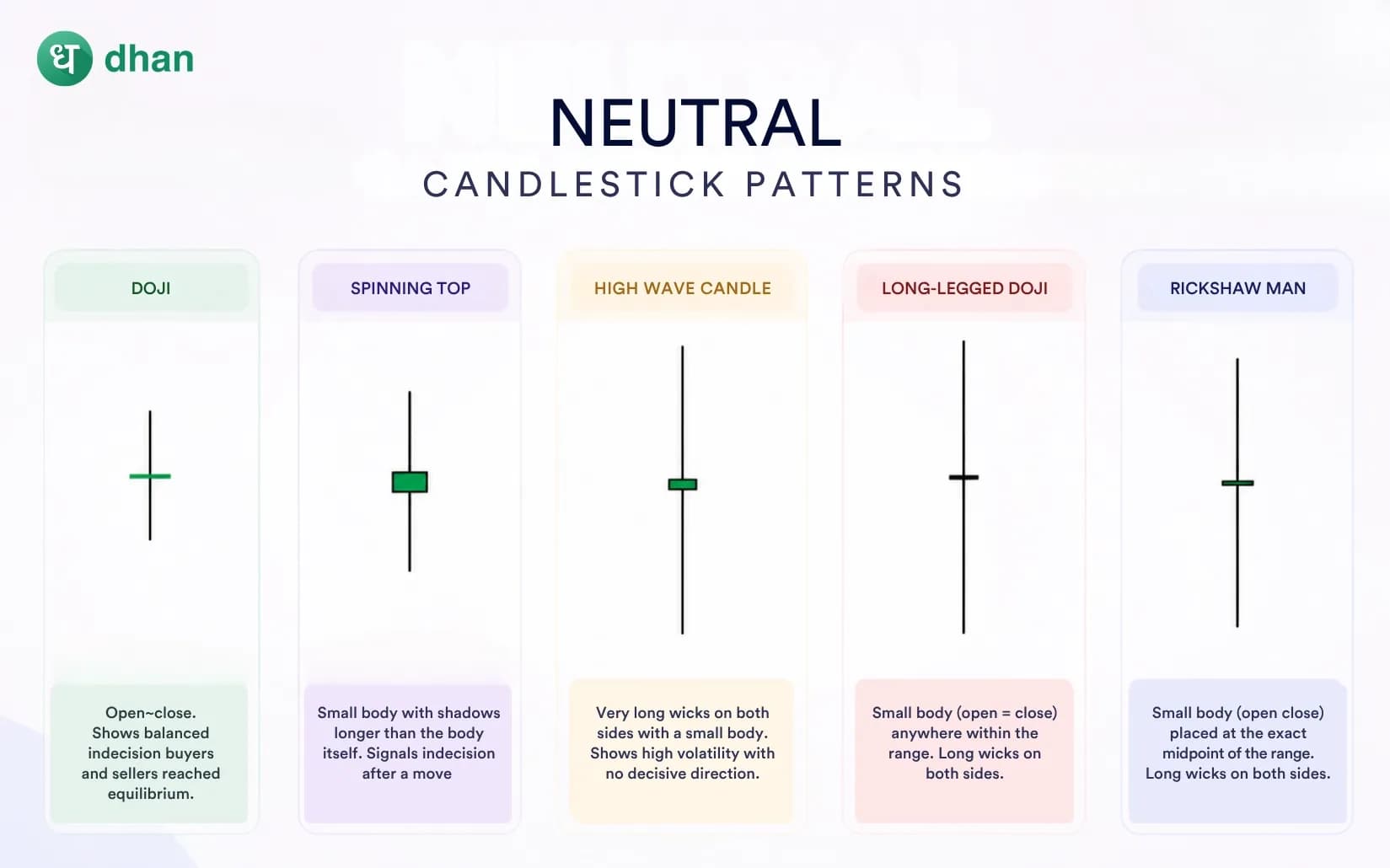
When neither buyers nor sellers win the session, the market draws a spinning top. It's not a signal to trade it's a signal to pay very close attention to what comes next.
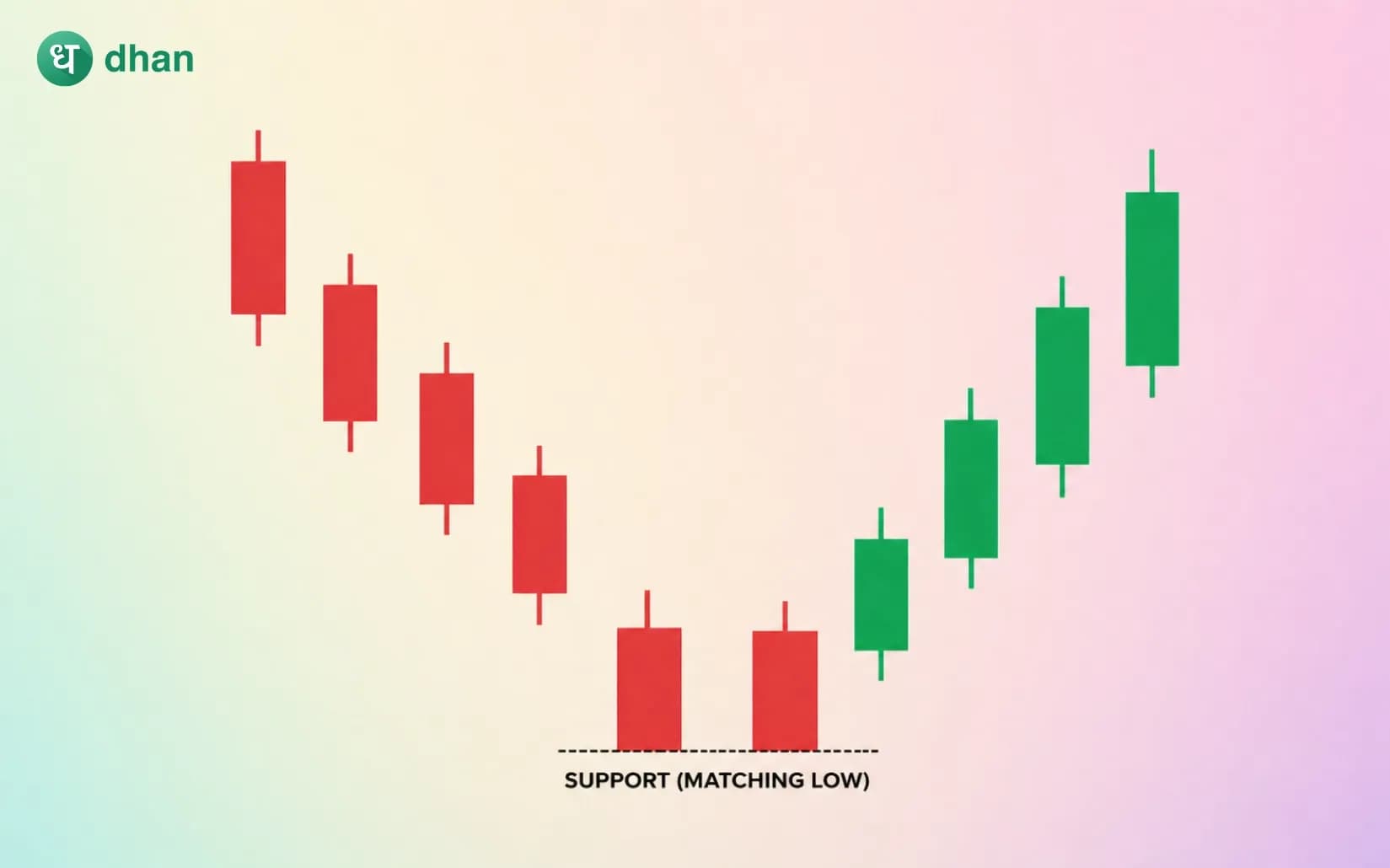
Sellers tried three times to break support and failed every time. The triple bottom pattern is what persistent buyer conviction looks like on a chart. Here's how to trade it.
Most candles tell a story of hesitation. The Marubozu tells a story of total control 1 side dominated the entire session without giving an inch. Here's what that means for your next trade.
When the market hits the same wall three times and can't break through, it's not a coincidence it's the triple top pattern telling you the trend is about to flip.
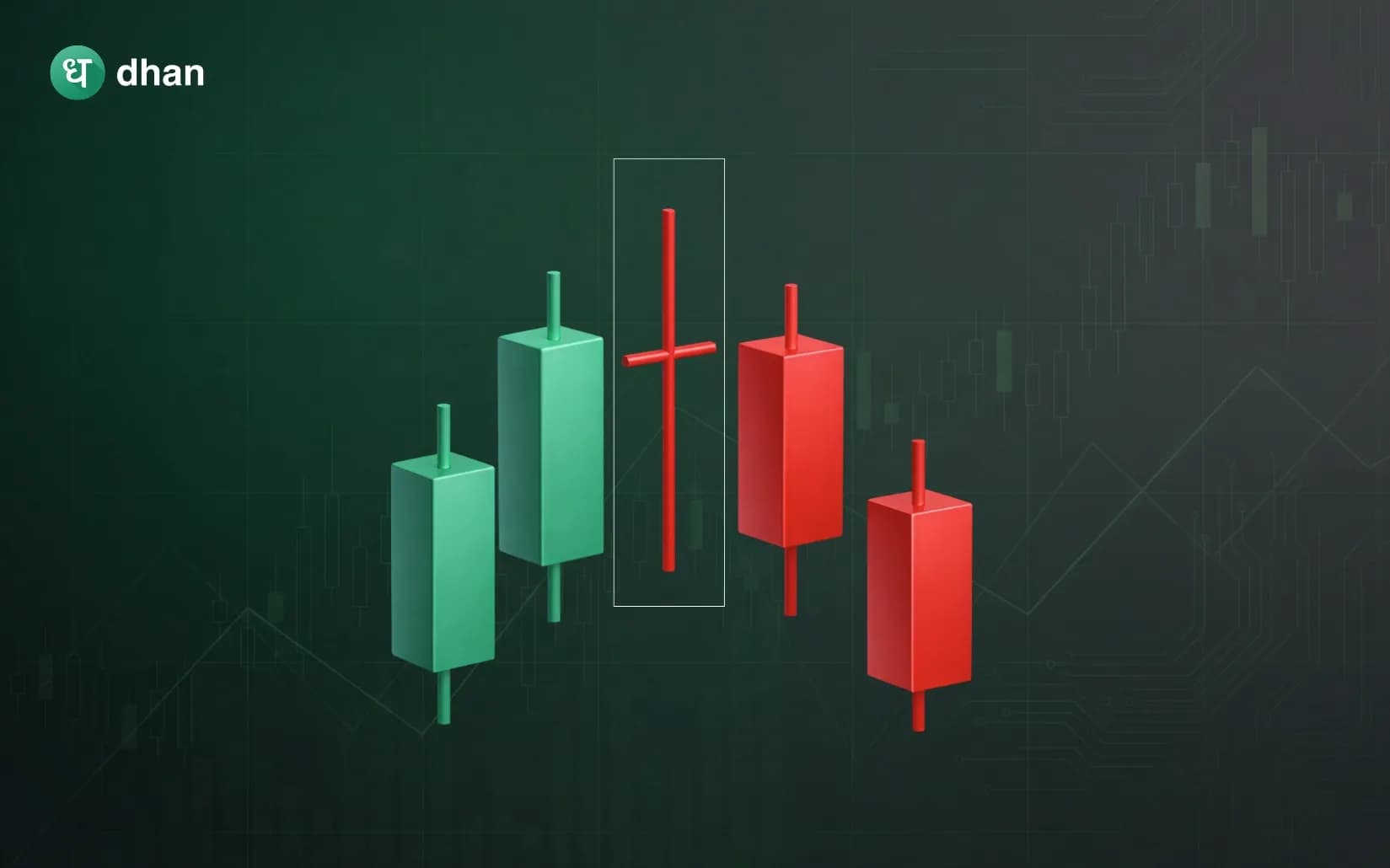
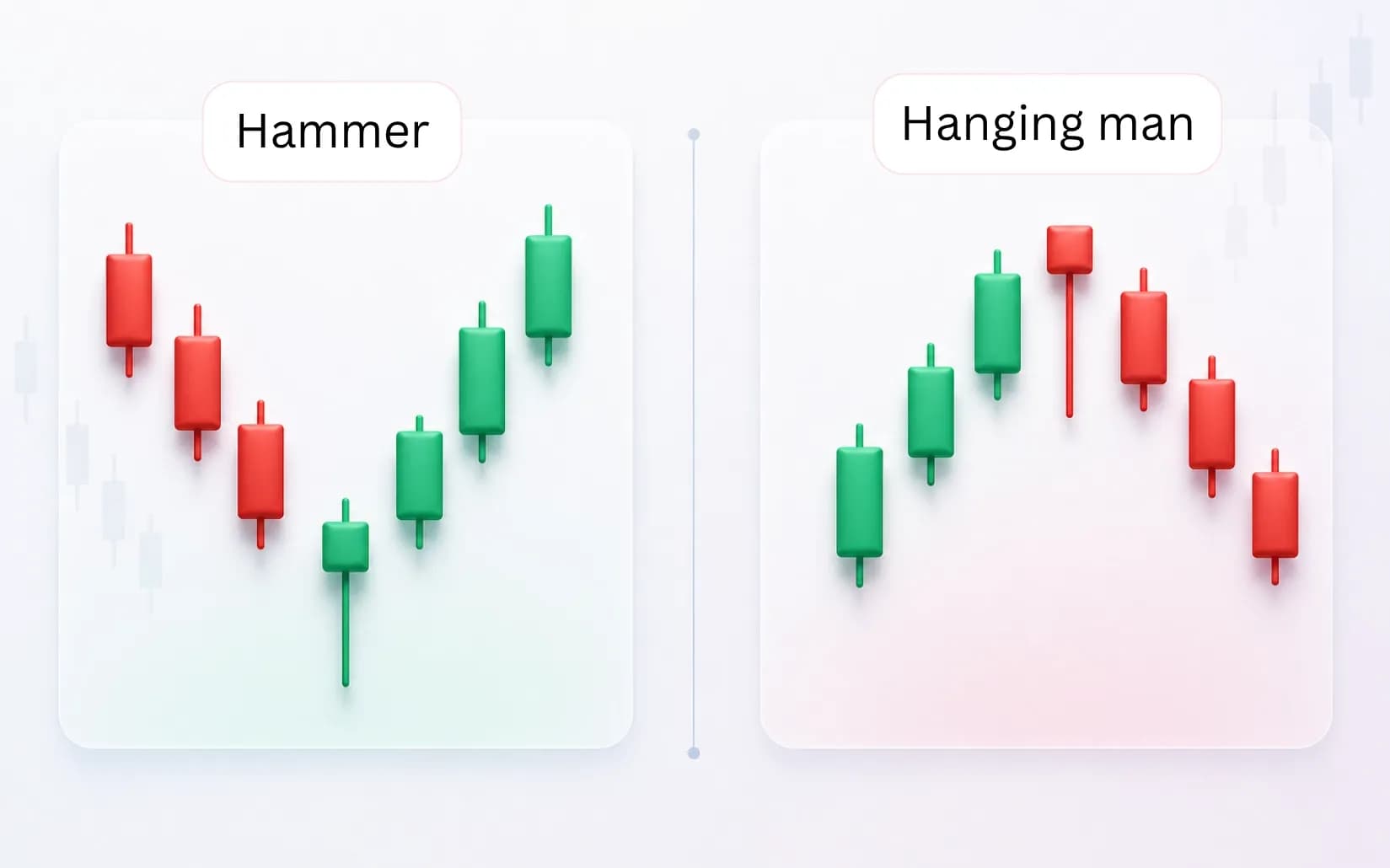
The market looks strong but one candle tells a different story. The hanging man pattern shows sellers testing control during an uptrend before most traders even notice the shift.
Types of Order Flow Charts Explained: Footprint, DOM, Delta, and Volume Profile
Order Flow trading has become increasingly popular among active traders. One of the biggest challenges beginners face is understanding the different types of Order Flow charts.
If you have ever looked at a trading chart and felt confused by all the candles and indicators, you are not alone. Many beginners think technical analysis and technical indicators are the same thing, but they are not.
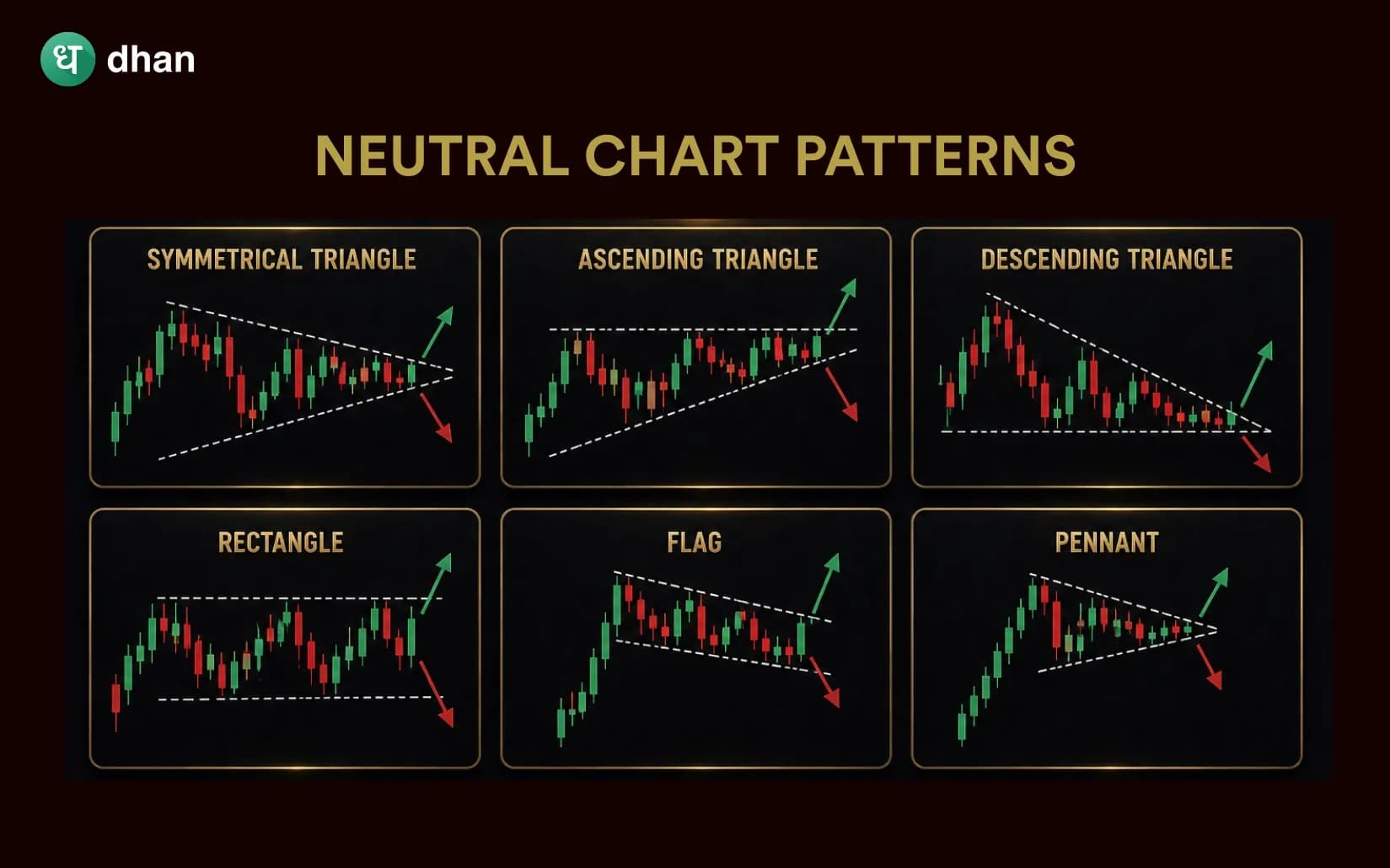
The market can't stay undecided forever. The symmetrical triangle shows exactly when buyers and sellers are running out of room and what happens when one side finally wins.
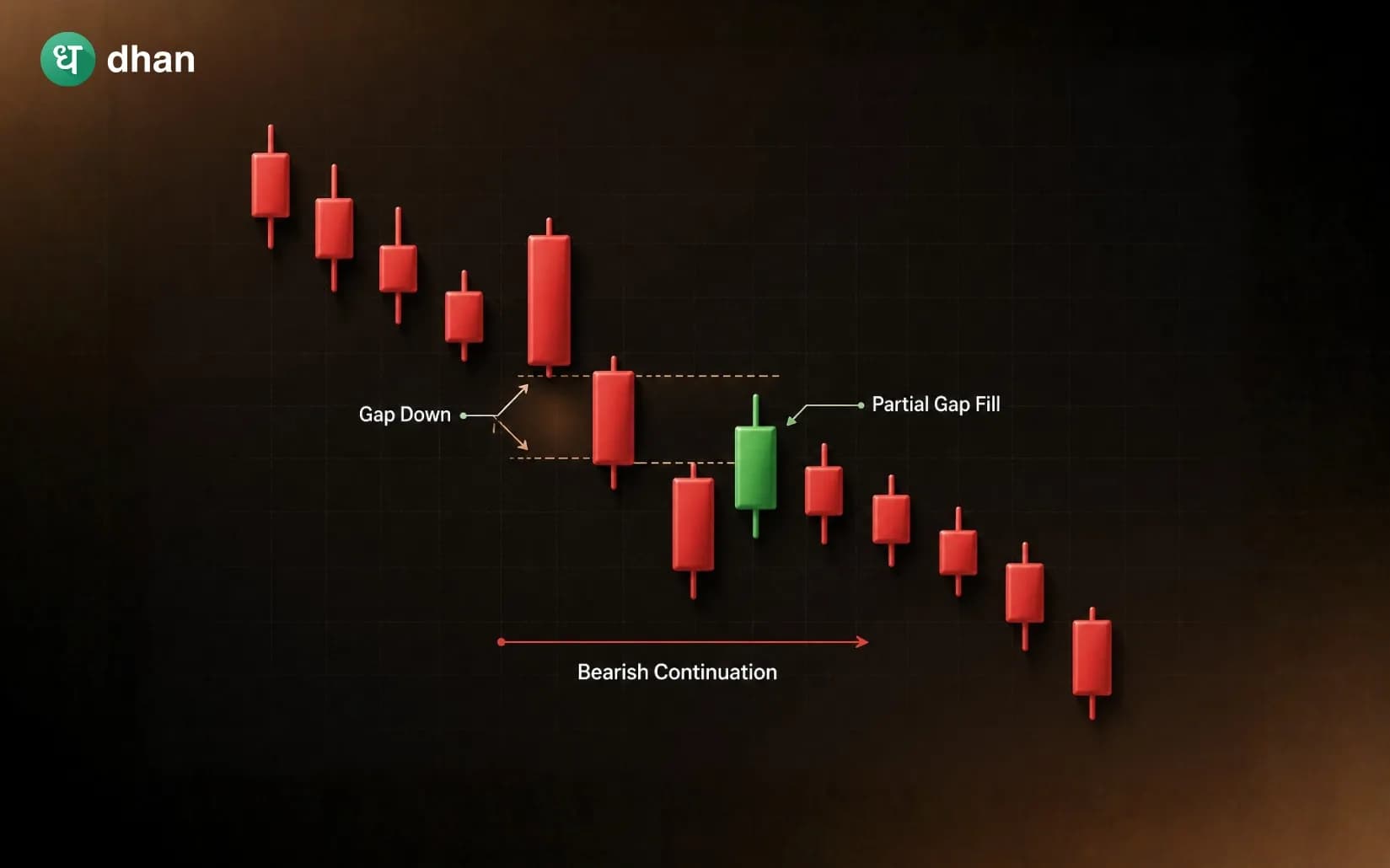
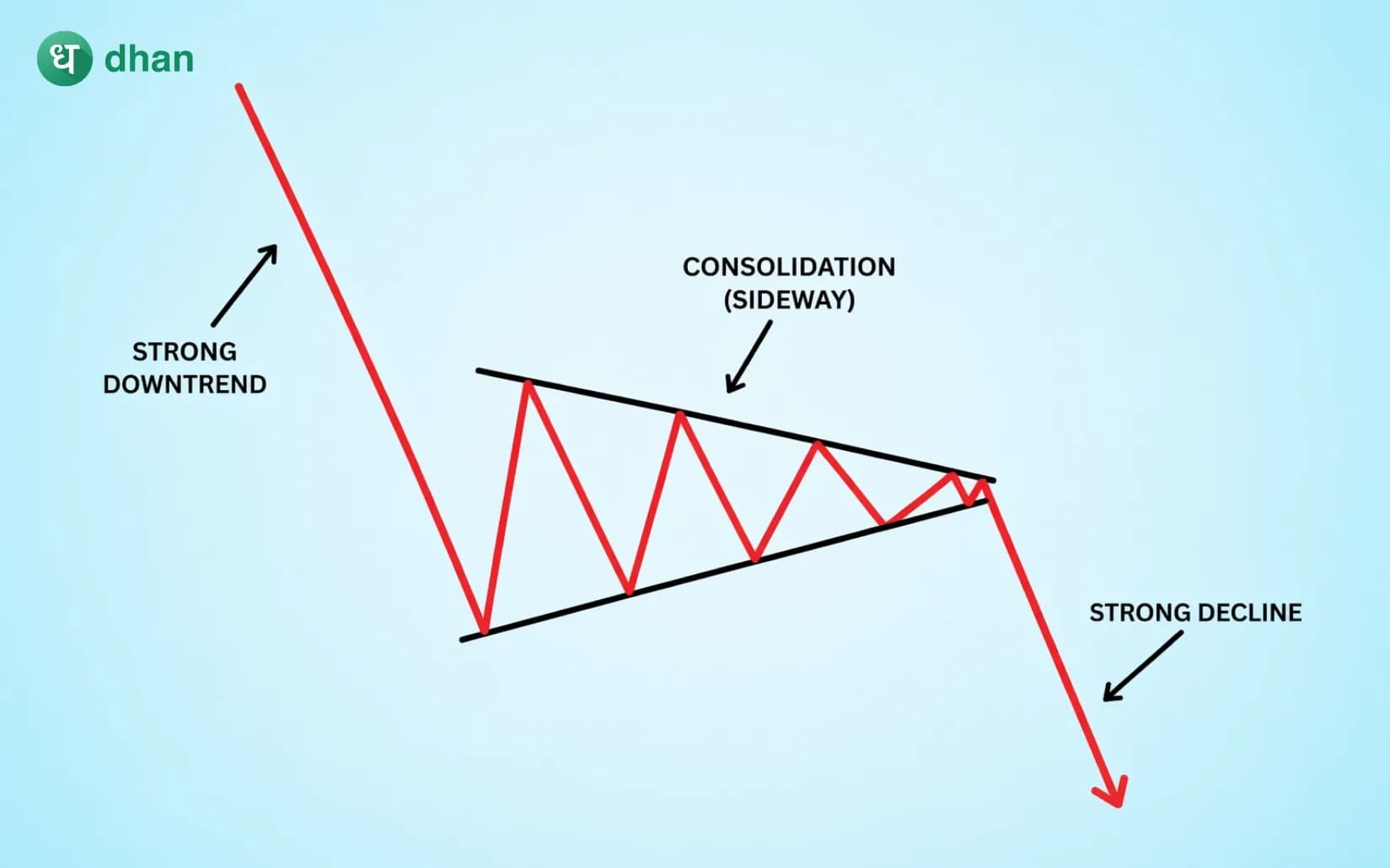
The bear flag pattern signals a bearish continuation after a sharp decline and brief consolidation. Learn how to spot, confirm, and trade it effectively.
The OBV indicator tracks cumulative volume flow to reveal buying & selling pressure behind price moves. Learn how to read OBV signals & use them to confirm trends & spot reversals.
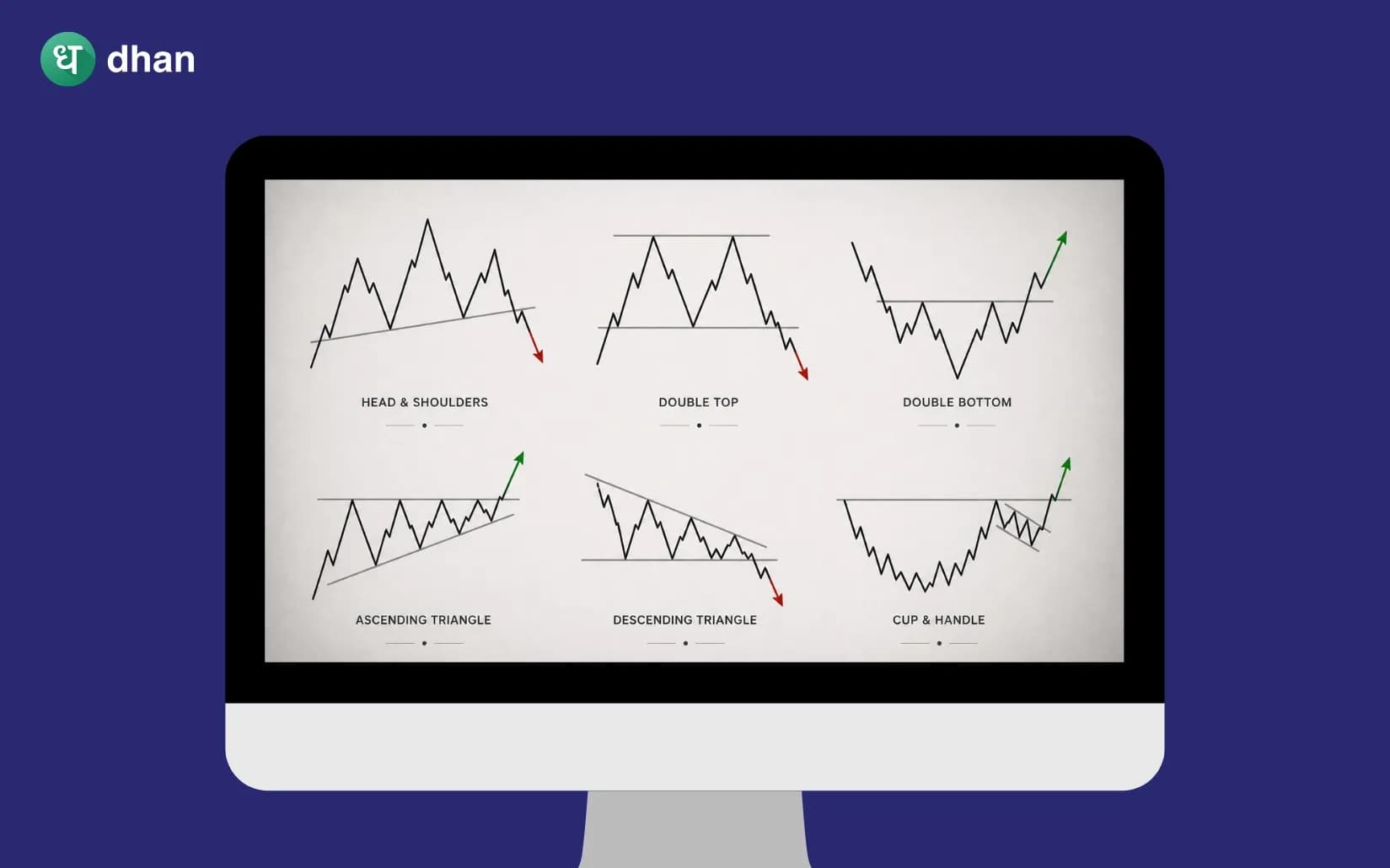
The double top pattern forms when price fails to break resistance twice, signalling a potential bearish reversal. Learn its structure, psychology, and how traders use it to plan trades.
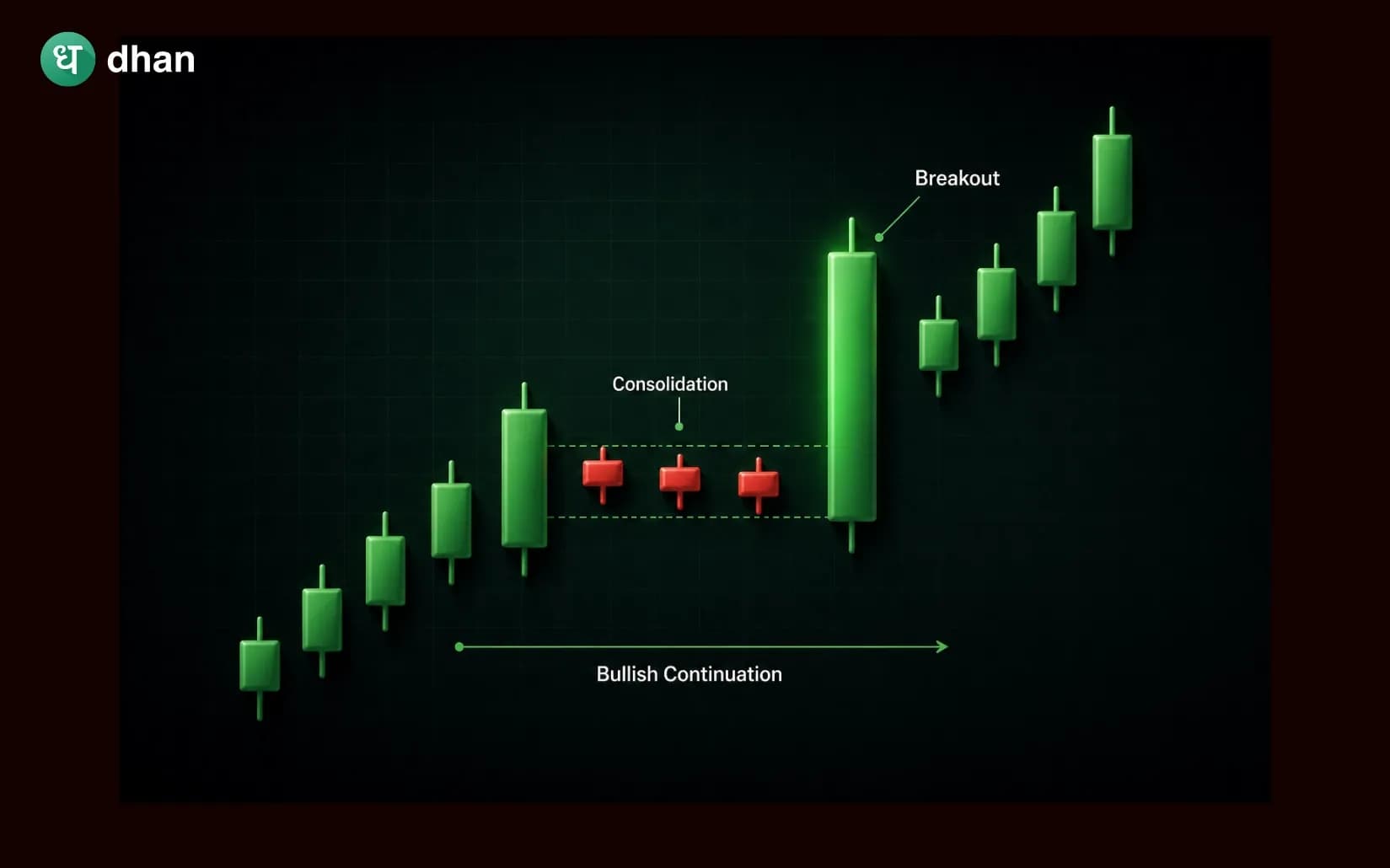
A sharp rally followed by a controlled pullback isn't weakness it's the bull flag setting up for the next leg higher. Here's how experienced traders use it.
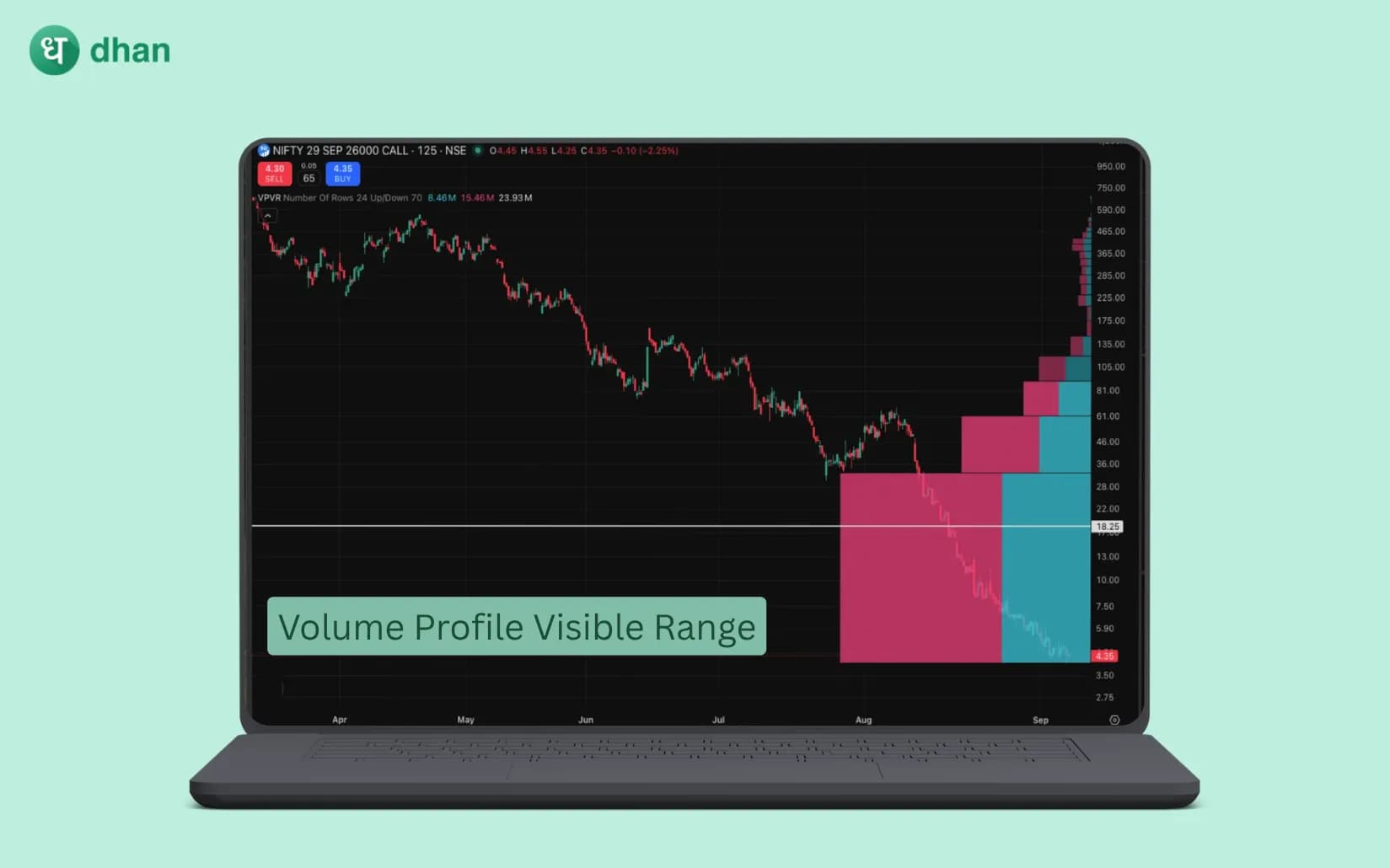
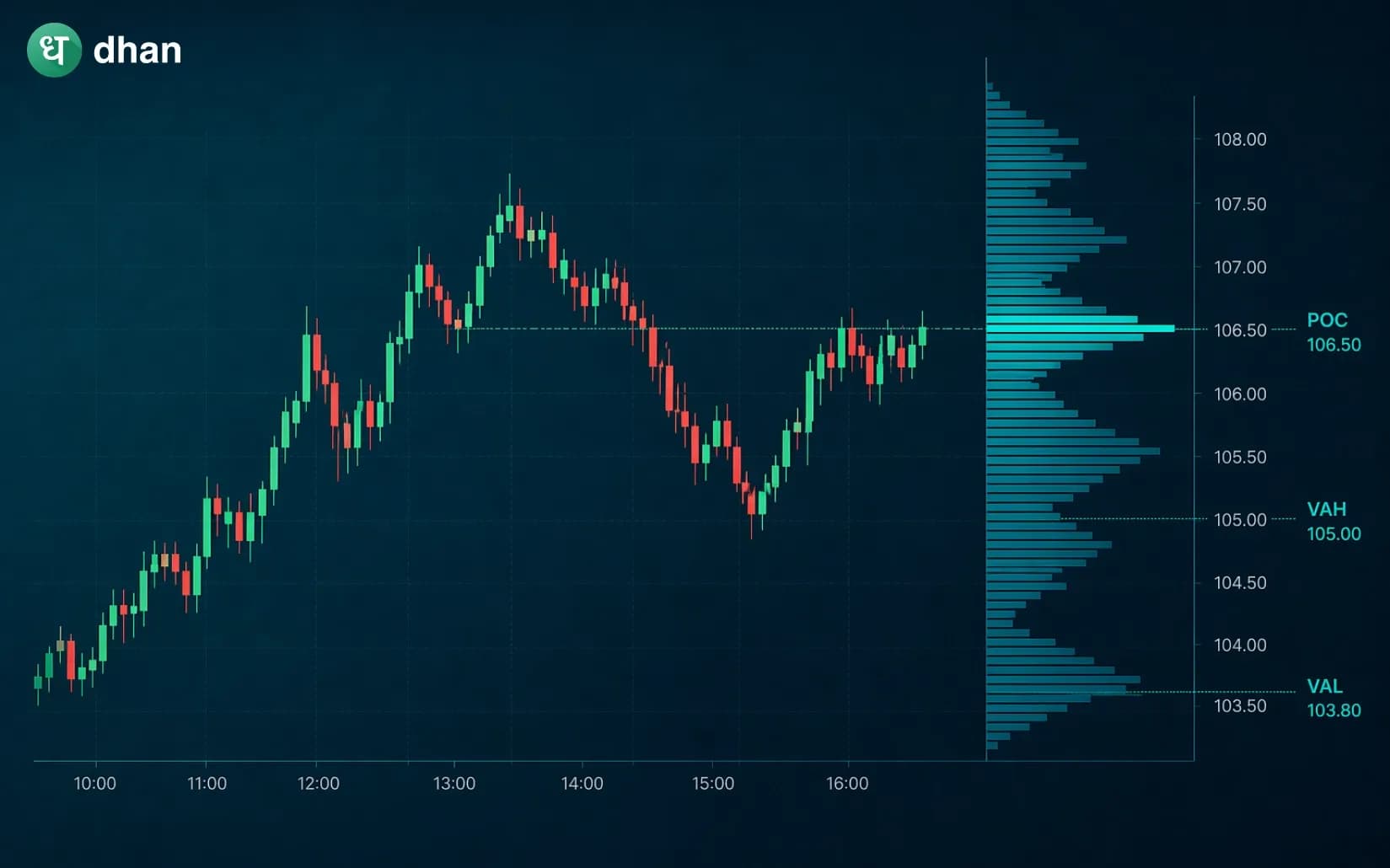
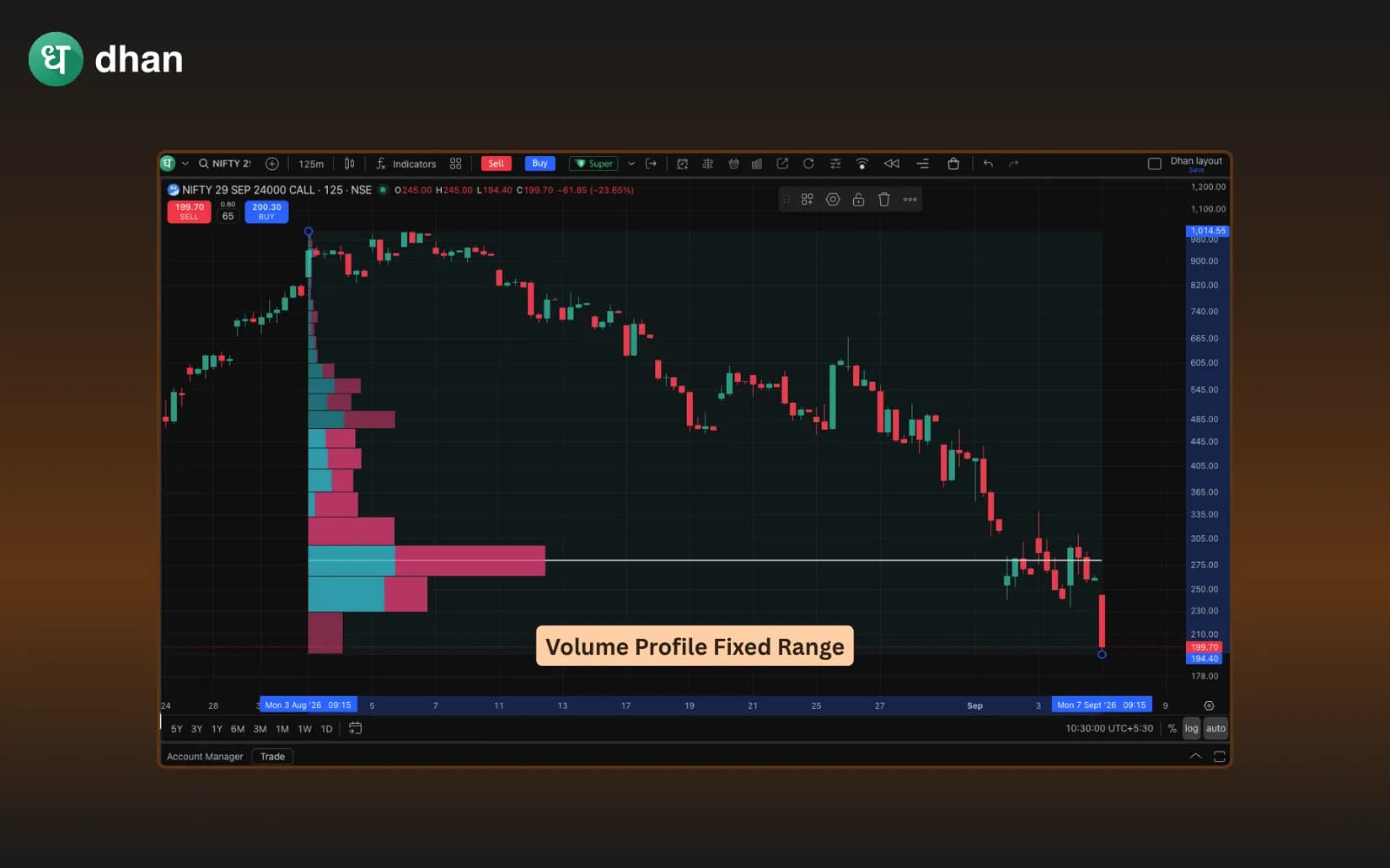
Regular volume tells you when the market was active. Volume profile tells you where. Here's how POC, Value Area, and volume nodes change the way you read price action.
One strong candle followed by a smaller one hiding inside it the bearish harami is the market whispering that buyers are running out of steam. Here's how to read it.
stock falls, stabilises, then suddenly reverses higher. That's not luck it's the inverse head and shoulders pattern building underneath. Here's how to spot and trade it.
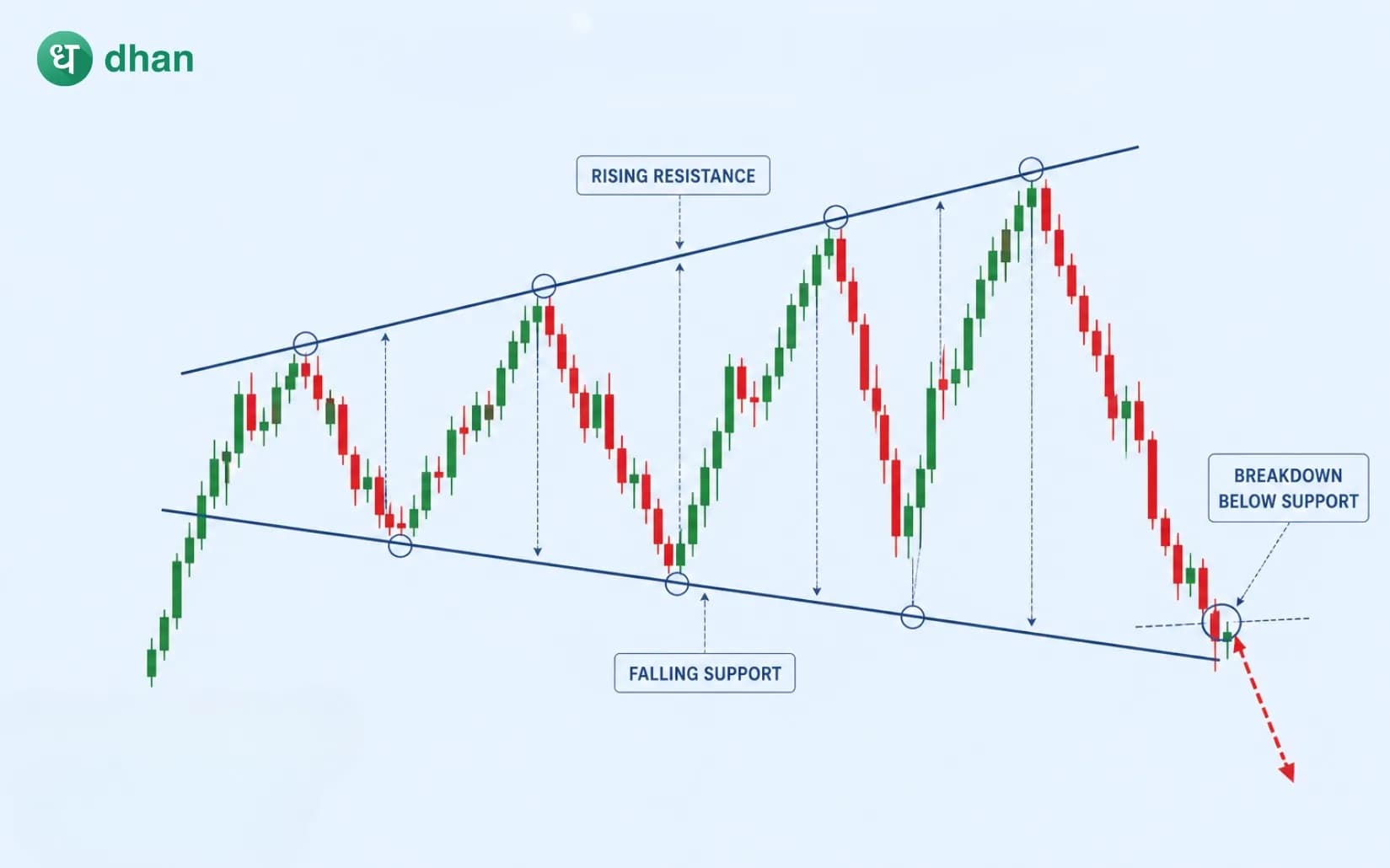
A falling wedge is a bullish chart pattern formed by two downward-sloping converging trendlines learn how to spot the breakout, set targets, and trade it right.
Those dots above and below price candles aren't random they're telling you exactly when a trend is alive and when it's about to flip. Here's how Parabolic SAR works.
The price is rising so why are traders getting ready to sell? The rising wedge pattern is one of technical analysis's biggest traps. Here's how to read it right.
Accumulation Distribution Indicator (A/D Indicator)
Buying or selling? Understand how the A/D indicator reveals hidden buying and selling pressure using price and volume to spot trends before they become obvious.
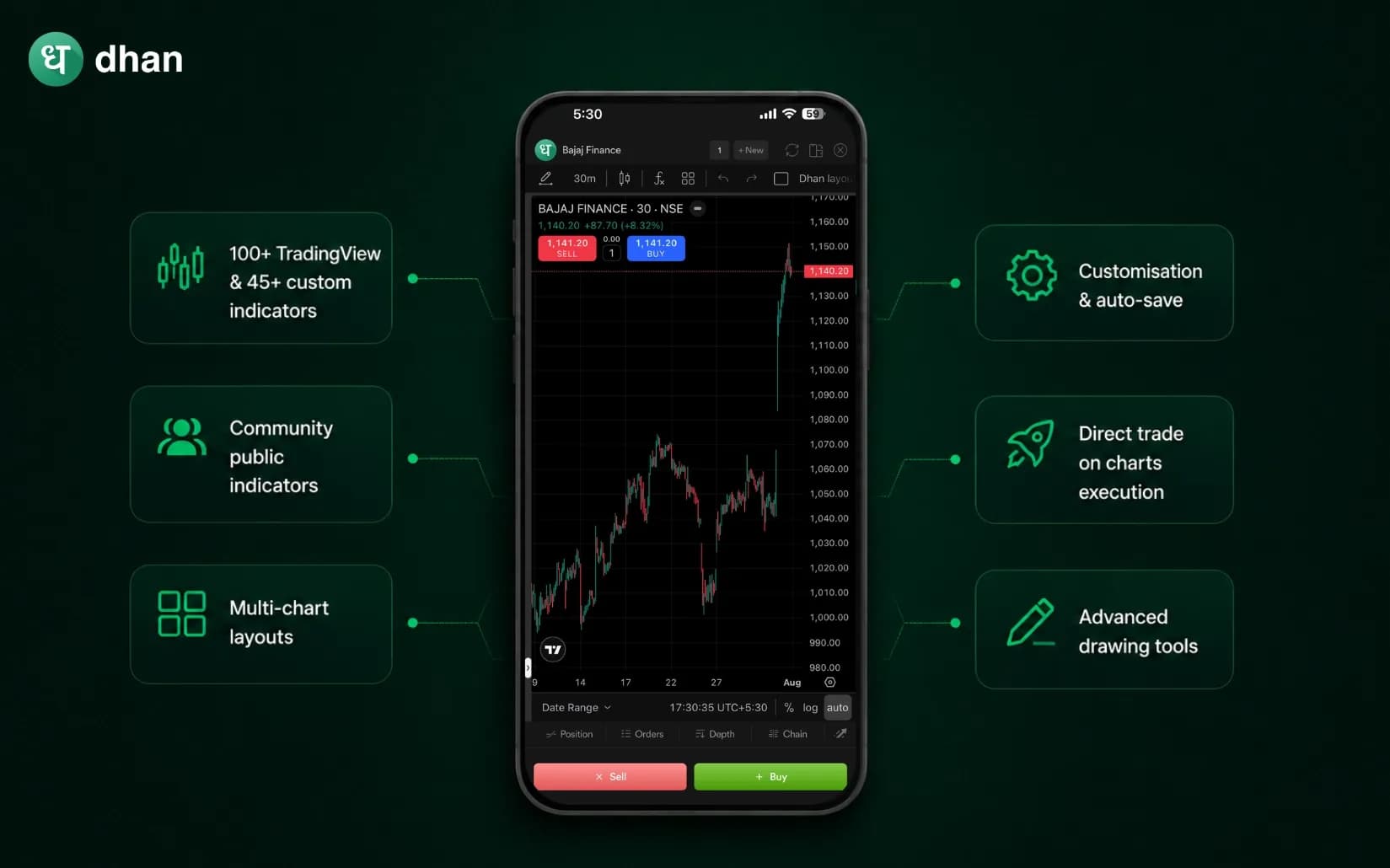
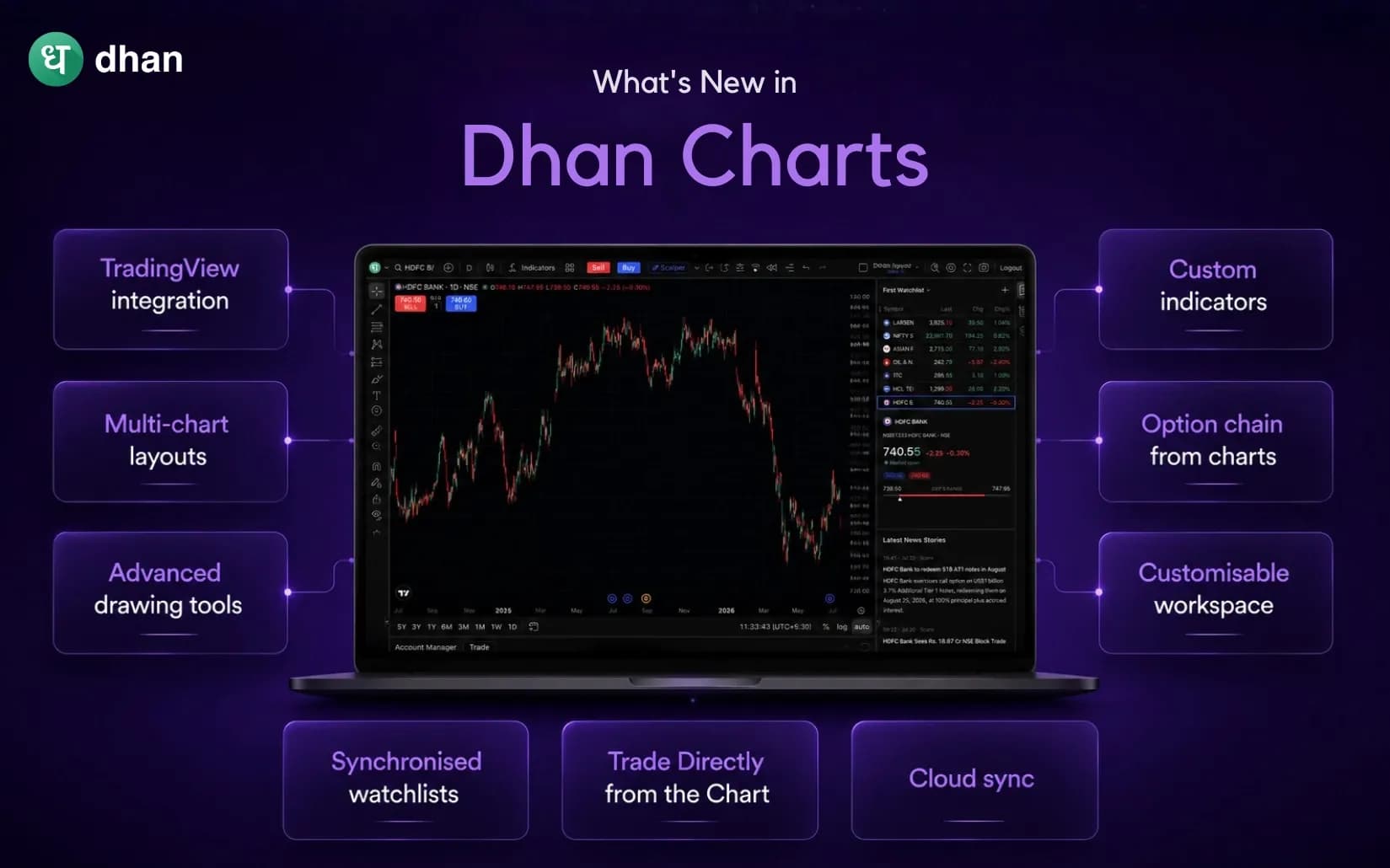
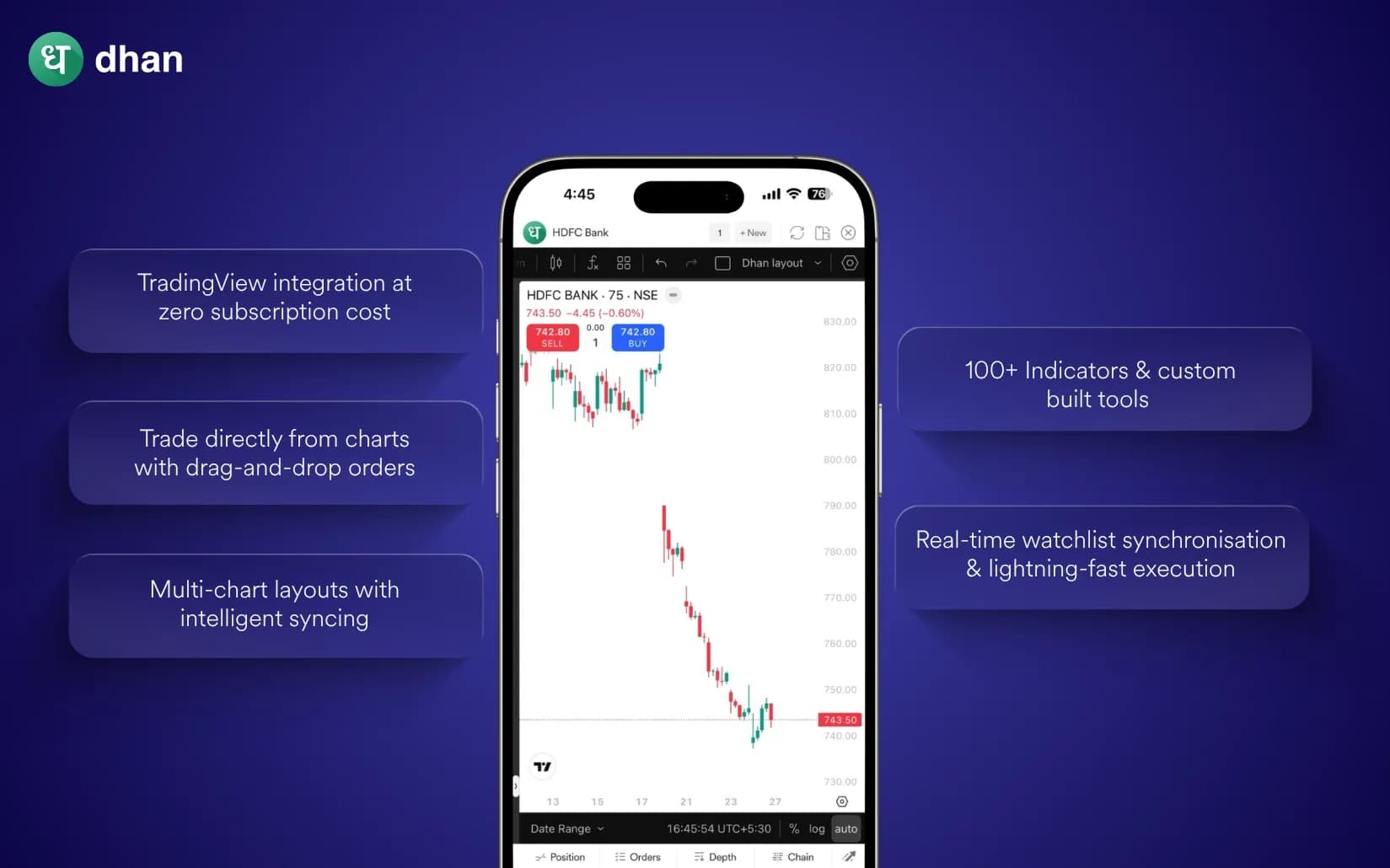
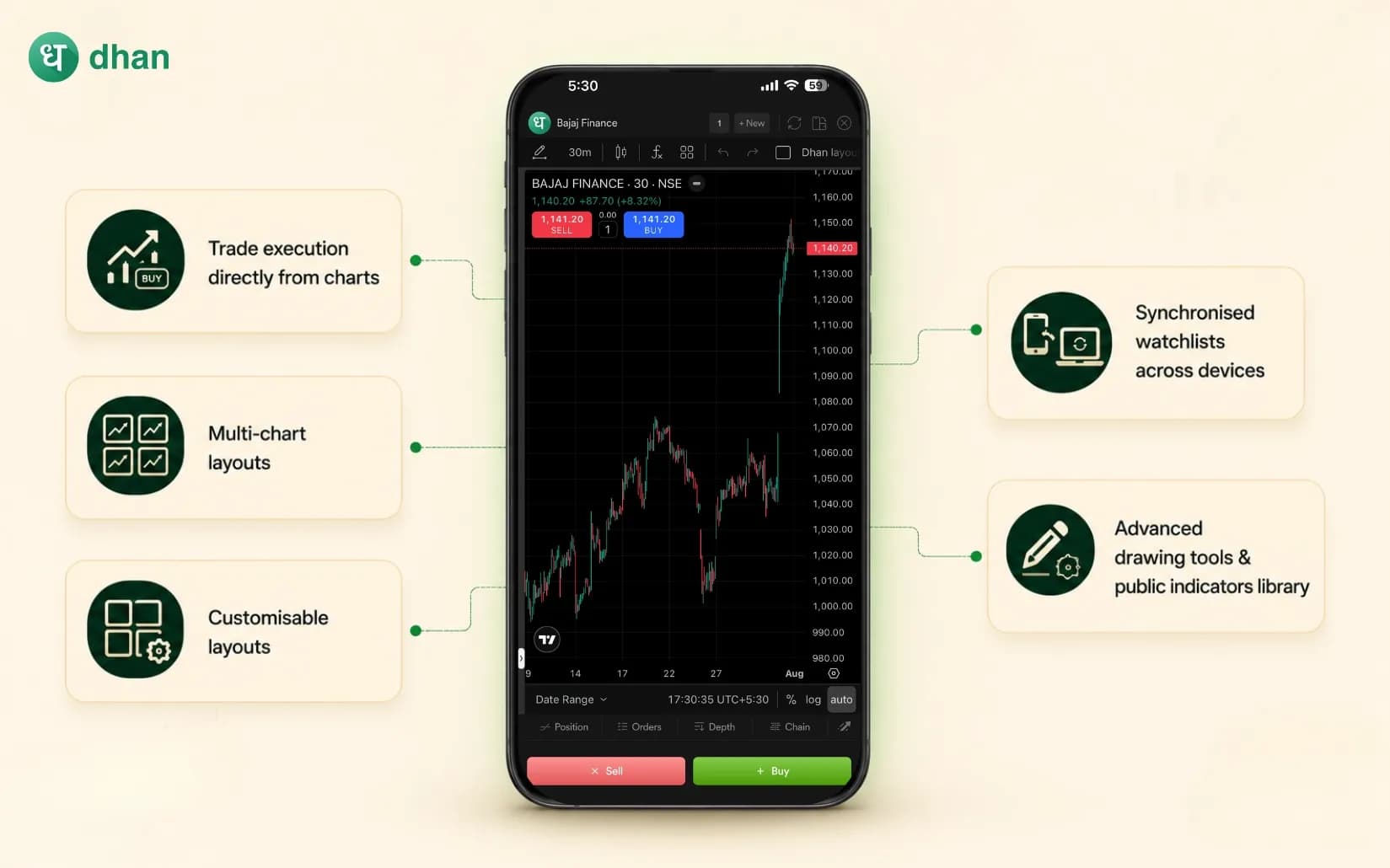
Advanced Charting on Dhan Charts with 100+ Indicators
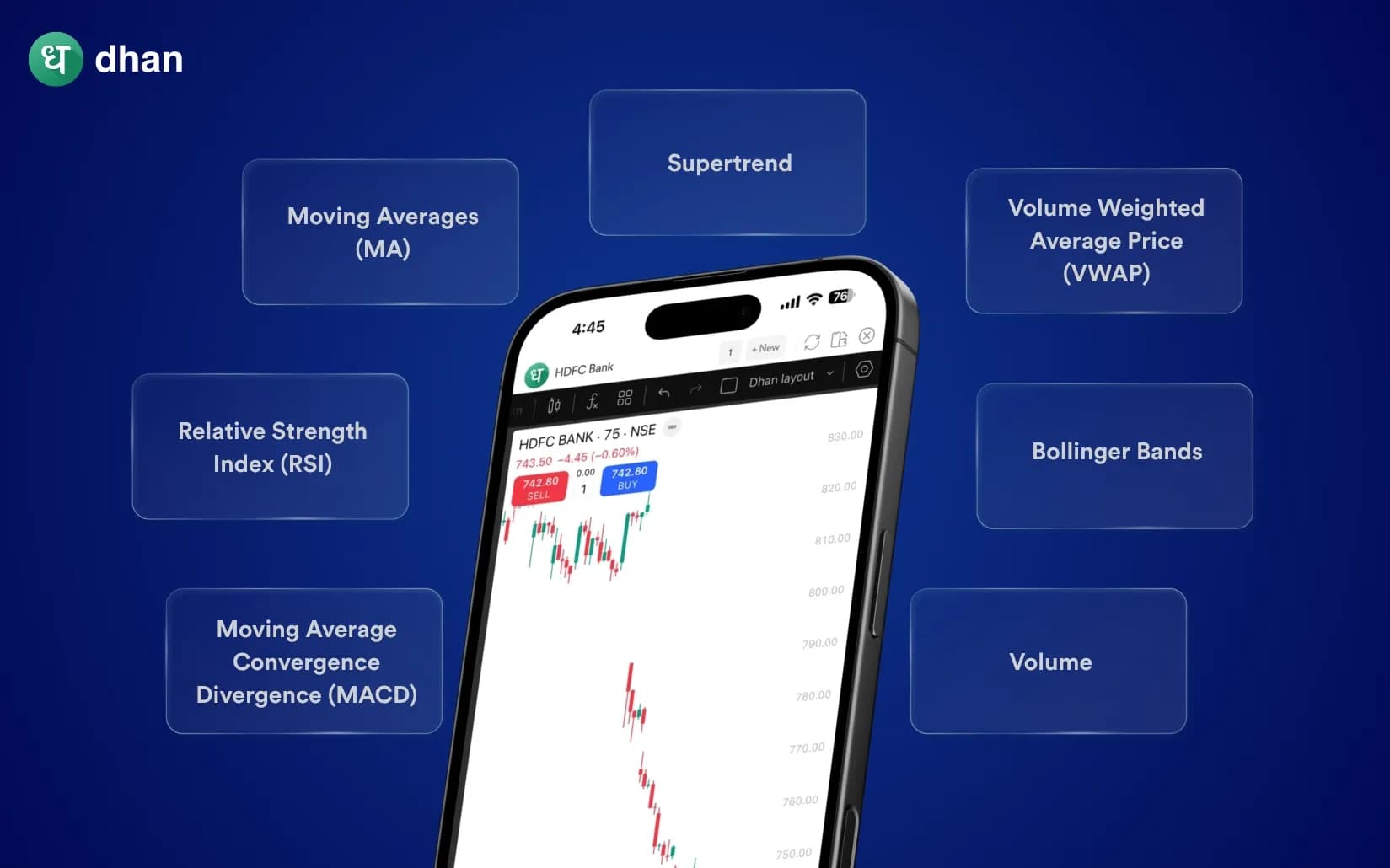
The Indian financial market is in the process of structural change, as the market participants are shifting towards institutional-quality analytical platforms, leaving behind simple investment applications.
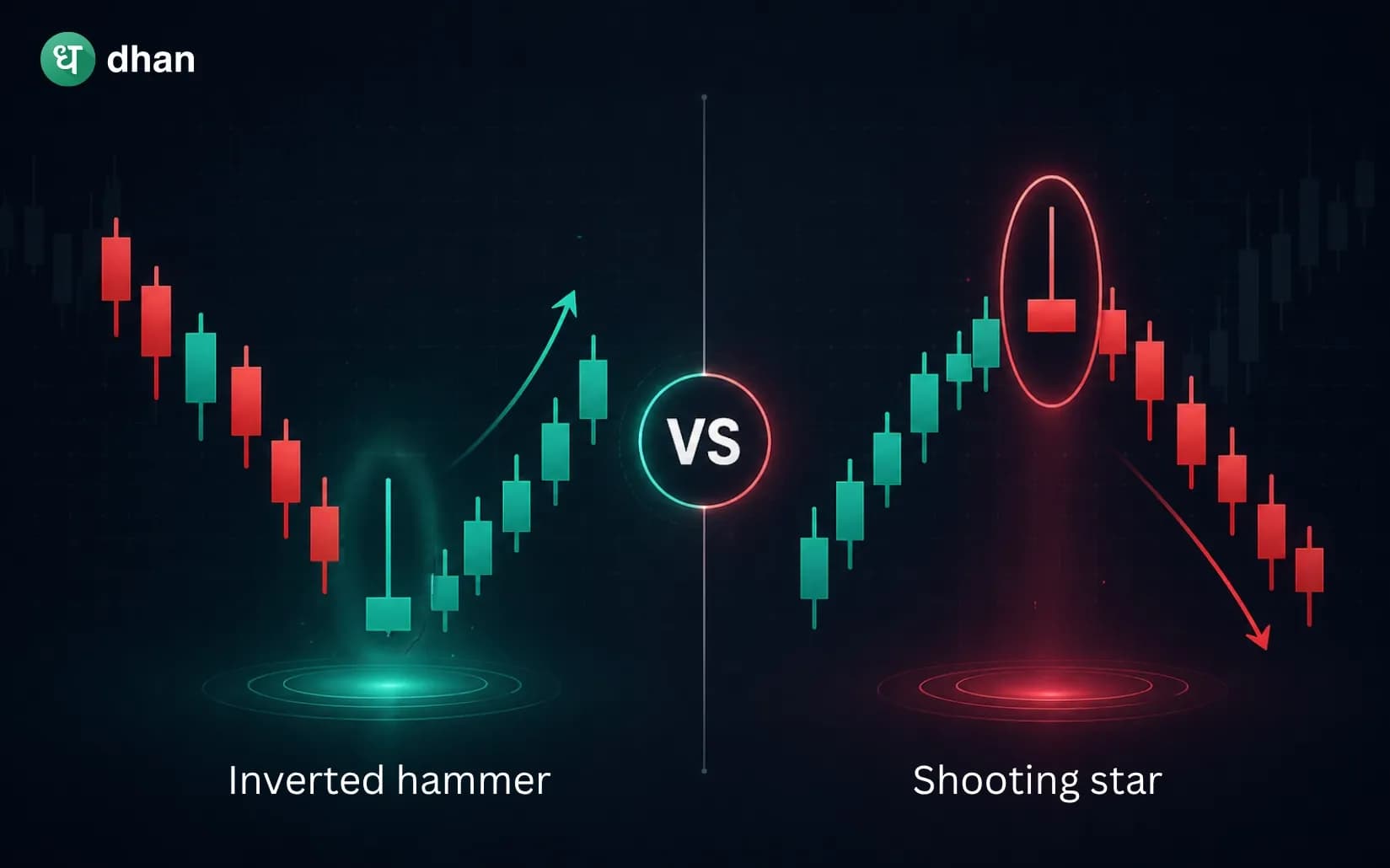
Prices were rising then suddenly stalled. That's the shooting star pattern at work. Here's how to spot it, confirm it, and trade the reversal before it's too late.
Enter too early and get trapped. Enter too late and miss the move. The descending triangle pattern tells you exactly when sellers are taking control if you know what to look for.
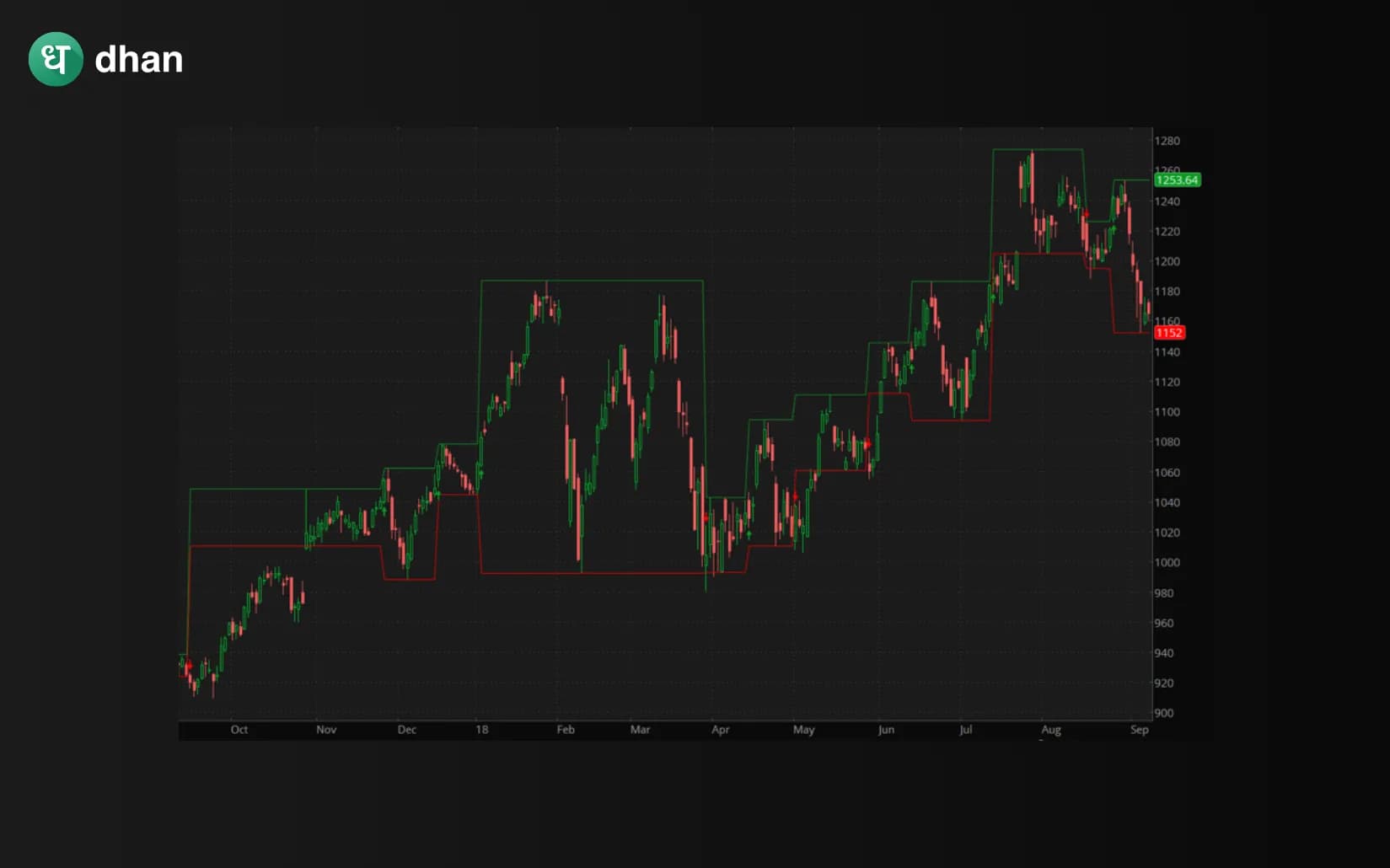
If you look at the market, it seems chaotic, but the chart formations are not random. The trends emerge when prices consistently break past previous highs or lows. One of the simplest ways to capture this behaviour is through Donchian Channels.
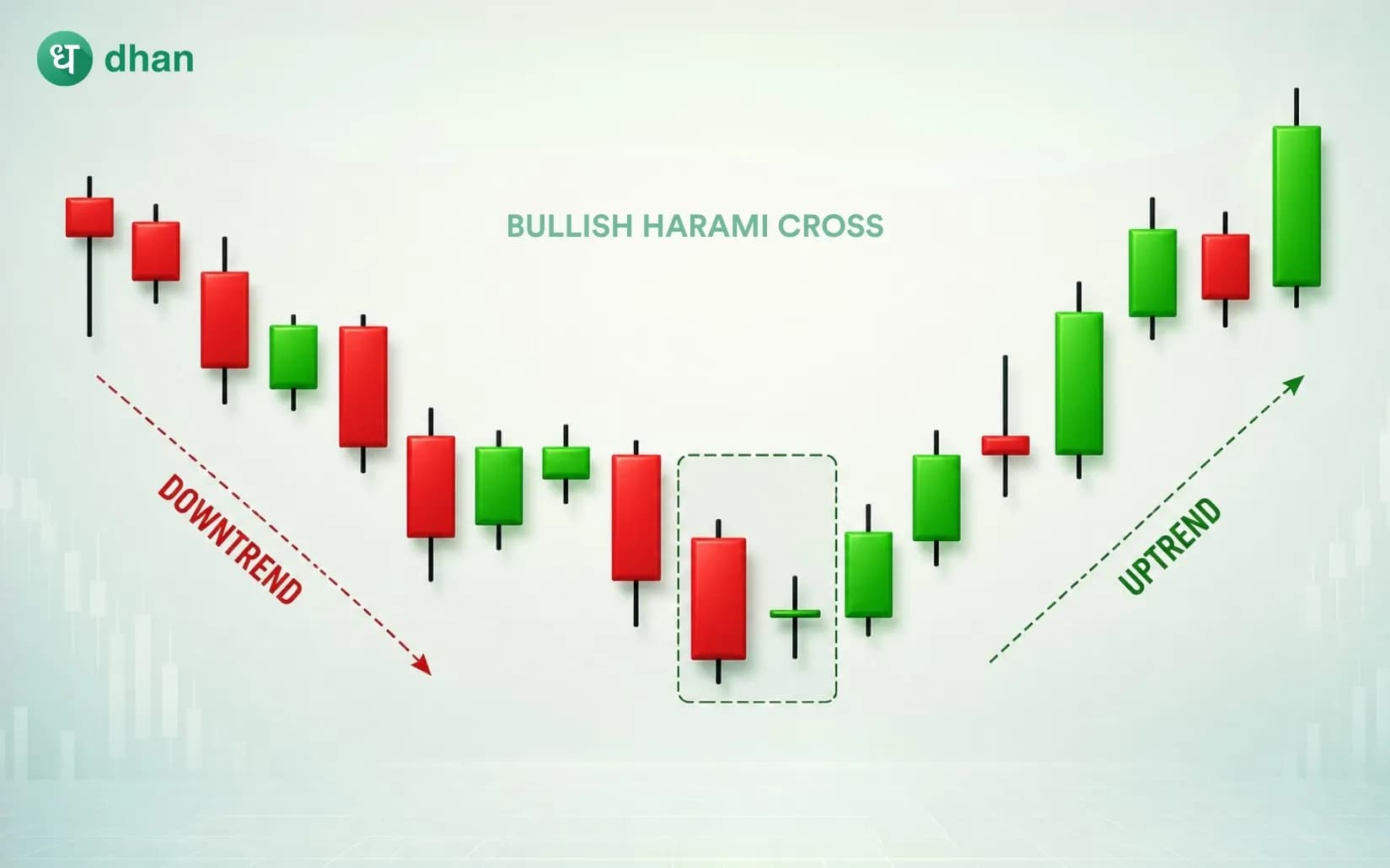
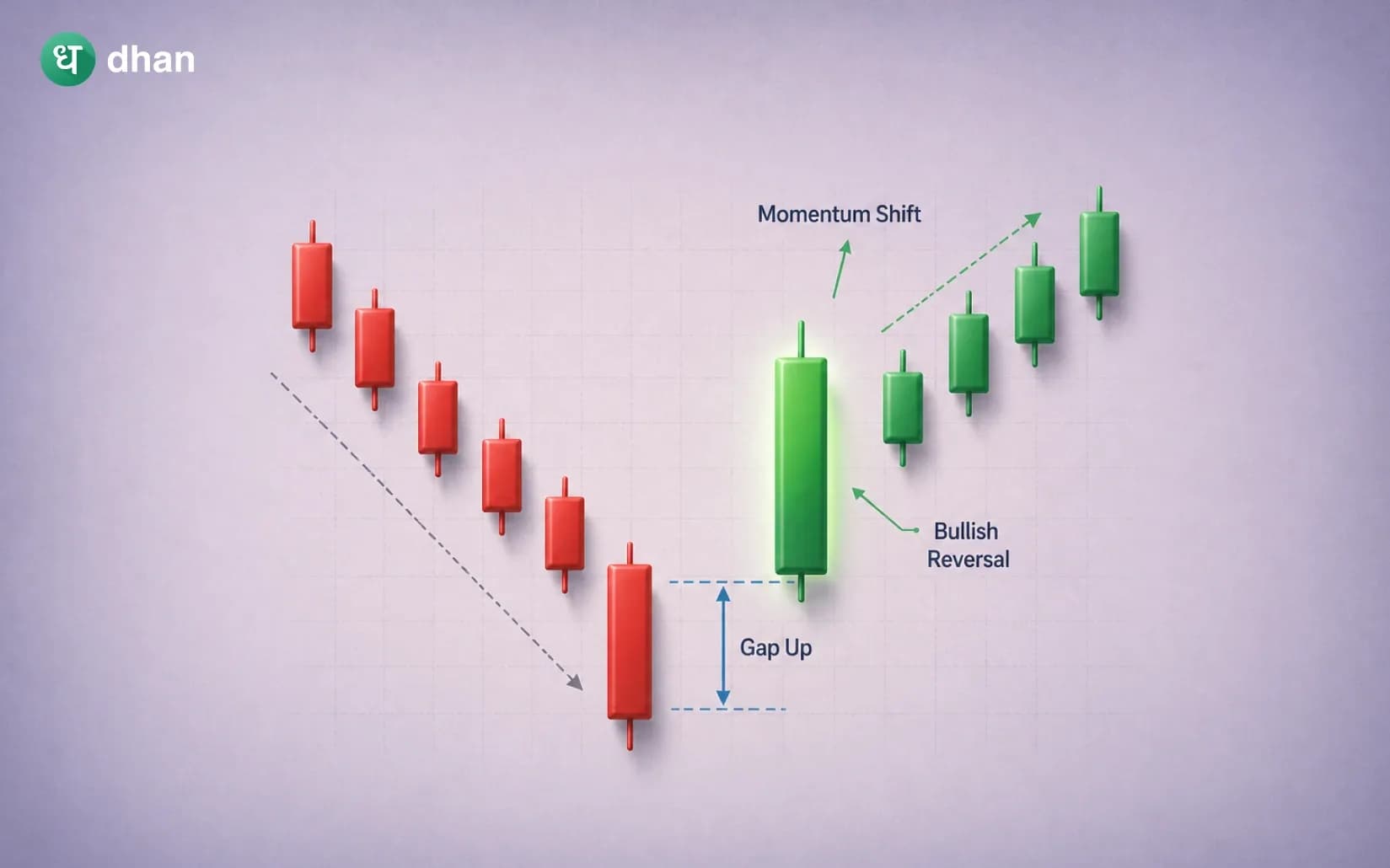
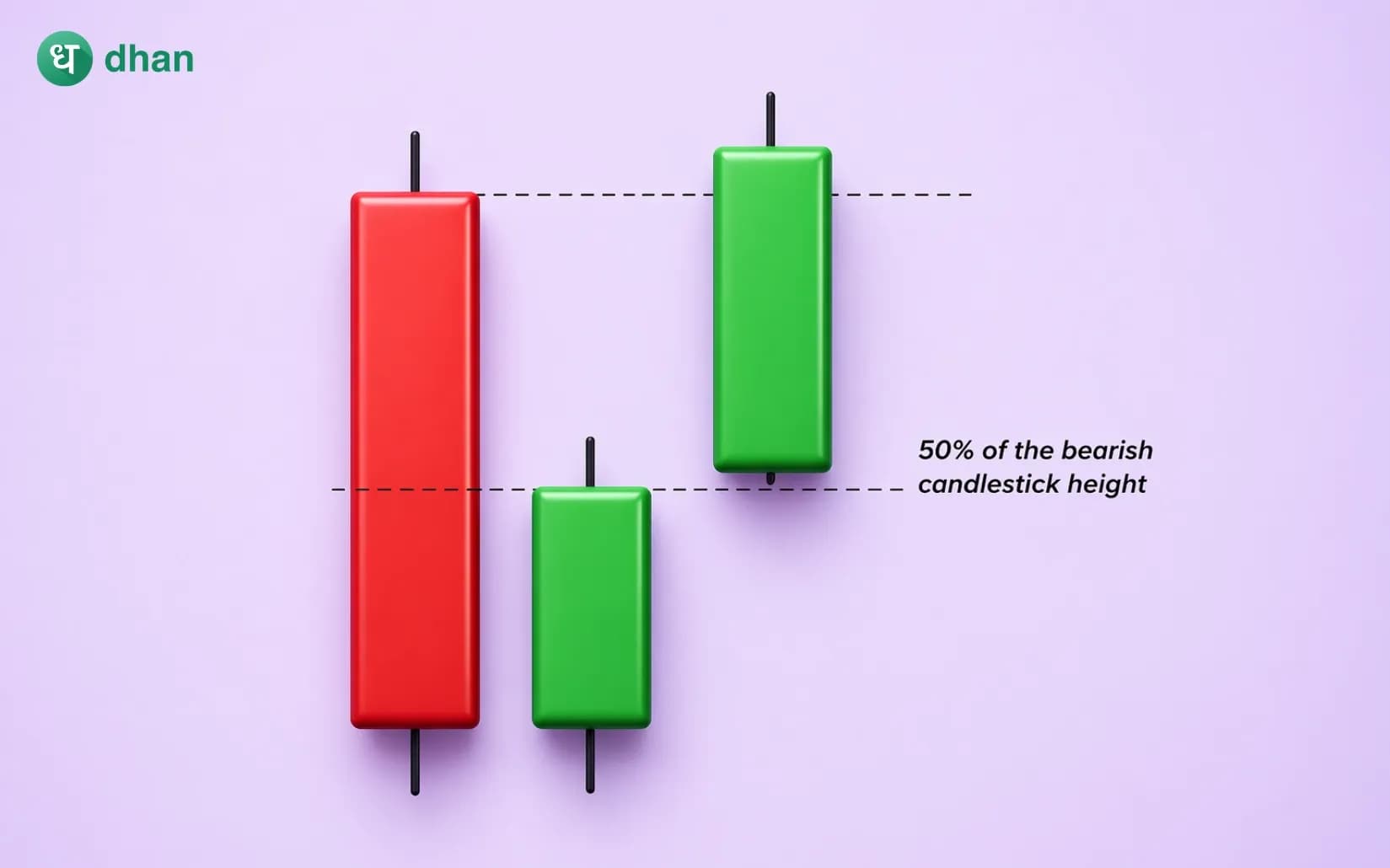
Markets don’t turn suddenly without leaving clues. Before a reversal, the price usually slows, loses momentum, and shows hesitation to move higher or lower. One such early signal is the bullish harami pattern. It is a bullish reversal pattern that usually appears after a downtrend.
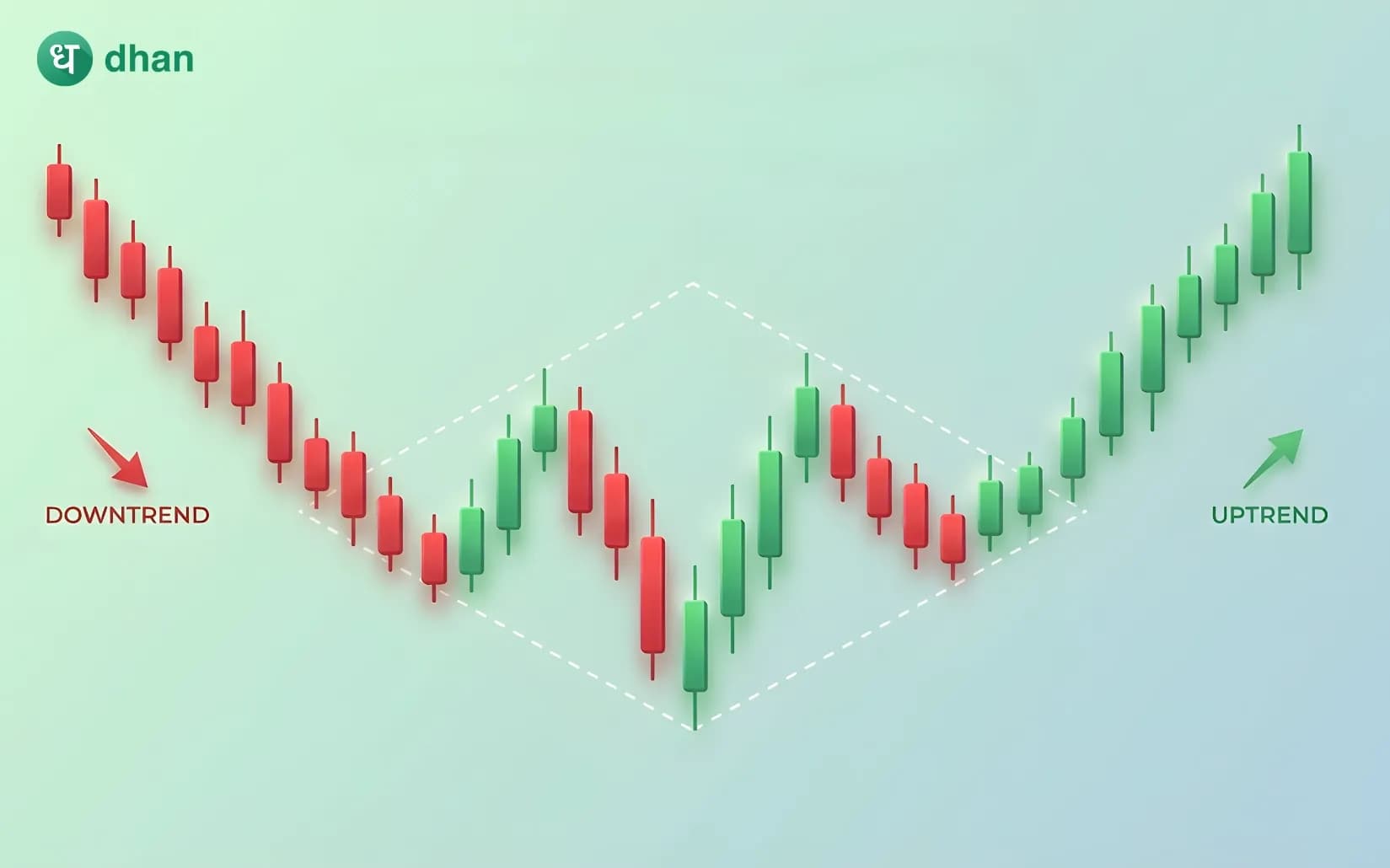
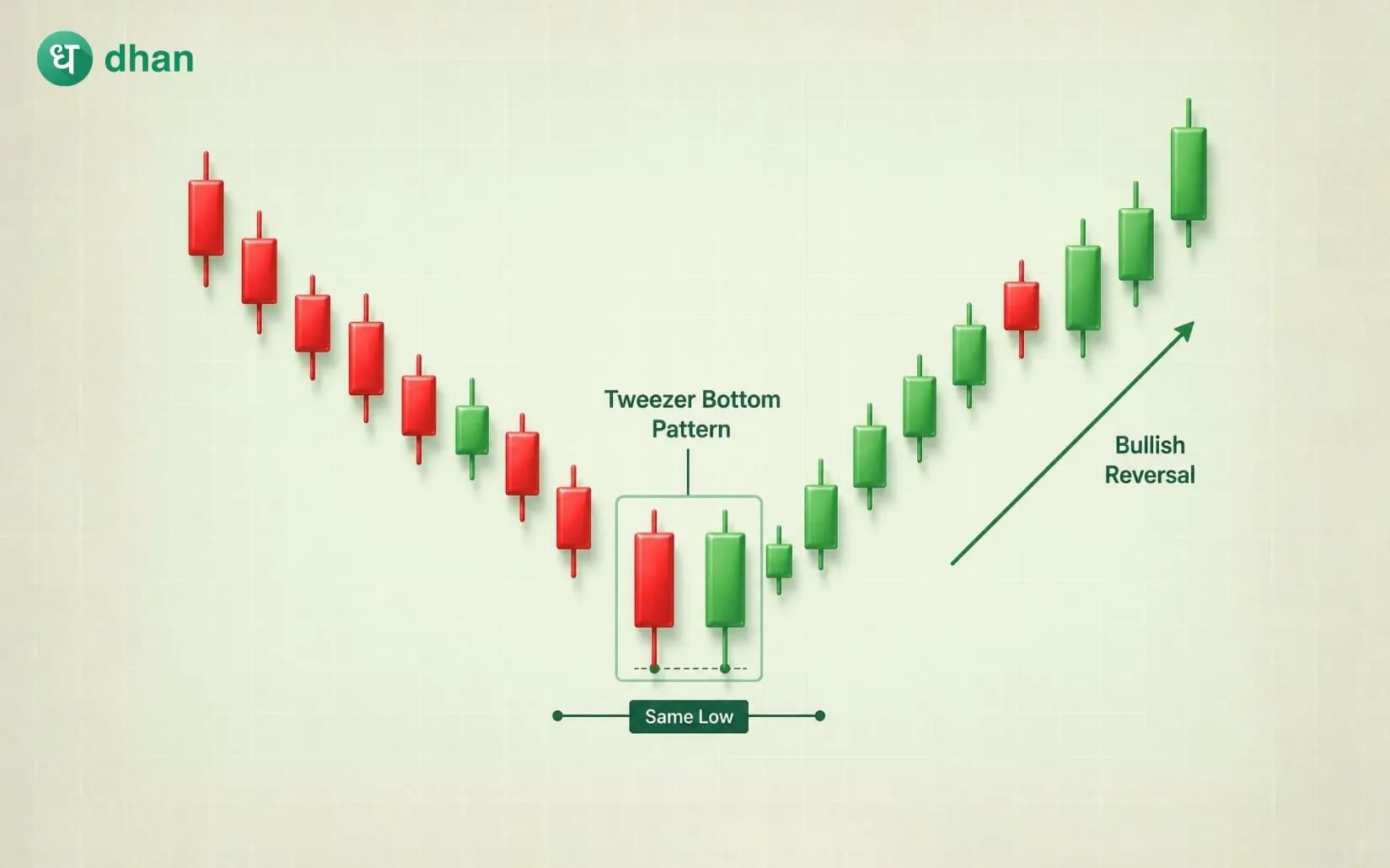
The market rarely moves in a straight line, it keeps jumping and falling. But that is not random; the market usually gives some clues before reversals. Over the years, traders have found some key patterns which appear before reversals. The double bottom pattern is one of such patterns.
For a trader, analysing market direction is critical, but understanding the strength behind it is more necessary. If traders enter the market only with trend direction alone, they may get caught in a weak or sideways market. Hence, to gauge market strength, traders use the ADX indicator.
A pin bar candle is with a long tail and a tiny body candlestick, many traders keep an eye on it because it may indicate strong price rejection and possible market direction.
Volatility can make or break a trade. The ATR indicator helps you measure exactly how much a market is moving, so you can set smarter stop losses, size positions correctly, and never get caught off guard again.
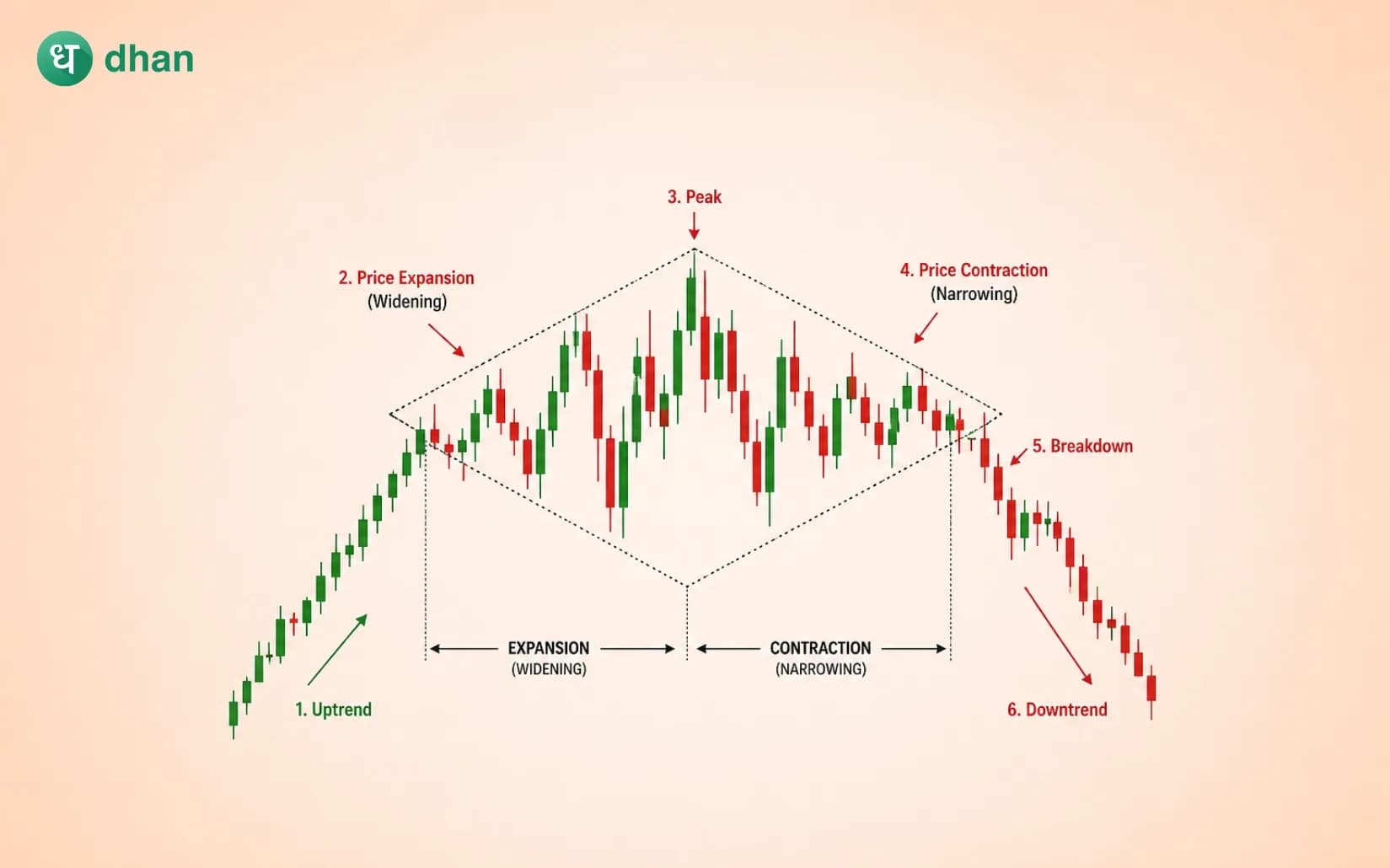
Head and Shoulders Pattern is an indicator of a possible change in trend direction, usually from bullish to bearish and is often utilised by traders to spot market tops and entry/exit strategies making it one of the most popular and most trusted reversal patterns of technical analysis.
Inverted Hammer Candlestick Pattern is similar to hammer candlestick pattern and appears at the end of a downtrend and signals a possible bullish reversal, but the two patterns signal different mindsets.
Candlestick patterns can help to identify potential reversals in the market. One of the most trusted patterns for reversals is the hammer candlestick pattern.
Ichimoku Cloud indicator is very popular among professional traders as it provides a complete view of price action at a glance with wholistic view of the market trend, momentum, or support and resistance.
Pivot Points help traders to identify key price levels where the market is likely to react. Pivot Points are considered a powerful tool due to their simplicity and objectivity. Pivot points are derived from basic price data and are followed by both retail and institutional traders.
A moving average indicator calculates the average price over a specified period to smooth out these fluctuations. By which traders can see the overall direction of the market.
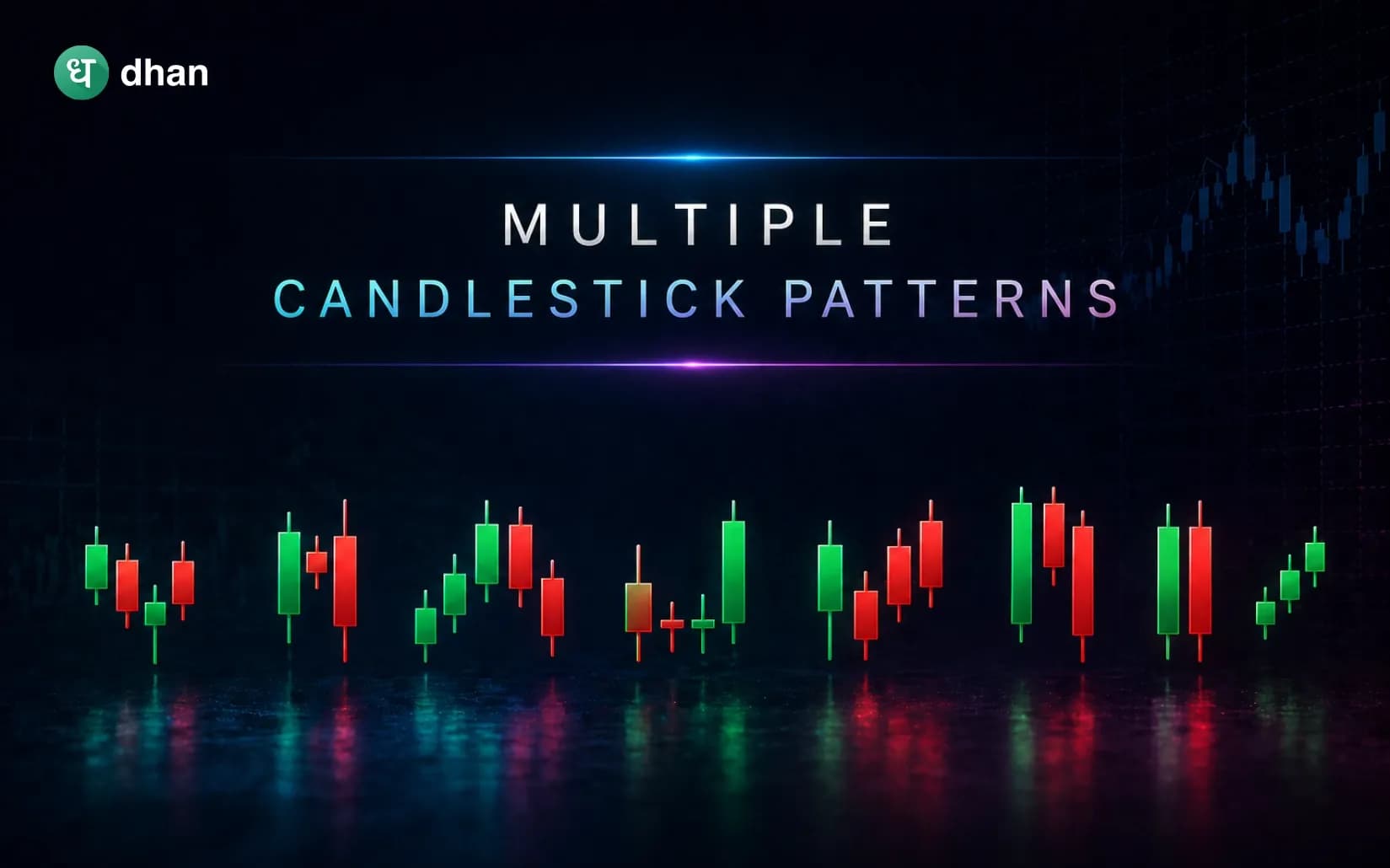
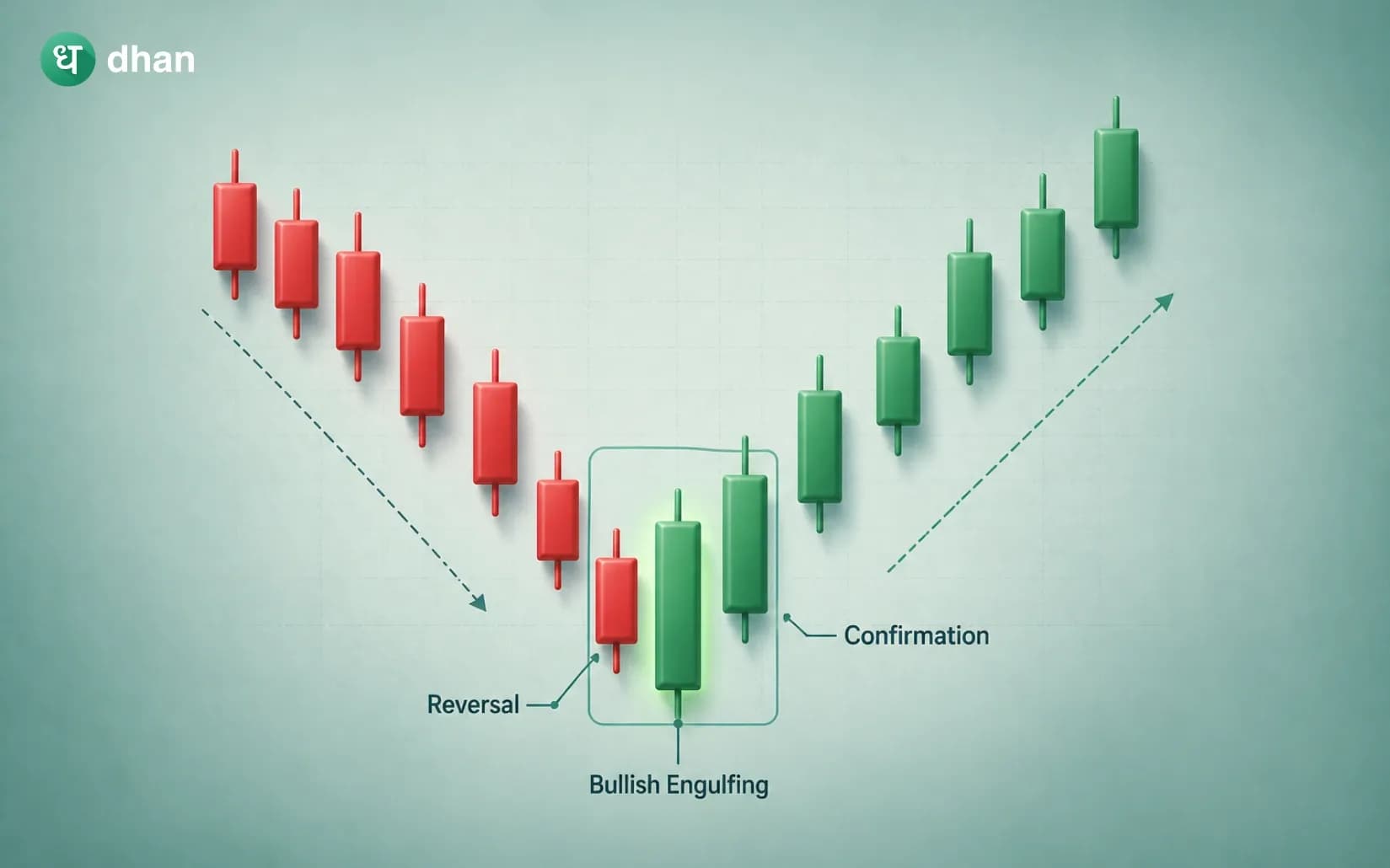
Candlestick charts are one of the most widely used tools in technical analysis. Traders use these patterns to understand price movements, identify potential trading opportunities, and interpret market sentiment to predict possible price movements by analysing candlestick patterns.
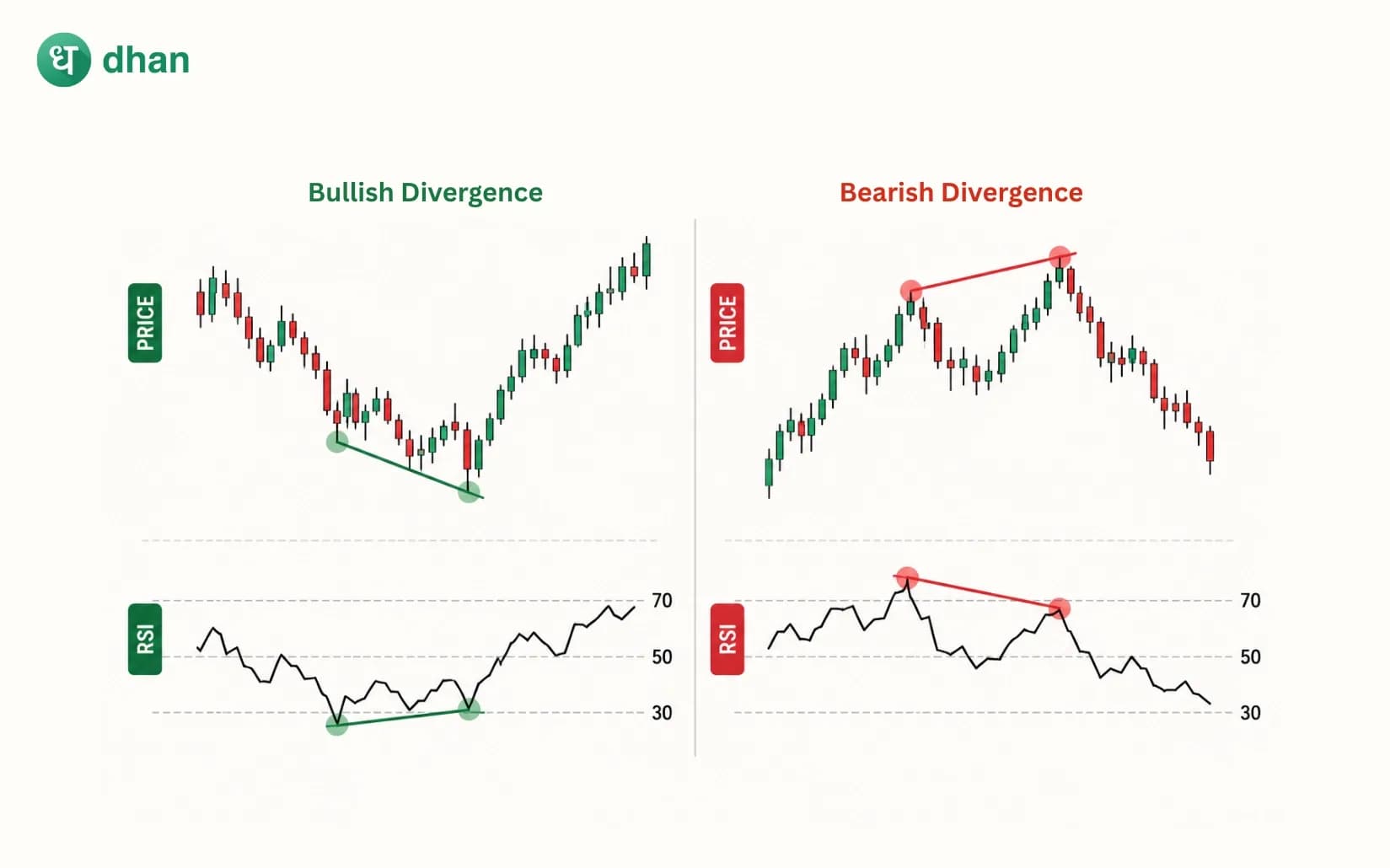
Understand the RSI indicator in detail, including how to read the 70/30 levels, how it is calculated, popular RSI trading strategies, along with its advantages and limitations.
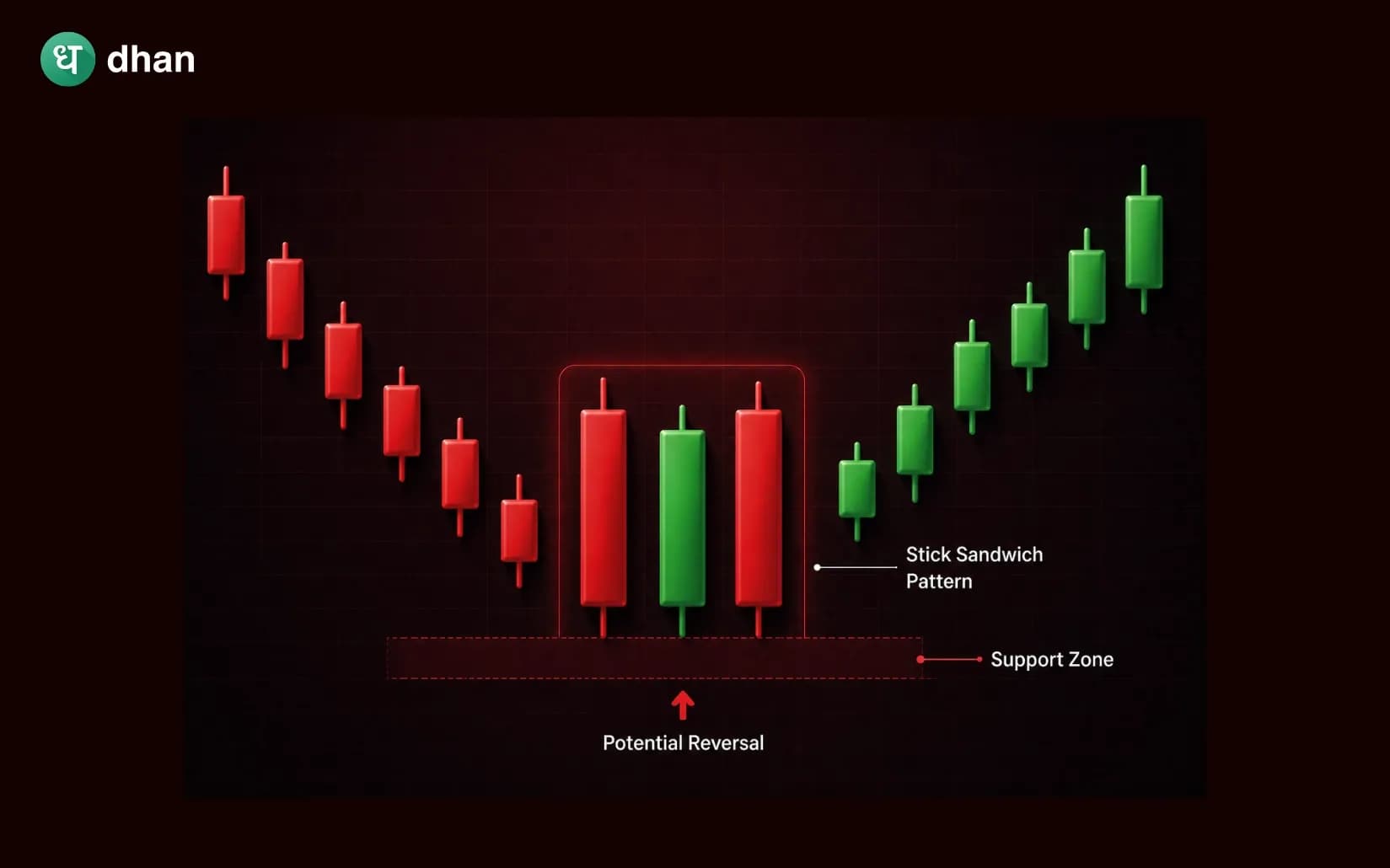
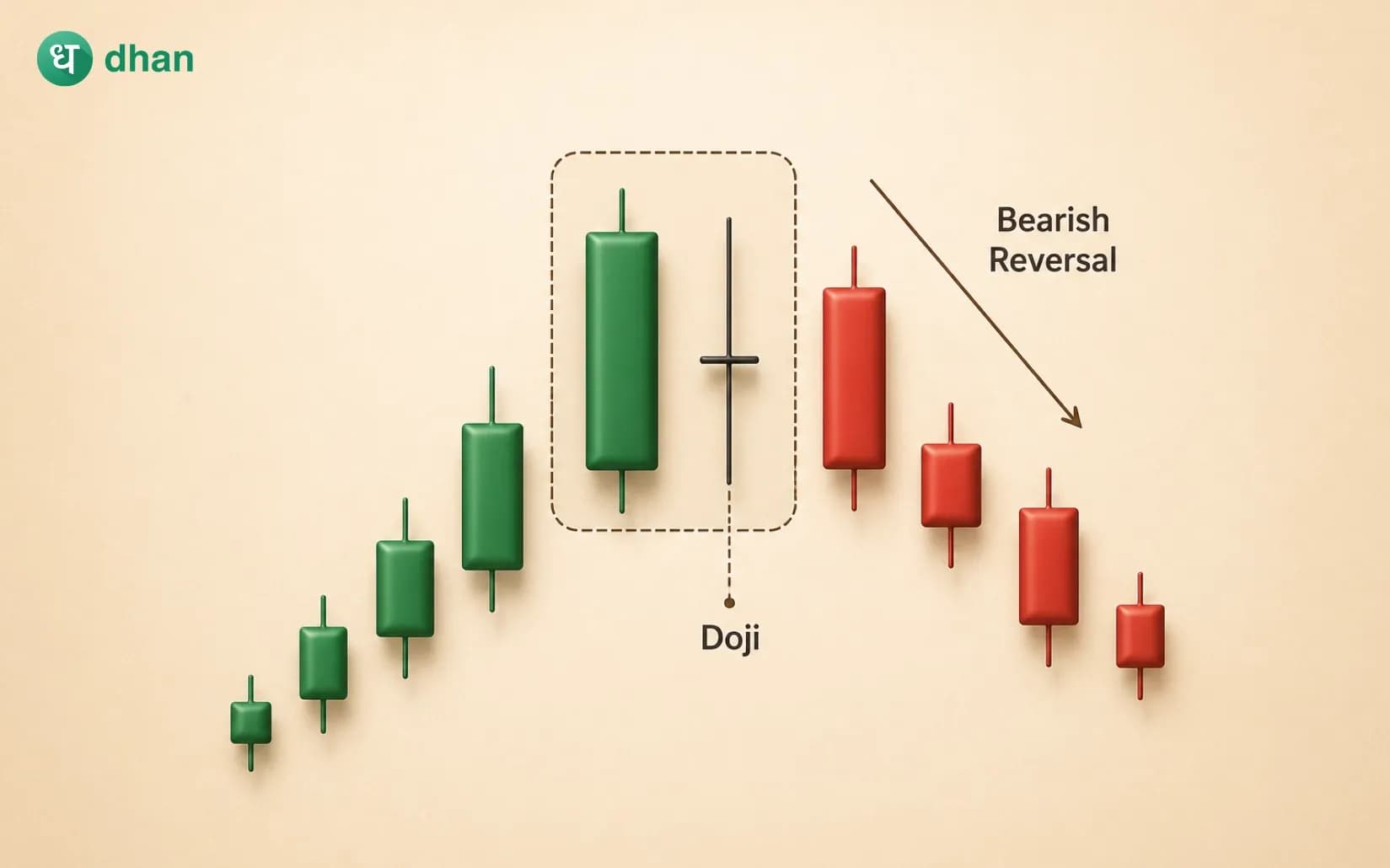
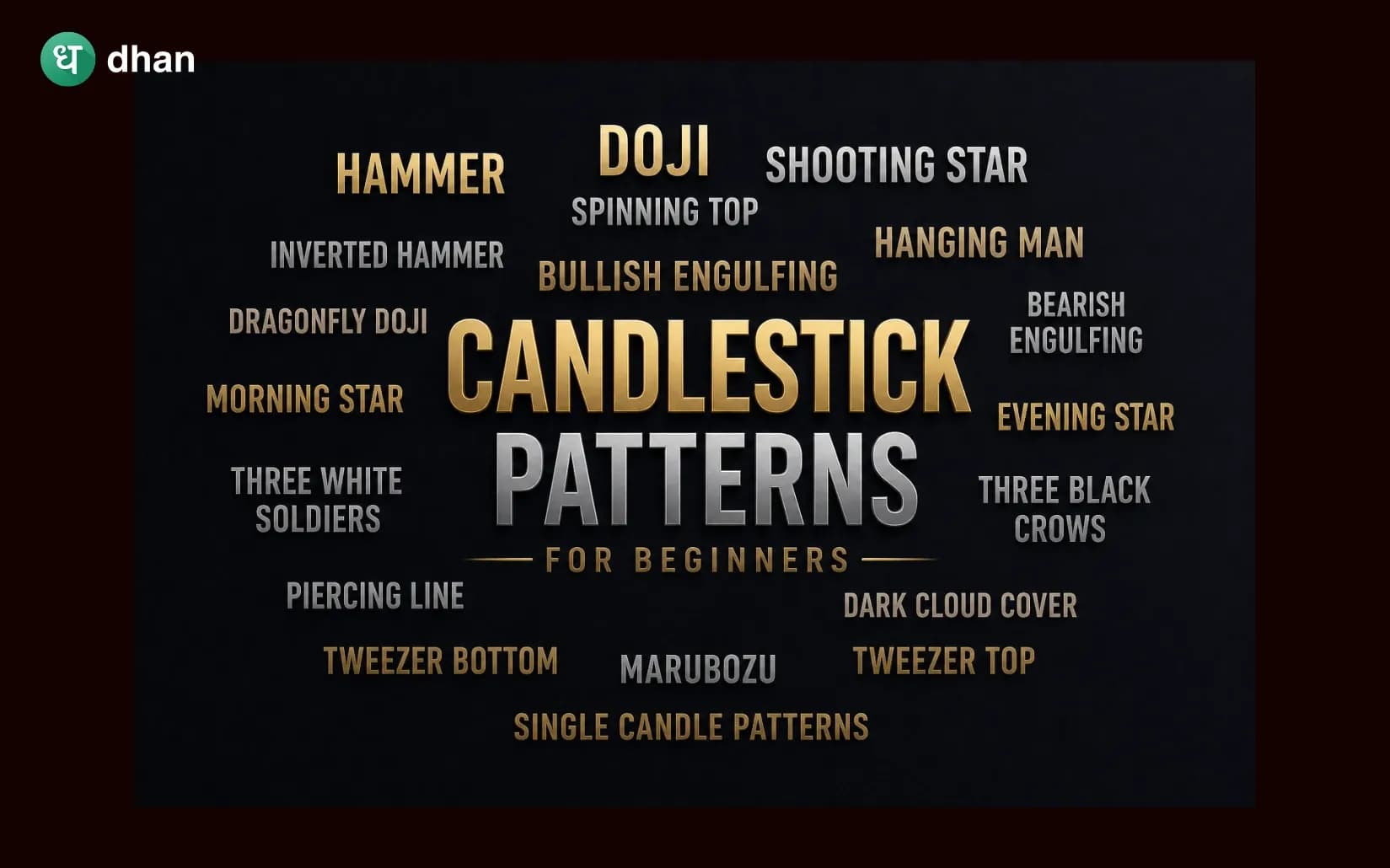
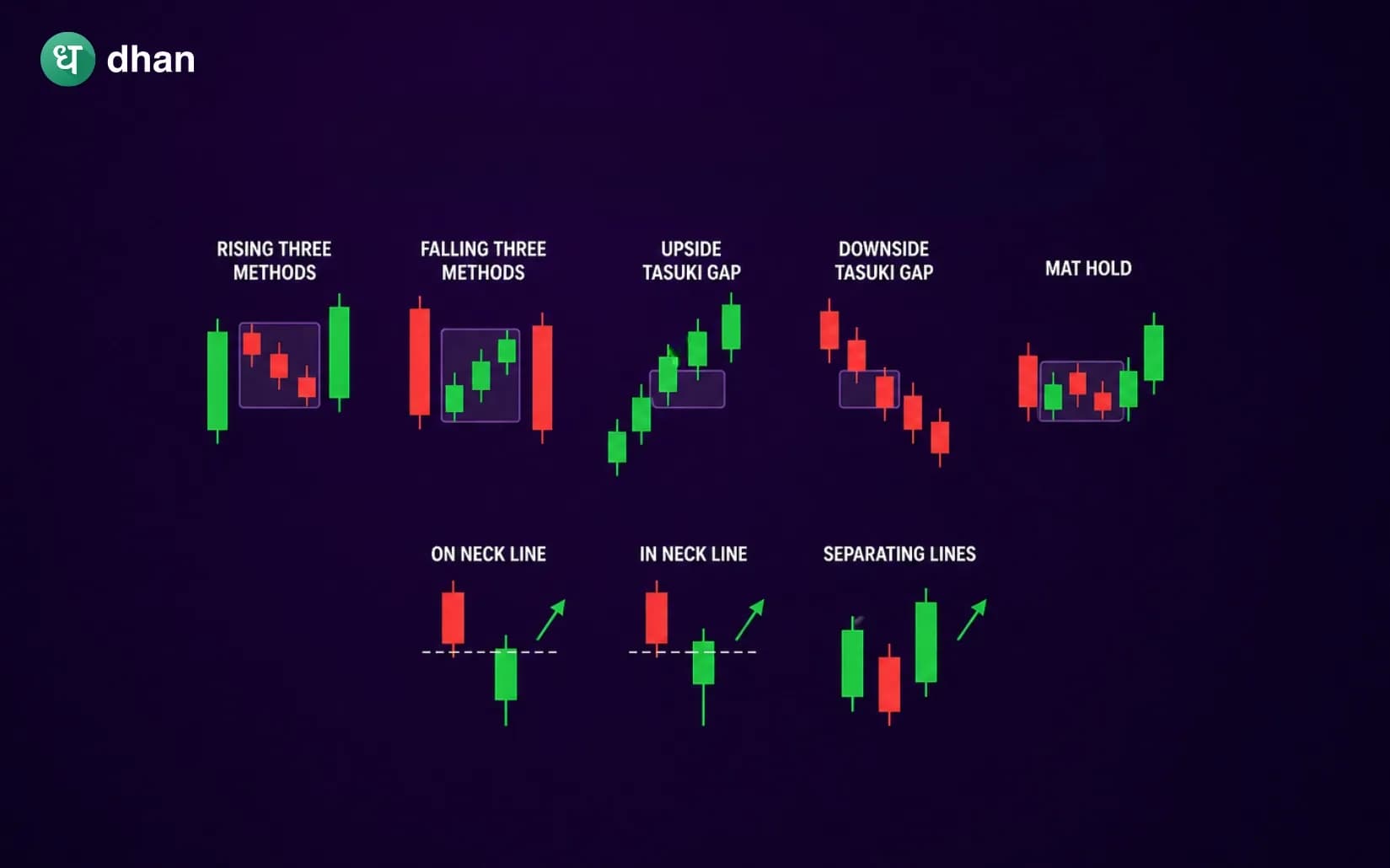
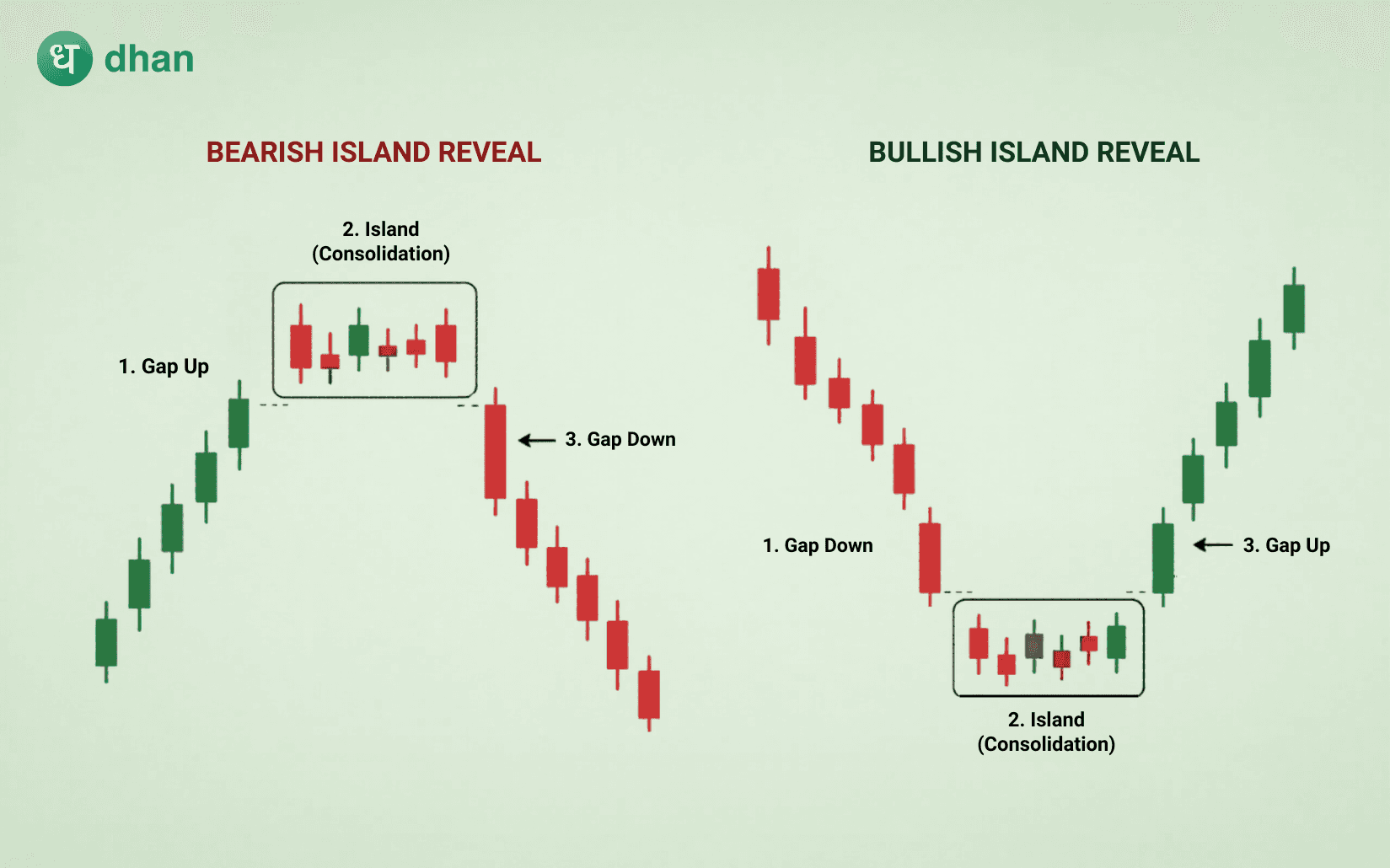
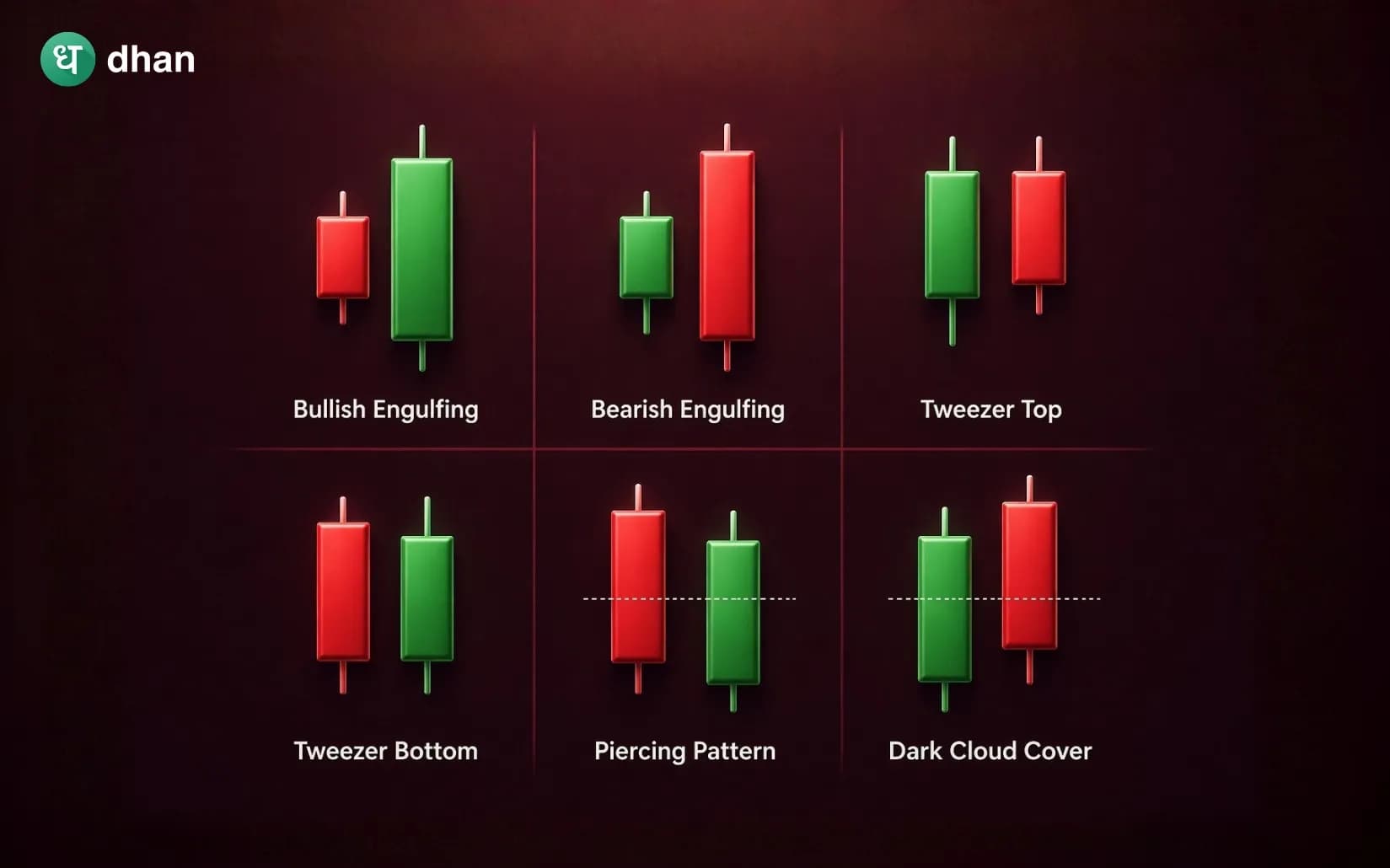
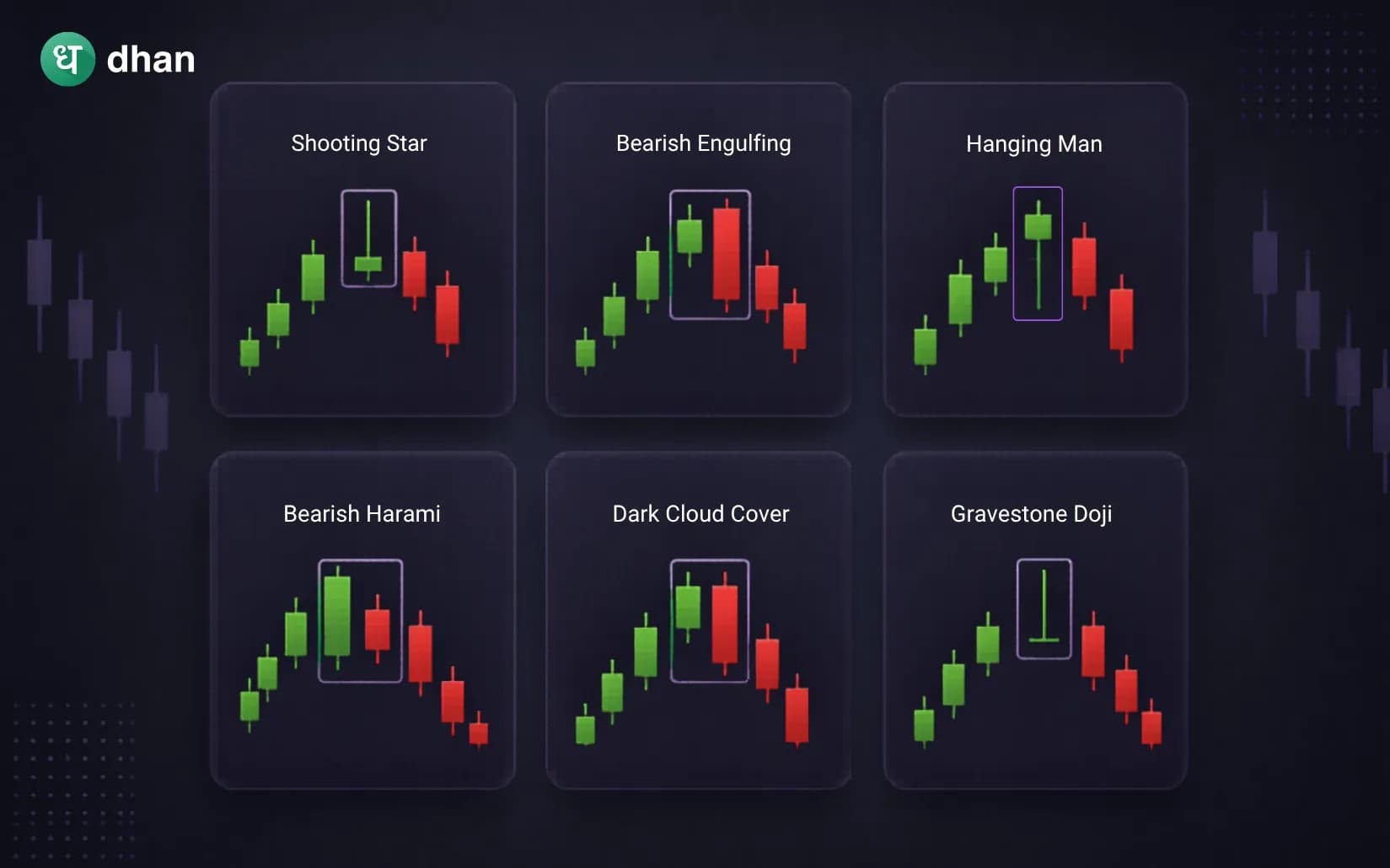
Candlestick patterns help anticipate price direction by revealing shifts in market sentiment. Explore the top 40 widely used candle patterns and how they signal trading opportunities.
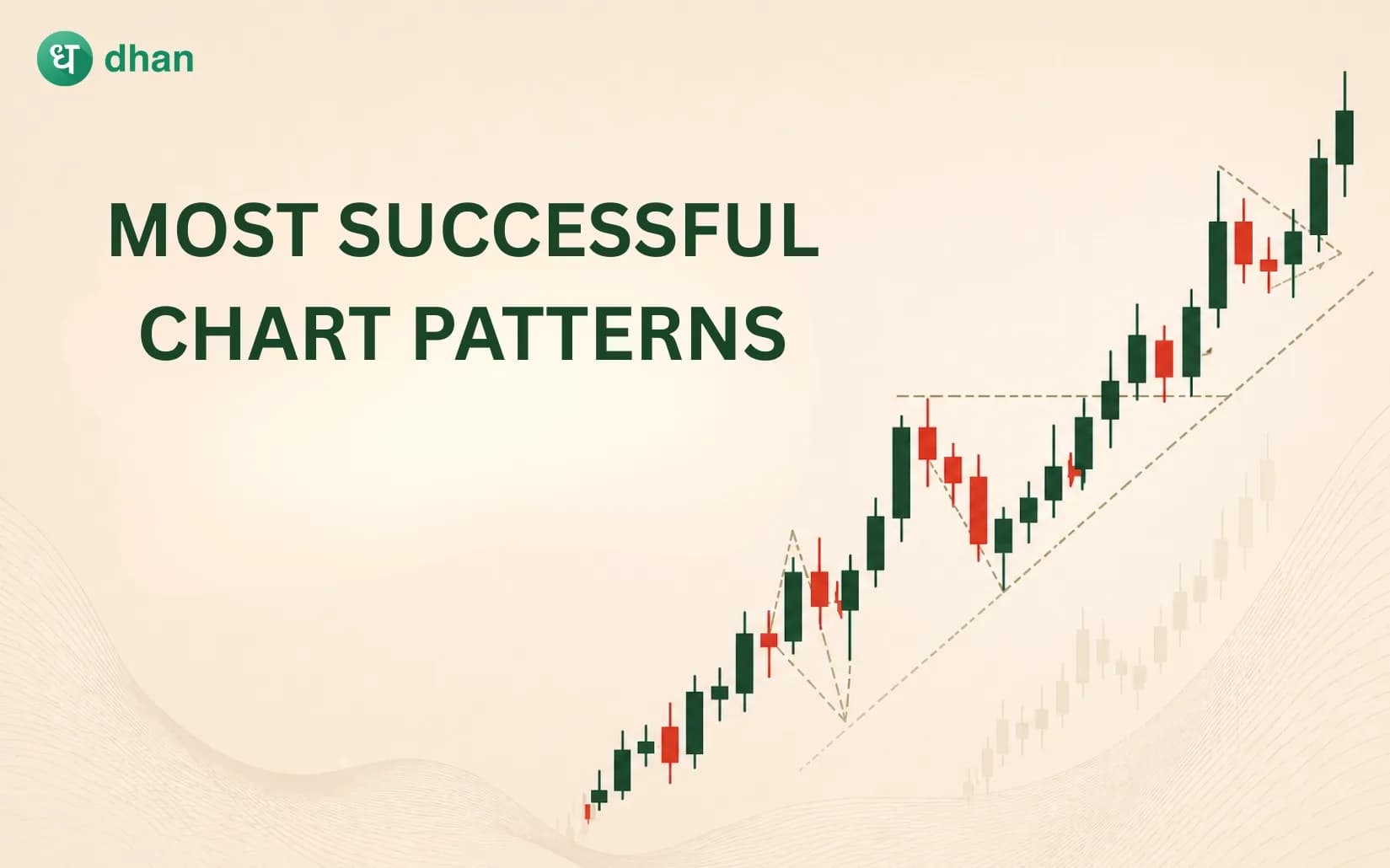
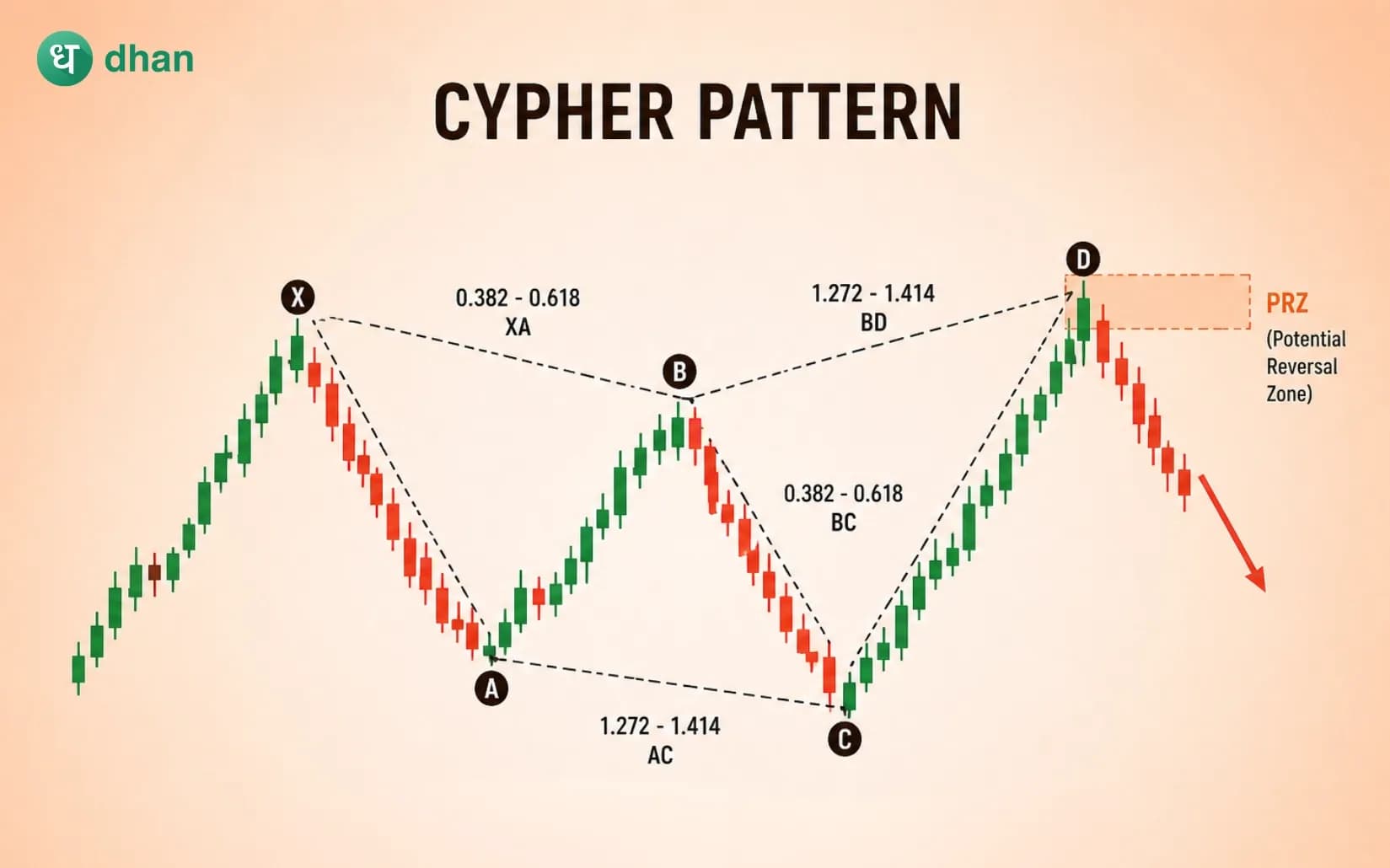
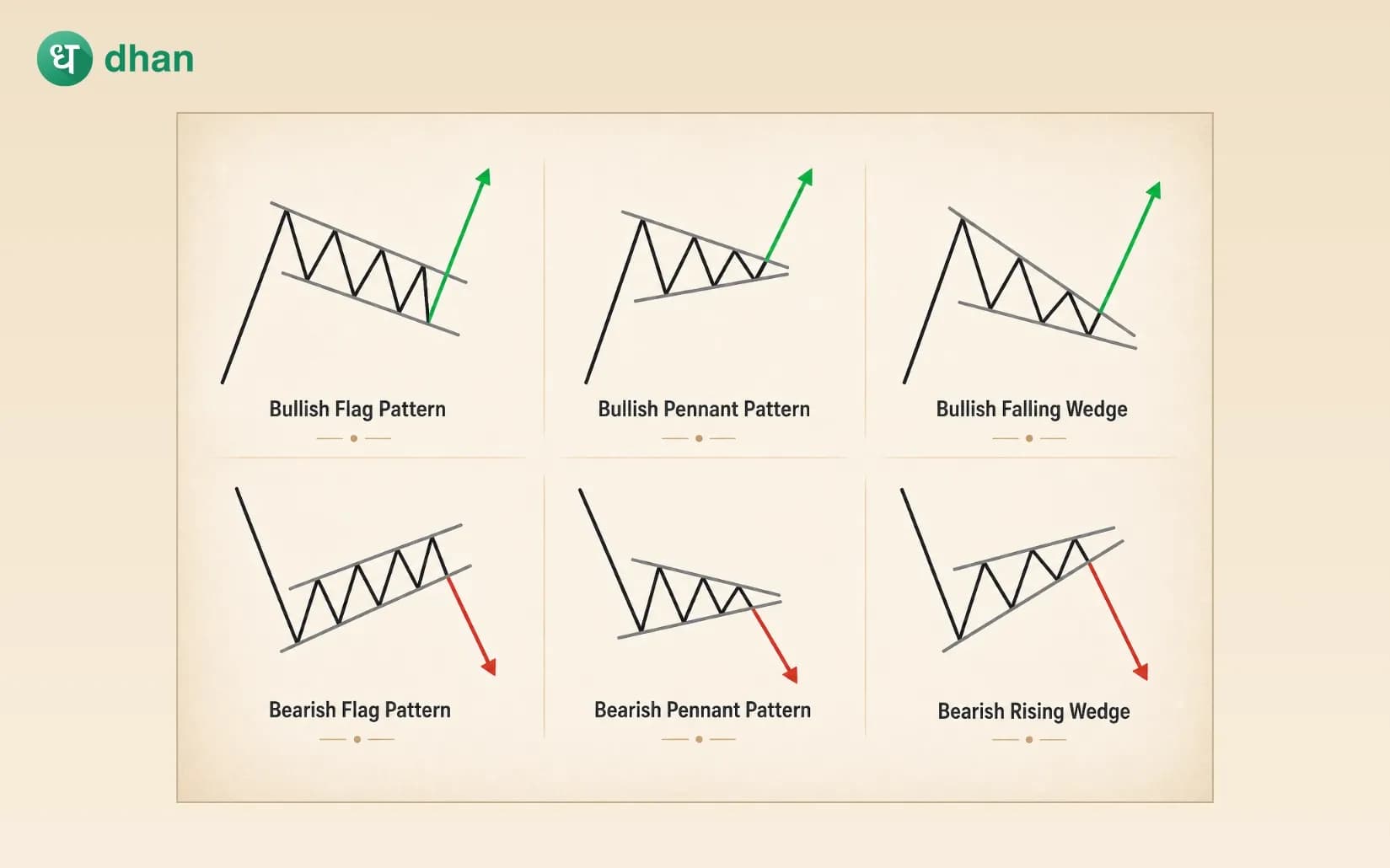
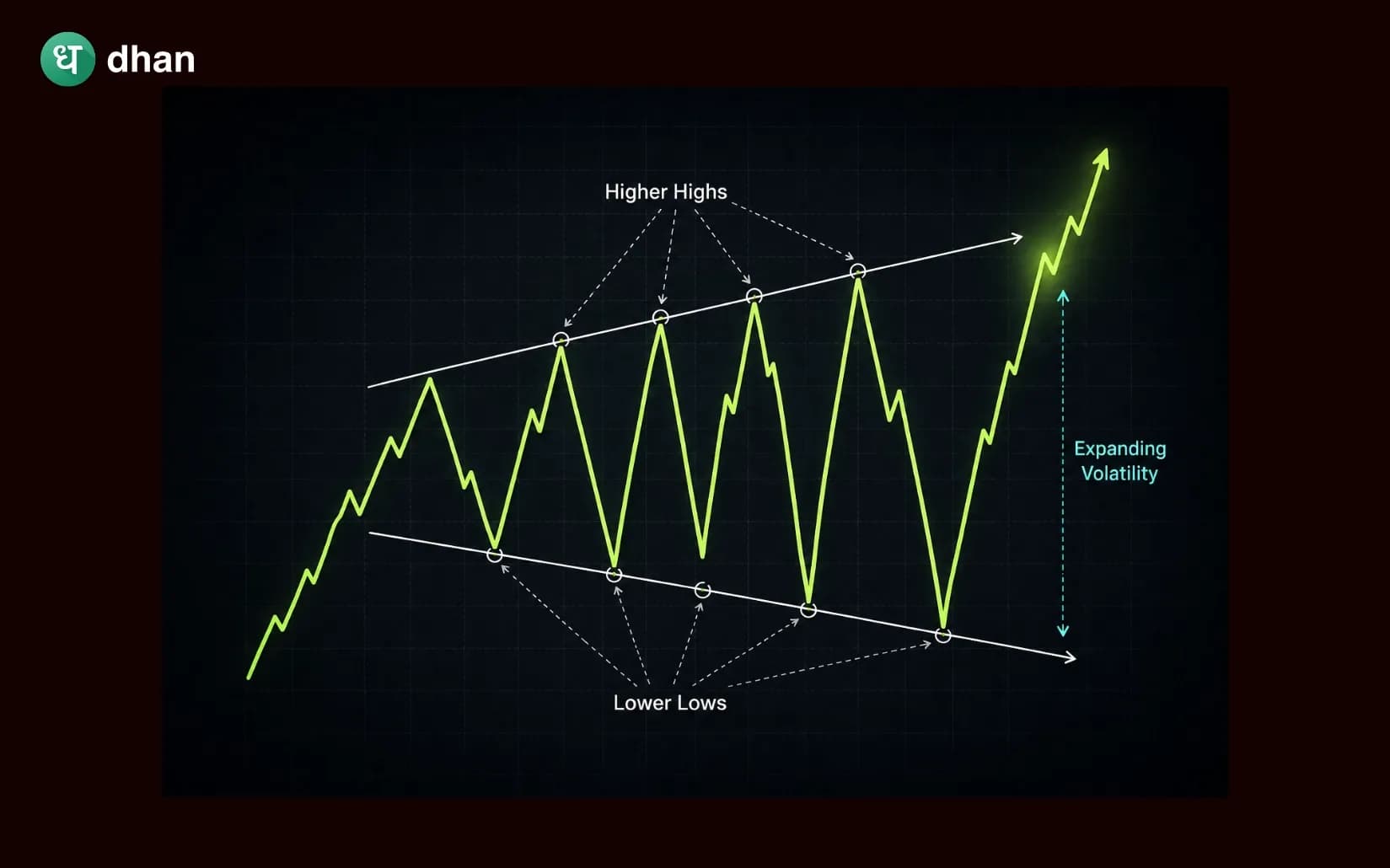
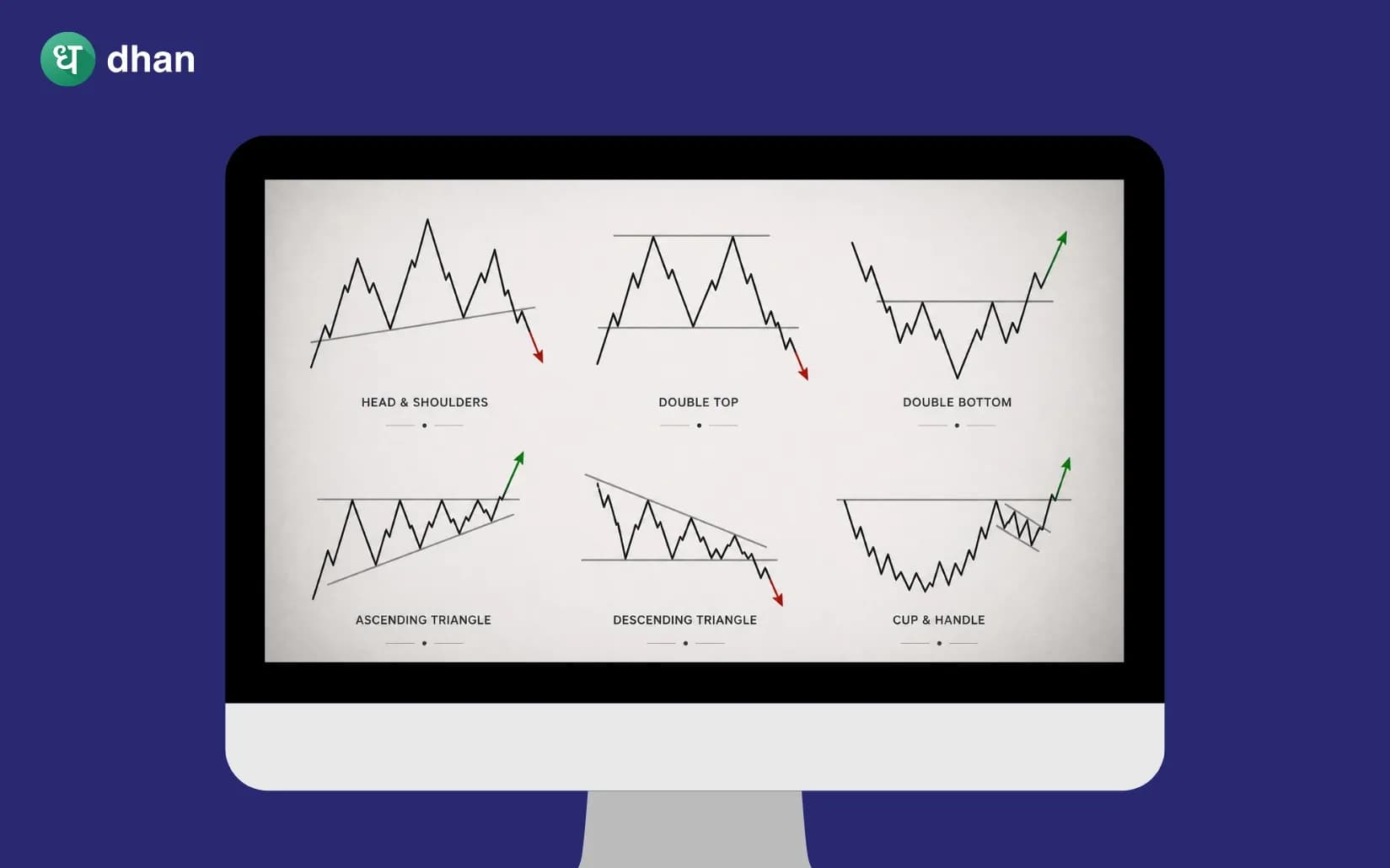
Chart patterns are one of the most important tools when it comes to analysing price action. Professional traders spend hours staring at the price chart. They understand that the news, fundamentals, institutional activity, and retail sentiment will eventually show up on the chart.
Stocks with strong moves continue in the same direction before a complete trend reversal. As a trader, you need to understand the momentum and the momentum indicators. When the price moves with strength, it continues to move in the same direction, at least for some time.
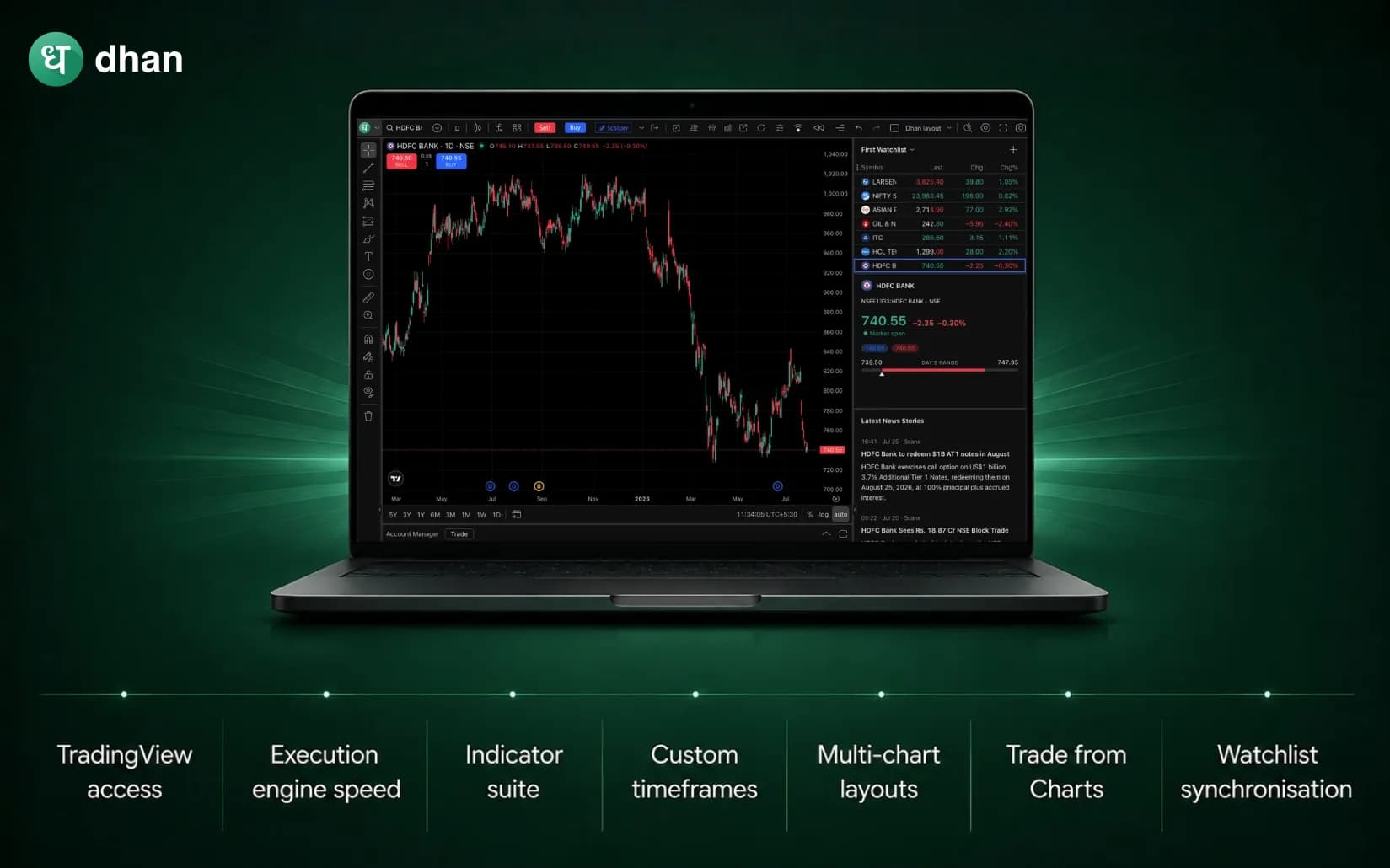
In the world of technical analysis, TradingView is one of the most commonly used charting platforms in India. It has a built-in library of various tools and community scripts to help traders gauge the market movements.
Technical indicators are useful for traders to exercise discretion. They are relevant because they give a clear picture of the market's movements rather than attempting to forecast it.
For traders, analysing market volatility is crucial to make safe entries and exits from trades. Traders use various technical indicators to measure volatility. These indicators help traders manage risk, identify the breakouts, and analyse market sentiment.
The two indicators that are most prominent in the momentum and trend analysis are the Relative Strength Index (RSI) and the Moving Average Convergence Divergence (MACD ).
MACD (Moving Average Convergence Divergence) is a popular indicator used to identify trend direction, strength, & potential entry or exit signals in markets.
Traders use the Exponential Moving Average to understand where the market currently stands. As it gives more weightage to recent price data, it reacts quickly, which is very helpful during fast-moving markets
Stocks that have an upward momentum can seem like a better bet to trade in for momentum traders. We have explained what momentum stocks are and how you can identify them by their characteristics.
Swing trading focuses on capturing short to medium-term price movements that usually play out over a few days or weeks. Compared to day trading, you’re not chasing every small move.
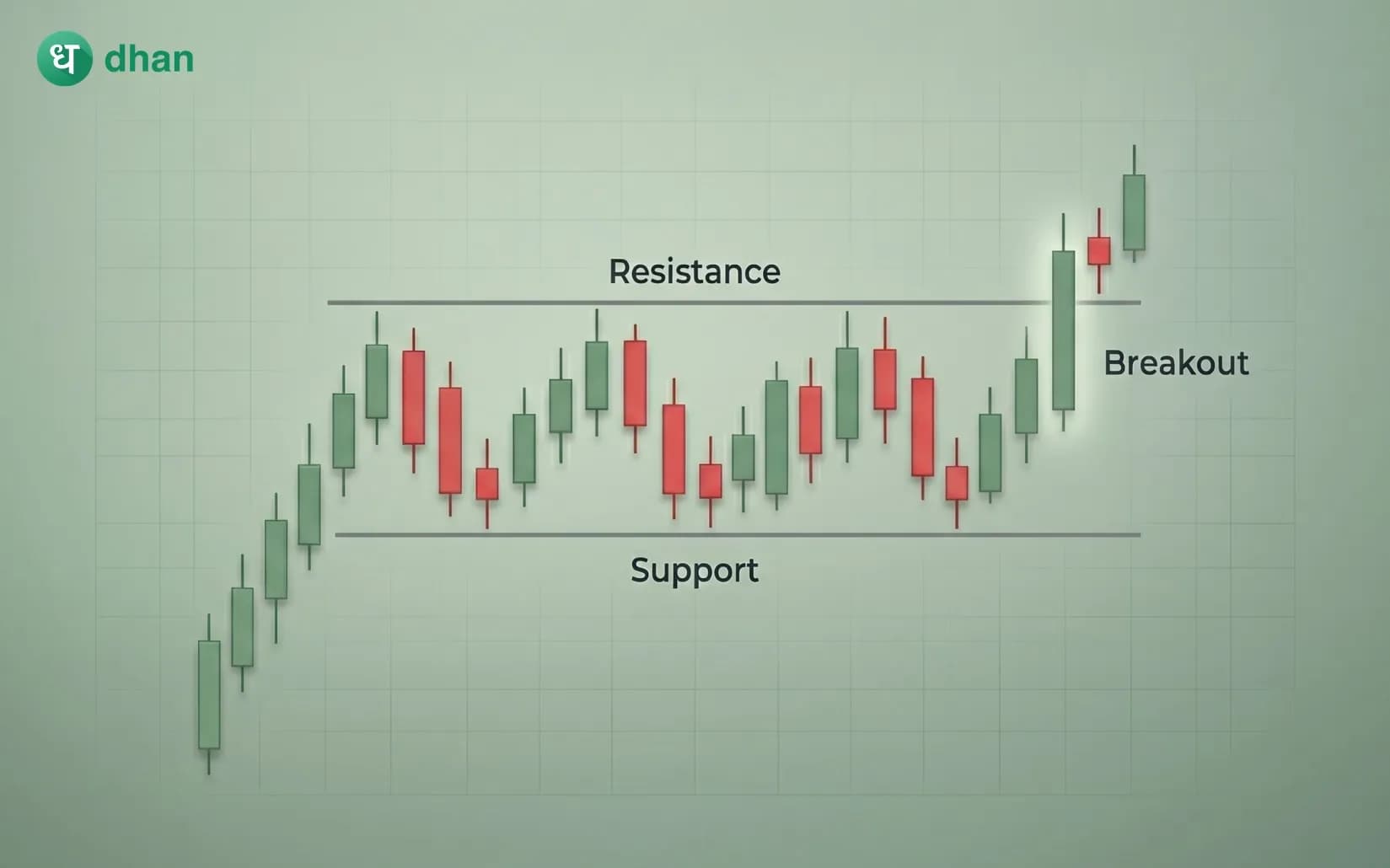
Support and resistance are essential concepts for any trader aiming to read market behaviour with clarity. Recognising these levels helps improve entry and exit decisions.
If you’re starting out, multi-time frame analysis can guide you to spot signals, cut through noise, and make trading decisions that actually make sense.
Learn how to detect trend reversals with charts, patterns, and indicators so you can avoid false signals, protect profits, and trade with more confidence.