Commodity vs Equity: Key differences for Traders & Investors


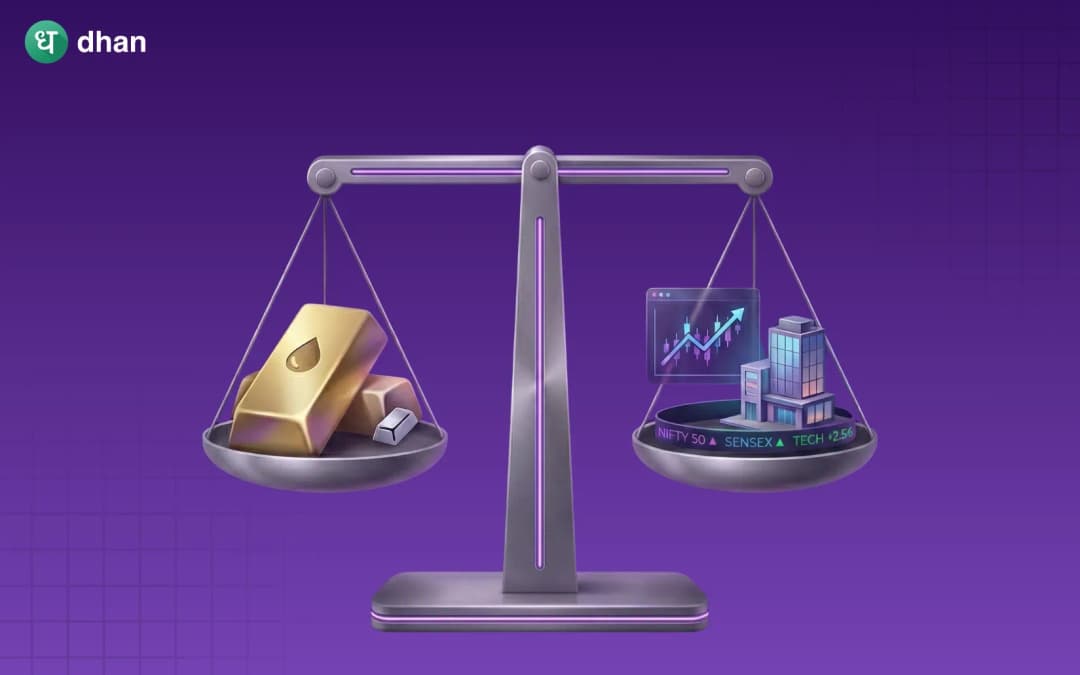

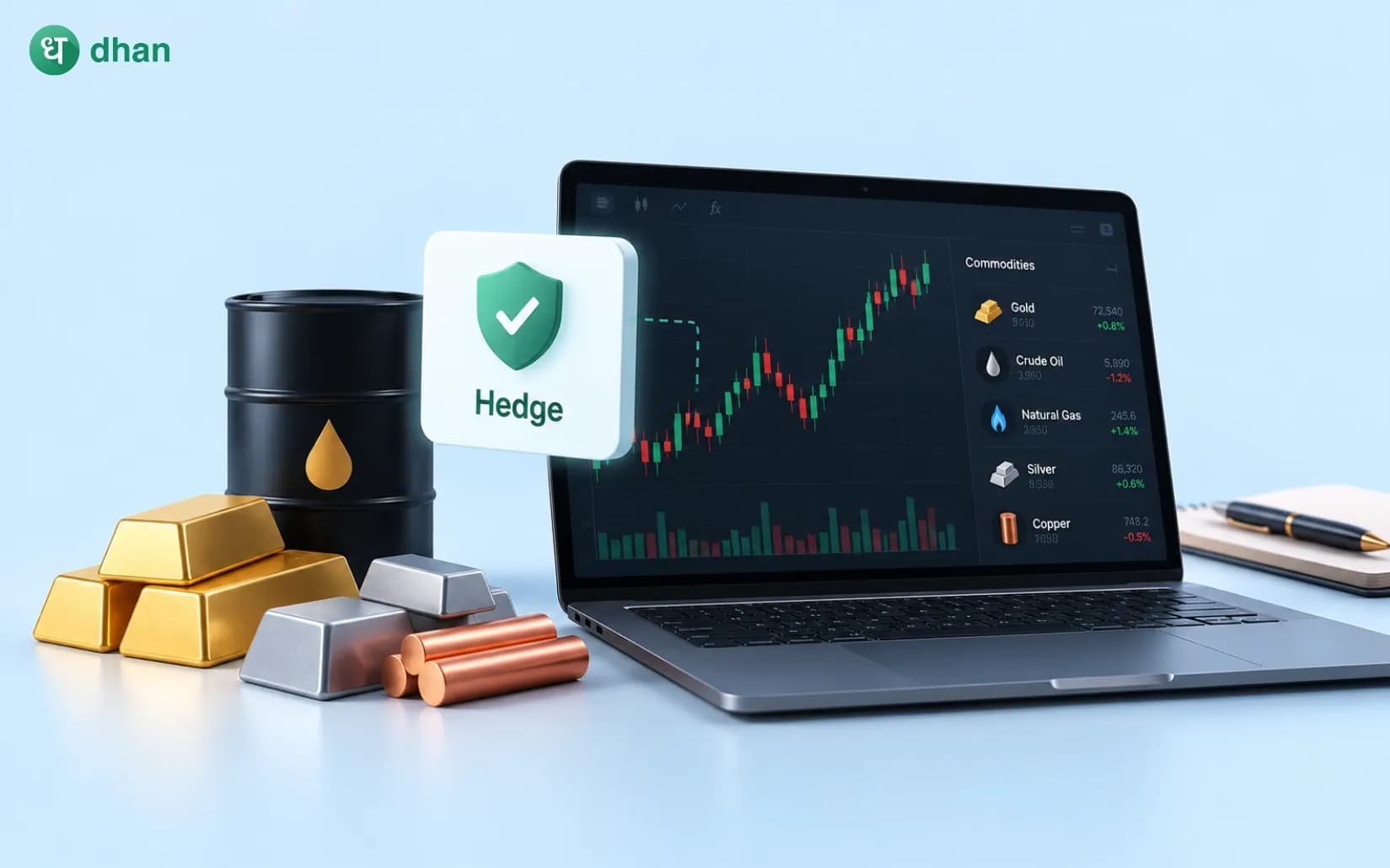

Between equity and commodity - which one would you pick if you’d had both choices? Equities tie you to a company’s success. Commodities tie you to real-world supply and demand shocks.
In this article, we will cover the differences between commodities and equities, and how traders and investors can use those insights to choose wisely.
What is Equity?
Equity refers to ownership interest in a corporation. When you own equity (or shares), you become a part owner of that company.
In India, equity markets are the primary venues where such ownership claims, aka shares, are bought and sold via stock exchanges like the NSE and BSE.
Equity entitles holders to a share in the company’s profits (through dividends) and capital appreciation as the company grows. It also subjects holders to downside risk if the business weakens and equity value falls.
Owning equity is a long-term commitment to a company’s success and carries both reward and risk.
What is Commodity?
A commodity refers to a basic good or raw material that is interchangeable with other goods of the same type, regardless of who produces it.
In India and globally, commodities include metals (gold, silver, copper), energy (crude oil, natural gas), and agricultural produce (wheat, rice, oilseeds). Traders often trade these via derivatives contracts on exchanges such as India’s MCX.
Because commodities are fungible and heavily tied to supply‑demand dynamics and macro factors, they differ sharply from equities in behavior, risk, and use in portfolios.
Key Differences Between Equity and Commodity
To grasp the difference between equity and commodity, here is a side‑by‑side comparison across the most important dimensions:
Implications for Traders vs Investors
Here is a clear breakdown of how each sees and uses these asset classes:
1. For Traders
Higher Volatility, More Opportunities
Commodity Traders experience sharper swings, often responding to sudden supply shocks, weather events, geopolitical developments, or changes in macro variables. This volatility can create more frequent trading opportunities.
In equities, price moves are often more gradual and tied to company news, earnings reports, and market sentiment.
Rollover, Contango, and Backwardation:
Traders in commodity futures and options must remain aware of how contracts expire and roll over.
In markets exhibiting contango (when future prices exceed spot) or backwardation (when future prices are lower than spot), roll yield can either drag performance or boost it. These effects are largely absent in equity trading.
Shorter Holding Horizons and Frequent Position Adjustments:
Because of the nature of derivatives, leverage, and volatility, While trading in commodities traders often hold positions for shorter periods, such as hours, days, or weeks.
They must actively monitor and adjust positions. Equity traders may also flip stocks rapidly, but many are less pressured by expiration or roll mechanics.
Dhan offers dedicated tools for both equity and commodity traders, including live market data, direct TradingView chart integration, and multi-leg F&O strategies. This enables active traders to manage risk, spot opportunities faster, and place trades with more precision across asset classes.
Sensitivity to Macro and External Shocks:
Commodities are highly responsive to macro inputs, including weather, global demand, policy shifts, and supply disruptions. Traders must stay attuned to macro signals, news, and other exogenous events.
Equity trading reflects some of that, too, but company-level events often carry greater weight for stocks.
2. For Investors (Longer Term View)
Stable Returns, Dividends, Ownership Rights
Equity Trading offers a path to steady growth, especially for well-managed companies. They may pay dividends and confer ownership benefits such as voting rights, influence, and a claim on residual profits.
These features make stocks more attractive to long-term holders.
Lower Complexity in Execution and Holding Cost
Holding stocks does not require concern over expiry, roll cost, or carrying charges.
Investors do not need to roll positions or monitor contract curves. They can buy and hold for years as long as the company remains listed.
Diversification and Inflation Hedge
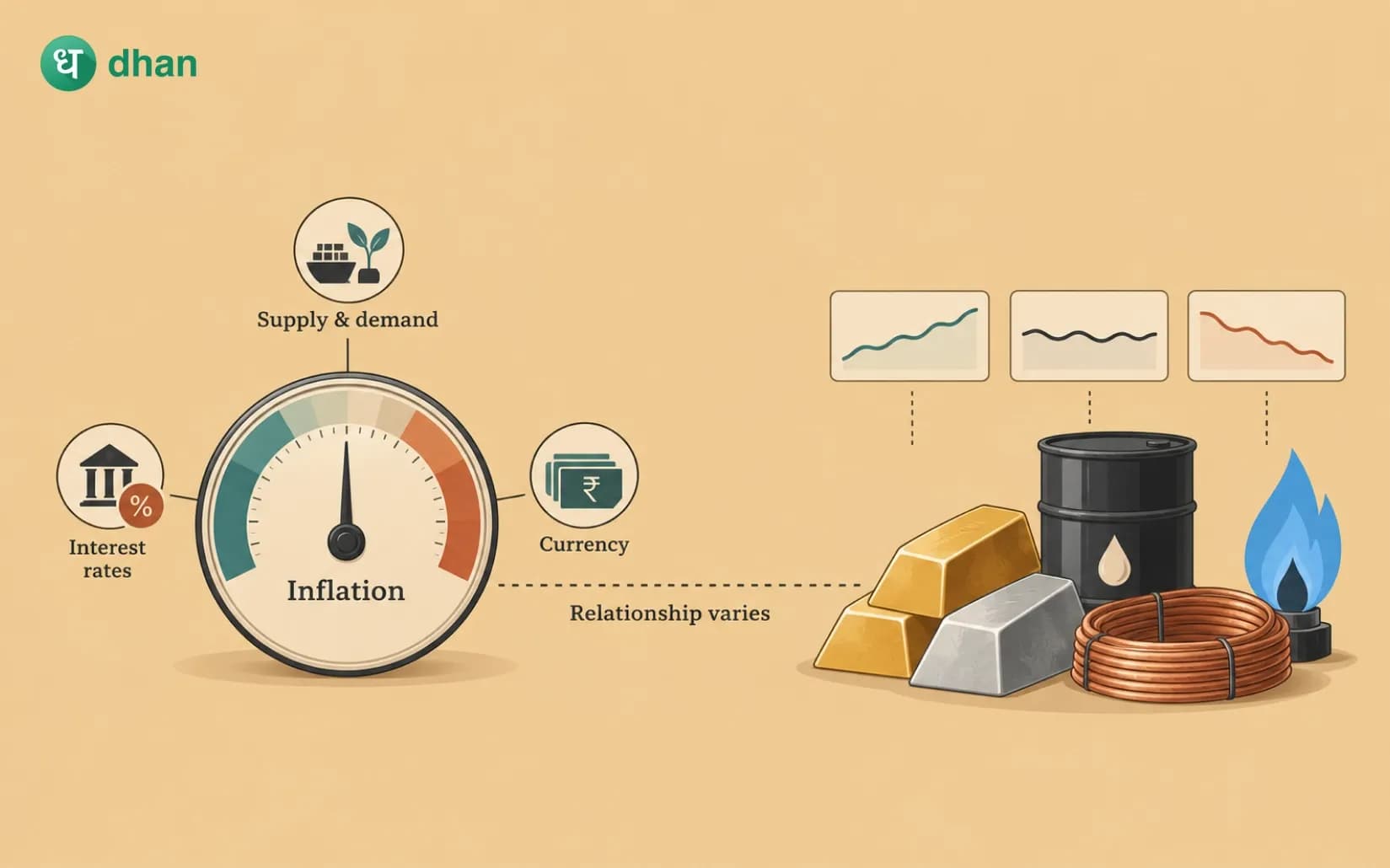
Commodities can serve as a portfolio hedge or diversifier, especially during inflationary periods or when equity markets falter.
Holding some commodity exposure through ETFs or commodity funds may reduce correlation risk.
Complexity in Long Commodity Holding:
While equities are comparatively straightforward to hold, commodities present challenges over the long haul.
Storage or financing costs might apply in some indirect commodity vehicles. Contango effects may erode profit over time.
Choosing between equity commodity comes down to your goal, risk tolerance, and time horizon.
In a nutshell
Stocks usually provide steady returns based on how well companies perform. In contrast, commodities are more affected by changes in supply and larger economic events.
Traders may prefer commodities for short‑term volatility, but investors often lean toward equities for long‑term growth and income. Choose based on your risk tolerance, horizon, and strategic goals.