Guide on opening a Commodity Trading Account in India




Commodity trading refers to the buying and selling of raw goods like wheat, gold, and oil. You need a commodity trading account to trade in this asset class. If you’re new to trading and wondering how to open a commodity trading account, this article is for you.
Opening a commodity trading account in India is a structured process governed by SEBI’s KYC norms and exchange-specific segment activation. In this article, let’s understand what you’ll need to open a commodity trading account, how to do it, and more. Let’s start!
What is Commodity Trading?
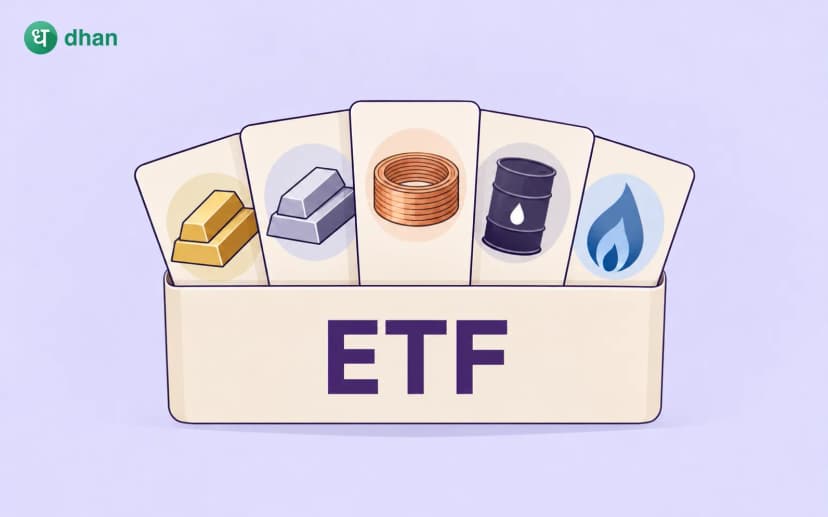
Before we help you understand how to open a commodity trading account, let’s first discuss what commodities are. Commodities are goods and raw materials, such as metals, energy resources, and agricultural produce, that serve as inputs into making other goods and services. This is why their prices swing with global demand and supply.
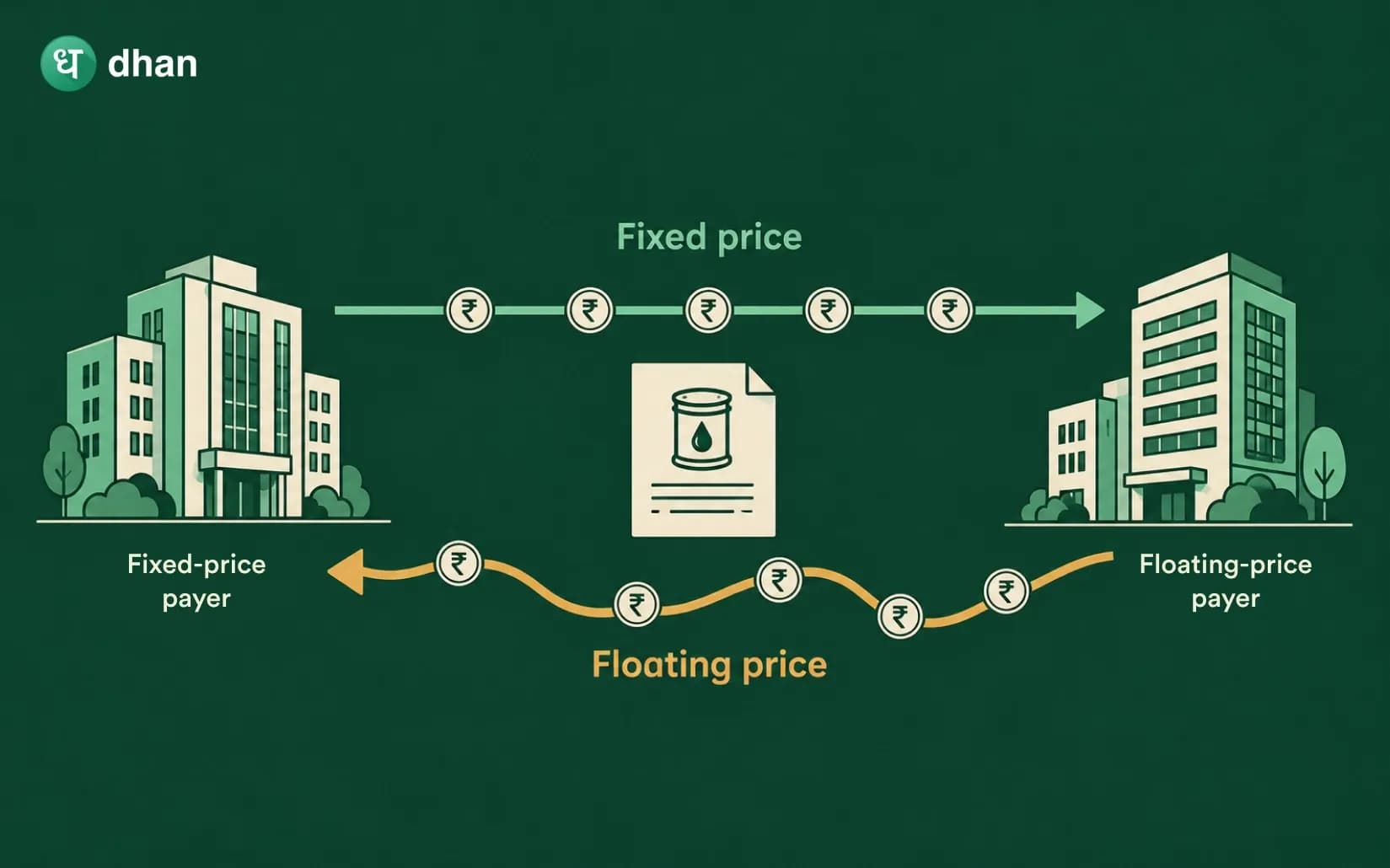
Commodity trading means trading standardised derivatives contracts like futures and options on recognised exchanges under SEBI’s regulatory framework, rather than buying or selling the physical goods directly. A futures contract is an exchange-traded agreement to buy or sell an underlying commodity at a set price on a set future date, while an options contract gives a right, not an obligation, to buy or sell at a preset price.
In India, commodity derivatives most commonly cover bullion, energy, and base metals, reflecting where liquidity and hedging demand are strongest. These markets help link futures prices with the physical market by setting transparent benchmarks that are closely monitored by businesses and participants. They enable hedging and price discovery, helping participants manage input-cost volatility and align with global cues.
Where does Commodity Trading happen?
Most retail commodity derivatives trading happens on Multi Commodity Exchange of India Limited (MCX), while agricultural contracts trade on National Commodity & Derivatives Exchange Limited (NCDEX), and select commodity derivatives also trade on National Stock Exchange (NSE) and Bombay Stock Exchange (BSE).
MCX dominates India’s commodity futures turnover, contributing approximately 95.9% to the futures market, with a 100% market share in precious stones & metals, a 99.80% market share in base metals, and a 99.61% share in energy.
NCDEX primarily handles agri derivatives, with a 99.35% market share, while NSE also runs a commodity derivatives segment with published ADT and contract stats.
Market timings
The MCX runs from Monday to Friday, except on trading holidays. The special session of MCX runs from 8:45 AM to 8:59 AM. This session takes place to cancel any pending orders before the market opens.
The normal session on MCX runs from 9:00 AM to 11:30 PM. It can go up to 11:55 PM with closing aligned to global markets, so the hours vary by commodity and daylight saving periods.
You can do futures trading for agri-commodities till 5:00 PM, while other commodities like metals and energy products can be traded during the normal trading session.
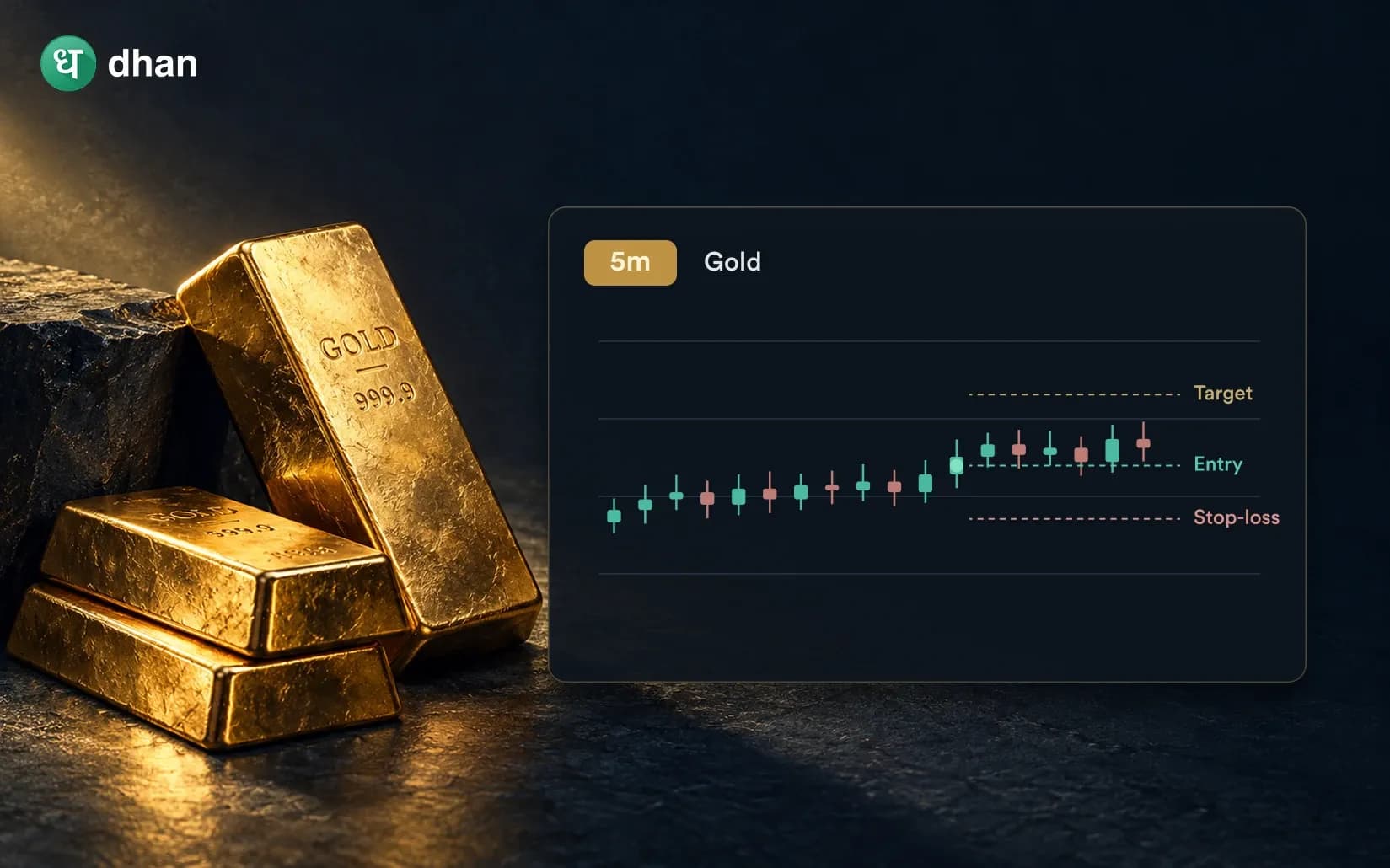
Commodity derivatives can be highly volatile, with risk disclosure documents emphasising liquidity, spread, and execution risks. Make sure that you stick to position sizing, stop-loss discipline, and understand contract specifications to help reduce avoidable errors.
Steps to open a Commodity Account in India?
In this section, let’s understand the steps on how to open a commodity account on Dhan:
- Sign up on Dhan via the mobile app or web, register with a mobile number, and start opening your demat and trading account with the help of support prompts or through the onboarding dashboard.
- Enter PAN and Aadhaar, fill personal details, take a selfie for identity verification, link your primary bank account, and e‑sign the form using Aadhaar OTP to complete eKYC. You can complete your KYC and onboarding on Dhan within 10 minutes.
- To enable the F&O/Commodity segment, upload income proof, such as a 6-month bank statement, recent payslip, Form 16, latest ITR acknowledgement, or a holdings statement. Dhan also supports automatic bank‑statement fetch, which is typically the fastest route to verify income for segment activation.
- Submit the digital form and e‑sign; Dhan validates KYC internally and routes the request for regulatory checks.
- Segment activation typically completes soon after KYC. If the commodity segment remains inactive, it may take 1–2 working days to fully reflect.
- If income proof is unavailable during onboarding, you can add it later from your Dhan Profile by applying for segment activation.
- Once KYC is validated and segment activation is approved, commodity trading access is enabled within the broker platform.
Executing a commodity trade on Dhan is easy. You can place, modify, and exit orders directly from TradingView charts on Dhan, enabling quick entries and exits as the price approaches key levels.
To wrap things up
Commodity trading can be done through standardised contracts on regulated exchanges, but for that, you will need a commodity account. With Dhan, you can open a commodity trading account in just 10 minutes. All you have to do is fill out the online onboarding form, submit the required documents, income proof, and e-sign using your Aadhaar card. You can use the commodity trading account to trade seamlessly.