


How to use Commodity Futures to hedge?





Key takeaways
- Commodity futures hedging involves taking a futures position to reduce the impact of unfavourable price movements in the physical commodity or related exposure.
- A buyer concerned about rising prices can use a long futures position, while a seller worried about falling prices can consider a short futures position.
- The hedge may not perfectly offset the physical market exposure because futures and spot prices can behave differently. This difference is known as basis risk.
- Hedging is primarily about managing price risk, not trying to maximise trading profits. Position size, contract specifications, expiry and margin requirements all need to be considered.
Commodity prices can change quickly. Crude oil, gold, silver, natural gas and agricultural commodities can all experience significant price movements because of changes in supply, demand, currency movements, weather, inventories, interest rates and global events.
Such price changes can directly affect costs or revenues for a business that buys or sells a commodity. For example, a jewellery maker might worry that the rising price of gold will push up its costs of production. A producer may fear that the fall in commodity prices will reduce the amount it gets from the sale of its output.
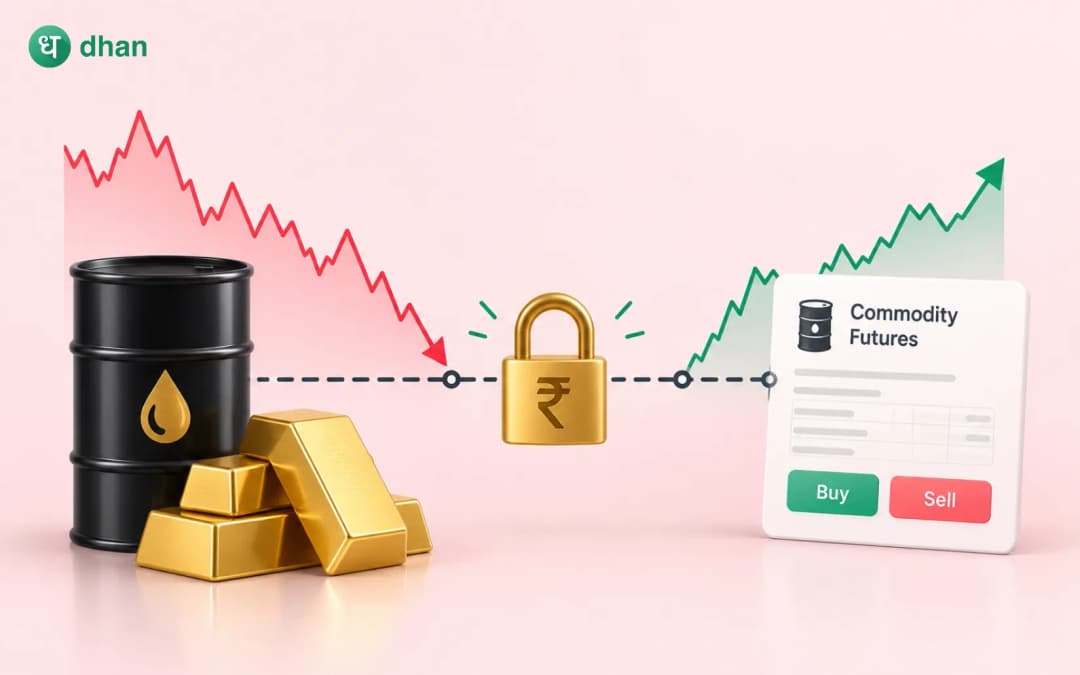
This is where commodity futures hedging can become useful. Instead of accepting the full impact of an uncertain future price, a market participant can take a futures position designed to offset some of the potential loss in the physical market.
What is commodity futures hedging?
Hedging uses the futures market to manage an existing or expected exposure to the physical commodity.
For example, suppose a manufacturer expects to buy gold three months from now. If gold prices rise significantly before the purchase, the manufacturer's costs could increase. The manufacturer could potentially take a long position in gold futures to offset part of that risk.
If the physical gold becomes more expensive, the long futures position may gain value. The futures gain can therefore help compensate for the higher cost of purchasing the physical commodity.
Why do traders and businesses hedge with futures?
The main reason to hedge is to reduce uncertainty.
Consider a business that has already agreed to sell a product to a customer at a fixed price but will only purchase the required commodity later. If the commodity becomes more expensive before the purchase, the business's profit margin could shrink.
A futures hedge can potentially reduce this uncertainty by creating an opposing position in the derivatives market.
Hedging can therefore help businesses plan costs, protect margins and make financial decisions without being completely exposed to short-term commodity price movements.
It is important to understand that hedging does not eliminate all risk. It changes the nature of the risk by introducing a futures position that is expected to offset the underlying exposure.
The two basic types of commodity futures hedges
Here are two types.
Long hedge
A long hedge is generally used when an individual or business expects to buy a commodity in the future and is worried that its price may increase.
For instance, a manufacturer expects to purchase 10 tonnes of aluminium after two months. If aluminium prices rise during that period, the physical purchase becomes more expensive.
Short hedge
A short hedge is generally used when a producer or holder of a commodity expects to sell it in the future and is concerned about falling prices.
Suppose a producer expects to sell crude oil after three months. A decline in crude prices would reduce the revenue from the eventual physical sale.
How does commodity futures hedging work?
The basic process can be broken down into several steps.
Identify the underlying exposure
Determine what commodity exposure needs to be protected.
Ask whether you are likely to buy or sell the commodity and when that transaction is expected to occur. The size and timing of the exposure are important because the futures position needs to broadly correspond to the underlying risk.
Choose the appropriate futures contract
The next step is selecting a futures contract that closely matches the commodity exposure.
This involves considering the commodity, commodites' contract size, upcoming expiry and exchange specifications. A mismatch between the physical exposure and futures contract can reduce the effectiveness of the hedge.
Decide whether to go long or short
A future buyer generally considers a long hedge because rising prices are the primary concern. On the other hand, a future seller considers a short hedge because falling prices are the main concern.
Monitor the hedge
A hedge should be monitored as market conditions change. The futures position may need to be closed, rolled into another expiry or adjusted when the underlying exposure changes.
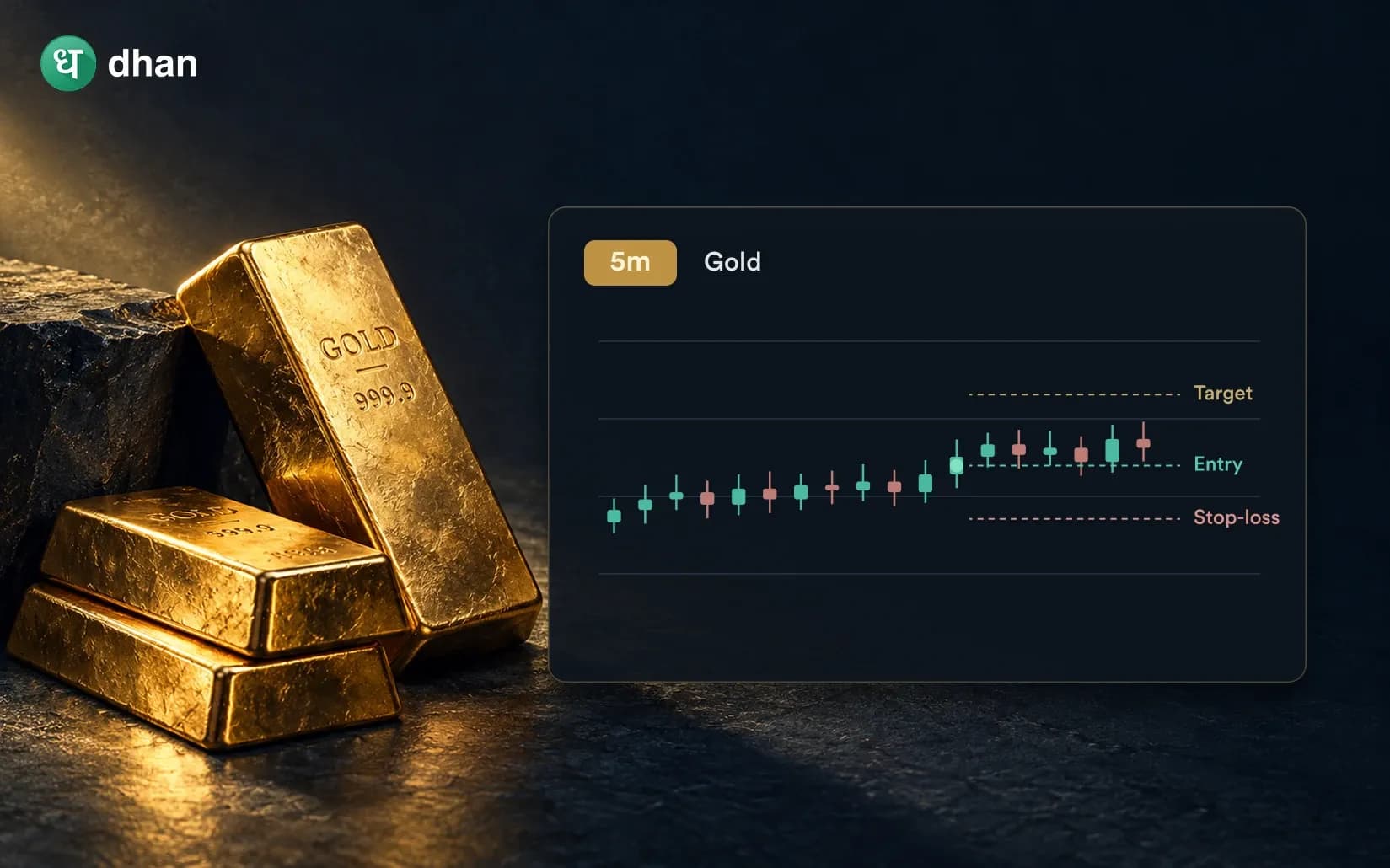
Example: hedging a future gold purchase
Suppose a jewellery manufacturer expects to buy gold worth ₹50 lakh after three months. The manufacturer is concerned that gold prices could rise before the purchase.
Instead of remaining completely exposed to the price increase, the manufacturer could take a suitable long position in gold futures.
Assume gold prices subsequently rise. The physical gold purchase becomes more expensive, but the long futures position may generate a gain.
If gold prices instead decline, the physical purchase becomes cheaper, but the futures position may incur a loss.
The purpose of the hedge is therefore not to guarantee a profit. It is to reduce the impact of an adverse price movement on the overall exposure.
Example: hedging a commodity sale
Now consider a producer expecting to sell a commodity in three months.
The producer is currently comfortable with the market price but is concerned that prices could fall before the physical sale. A short futures position can be used to establish an offsetting exposure.
If prices fall, the producer receives less from the physical sale but may gain on the short futures position.
If prices rise, the producer earns more from the physical commodity but may incur a loss on the short futures position.
What is basis risk?
One of the most important concepts in commodity hedging is basis risk.
The basis is broadly the difference between the spot price of the commodity and its corresponding futures price. The two prices usually move in the same general direction, but they do not always move by exactly the same amount.
For example, suppose a business is exposed to the physical price of a particular grade or location of a commodity but uses a futures contract with slightly different specifications. The futures price may rise by ₹100 while the physical price rises by ₹120.
What factors affect the effectiveness of a hedge?
The following factors affect the effectiveness of the hedge:
Hedge ratio
The hedge ratio represents the size of the futures position relative to the underlying exposure.
A one-to-one hedge may be appropriate in some situations, but it is not automatically correct. Differences in contract size, volatility and the relationship between spot and futures prices can affect the appropriate hedge ratio.
Contract expiry
Watch out for the futures expiry. If the actual transaction occurs after the expiry of the chosen contract, the hedger may have to close out the current position and enter into a later contract.
This process is known as rolling the hedge and can introduce additional costs and risks.
Contract specifications
Commodity futures are standardised. Traders need to understand the contract's lot size, quotation, expiry, settlement method and other specifications before using it for hedging. A contract that does not match the underlying exposure closely enough may provide a less effective hedge.
Margin requirements
Futures are leveraged instruments. A relatively small margin deposit provides exposure to a larger contract value.
Even when the hedge is economically working as intended, the futures position can generate interim losses that require additional funds to maintain the position.
Advantages of commodity futures hedging
Commodity futures hedging offers the following advantages:
- A buyer concerned about rising prices can use a long futures position to potentially offset some of the increase in the physical market.
- Producers can use short futures positions to reduce the impact of falling commodity prices before their physical sale takes place.
- It allows businesses to manage price exposure without changing their physical operations.
- Futures positions can generally be closed or rolled as the timing and size of the physical exposure change. This provides flexibility compared with locking into a single long-term physical price.
Disadvantages and risks of commodity futures hedging
Along with advantages, commodity futures have the following limitations:
- If a buyer hedges against rising prices and the commodity subsequently falls, the physical purchase becomes cheaper, but the futures position may lose money.
- Spot and futures prices may not move in exactly the same way. Differences in commodity quality, location, timing or market conditions can leave the hedger with some residual price exposure.
- A futures position is marked to market, so losses can require additional funds even when the physical transaction has not yet occurred.
- The available futures contract may not perfectly match the quantity, grade, delivery location or timing of the underlying exposure. This mismatch can make the hedge less precise.
Conclusion
Commodity futures can be an effective tool for managing exposure to changing commodity prices. A buyer concerned about rising prices may consider a long hedge, while a producer or seller concerned about falling prices may consider a short hedge.
However, hedging is not the same as eliminating risk. Basis risk, contract mismatches, expiry, margin requirements and changing market conditions can all affect the final outcome.
FAQs
What is a long hedge?
In a long hedge, traders buy futures to protect against a potential rise in the price of a commodity that will be purchased in the future.
What is a short hedge?
A short hedge involves selling futures to protect against a potential decline in the price of a commodity that will be sold in the future.
Who uses commodity futures for hedging?
Businesses, producers, manufacturers and other market participants with commodity price exposure can use futures for hedging.
What is a hedge ratio?
A hedge ratio indicates the size of a futures position relative to the underlying exposure. It helps determine how much of the commodity price risk is being hedged.
Can commodity futures completely eliminate price risk?
No. They can reduce a portion of the price risk, but basis risk, timing differences, contract mismatches and other factors can leave some exposure unhedged.