Natural Gas FnO Expiry 2026





For an Indian trader who trades in the commodity derivatives market, it is important to understand the intricacies of natural gas futures and options (F&O) segments and their expiry dates in order to make informed decisions and trade strategically in 2026. The FnO expiry dates of the Natural Gas segment plays an important role in shaping trading strategies, as these dates mark the last day of the contract's validity.
Understanding F&O expiry in natural gas trading
The expiry date of the natural gas F&O contracts marks the last day of the contract's validity in the F&O segment. After this date, the contract ceases to exist, and the positions are settled. The expiry dates have a major influence on the market, which can lead to a surge in market volatility.
The traders who trade in natural gas F&O segments have the option to settle their positions or roll over to the next month before the expiry. On expiry, these F&O contracts are cash settled.
MCX natural gas futures expiry dates for 2026
The natural gas futures contracts traded on the MCX exchange are known for their volatility. Moreover, these contracts are actively traded in the Indian market. The following table illustrates the detailed expiry schedule for the MCX natural gas futures contracts (1250 MMBtu) for the calendar year 2026:
MCX natural gas options expiry dates for 2026
It is essential for traders to remain updated on the expiry date of the options contracts traded on the MCX exchange. On expiry, the in-the-money options contracts automatically devolve into futures contracts. The natural gas options contracts traded on the MCX exchange expire two business days prior to the expiry date of the futures contracts.
The following table illustrates the expiry month for the natural gas options contracts traded on the MCX exchange in 2026:
Factors influencing natural gas prices
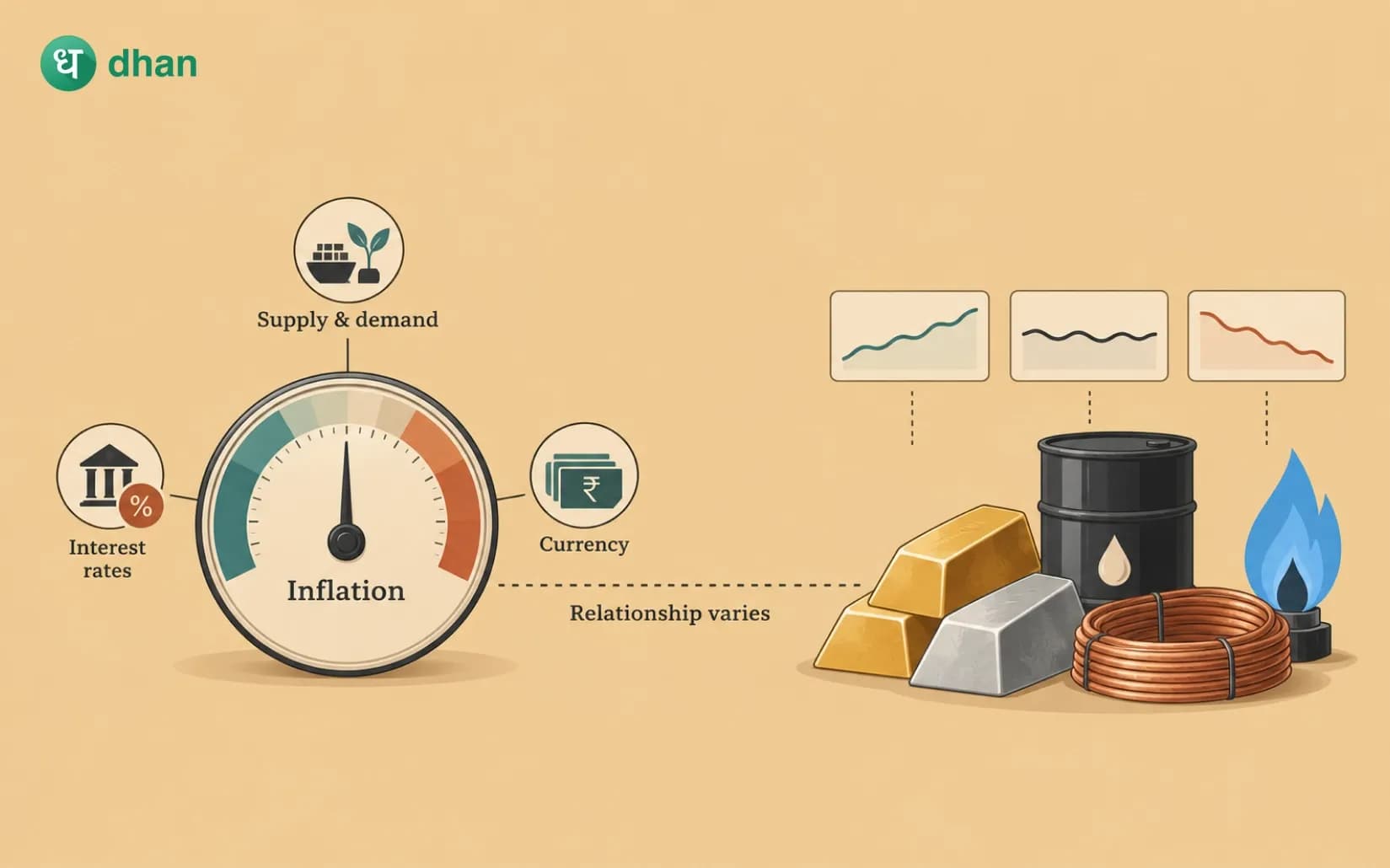
Natural gas prices are inherently volatile and are subject to a complex interplay of global and domestic factors. Some of those factors are:
- Global demand and supply: When there is an imbalance in demand and supply, with demand exceeding supply, prices tend to go higher, and vice versa. The demand for natural gas in India is expected to increase by 60% by 2030. Natural gas consumption in India is expected to rise to 225 billion cubic meters by 2030, a significant increase over current consumption levels of 50 billion cubic meters.
- Natural gas inventory data: Weekly or monthly inventory levels, especially those provided by the US Energy Information Administration, provide important insights into supply and demand. Higher levels of inventories indicate that demand is less than supply, which in turn causes prices to fall.
- Weather patterns: Arguably, this is the most important factor, as extreme weather conditions, whether cold or hot, increase demand for natural gas. Cold weather causes demand to increase for heating, while hot weather causes demand to increase for electricity, which in turn is used to power air conditioners.
- Crude oil prices: Although indirectly related, there are times when there is a direct relationship between crude oil and natural gas prices, especially since they are both energy-based commodities.
- Economic growth: Strong economic activity often translates to increased industrial demand for natural gas, supporting higher prices. Conversely, economic slowdowns can reduce demand.
- Geopolitical events: Conflicts, sanctions, and other issues in major natural gas-producing or consuming countries can have a significant impact on natural gas prices.
- Currency fluctuations: In a country like India, which is a net importer of natural gas, a weakening of its domestic currency, such as the Indian Rupee, would result in a higher price for natural gas as the import cost increases.
Conclusion
The 2026 F&O expiry schedule for natural gas F&O contracts on MCX emphasises the dynamic nature of this commodity, which not only brings about attractive opportunities for Indian traders but also involves some inherent risks. The impact of international supply-demand forces, geopolitical events, and Indian government initiatives will continue to influence the price of natural gas.
Thus, for Indian traders to successfully trade in this ever-changing segment of the market, they must have a clear understanding of the expiry dates of natural gas F&O contracts, international cues, risk management techniques, and market research.