Tender Period in MCX





Key takeaways
- Tender period is the final phase before an MCX contract expires.
- Tender period margin is an extra margin charged during this period. It applies to both buy and sell positions.
- Tender period and expiry are different, and the dates depend on the contract.
- Traders should check the tender period, margin and delivery rules before holding a position near expiry.
When trading commodity futures on the Multi Commodity Exchange (MCX), traders come across several terms related to the expiry and settlement of contracts. One such term is the tender period.
For commodity traders, the tender period can be confusing. It is generally seen towards the later part of a futures contract and is connected with the additional margin requirements that apply as the contract moves closer to expiry.
Understanding the tender period is important because the margin requirement can increase during this phase. This can affect the amount of funds required to keep an open position.
What is the Tender Period in MCX?
The tender period comes in the later part of an MCX futures contract, when an additional margin is applicable to the position.
MCX applies a tender period margin at the percentage given in the relevant product or contract specification. The margin is imposed on an incremental basis and applies to both outstanding buy and sell positions. It continues until the expiry of the contract.
The exact tender period is not the same for every commodity. It depends on the contract specifications of the particular commodity and contract month.
MCX’s contract information also shows the tender or staggered start and end dates for contracts, which traders can use to understand when this phase begins for a particular contract. The start of the tender period can therefore be different for each MCX commodity and contract.
Why does MCX have a Tender Period?
A commodity futures contract does not remain the same throughout its entire life. As expiry comes closer, traders also need to pay more attention to settlement and delivery.
MCX has a separate delivery mechanism for commodities traded on the exchange. Deliveries are carried out according to the settlement schedule and the contract specifications of the particular commodity.
As a result, the exchange applies additional margin requirements as a contract moves closer to expiry.
The tender period margin is one such requirement. It provides an additional margin buffer when the contract is approaching the later part of its life.
For a trader, the important point is that entering or continuing to hold a position during this period can require more funds than before.
What is the Tender Period Margin?
Tender period margin is an additional margin that is applied during the tender period. MCX states that this margin is imposed at the percentage specified in the relevant product or contract specification. It is imposed on an incremental basis and applies to both outstanding buy and sell positions.
For example, suppose a trader has a futures position in a commodity and the contract enters its tender period. The trader may already have an initial margin requirement for that position. Once the tender period starts, an additional tender period margin can be added to the margin requirement.
If the position continues to remain open, the applicable tender period margin can continue until the expiry of the contract, depending on the contract rules. So, traders may need to keep extra funds available if they continue holding the position.
How does the Tender Period affect traders?
The main impact of the tender period is on the margin requirement.
When an additional margin is imposed, the amount of money blocked or required for maintaining the position can increase. A trader who has enough funds before the tender period may therefore need to add more funds once the additional margin comes into effect.
This is particularly important for traders who usually hold futures positions for several days or weeks instead of closing them quickly. For example, imagine a trader buys an MCX futures contract and plans to hold it until the price reaches a particular target. If the contract enters its tender period while the position is still open, the margin requirement may increase.
If the trader does not have enough funds available, there may be a need to add funds or close the position, depending on the broker’s requirements and the position.
Therefore, the tender period is something that should be checked before holding a commodity futures contract close to expiry.
Is the Tender Period the same as expiry?
The tender period and expiry are not the same thing.
The tender period is a phase that occurs towards the end of the contract. Expiry is the date on which the contract reaches the end of its specified life.
The tender period can therefore start before the actual expiry date. The number of days and the applicable margin during this period depend on the specific commodity contract. MCX publishes contract information that includes tender or staggered dates for applicable contracts.
So, if a trader sees that a futures contract is nearing expiry, it is worth checking whether it has already entered the tender period rather than looking only at the expiry date.
Tender Period vs Delivery Period
Tender period and delivery period are also two different stages.
During the tender period, tender period margin is applicable. MCX says this margin continues up to the expiry of the contract and is released when delivery period margin is imposed. Once the contract enters the delivery period, delivery period margin is imposed according to the contract specification.
Delivery period margin applies to outstanding buy and sell positions and continues until the delivery obligation is settled. MCX also explains that the margin can be reduced as the seller submits the required delivery documents or the buyer makes the required payment for the delivery allocated to them.
So, broadly, the tender period comes before the delivery period for contracts where these stages apply, although the exact dates and process depend on the commodity contract.
What happens when a contract gets closer to expiry?
As a commodity futures contract approaches expiry, traders need to pay more attention to the contract specifications.
The position may be subject to higher margin requirements, and the possibility of delivery becomes more relevant for contracts that are settled through delivery.
MCX provides delivery-related information and allows delivery intentions to be submitted through its delivery systems. The exchange also specifies approved warehouses and delivery centres for commodities where physical delivery takes place.
For a trader who does not want to take or give physical delivery, this becomes particularly important. Many traders close or roll over their futures positions before the contract reaches the later stages. The decision depends on the trading strategy and the rules applicable to the particular contract.
Does the Tender Period apply to every MCX contract?
The tender period and the applicable margin depend on the particular contract. MCX provides contract-specific information, including tender or staggered dates, and the margin percentage is defined in the relevant product or contract specification.
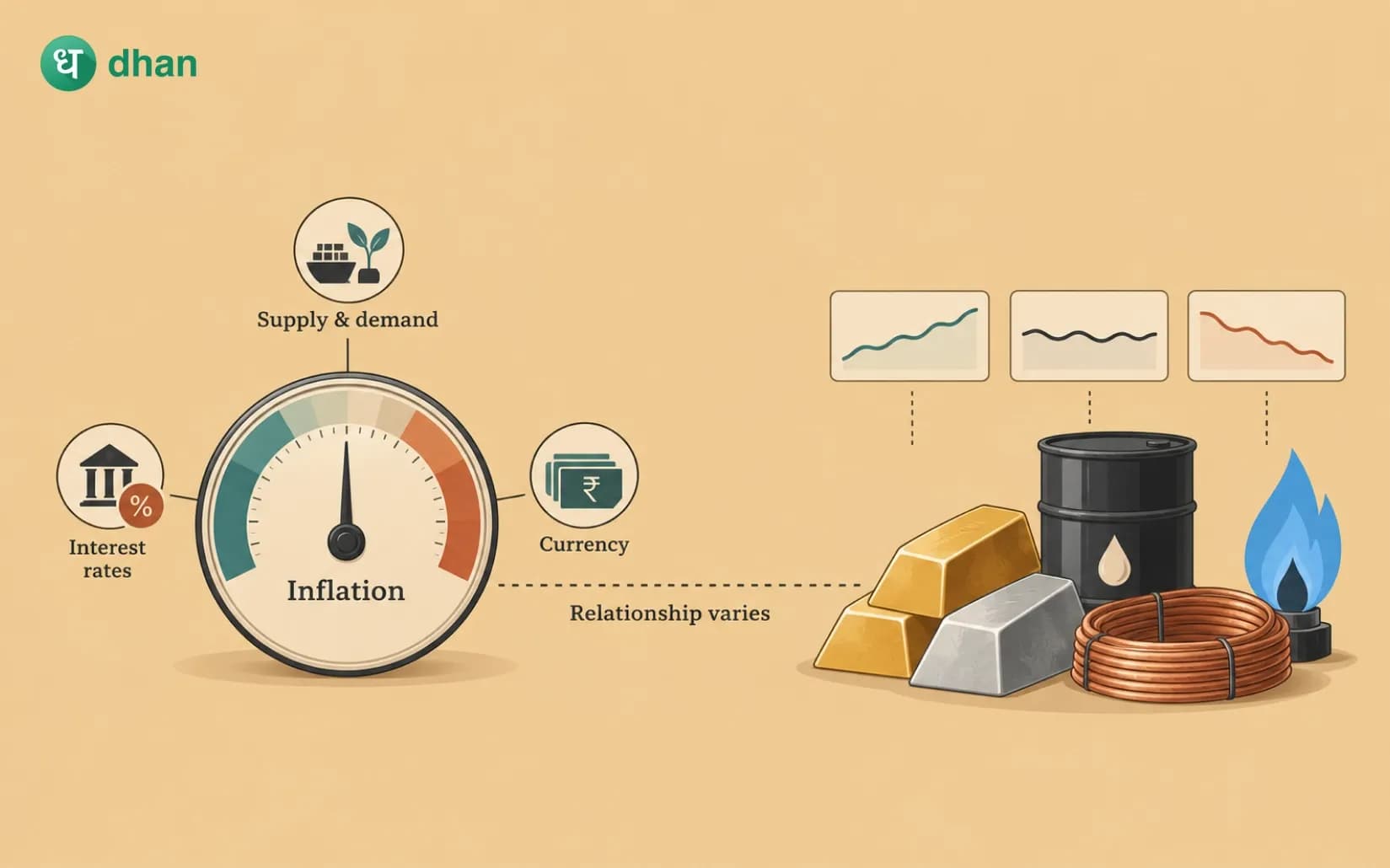
Therefore, traders should check the details of the commodity they are trading instead of assuming that the same tender period or margin applies to gold, silver, crude oil, natural gas or agricultural commodities.
The rules can differ depending on the contract. This is especially important because MCX trades different types of commodities, including bullion, base metals, energy products and agricultural commodities.
Why should traders keep track of the Tender Period?
For traders, the tender period is mainly important because of margin and expiry-related risks.
A trader may enter a position when the margin requirement is manageable but may later find that more funds are needed as the contract moves closer to expiry.
This can become a problem if the trader is using most of the available trading funds for other positions. It is also important for traders who do not want to participate in the physical delivery process.
MCX has specific delivery procedures for commodities, including delivery through exchange-approved warehouses and designated delivery centres where applicable.
Therefore, before holding an MCX futures position close to expiry, traders should check:
- The expiry date of the contract
- The tender period dates
- The applicable tender period margin
- Whether the contract is subject to delivery
- The delivery period and related requirements
- The broker’s requirements for carrying the position
Traders must therefore check these details beforehand in order to avoid last-minute problems.
Conclusion
The tender period is something traders should keep in mind when a futures contract is nearing expiry. Checking the tender period and the margin applicable during this time can help traders plan their positions better.
FAQs
What is the tender period in MCX?
Tender period is the phase towards the end of an MCX futures contract during which tender period margin is applicable. The margin is imposed according to the contract specifications and applies to outstanding buy and sell positions.
What is the tender period margin in MCX?
Tender period margin is an additional margin imposed during the tender period. MCX says it is imposed on an incremental basis and applies to both outstanding buy and sell positions. The applicable percentage depends on the product or contract specification.
Does the tender period mean that physical delivery has started?
Not necessarily. The tender period and delivery period are different stages. Tender period margin is applicable during the tender period, while delivery period margin is imposed when the contract enters its delivery period.
Can traders hold an MCX position during the tender period?
A trader can hold a position subject to the rules and margin requirements applicable to that contract. However, the additional tender period margin means that more funds may be required to maintain the position. Traders should also check whether the contract has delivery obligations.
Where can I check the tender period of an MCX contract?
The tender or staggered dates can be checked in the contract information provided by MCX. Traders should also refer to the specific contract specifications for the applicable margin and settlement details.