What is Indian Commodity Exchange (ICEX)?





The commodity trade plays an essential role in the global financial market, acting as a platform for linking different business enterprises and investors. Instead of buying shares, commodity traders trade contracts of materials such as metal, energy, and agricultural products. This helps to establish the market price while allowing firms to hedge against sudden price movements.
Understanding how this exchange works can help traders and investors better grasp how commodity prices are determined and how risk in the commodity market can be better managed.
Understanding the Indian Commodity Exchange
Before moving on to the process of how the exchange works, let's briefly understand what is Indian Commodity Exchange and its role in the commodity derivatives market.
The Indian Commodity Exchange, commonly known as ICEX, started its operations in 2009. It is an electronic exchange platform for the trading of commodity derivatives contracts that are not available in MCX. ICEX is under the regulatory control of the Securities and Exchange Board of India (SEBI). SEBI is the regulator of the commodity derivatives markets since the merger of the Forward Markets Commission (FMC) with SEBI in September 2015.
The commodity derivatives exchange plays a vital role in facilitating price discovery and offering risk management solutions for various players in the commodity markets.
ICEX has also received recognition for offering innovative products in the commodity derivatives market. Notably, the exchange launched the world’s first-ever diamond futures contracts in 2017, which is a major milestone in the world of commodity trading. It was also the first one to launch India’s first Steel Futures Contract in 2018.
Commodity trading on ICEX
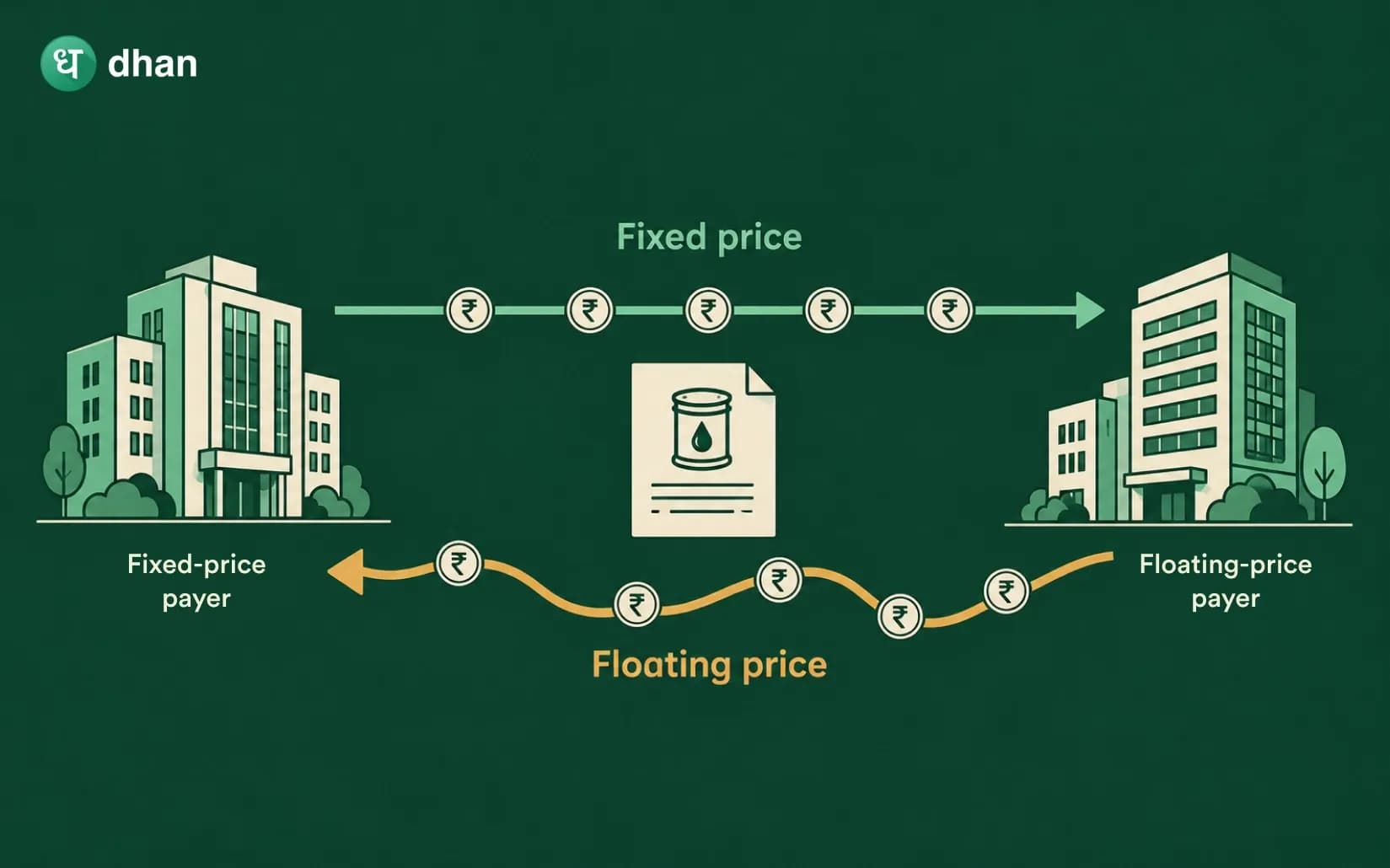
ICEX offers futures, which are agreements to buy or sell a commodity at some future date at a set price.
This helps manage price risks and speculate on price movements without owning the asset.
Basic Steps Involved in Commodity Trading
- Open a Commodity Trading Account: To begin with, it is very important to open a commodity trading account with a broker who is registered with the exchange.
- Complete KYC Documentation: It is essential for traders to submit identity documents prior to trading.
- Deposit Margin Amount: Open the commodity segment. The trader should deposit the margin amount to trade in commodity futures.
- Understand Market Trends: The traders need to comprehend market trends, together with demand patterns and economic indicators, before they start trading commodities.
The above process enables individuals to trade commodities on regulated exchanges.
Participants in the ICEX
Commodity markets have a number of market participants who trade for a variety of reasons. They all contribute to market liquidity and efficiency in price discovery.
Hedgers
Hedgers are organisations or producers who wish to hedge against price fluctuations. They use futures contracts in commodity markets to mitigate financial risks associated with price volatility.
Speculators
The role of the speculators is to gain from the short-term fluctuations in prices. They analyse the trends and prices of commodities and the economic factors to forecast the prices in the future.
Arbitrageurs
Arbitrageurs try to profit from the difference in the prices of securities or assets between different markets or exchanges. They help maintain equilibrium in the market.
Traders
Traders are individuals or groups who add commodities to their portfolios. Commodities can be considered an alternate investment options along with stocks.
The role of these participants creates a balanced commodity market.
Advantages of trading on ICEX
Now that you know what is Indian Commodity Exchange, let’s get in more details. The advantages of commodity trading via an exchange rather than via the informal market are many, including:
Regulated trading environment
ICEX is regulated by SEBI guidelines, which promote transparency and accountability.
Transparent price discovery
The prices are determined according to demand and supply using electronic trading systems, which enhance transparency.
Risk management opportunities
Commodity futures enable businesses to hedge against price risks and minimise uncertainties in financial markets.
Nationwide market access
The commodity market is accessible to all the traders of India, and they can trade by using online platforms operated by approved brokers.
These benefits of commodity futures have made ICEX an integral part of commodity derivatives.
Challenges in commodity trading on ICEX
Commodity trading offers traders profitable opportunities; however, traders should be aware of the risks before entering into a trade. A few of them are mentioned below:
High price volatility
Prices of commodities fluctuate quickly in accordance with worldwide economic developments, interruptions in supply chains, and immediate changes in demand.
Requirement of market knowledge
A successful commodity business involves an understanding of various trends and factors in the global market.
Margin-based trading
Margin needs to be maintained for futures contracts. Market movements may demand further margin deposits.
External market influences
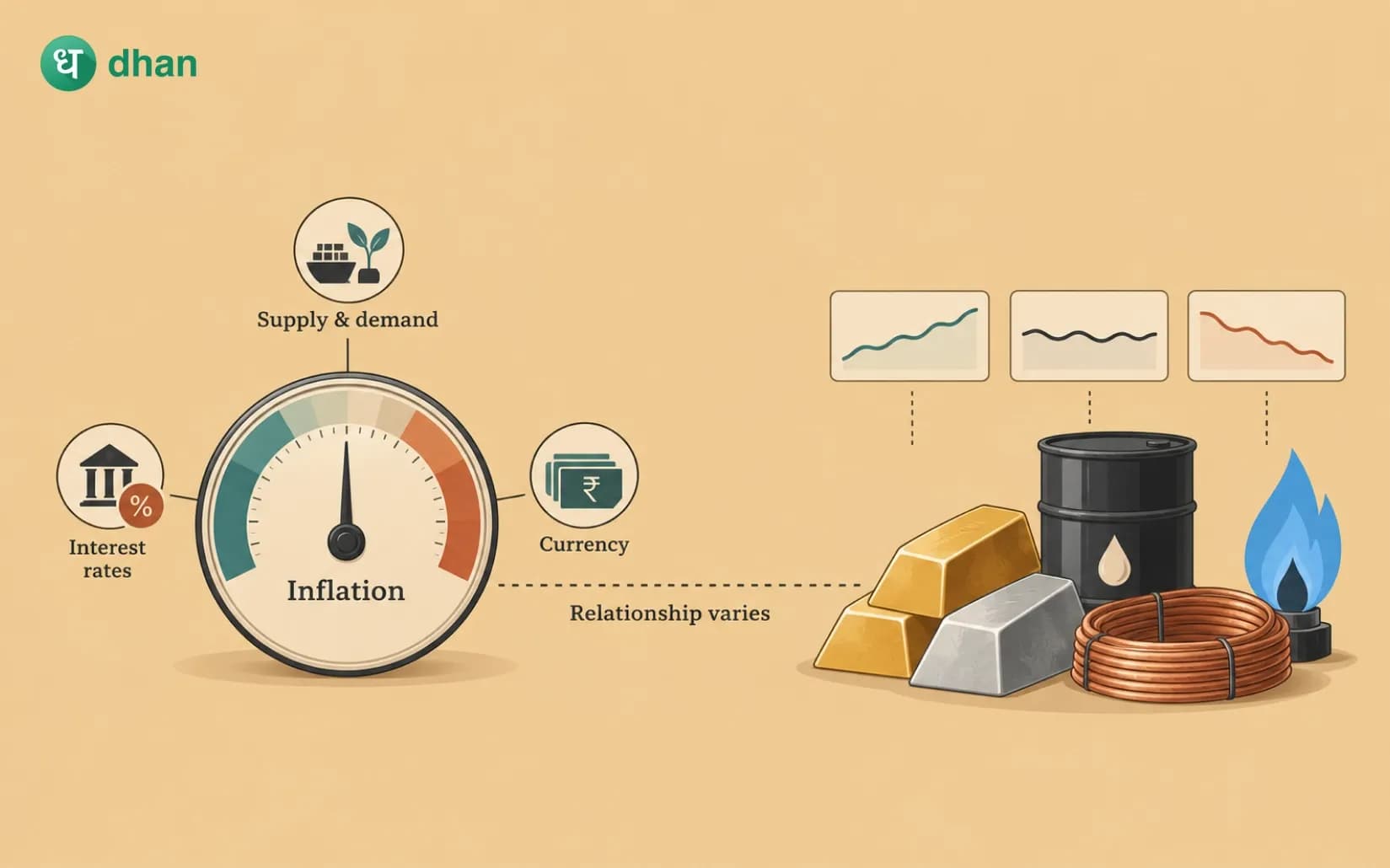
Prices of commodities are influenced by various factors such as weather conditions, geopolitical events, government policies, and external trade practices.
Understanding these challenges is helpful in managing risks properly.
Conclusion
A commodity exchange plays a vital role in facilitating a marketplace to buy and sell raw materials and commodity derivatives. Indian Commodity Exchange is a commodity exchange that offers a regulated electronic marketplace to participate in commodity trading.
Through transparent price discovery, standardised contracts, and technology-enabled trading, ICEX assists in enhancing the efficiency of the commodity market. It also helps participants manage price risks and explore potential trading opportunities.
For traders who want to know more about commodity derivatives, learning how exchanges like ICEX work is an important step towards acquiring more knowledge on the financial market.
FAQs
Why was the Indian Commodity Exchange established?
The Indian Commodity Exchange was created to facilitate price discovery and provide risk management solutions to businesses and traders through a transparent and regulated environment.
What is unique about ICEX compared to other commodity exchanges?
ICEX has earned recognition for its innovative commodity derivative contracts, which are not commonly found on other exchanges. An innovative step taken by ICEX is the launch of diamond futures contracts, which are designed to establish a benchmark for the diamond market. The exchange also offers technology-driven trading platforms.
How does ICEX help businesses manage risk?
Businesses can use futures contracts to fix the prices of commodities they are buying and selling. This helps them manage risks due to price fluctuations.
What factors influence the prices of commodities traded on exchanges like ICEX?
The prices of commodities traded on ICEX are influenced by factors like global demand and supply, weather, geopolitical issues, currency fluctuations, and economic policies.
Is commodity trading suitable for beginners?
Commodity trading is not suitable for beginners, as they need to understand market trends, risk management, and trading strategies before entering into commodity trading.