What is NCDEX? Its Meaning and Benefits




The Indian economy largely thrives on agriculture. However, uncertainty in price continues to be one of the biggest challenges for farmers and businesses based on agricultural products. A sudden change in weather, demand, or global supply often impacts the prices of commodities sharply, which makes income unpredictable. This is where organised commodity exchanges like NCDEX step in.
The goal of commodity exchanges is to organise agricultural trading with proper structure, transparency, and standardisation. With these exchanges in place, participants can trade at fair prices and manage future risks.
Read on to know why it matters. We have comprehensively discussed its key participants and the benefits it offers to farmers, businesses, and the broader economy.
What Is NCDEX?
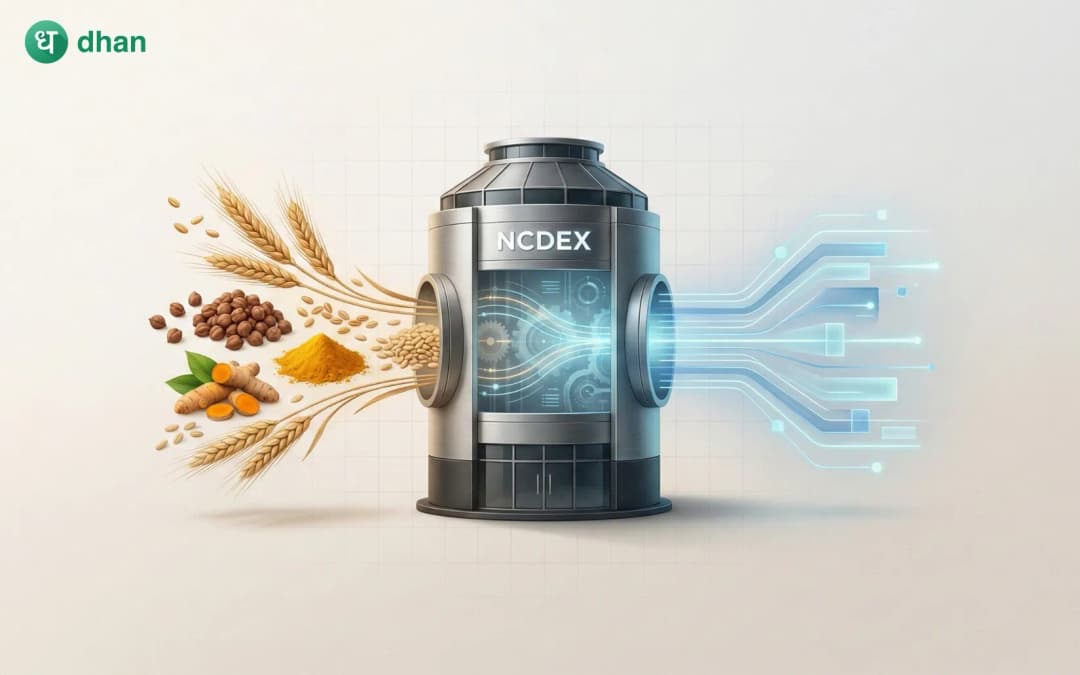
NCDEX stands for National Commodity & Derivatives Exchange. It is an electronic commodity exchange that works nationwide and primarily focuses on agricultural commodities. NCDEX was established to bring transparency and efficiency to agri-commodity trading. The exchange helps its participants to trade futures contracts in a regulated environment.
These exchanges are different from physical mandis, where you will notice a difference in price across regions. With NCDEX, you get a centralised platform to know the prices of commodities. Buyers and sellers from all around the country participate in NCDEX. The stable prices reflect broader demand and supply trends rather than solely local conditions.
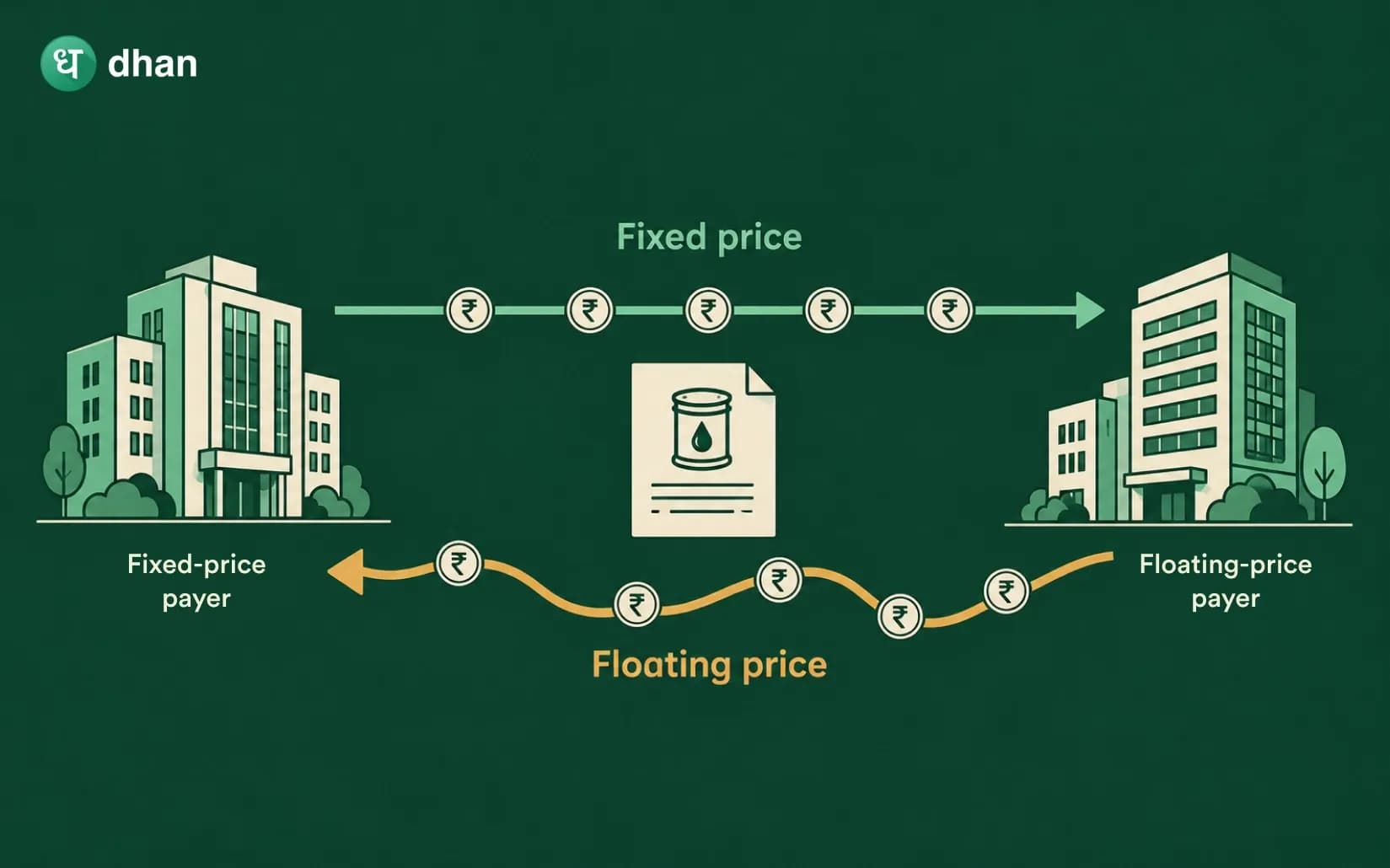
NCDEX does not directly deal in physical buying and selling. It facilitates derivative contracts. These are agreements used for commodity trading at a predetermined price on a future date. Participants benefit from these contracts as they get a hedge against price risks. Buyers can also plan procurement, while sellers can manage their inventory with a higher level of efficiency.
NCDEX is regulated by the SEBI. Its operations are guided by strict rules on:
- Margin
- Settlement
- Quality standards
Over time, NCDEX has evolved as a key pillar of the agricultural marketing system in India. The exchange connects farmers, traders, processors, exporters, and investors on a single platform, ensuring transparency.
History and evolution of NCDEX
Now that you know what is NCDEX, let’s take a look at its history and how it has evolved over the years. The exchange was launched in 2003. At that time, India needed a structured platform to manage agricultural price risk.
Before the NCDEX was launched, most agri-commodity trading took place through unorganised markets. These transactions were plagued by a lack of transparency and inconsistent pricing.
The goal behind establishing the NCDEX was to modernise agricultural trade. The introduction of electronic trading standardised contracts, leading to nationwide participation. The exchange has expanded its range of commodities over the years. The number of delivery locations and market participants has also increased consistently.
NCDEX adopted stronger risk management frameworks with the evolution of regulations. Better clearing mechanisms and tighter compliance standards were introduced. With these improvements, participants started trusting the exchange for transparency.
Today, the exchange plays a vital role in determining the price of several agricultural commodities. It has helped the fragmented local markets in India transform into a more integrated national agri-trading system.
How NCDEX Works: A Step-by-Step Process
Those interested to know what is NCDEX must understand how the exchange works.
Commodity Contracts on NCDEX
On NCDEX, trading takes place through futures contracts. Each contract is standardised in terms of:
- Quantity
- Quality
- Delivery location
- Expiry date
This standardisation reduces disputes and ensures fairness. Participants don’t have to negotiate terms individually. They can simply trade the predefined and listed contracts by the exchange. When they expire, the contracts can be settled either through physical delivery or cash settlement, depending on the commodity.
Trading Mechanism
An electronic trading system is used to operate the NCDEX. During market hours, participants place buy and sell orders through registered brokers via a registered Demat account. The orders get automatically matched, based on price and time priorities that keep the system transparent.
Hedgers can lock future prices using the platform. On the other hand, traders take calculated risks, which ensures liquidity.
It is mandatory to open a demat account if you are planning to trade in agri commodities
Clearing and settlement process
The clearing corporation steps in once a trade is executed. Traders need to maintain minimum margins. A mark-to-market system is used to adjust this margin on a daily basis. The settlement takes place once a contract expires. The mechanism keeps the system smoothly functioning, helping the participants build confidence.
Commodities traded on NCDEX
Primarily, commodities that are widely produced and consumed in India are traded on NCDEX. These include:
- Pulses like chana, tur, and moong
- Oilseeds like soybean and mustard
- Spices like cumin and turmeric
- Fibres like cotton
As these commodities have standard quality parameters, they are suitable for futures trading. The sufficient production volumes and active participation from multiple stakeholders make them suitable for traders. NCDEX has also designated approved delivery centres and warehouses, which ensure quality compliance. This structure helps in maintaining trust in the contract and helps in efficient settlement.
Who participates in NCDEX?
While discussing what is NCDEX, it’s essential to know its participants.
Farmers and Farmer Producer Organisations (FPOs)
Farmers and FPOs can hedge against price risk through NCDEX. They lock in future prices, which gives them better visibility into unexpected income and reduces dependence on middlemen. As a result, they can plan production and sales with greater efficiency.
Traders and aggregators
Traders and aggregators use NCDEX to manage inventory risks and make the most of arbitrage opportunities. They can stabilise margins through future contracts, keeping procurement with demand cycles properly synced.
Corporates, processors, and exporters
These participants hedge the cost of raw materials and plan long-term supply contracts. Stable pricing helps them to manage operational costs and protect profitability.
Retail Traders
Traders are responsible for providing liquidity and helping in finding commodities at the right price. While they remain exposed to higher risk, their participation makes market functioning smoother.
Benefits of NCDEX for different stakeholders
Have a look at how NCDEX benefits different stakeholders.
Benefits for farmers
Farmers can receive early price signals from NCDEX even before harvest. This goes a long way in reducing uncertainty and improving predictability. Since the participants get access to transparent pricing, farmers gain better bargaining power. This reduces their dependence on local mandis.
Benefits for traders and businesses
NCDEX works as an effective tool for risk management for traders and agri-businesses. Futures contracts give them a hedge against adverse price movements. Traders and businesses can plan inventory and stabilise their cash flows.
Benefits for the economy
NCDEX improves price transparency at a macro level. This reduces excessive volatility and helps in allocating capital efficiently. This strengthens the agricultural supply chain of India and helps in maintaining fair pricing across different regions.
Key differences between NCDEX and MCX
Both NCDEX and MCX are commodity exchanges. However, they focus on different areas. Primarily, NCDEX deals with agricultural commodities. On the contrary, MCX is more active in:
- Metals
- Energy
- Non-agricultural commodities
The profiles of participants also vary, and NCDEX is mainly dominated by agri-traders. Industrial hedgers are more common on MCX.
Together, these exchanges complement each other and provide a comprehensive commodity trading ecosystem in India.
Conclusion
NCDEX significantly strengthens the Indian agricultural market. Traders get to know the right prices and participate in the market with transparency to minimise risks. When traders understand what is NCDEX, they can participate in commodity markets with confidence. With a calculated approach, NCDEX can be a powerful platform to manage price risk and enjoy sustainable growth in agricultural products.
FAQs
Is NCDEX regulated in India?
Yes, NCDEX is regulated by SEBI. With strict compliance and risk management policies in place, it is safe; you can safely participate in trading.
Can farmers directly trade on NCDEX?
No. Farmers can trade on NCDEX through FPOs or registered intermediaries.
What is the minimum capital required to trade on NCDEX?
The capital requirements depend on the size of the contract and margin requirements. This varies based on the commodity you choose.
Is NCDEX suitable for retail traders?
Retail traders can trade through NCDEX, provided they understand commodity cycles and risk management. However, there’s a certain level of risk that comes with futures trading. Therefore, retain participants must start small and avoid misusing leverage.