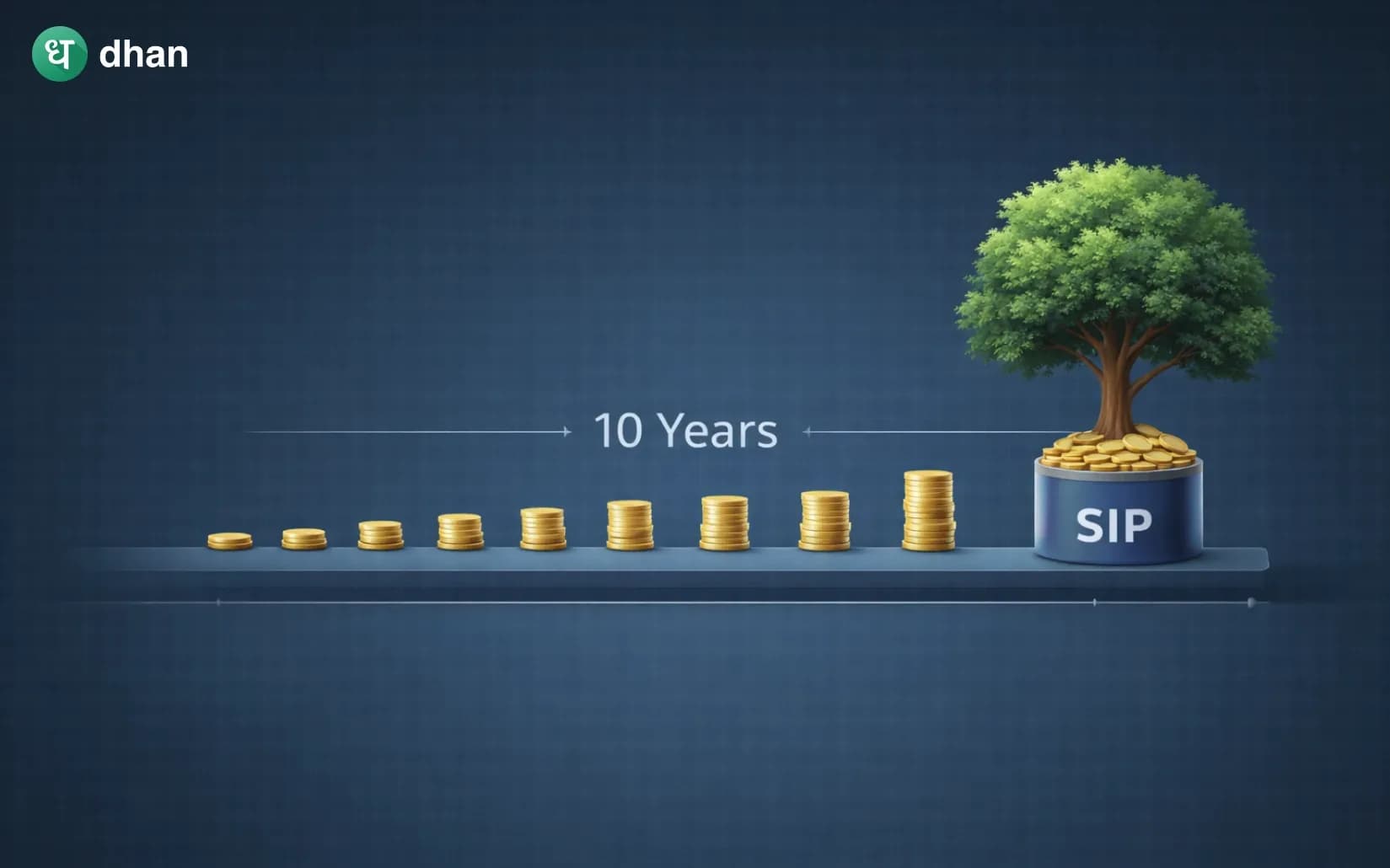

For investors who want financial independence, long-term wealth creation is a key priority. You may be looking to invest on the longer horizon, eyeing security during your retirement with a future-ready portfolio. SIPs continue to be one of the most effective ways to build wealth gradually.
Gilt Funds are a type of debt mutual fund that invests only in government securities (G-Secs).
These funds are considered one of the safest investment opportunities due to the sovereign backing of the underlying assets.
Find out what are small cap funds and how they invest in smaller companies with high growth potential, offering high risk and possibly, higher returns.
When you invest in equity mutual funds, timing largely defines your overall returns and portfolio performance. A Systematic Investment Plan (SIP) allows investors to remain disciplined as they participate in the market.
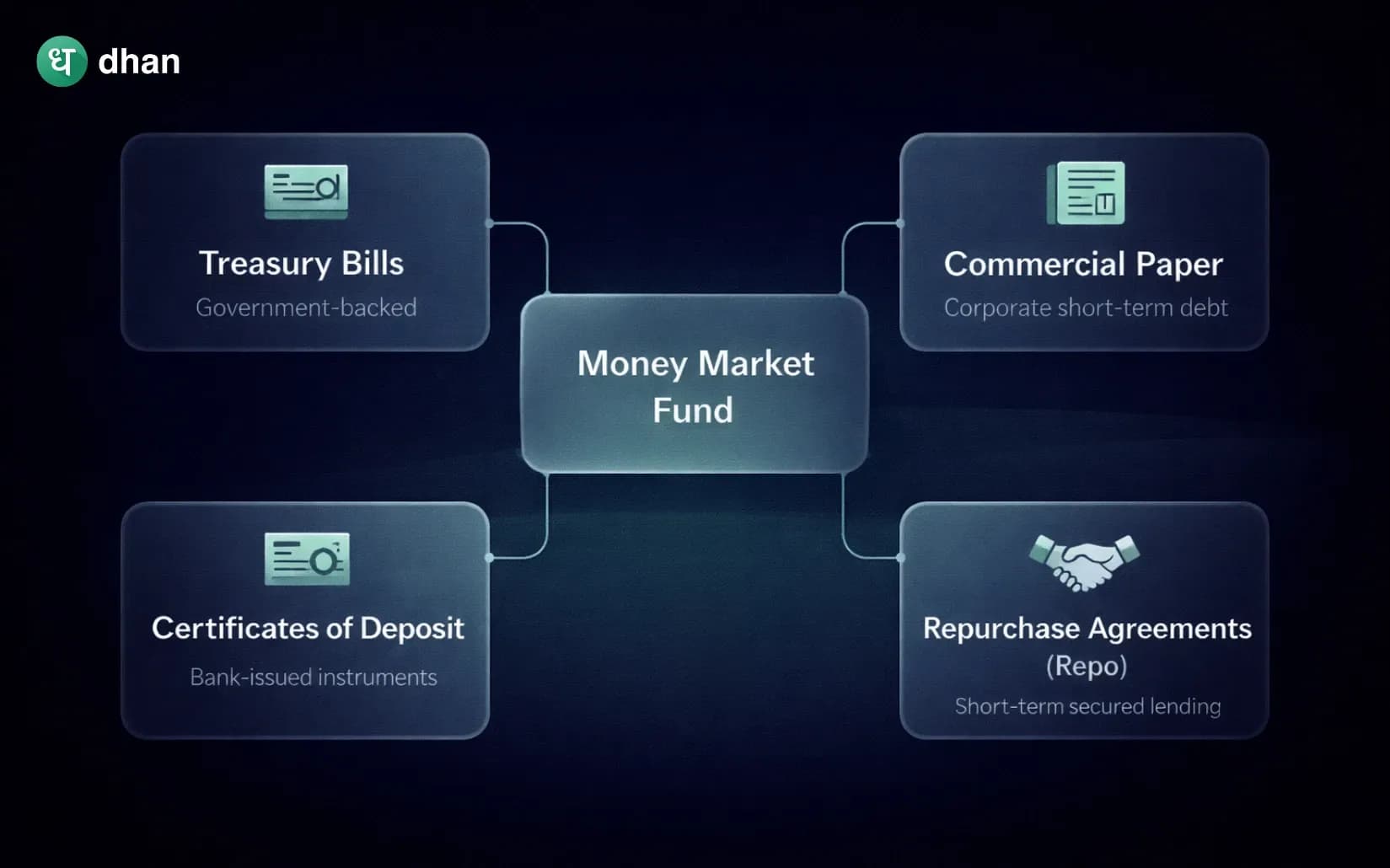
Liquid funds are a form of mutual fund, which seek to offer capital security, liquidity and relatively low but stable returns, which makes them suitable when it comes to emergency funds or short-term financial objectives.
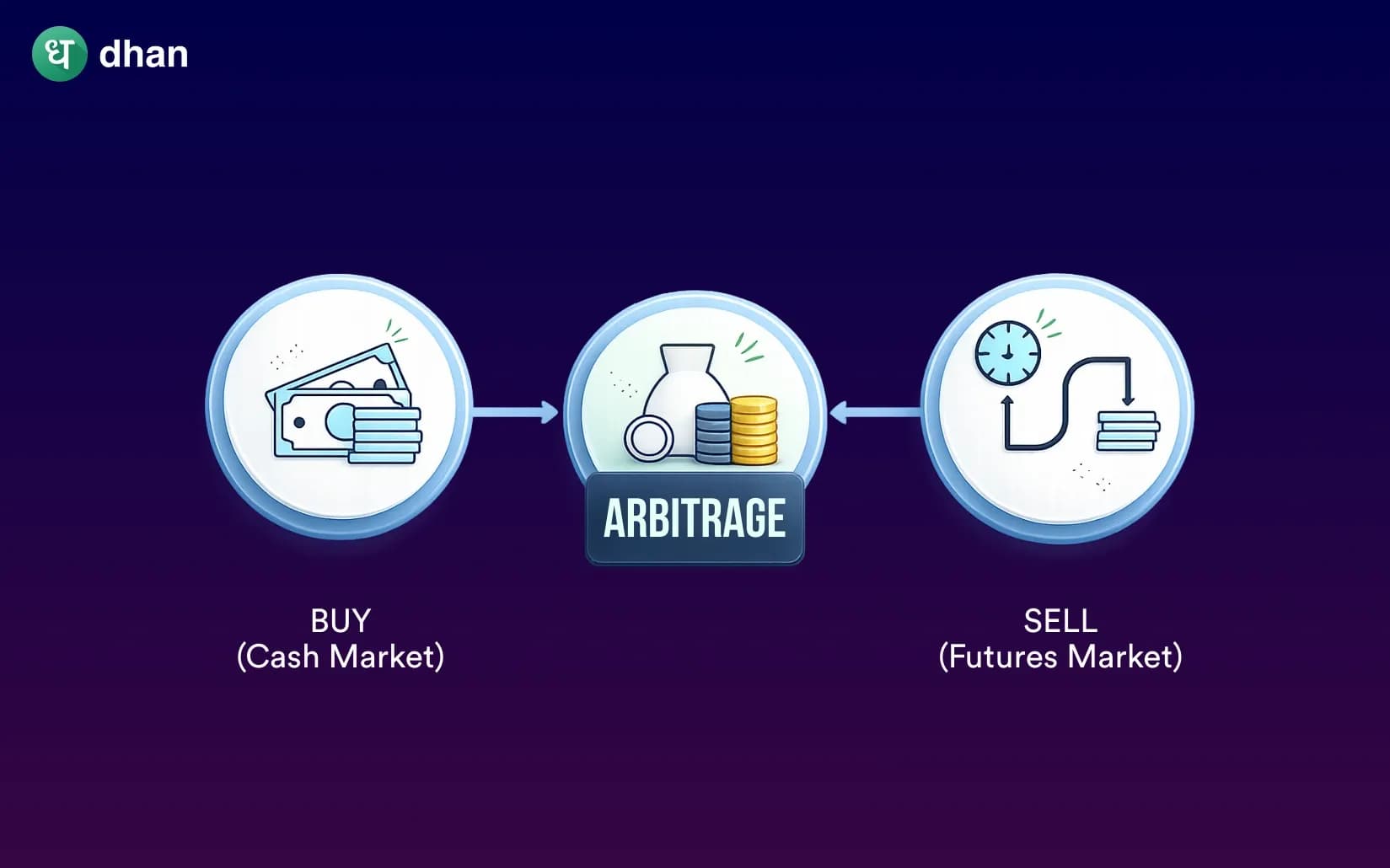
Looking for better returns than FDs without taking big market risks? Arbitrage funds offer a low-volatility way to earn steady, market-linked returns by exploiting price gaps, not market direction.
You have CAGR to calculate the returns on your stock and FD investments. What do you have for calculating annual returns on your Mutual Fund SIPs? The answer is XIRR.
Saving or investing funds regularly has become an important, With so many investment options available in the market, SIP and RD are two types of investment instruments that are most commonly used by people.
You always hear 1 term for savings and investing - SIP. But, is it really safe? SIP as a mechanism is a mode of investment. To think whether SIP is really 100% safe or not, one has to look how safe the investment options are.
Understanding the basic difference between SIP and mutual funds is important for investors to make informed investment decisions and build a successful wealth creation plan in the long term.
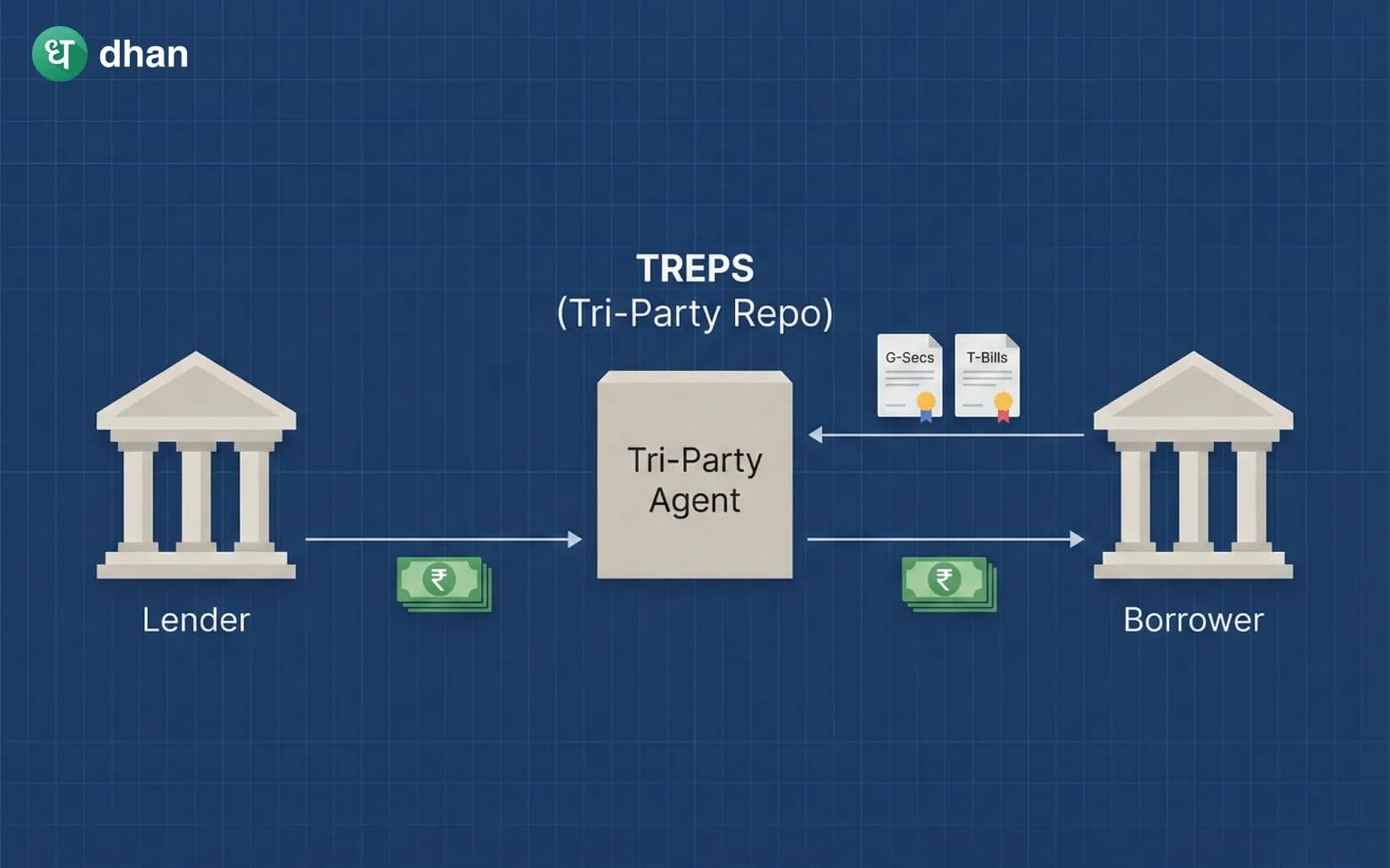
TREPS are low-risk, short-term money market instruments backed by government securities. Learn how they work, their benefits, and why institutions use them.
In a mutual fund, the expense ratio determines the amount you spend each year for professional fund management. When you think of creating wealth in the long term, even a small annual difference can significantly affect your returns when wealth compounds.
Debt mutual funds offer stability, predictable returns, and lower risk than equities, making them ideal for short-term goals, capital protection, and portfolio balance.
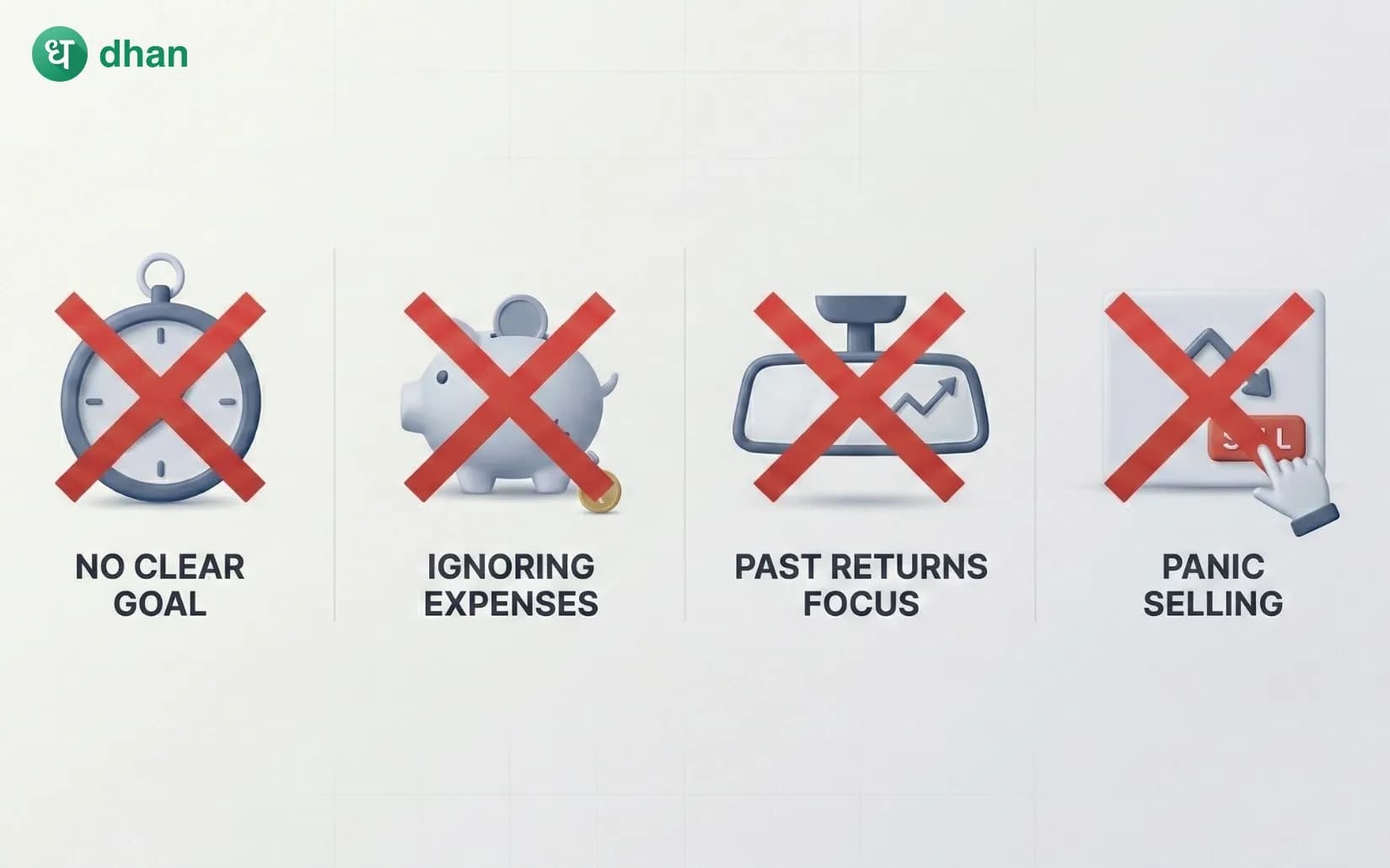
Mutual Funds Investment Plan for Beginners and mistakes to avoid
Getting started with investing? Mutual Funds for beginners feels like the perfect entry point. They are easy to understand and professionally managed. When it comes to long-term wealth creation, mutual funds are highly recommended.
Mutual Fund SIP vs Stock SIP: Which is consistent?
Mutual fund SIPs and stock SIPs both enable disciplined investing, but differ in risk, consistency, and return potential. Learn which SIP suits your goals.
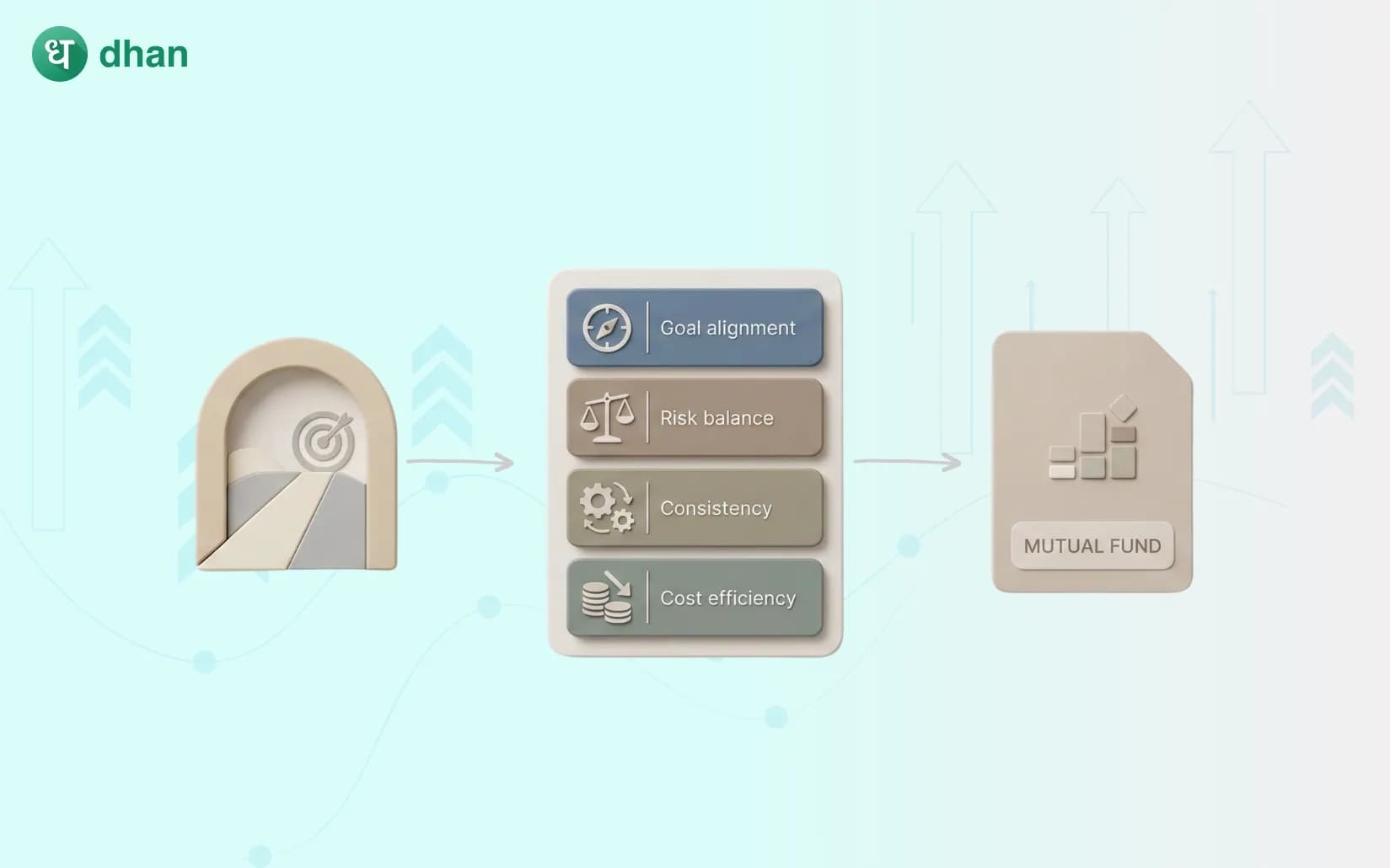
The process of investing in them often seems overwhelming, with hundreds of schemes and categories available. However, once you understand the concept of goal-based investment, the process becomes much more transparent.
Consistency defines the real success with SIPs. It’s not about timing the market or choosing the hottest sector. In this blog, we have discussed why SIPs work so well and how they can transform small investments into a substantial corpus.
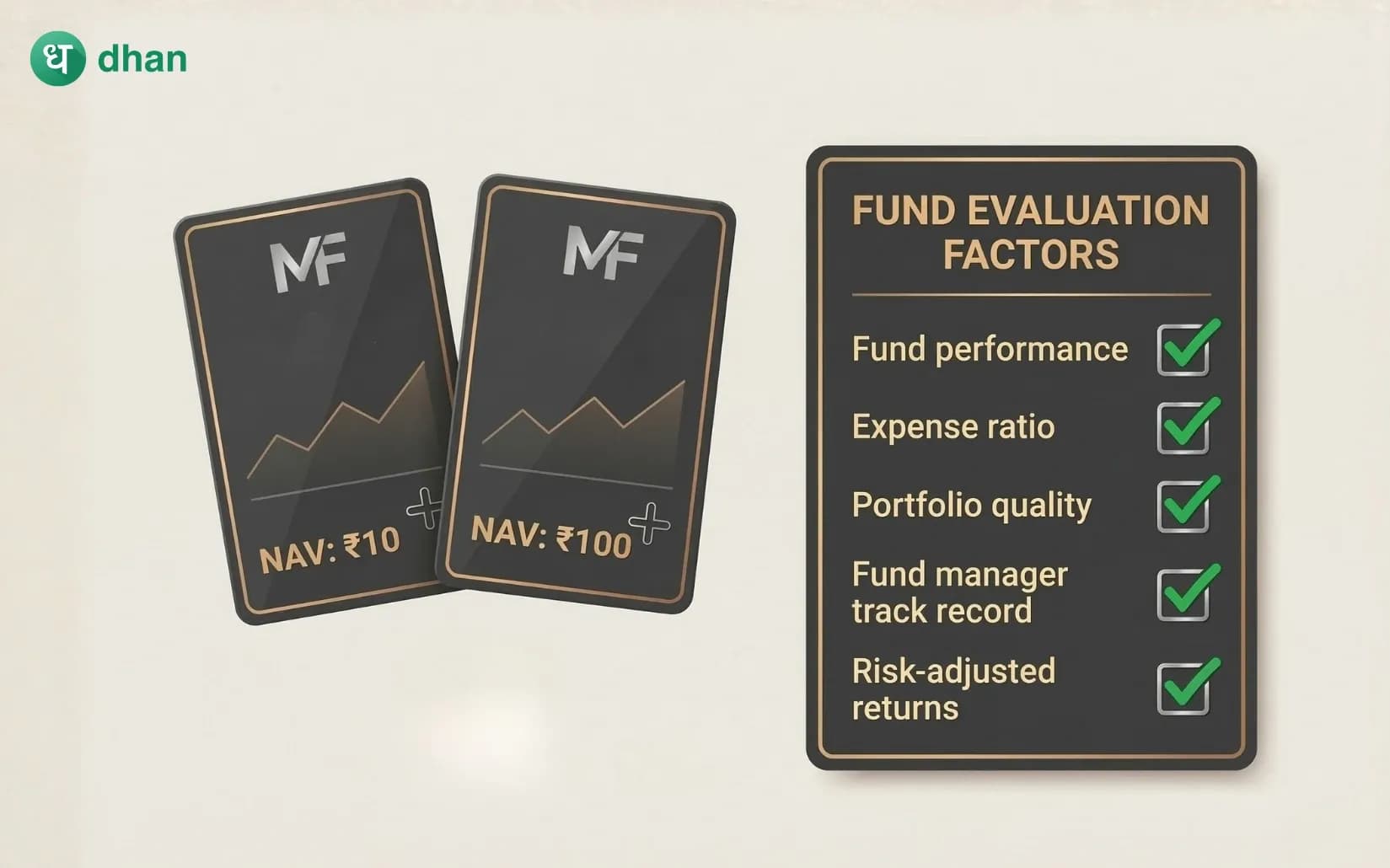
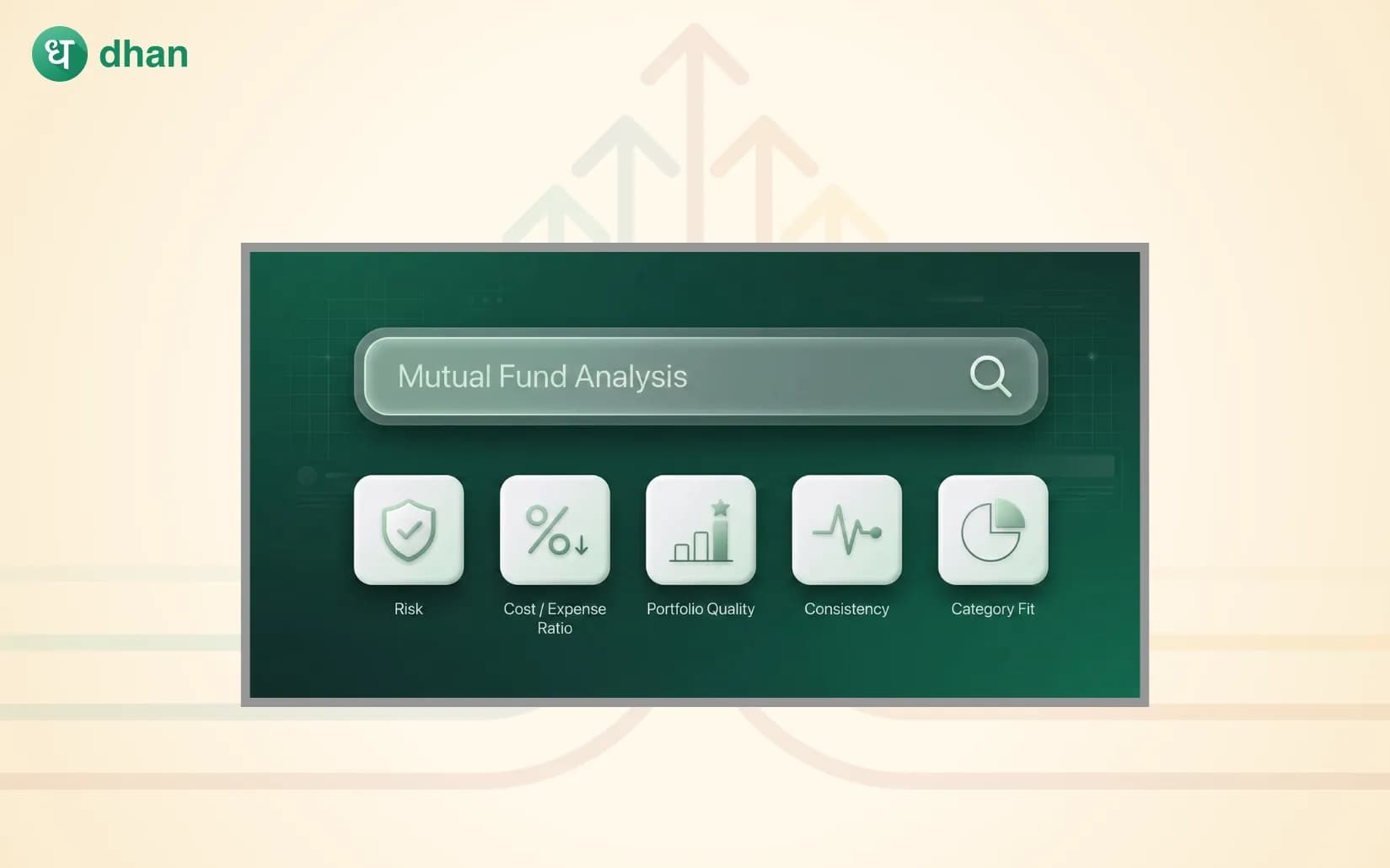
Returns don’t tell the full story. Learn how portfolio quality, risk ratios, and fund manager strategy reveal what’s really driving a mutual fund’s performance.
Daily SIPs let you invest small amounts every day, smooth market volatility, and build wealth steadily. Discover how daily investing boosts returns with ease.
THis blog is a step-by-step guide to the modern frameworks and stratergies used by investors in identifying fundamentally strong mutual funds in 2026 for long term whealth creation.
SIP and SWP both strategies are crucial to financial planning. In reality, both can work hand-in-hand, helping you balance your growth and income. In this blog, we have explained how you can combine both these strategies based on your financial goals.

Systematic Investment Plan (SIP) is a way to invest in Mutual funds, where a small monthly amount is used to buy units at the current NAV. This helps you to invest in various phases of the market.
When to choose lumpsum investment in mutual funds?
There are multiple instruments to invest in mutual funds from which Lumpsum and SIP are the two most important tools if you want to invest in mutual funds for whealth creation, know how Lumpsum and SIP differfrom each other.
ETF vs mutual fund vs index fund: Complete comparison
Confused about where to invest - ETFs, mutual funds, or index funds? This blog breaks down their features, pros, cons, and key differences so you can choose the right one for your goals. Learn about returns, flexibility, and costs to make smarter investment decisions.
Building a winning mutual fund investment strategy
A winning mutual fund strategy needs more than chasing top-performing schemes. Learn 10 essential steps, from goal setting and diversification to SIP investing and portfolio reviews, to maximise returns, manage risk, and build long-term wealth with confidence in 2025.
PPF and ELF which is better when it comes to saving tax, 3 years vs 15 years of minimum lock-in period. Continue reading to know all about the details and key differences in these two tax saving instruments.
Highest Return Mutual Funds in the Last 10 Years in India
Want to know which Mutual Funds outperformed to give extraordinary returns to their holders? Here is the list of highest return mutual funds in the last 10 years in India.
Maximize your returns by understanding how same-day NAV works in mutual funds, and how to optimize your entry and exit points with the right timing and payment methods.
Should you chase sector-specific growth or stick to broad market safety? Explore sectoral funds vs index fund to decide which aligns with your investment goals.
Liquid Funds vs FD: which one protects your wealth better?
Should you pick liquid funds or fixed deposits? Discover how each works, their benefits, and which option keeps your money safer while meeting your goals.
Direct or regular mutual fund - which one’s right for you? Understand the key differences, pros, cons, and how to pick the smarter option for your money.