 Nifty 50
 Sensex
 Apple
Apple Microsoft
 NVIDIA
 Alphabet
 Amazon
 Meta Platforms
 Tesla
Tesla Netflix
 Walt Disney
 Eli Lilly
 UnitedHealth Group
 Visa
Visa Mastercard
 JPMorgan Chase
 Walmart
 Costco Wholesale
 Coca-Cola
 PepsiCo
 Palantir Technologies
 Broadcom
 Large Cap Funds
 Bluechip Funds
 Mid Cap Funds
 Focused Funds
 Small Cap Funds
 Sectoral Funds
 Large & Mid Cap Funds
 International Funds
 Flexi Cap Funds
 Value Funds
 Multi Cap Funds
 Contra Funds
 Dividend Yield Funds
 ELSS Funds
 Nifty 50 ETF
 Nifty Next 50 ETF
 Bank Nifty ETF
 Nifty IT ETF
 Sensex ETF
 Gold Rate in Mumbai
 Gold Rate in Delhi
 Gold Rate in Chennai
 Gold Rate in Kolkata
 Gold Rate in Bangalore
 Gold Rate in Hyderabad
 Gold Rate in Ahmedabad
 Gold Rate in Pune
 Brokerage Calculator
 Margin Calculator
 MTF Calculator
 Stock Lending Calculator
 Stock Return Calculator
 Stock Average Calculator
 Position Size Calculator
 Compare Indian Stocks
 IPO Return Calculator
 IPO Calendar
 IPO Allotment Status

Finnifty
S
2,13,800.00
658.00 (0.31%)

as on 16 Oct 2026 at 11:29 PM
MCX
Upcoming Expiry30 Nov
Days For Expiry44
S
SILVERM
SILVERM
2,13,800.00
658.00 (0.31%)
as on 16 Oct 2026 at 11:29 PM
MCX


SILVERM Futures Snapshot
SILVERM Latest News
Silver spot price falls 6% to $55.6 as deficit thesis faces surplus challenge
3 days ago

15Oct 26
Silver spot price falls 6% to $55.6 as deficit thesis faces surplus challenge
Silver spot price fell 6% to $55.6, testing support at $54.5 after peaking above $120 in early 2026. World Silver Survey forecasts a sixth consecutive annual deficit widening to 46.3 million ounces in 2026. Deutsche Bank projects a market surplus by 2027, citing a 17% drop in silver use per solar cell. Freely available metal inventory has grown 70% YoY to over 300 million ounces, challenging scarcity narratives.
3 days ago
Silver falls below $60 as US yields surge and China liquidity drains
11 days ago

07Oct 26
Silver falls below $60 as US yields surge and China liquidity drains
Silver fell below $60 to a nine-week low, retreating from its 2026 peak of $121. 30-year Treasury yields hit 5.72%, the highest level since June 2002. Free available silver in London rose 70% since October 2025 to over 300 million ounces. Deutsche Bank forecasts a silver surplus by 2027 amid weakening solar demand.
11 days ago
Silver options strategy: Fed hike and industrial demand shape outlook
23 days ago
25Sept 26
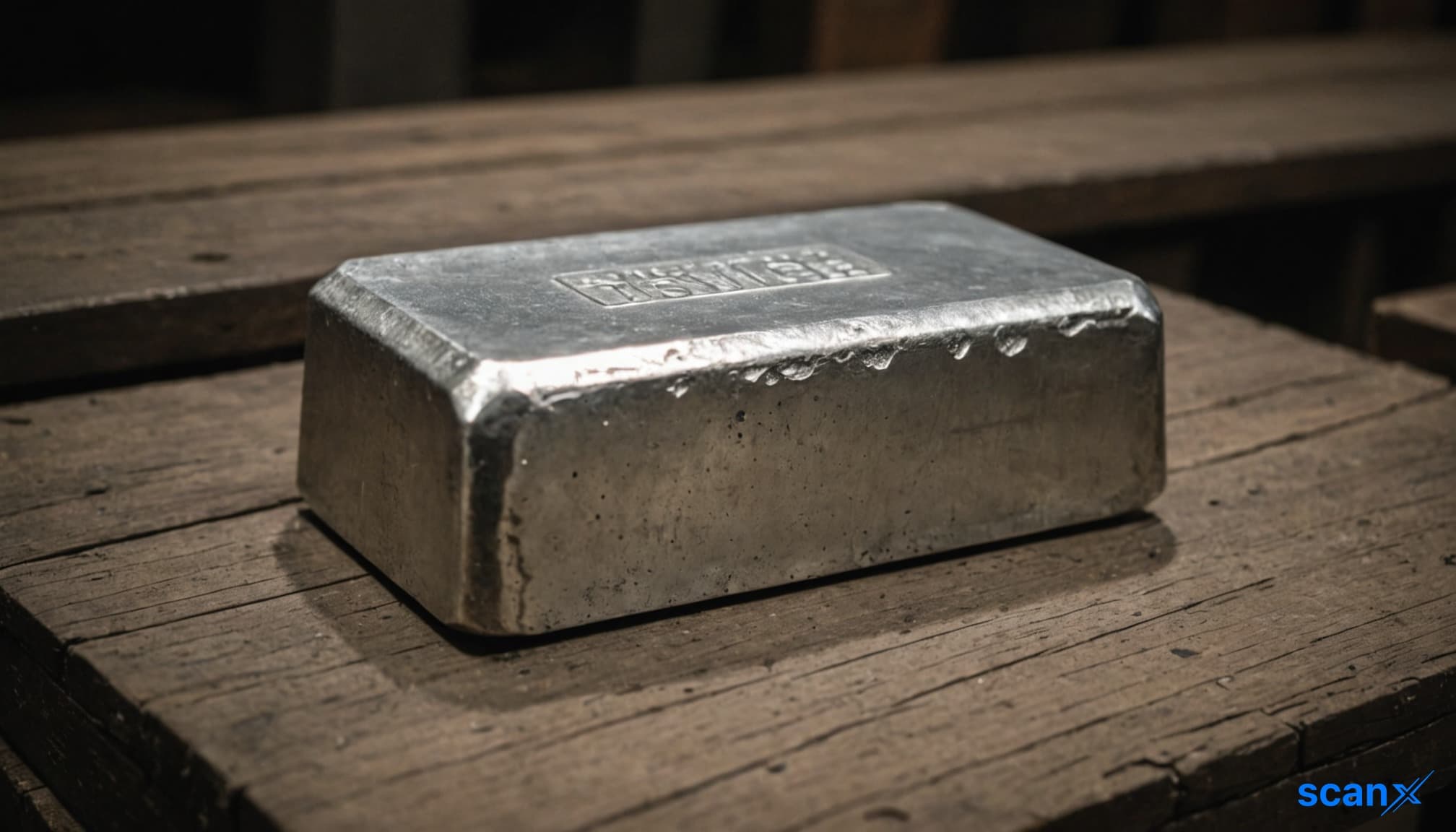
Silver options strategy: Fed hike and industrial demand shape outlook
Fed raised target range to 3.75%-4.00% on September 16, supporting the dollar. Industrial silver demand projected to decline 3% in 2026 due to solar sector shifts. Silver Institute forecasts 46.3 million ounce annual supply deficit for 2026. Industrial use accounts for 58% of total silver demand.
23 days ago
iShares Silver Trust falls 3.57% as dollar firms, yields rise
25 days ago

23Sept 26
iShares Silver Trust falls 3.57% as dollar firms, yields rise
iShares Silver Trust shares fell 3.57% to $58.56 on Wednesday. Richmond Fed President Tom Barkin flagged inflation risks and signalled potential further rate hikes. Rising Treasury yields increased the opportunity cost of holding non-yielding silver. A stronger U.S. dollar raised the cost of dollar-denominated bullion for international buyers. Silver's industrial demand outlook was pressured by elevated corporate borrowing costs.
25 days ago
Spot silver drops more than 3% to $64.78 per ounce
44 days ago
04Sept 26
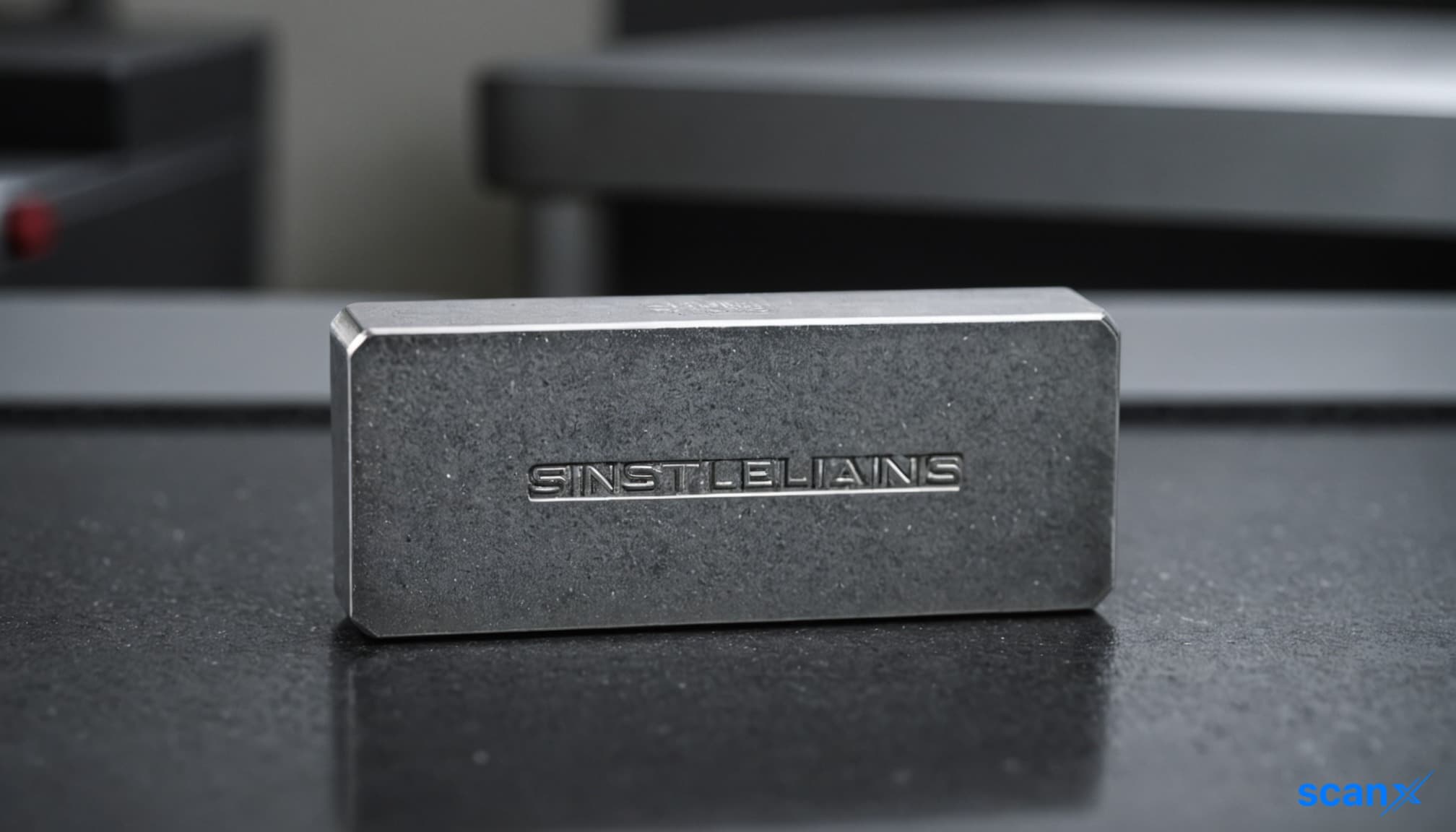
Spot silver drops more than 3% to $64.78 per ounce
Spot silver fell more than 3% to $64.78 per ounce. The decline marks a sharp pullback in the precious metal's spot price.
44 days ago
About SILVERM Futures
Silver is a dual-purpose metal. It stores value like gold. It also conducts electricity for solar panels, electronics, and medical devices. Global supply comes from mining in Mexico, Peru, and China. Demand splits between investors and factories. This dual nature makes silver prices volatile. Industrial slowdowns and safe-haven flows pull in opposite directions.
MCX SILVERM is a 5-kilogram contract. It trades from 9:00 AM to 11:30 PM, Monday through Friday. During US daylight saving time, trading extends to 11:55 PM. The price is quoted ex-Ahmedabad, inclusive of import duty and customs but excluding GST. For traders, this means global macro events translate into MCX price shifts within the same session. You can trade these moves without handling physical bars.
MCX SILVERM is a 5-kilogram contract. It trades from 9:00 AM to 11:30 PM, Monday through Friday. During US daylight saving time, trading extends to 11:55 PM. The price is quoted ex-Ahmedabad, inclusive of import duty and customs but excluding GST. For traders, this means global macro events translate into MCX price shifts within the same session. You can trade these moves without handling physical bars.
Factors influencing SILVERM futures prices
Several forces drive the SILVERM futures price on any given trading session.
Global spot rates and LBMA benchmark: The London Bullion Market Association determines international silver prices. Futures of SILVERM move in tandem with the global spot. Domestic futures decline in case of spot declines.
USD/INR exchange rate: SILVERM futures are traded in Rupee rates. Trades take place worldwide in dollars. A depreciating rupee lifts MCX prices even when global silver is flat. After the rupee appreciates, gains at home are capped.
Industrial demand from solar and electronics: Along with photovoltaic cells, silver is a critical component in electrical contacts. This demand is bolstered by manufacturing growth in Asia. A slowdown in these sectors reduces offtake.
Investment demand and ETF flows: High demand for silver-backed funds increases spot silver prices. During economic uncertainty, demand is also bolstered from retail coin and bar demand.
Central bank reserves and buying: Some central banks hold silver alongside gold as a part of their reserves. Price floors over longer periods of time are impacted by the accumulation trends in futures markets.
Geopolitical uncertainty and inflation fears: Silver attracts investors when there is uncertainty in the world. Volatility increases in all precious metal markets, and premiums follow.
Mine supply and recycling: Production is ongoing, with participation from Mexico, Peru, and China. The bigger the disruption to the mines, which is common in the case of a strike, the more tight the supply becomes. Recycling quantities are sensitive to price.
Government import policy in India: Adjustments to import duty rates will affect landed costs. A rise in duties increases domestic prices and maintains them at high levels. Cuts have the opposite effect.
How are SILVERM futures prices determined?
The MCX price links to global benchmarks, local currency, and cost of carry.
Global spot and currency conversion: SILVERM futures prices are discovered through live order matching on MCX. The theoretical price rests on global spot rates plus the USD/INR conversion, import duty, and cost of carry.
Expectations embedded in futures: The futures price embeds expectations of currency movement, storage costs, and supply-demand shifts over the contract life. As expiry approaches, the futures price converges toward the spot price.
Final settlement mechanism: The final settlement price is the Due Date Rate (DDR). It is the simple average of the last polled spot prices over the final three trading days. This reduces the impact of any single day's volatility on settlement.
Contango and backwardation signals: When futures trade above spot, the market is in contango. This reflects a comfortable near-term supply. When futures trade below spot, the market is in backwardation. This signals physical tightness or strong immediate demand.
Key metrics to consider while trading SILVERM futures
These numbers define how the contract behaves, so review them before trading.
Lot size: One standard contract represents 5 kilograms. This equals five 1-kg bars.
Tick size: Minimum price movement is Re. 1 per kg. Each tick changes the contract value by ₹5.
Quotation: Prices are quoted in rupees per kilogram.
Expiry: Contracts expire on the last calendar day of the contract month. If that day is a holiday, the preceding working day. New contracts launch on the 16th day of the launch month.
Trading hours: From Monday through Friday, trading begins at 9:00 AM and concludes at 11:30 PM. However, during US daylight saving time, the session extends until 11:55 PM.
Daily Price Limit (DPL): The initial circuit breaker sits at 4%. If breached, the limit widens to 6% without a cooling-off period. If 6% is breached, a 15-minute pause follows before expanding to 9%.
Initial margin: Minimum 10% or SPAN-based, whichever is higher. Extreme loss margin applies on top.
Open Interest (OI): Total outstanding contracts across all participants. Rising OI with rising price indicates fresh long positions. Rising OI with falling price indicates fresh shorting.
Position limits: Individual clients can hold up to 100 MT or 5% of market-wide OI, whichever is higher, for all Silver contracts combined. Members can hold 1,000 MT or 20% of market-wide OI.
Maximum order size: 600 kg per order.
Delivery: Compulsory delivery at expiry. The delivery centre is in Ahmedabad at the designated clearing house facilities. The quality standard is 999 fineness. LBMA-approved suppliers are mandatory.
How to read SILVERM futures data?
Each data point on the SILVERM futures page adds a distinct layer to your read.
SILVERM futures live: This shows the current traded level of the most active contract. This is where buyers and sellers are matching right now.
SILVERM futures today: This data includes open, high, low, and last traded price. The difference between high and low shows intraday volatility.
SILVERM futures chart: Historical price action appears across multiple timeframes. Dhan offers Custom Timeframes and India Timeframes. Align daily trends with intraday signals before committing capital.
Volume: The number of contracts traded in the session matters. A price move on high volume carries more weight than one on thin volume.
OI: This tells you how much capital sits in open positions. If price rises and OI rises, the trend has backing. If price rises and OI falls, the move may be short-covering.
Bid-ask spread: This is the gap between the best buy and sell prices. A narrow spread means the contract is liquid. A wide spread signals lower activity.
Benefits of trading SILVERM futures
This contract has distinct benefits over physical silver or the 30kg contract.
Lower capital requirement than standard SILVER: The 5 kg lot size means a lower margin per position. Retail traders enjoy access to the marketplace and price discovery without risking their capital.
Macro participation without physical exposure: Central bank policy, currency movements, and geopolitical events all impact silver prices. Futures enable investors to participate in price changes without owning the physical bars.
Leverage through margin: Only a margin payment is required for futures. This results in a reduced investment in the market. It also represents potential losses exceeding the margin if not managed properly.
Hedging utility for jewellers and small dealers: Companies with silver price risk exposure can use MCX futures to manage input costs. This is an obligatory delivery design that is used to facilitate this operational hedging.
Transparent, regulated infrastructure: MCX is an exchange regulated by SEBI. Prices are displayed publicly. There is a set of rules for settlement. The clearing corporation helps minimise counterparty risk.
Physical delivery option: Compulsory delivery at expiry ensures convergence between futures and spot. Sellers deliver 999 fineness silver in 1-kg bars. Buyers receive LBMA-approved bars with quality certification.
Most commonly used strategies in SILVERM futures
Traders use a few standard setups; match one to your view.
Directional long or short: Buy futures if you expect prices to rise. Sell if you expect a fall. This is the simplest approach. Risk management in terms of position size relative to margin is critical.
Month-to-month spread: Buy one expiry month while simultaneously selling another. Profit depends on the movement of the difference between the two months. Spreads generally require a lower margin and carry lower volatility.
Jeweller or dealer hedge: A jeweller holding physical silver can sell futures to secure a selling price. If spot prices rise, the physical gain offsets the futures loss. If they fall, the futures profit offsets the physical loss.
Arbitrage between MCX and global markets: If the MCX price differs considerably from the London price after taking currency and duty costs into consideration, a reversion trade could be considered. This requires knowledge of both markets.
How to trade SILVERM futures on Dhan?
Follow this sequence to access the contract on the Dhan platform.
Open your account: Create a commodity trading account on Dhan and complete full KYC. Ensure the MCX commodity futures segment is activated separately from your equity account.
Add funds: Transfer money to your trading account. Maintain sufficient margin for the initial position and for daily mark-to-market settlements throughout the trade life. Dhan displays margin requirements clearly before order placement.
Pick your contract: Choose your preferred expiry month. Near-month contracts typically offer the most liquidity. Each lot is 5 kilograms.
Read the market data: Analyse the SILVERM futures live price, chart, open interest, and volume before entering. Track London spot prices, USD/INR rates, and central bank announcements. Review live contract details directly on the instrument page under MCX commodities.
Place your trade: Execute using the appropriate order type. Market orders fill at the prevailing price. Limit orders execute only at your specified price. The maximum order size is 600 kg.
Track your position: Monitor SILVERM price movements, OI shifts, and MTM adjustments actively. The contract is sensitive to Fed decisions, currency moves, and geopolitical developments.
Adjust when needed: Set a stop-loss at entry and revisit it as the trade develops. Modify or exit based on market developments and your original strategy parameters.
Know the contract type: SILVERM futures follow daily MTM settlement. Profits and losses are credited or debited at the end of each trading day. Delivery is compulsory at expiry if positions remain open.
Tips for trading SILVERM futures effectively
These practices help you manage risk and read the market more clearly.
Track US Federal Reserve policy: Rate decisions and forward guidance influence the dollar and, by extension, silver. Monitor FOMC statements, dot plots, and press conferences.
Watch USD/INR alongside the London spot: MCX prices are influenced by the rupee-dollar rate. A weaker rupee supports domestic prices even as London rates remain flat.
Factor in Indian festival demand: The wedding season and year-end buying boost physical demand. This can push MCX premiums above London prices.
Monitor the central bank buying reports: The World Gold Council provides quarterly data on nations accumulating precious metals. Sustained buying establishes long-term price floors.
Account for daily MTM and margin calls: MCX settles profits and losses every evening. Silver can gap on geopolitical events or central bank surprises. Size your trades to survive margin calls. Do not size based on the minimum margin alone.
Use custom and India timeframes: A trend visible on the daily SILVERM futures chart may differ from the hourly view. Dhan's Custom Timeframes and India Timeframes let you align both before entering.
Use the Dhan Trade Plan for position sizing: Trade Plan is a built-in tool on Dhan Charts. Input your capital allocation percentage, risk percentage, and reward percentage. It calculates your exact quantity, stop-loss level, and target price automatically.
Square off before expiry if you do not want delivery: Most retail traders do not intend to take or give physical delivery. Exit well before the last trading day to avoid compulsory delivery obligations.
Size positions within capital limits: The ability to take a large position with a small margin is not a reason to do so. Keep single-trade risk within a defined percentage of your total capital. Use the Trade Plan to enforce this discipline.
FAQs
What is 1 lot size of SILVERM futures?
1 lot of SILVERM Futures on MCX is 5.
What is the trading time for SILVERM futures?
The trading time of SILVERM futures is:
April to October - 9:00 AM to 11:30 PM
November to March - 9:00 AM to 11:55 PM
April to October - 9:00 AM to 11:30 PM
November to March - 9:00 AM to 11:55 PM
When is the upcoming SILVERM futures expiry?
The upcoming futures expiry of SILVERM on 30 Nov 2026.
Are SILVERM futures settled in cash or via physical delivery?
At the end of the day, all the positions are auto squared off. Meaning, the derivatives are settled in cash. At present, the physical delivery of Commodity position is not allowed.

Trade in SILVERM

Trade Directly from Charts

Get Instant Pledge Margin

+91
error
Or Scan the QR Code to download the Dhan App


Invest & Trade with a Trading
Platform That's #MadeForTrade
Open your Dhan Account in minutes!

Join our Community

Follow us on



Partner with us
built with love
for Indians who love to invest & trade

We are part of Raise Financial Services


Explore | Sitemap
*All securities mentioned on this website are exemplary and not recommendatory.
*Current prices on the website are delayed by 15 mins, login to check live prices.
We are bullish on India, we are bullish on India's prospects to be one of the largest economies in the world. We believe that the stock market provides a unique opportunity for all of India's traders and investors to participate in the growth story of the country.
Yet, most investing & trading platforms in India have remained more or less the same over the past decade. Times have changed and retail traders and investors have become smarter about managing their trades and money. Modern traders & investors require an online trading platform that helps them keep up with the technological advancements of our time.
That's why we're building Dhan - to help you trade, to help you invest, and to help you participate in India's growth stock via the stock market with awesome features and an incredible experience.
©2021-2026 Raise Securities Private Limited (formerly Moneylicious Securities Private Limited). All rights reserved. CIN: U74999MH2012PTC433549 Raise Securities is part of Raise Financial Services and works closely with Raise Partners across services.
SEBI Stock Broker Registration No: INZ000006031 | Depository Participant (CDSL) ID: IN-DP-289-2016 | SEBI Research Analyst Registration No: INH000023357
Exchange Membership No. : NSE: 90133 | BSE: 6593 | MCX: 56320
Registered & Corporate Office: Unit No. 2201, 22nd Floor, Gold Medal Avenue, S.V. Road, Beside Patel Petrol Pump, Piramal Nagar, Goregaon West, Mumbai – 400104, Customer Care: 9987761000.
For any query / feedback / clarifications, email at help@dhan.co.
Important Links: SEBI | BSE | NSE | MCX | CDSL | SCORES | ODR Portal | Investor Charter for Stock Brokers | Investor Charter for DP | Investor Charter for Research Analyst | UCC Advisory | e-Voting for Shareholders | NCL Client Collateral details | MCXCCL Client Collateral details
Important Information: Terms of Usage | Disclaimers | Privacy Policy | Grievances | Grievances RA | Risk Management Policy | Risk Disclosure | Advertisement Disclaimer | Referral Terms & Conditions | Saarthi 2.0 Mobile App for Investors | Master Circular for Online Dispute Resolution
Exchange Membership No. : NSE: 90133 | BSE: 6593 | MCX: 56320
Registered & Corporate Office: Unit No. 2201, 22nd Floor, Gold Medal Avenue, S.V. Road, Beside Patel Petrol Pump, Piramal Nagar, Goregaon West, Mumbai – 400104, Customer Care: 9987761000.
Details of client bank account
For any query / feedback / clarifications, email at help@dhan.co.
In case of grievances for any of the services rendered by Raise Securities Private Limited, please write to grievance@dhan.co (for NSE, BSE and MCX) or grievancedp@dhan.co (for Depository Participant). Please ensure that you carefully read the Risk Disclosure Document as prescribed by SEBI, our Terms of Use and Privacy Policy. Compliance Officer: Mr. Manish Garg and Mobile: 8655740961 Email: complianceofficer@dhan.co To lodge your complaints using SEBI SCORES, click here.
Disclaimer: All communications with the client via chat, phone, or email are for support purposes only. Any commitments or statements made by the agent (human or virtual) shall not be binding on the company.
DHAN is a brand owned by Raise Securities Private Limited. All DHAN clients are registered under Raise Securities Private Limited. Clients are advised to refer to our company as Raise Securities Private Limited when communicating with regulatory authorities.
Procedure to file a complaint on SEBI SCORES/SMART ODR Portal: Register on SCORES portal. Mandatory details for filing complaints on SCORES: Name, PAN, Address, Mobile Number, E-mail ID. Benefits: Effective Communication, Speedy redressal of the grievances. You may refer the website https://scores.sebi.gov.in/ for more information. You may also download the SEBI Scores app to log a complaint Android: https://play.google.com›store›apps›sebiscores iOS: https://apps.apple.com›app›sebiscores.
Disclaimer: Investment in the securities market are subject to market risks, read all the related documents carefully before investing. Brokerage will not exceed the SEBI prescribed limit
Attention investors:
- Stock brokers can accept securities as margins from clients only by way of pledge in the depository system w.e.f September 01, 2020.
- Update your e-mail and phone number with your stock broker / depository participant and receive OTP directly from depository on your e-mail and/or mobile number to create pledge.
- Check your securities / MF / bonds in the consolidated account statement issued by NSDL/CDSL every month.
SEBI presents Samajh Se Investing Simple:
- Understand Before You Invest
- Choose Regulated Investment Products
- Start Early, Stay Invested
- Beware of Investment Frauds
Reporting of Short Sell Transactions by Clients:
Clients must report any short sale transaction, by emailing help@dhan.co with the subject “Reporting of Short Sell” on the same day.
Note: As a policy we do not give stock tips or recommendations and have not authorized anyone to give this on behalf of us. If you know anyone claiming to be a part of Dhan / / Raise or our associate companies or partners and offering such services, please report us on help@dhan.co. Important Information for Investors: To prevent unauthorized transactions in your trading / demat account, do not share your account details, credentials or any personal details with anyone. Keep your mobile number updated with your Stock Broker, Depository Participant and ensure that the same is registered with Stock Exchanges, Depository and KRAs. You will receive alerts and information on your registered mobile number / email for debit and other important transactions in your demat account directly from CDSL / Exchange on the same day. KYC is one time exercise while dealing in securities markets - once KYC is done through a SEBI registered intermediary (Stock Broker, DP, Mutual Fund, etc.), you need not undergo the same process again when you approach another intermediary. No need to issue cheques by investors while subscribing to IPO. Just write the bank account number and sign in the application form to authorise your bank to make payment in case of allotment. No worries for refund as the money remains in investor's account. This is issued in the interest of investors.
Investors should be cautious on unsolicited emails and SMS advising to buy, sell or hold securities and trade only on the basis of informed decision. Investors are advised to invest after conducting appropriate analysis of respective companies and not to blindly follow unfounded rumours, tips etc. Further, you are also requested to share your knowledge or evidence of systemic wrongdoing, potential frauds or unethical behaviour through the anonymous portal facility provided on BSE & NSE website. Issued in the interest of the investors.
Raise Securities Private Limited also known as Dhan is only an order collection platform that collects orders on behalf of clients and places them on BSE StarMF for execution. Client expressly agrees that Dhan is not liable or responsible and does not represent or warrant any damages regarding non- execution of orders or any incorrect execution of orders with regard to the funds chosen by the client or due to, but not being limited to, any link/system failure, delay in transfer of the funds on account of any unforeseen circumstances/issues in the banking system/payment aggregators or any other problems that may result in a delay in crediting the funds into the BSE Star MF's bank account. Raise Securities Private Limited (Dhan) does not engage in proprietary trading on its own account.
Mutual fund investments are subject to market risks, read all scheme related documents carefully before investing. Dhan is not a distributor or agent of any mutual fund. Mutual Funds are not exchange-traded products. Any related disputes will not have access to the Exchange-investor redressal forum or arbitration mechanism. For other disclaimers please refer https://dhan.co/advertisement-disclaimer/
Download client registration documents (Rights & Obligations, Risk Disclosure Document, Do's & Don'ts) in vernacular language: BSE | NSE | MCX
Kindly, read the Advisory Guidelines of BSE | NSE | MCX for investors as prescribed by the exchange with reference to their circular dated 27th August, 2021 regarding investor awareness and safeguarding client's assets
Important Links: SEBI | BSE | NSE | MCX | CDSL | SCORES | ODR Portal | Investor Charter for Stock Brokers | Investor Charter for DP | Investor Charter for Research Analyst | UCC Advisory | e-Voting for Shareholders | NCL Client Collateral details | MCXCCL Client Collateral details
Important Information: Terms of Usage | Disclaimers | Privacy Policy | Grievances | Grievances RA | Risk Management Policy | Risk Disclosure | Advertisement Disclaimer | Referral Terms & Conditions | Saarthi 2.0 Mobile App for Investors | Master Circular for Online Dispute Resolution