Nifty 50
 Sensex
 US Tech 100
 Dow Jones
 FTSE
 Dax
 CAC
 Nikkei 225
 Hang Seng
 SSE Composite
 TAIEX
 KOSPI
 Gift Nifty
 Strategy Indices
 Broad Market Indices
 Sectoral Indices
 Thematic Indices



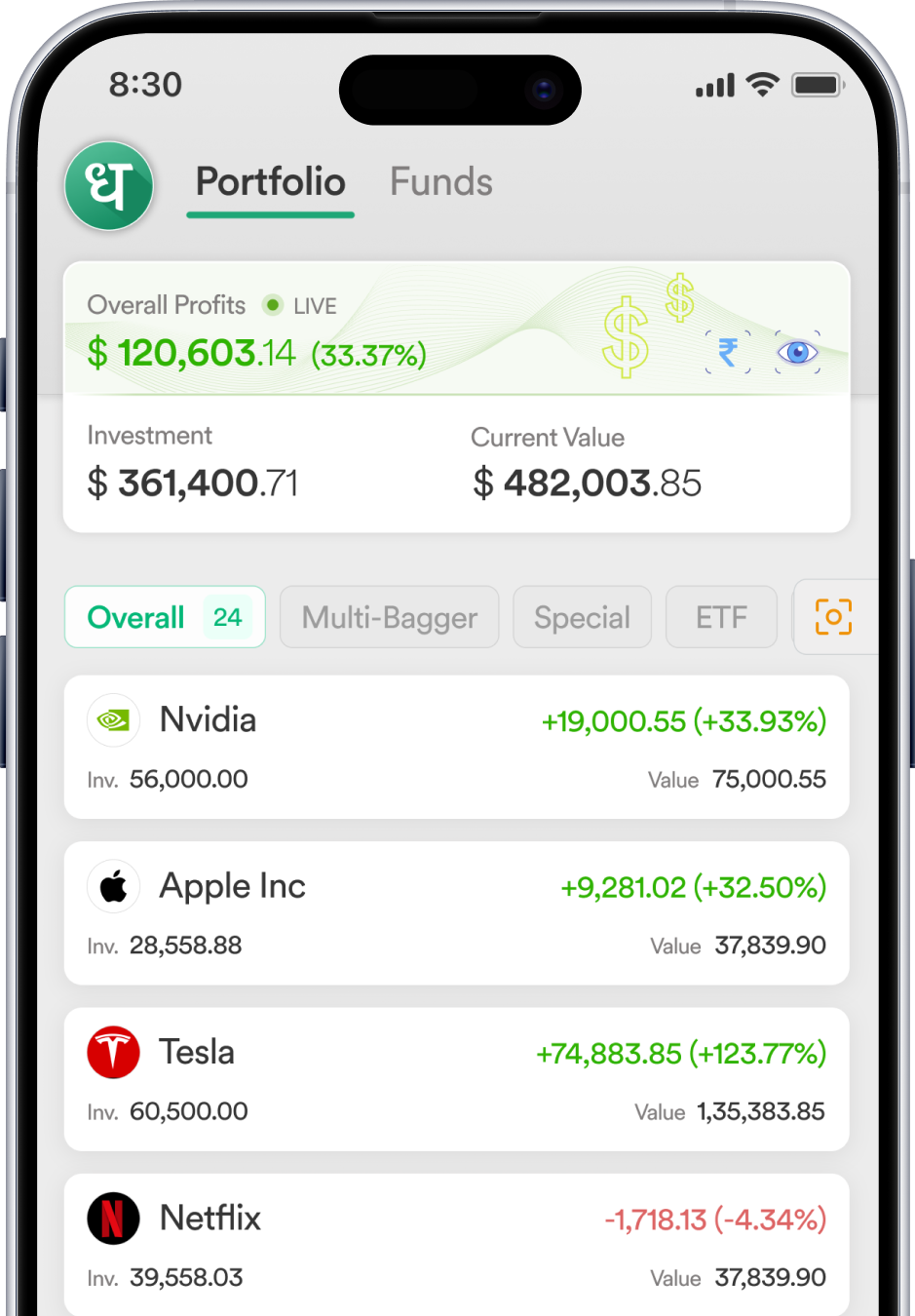
Invest in US Stocks from India
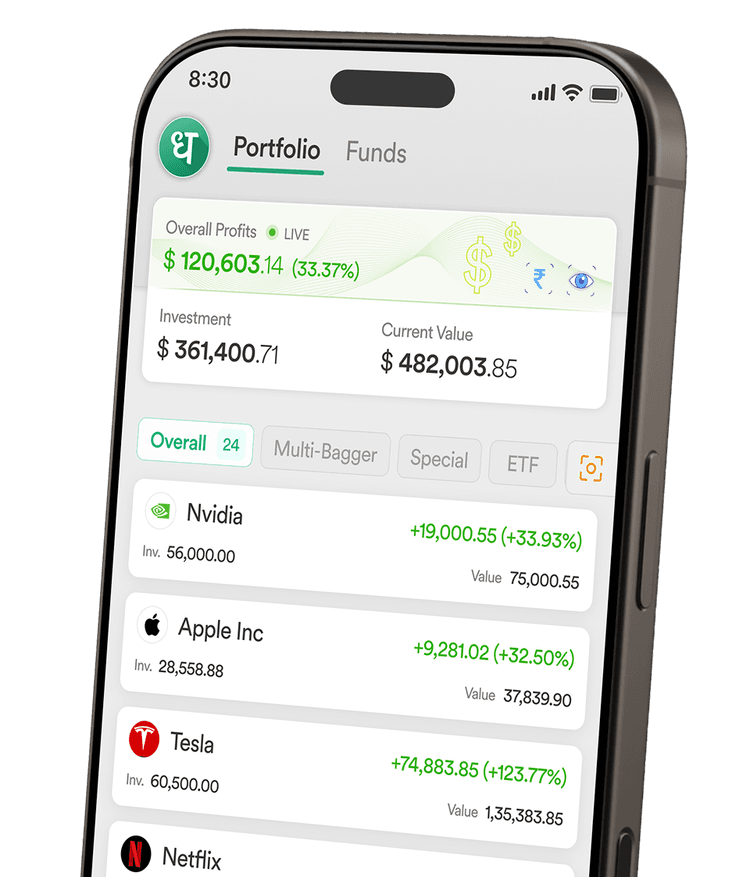
Invest in Global Brands
Own shares in companies you know and trust.


Why Invest in US Stocks with Dhan
From fractional investing to automated SIPs, we have made it simple and transparent.
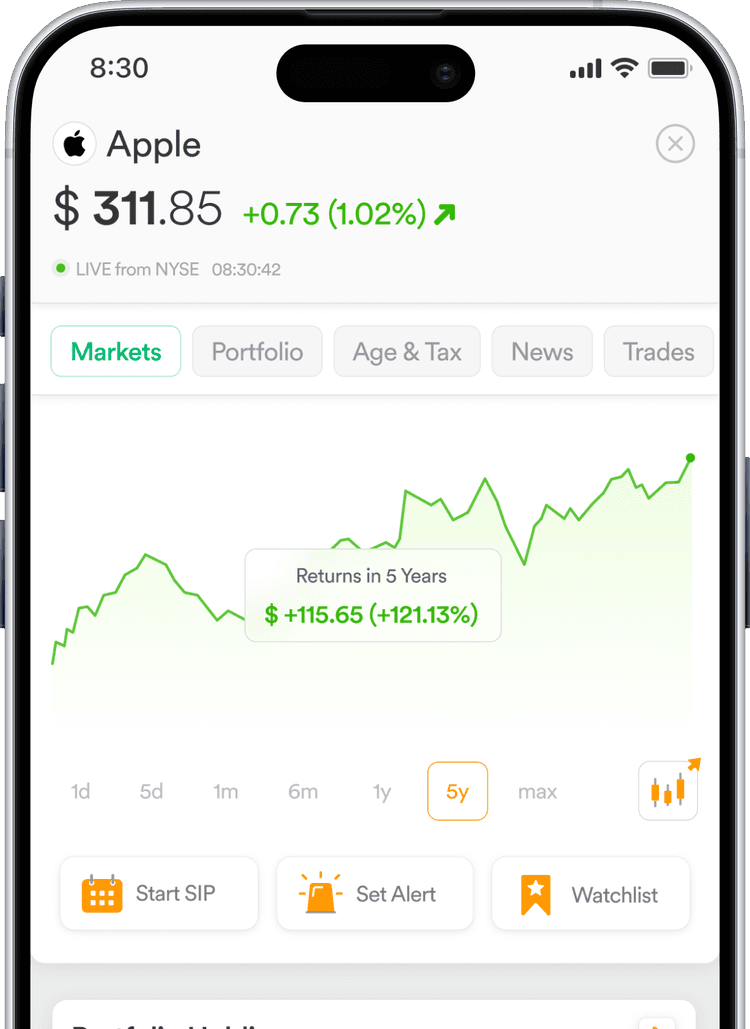
Fractional Investing
You can start small, even if it only
buys a fraction of stocks or ETFs.

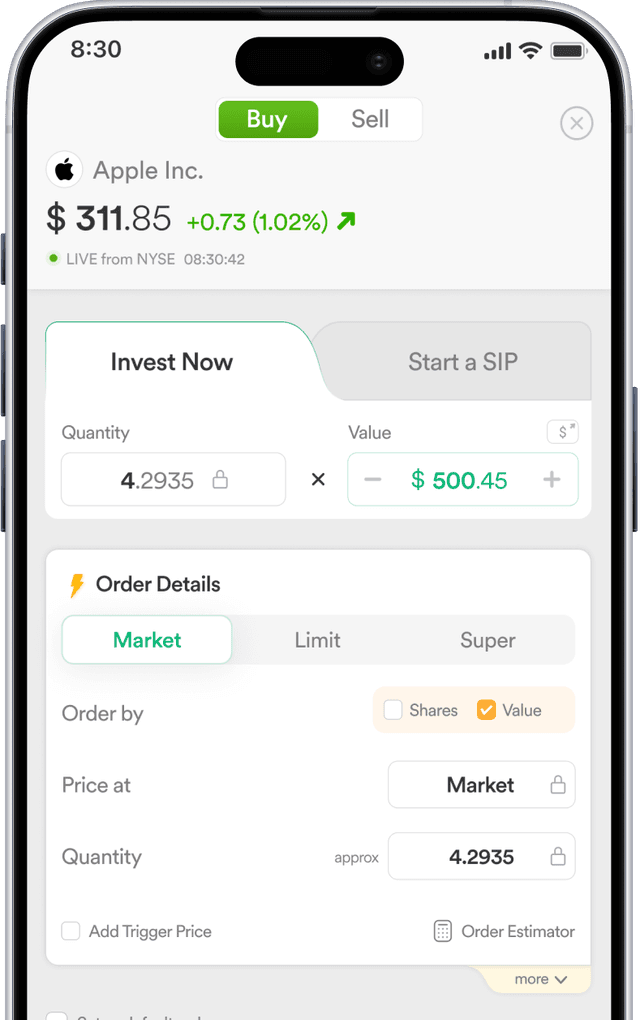
Daily, Weekly & Monthly SIP
Invest at your pace and let the markets do the rest.
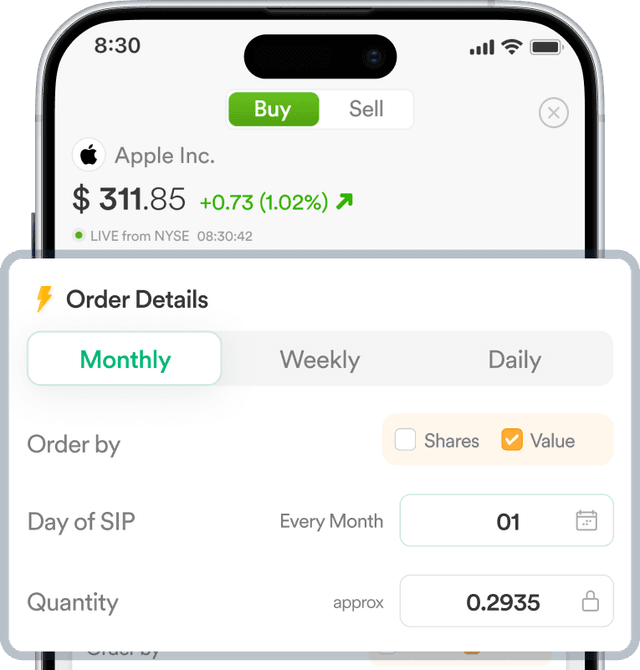

Invest in Top US Stocks


Explore 10,000+ stocks
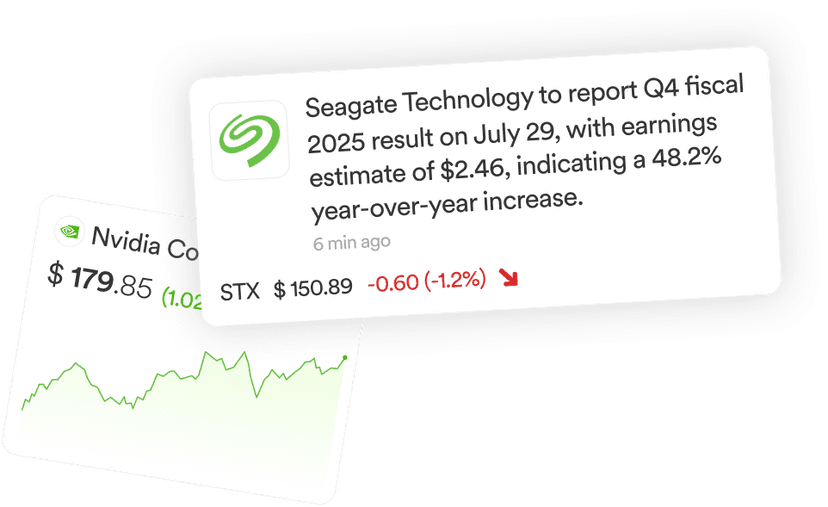
Get Latest News & In-depth Insights
Understand what's happening in the US markets and get detailed company insights.

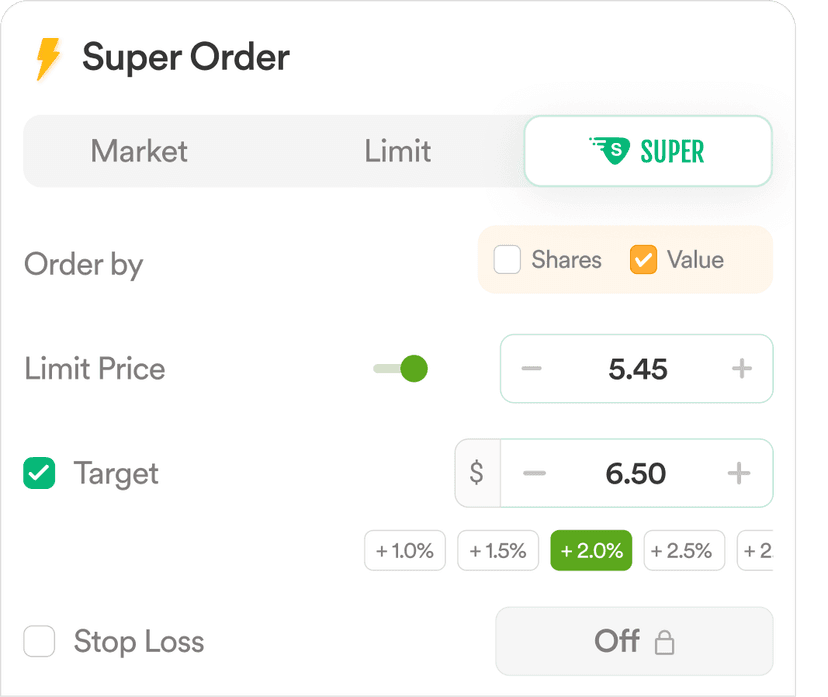
Special Orders
Invest smarter in US stocks with SIPs, AMOs, and Super Orders.

Refer & Earn
Earn 20% brokerage everytime
your friends make an investment.


Trending US Stocks
Discover the most actively watched stocks across trending sectors.


What if you Invested in...
Start Investing in Just 3 Steps
It's simple, easy and it takes less than 10 minutes!

Open a Dhan Account
Complete your account setup.

Add Bank & Funds
Link your bank account and add funds securely.

Start Investing in US Stocks
Buy shares of leading global companies.
Global Investing at Standard Pricing
Brokerage
0.10%
Flat 0.10% Brokerage on trade value or a minimum of $0.01
Pay-in
$0
Deposits are FREE
Pay-out
$0
Withdrawals are FREE
Frequently Asked Questions
Yes. Under RBI's Liberalised Remittance Scheme (LRS), Indian residents can remit up to $250,000 per financial year to invest in US-listed stocks and ETFs.
NYSE and NASDAQ operate 9:30 AM to 4:00 PM ET, which is 7:00 PM to 1:30 AM IST (8:00 PM to 2:30 AM IST during Indian summer, when the US observes DST).
The RBI LRS limit is USD 250,000 per individual per financial year. This covers all outward remittances combined (investments, travel, education, etc).
Gujarat International Finance Tec-City (GIFT City) is India's International Financial Services Centre (IFSC). Brokers registered there can offer US stock investing under a separate regulatory framework. Trades happen in USD and are governed by IFSCA regulations rather than SEBI/RBI norms for domestic investors.
- Buy individual Nasdaq-listed companies such as Apple Inc., Microsoft Corporation, and NVIDIA Corporation.
- Invest in a Nasdaq-100 ETF that tracks the index.
- Dividends: The US generally withholds tax before the dividend is paid to you. When filing taxes in India, you can typically claim a Foreign Tax Credit (FTC) for the tax already paid in the US, subject to Indian tax rules.
- Capital Gains: In most cases, gains from selling US-listed stocks are taxable in India. The US generally does not tax non-resident Indians on capital gains from publicly traded US stocks, so there is usually no double taxation on these gains.
Gains on US stocks are taxed as per Indian income tax slabs, regardless of holding period (no concessional LTCG rate applies for foreign stocks). Dividends are also taxed at your applicable slab rate. DTAA relief applies to avoid double taxation.
No. LRS regulations do not permit Indian residents to trade in derivatives (futures & options) on foreign exchanges. Only equity (cash segment) investments are allowed.
US markets follow a T+2 settlement cycle (moving to T+1 in phases). Additionally, international fund transfers via SWIFT/wire take 1–3 business days. Both factors mean funds and shares take longer to settle than domestic Indian trades.
Yes. You can set up a daily, weekly, or monthly SIP for US stocks on Dhan. These recurring SIPs can be set for a fixed US Dollar amount (converted automatically against INR).
Yes. Dividends declared by US companies are credited to your linked account after withholding tax (25% under DTAA, vs. 30% default). In India, this dividend income is taxable at your applicable slab rate, with credit for taxes already withheld.
Yes. Since US stocks are priced in USD, your INR returns depend on both the stock's performance and the USD/INR exchange rate. A depreciating rupee boosts your returns; an appreciating rupee reduces them.
Fractional shares let you buy a portion of a single US stock. Imagine buying 0.1 shares of a $500 stock for $50. This makes high-priced stocks like Apple, Tesla, or Amazon accessible without needing the full share price.

Invest in US Stocks with Dhan
Start building a global portfolio from just $1.
4.5 ratings
4.0 ratings